
Blog
Dia Mirza Climate Change: Analyzing the Patriarchy and Environmental Debate

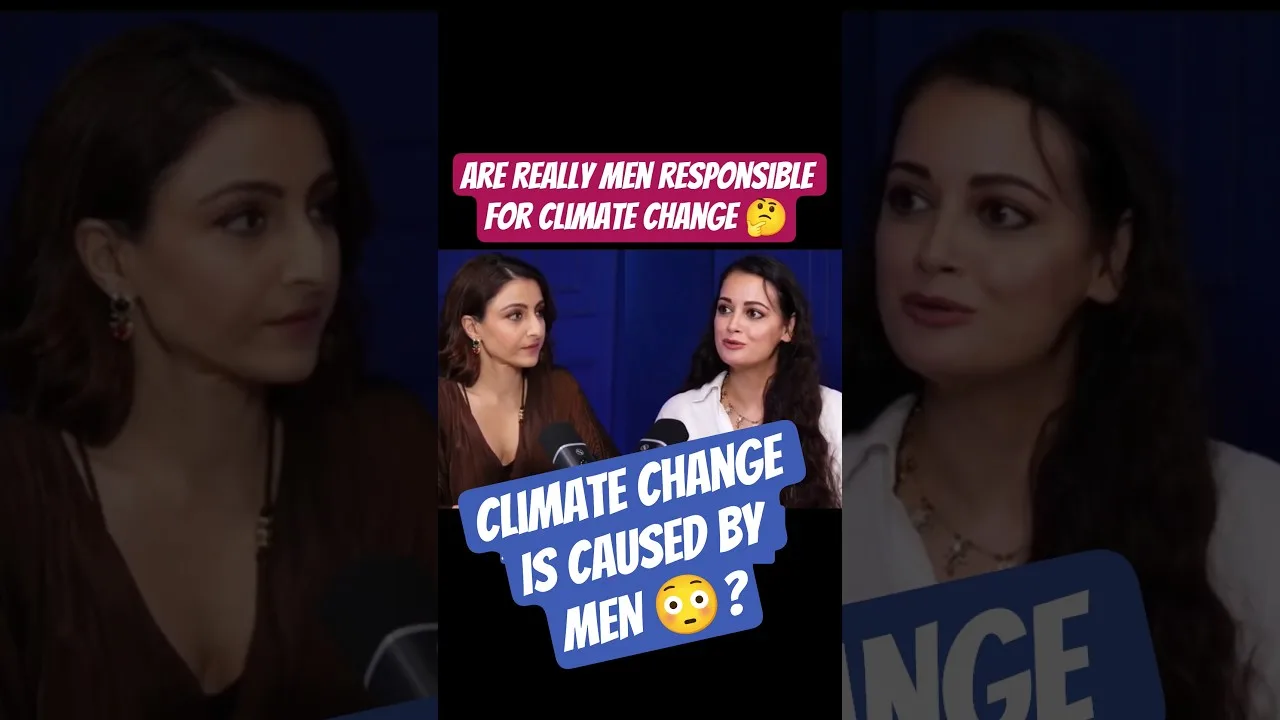
Table of Contents
- The Origin of the Debate: Dia Mirza's Viral Statement
- Understanding the Patriarchy-Climate Change Argument
- Historical Decision-Making Power
- Ecofeminism and the Domination Paradigm
- The Counter-Argument: Systems Over Biology
- Fossil Fuel Infrastructure as the Primary Driver
- Corporate Accountability and the Carbon Majors
- What the Data Shows: Emissions by Sector, Not Gender
- Atmospheric Physics Is Gender-Blind
- Consumption Patterns Across Demographics
- Gendered Impacts: Why Women Are Disproportionately Affected
- Vulnerability Amplified by Inequality
- Case Study: The 1991 Bangladesh Cyclone
- The Role of Women in Climate Leadership
- Evidence of Different Outcomes
- Notable Women Climate Leaders
- Moving Beyond Binary: Intersectional Climate Justice
- Intersectionality in Environmental Analysis
- Just Transition and Gender-Responsive Policy
- Policy Implications: What Actually Works
- Carbon Pricing and Regulatory Frameworks
- Subsidy Reform and Finance Redirection
- Reframing the Conversation: Power, Not Gender
- From Blame to Structural Analysis
- Collective Responsibility, Differentiated Capabilities
- Conclusion: Toward a Unified Climate Movement
The recent Dia Mirza climate change statement has ignited a global conversation about the intersection of gender, power structures, and environmental degradation. When the acclaimed actress and UN Environment Goodwill Ambassador suggested that men bear primary responsibility for the climate crisis, she catalyzed a debate that transcends celebrity commentary and touches on fundamental questions of climate justice, historical accountability, and the sociology of environmental destruction. This analysis examines the validity of linking patriarchy to planetary collapse, the scientific consensus on emissions drivers, and the path toward equitable climate solutions.
- Dia Mirza climate change remarks highlight the historical dominance of men in industrial decision-making roles.
- Ecofeminist theory argues that patriarchal mindsets drive exploitation of nature.
- Climate science identifies fossil fuel systems, not gender, as the primary emissions driver.
- Women face disproportionate climate impacts due to existing socioeconomic inequalities.
- Effective climate action requires dismantling power structures, not assigning blame by gender.
The Origin of the Debate: Dia Mirza’s Viral Statement
In a widely circulated short video, Dia Mirza posed a provocative question: “Carbon or chromosomes?” The Dia Mirza climate change commentary argued that the patriarchal mindset—characterized by dominance, extraction, and short-term profit maximization—has been the engine of the Industrial Revolution and the subsequent fossil fuel era. Her remarks resonated with many who view environmental destruction as inseparable from social hierarchies, while critics argued the framing oversimplifies a systemic crisis.
Understanding the Patriarchy-Climate Change Argument
Historical Decision-Making Power
Proponents of the Dia Mirza climate change perspective point to historical data: the architects of the Industrial Revolution, the founders of major oil conglomerates, and the political leaders who negotiated early climate treaties were overwhelmingly male. A 2021 study by the UN Women notes that men have held over 80% of parliamentary seats and 90% of corporate CEO positions historically, concentrating environmental decision-making in male hands.
Ecofeminism and the Domination Paradigm
Ecofeminist scholars like Vandana Shiva and Maria Mies argue that the same logic that justifies the domination of women—hierarchy, control, instrumentalization—underpins the domination of nature. From this view, the Dia Mirza climate change critique identifies a cultural paradigm: a worldview that treats both nature and marginalized genders as resources to be exploited rather than systems to be nurtured.
The Counter-Argument: Systems Over Biology

Fossil Fuel Infrastructure as the Primary Driver
Climate scientists and policy analysts emphasize that greenhouse gas emissions stem from energy systems, not identity. The Intergovernmental Panel on Climate Change (IPCC) identifies fossil fuel combustion for energy, industry, and transport as responsible for approximately 73% of global emissions. These systems persist due to path dependence, infrastructure lock-in, and economic incentives—not the gender of those operating them.
Corporate Accountability and the Carbon Majors
The Climate Accountability Institute’s Carbon Majors Report reveals that just 100 fossil fuel producers account for 71% of global industrial emissions since 1988. These entities—state-owned and investor-owned corporations—operate within legal and economic frameworks shaped by lobbying, regulatory capture, and shareholder primacy. Attributing their actions to “men” obscures the structural incentives that would likely persist regardless of leadership demographics.
What the Data Shows: Emissions by Sector, Not Gender
Atmospheric Physics Is Gender-Blind
As the Dia Mirza climate change debate unfolds, atmospheric science remains unambiguous: a molecule of CO2 traps heat identically whether emitted from a factory owned by a man or a woman. The Keeling Curve, tracking atmospheric CO2 since 1958 at Mauna Loa Observatory, shows a relentless rise correlated with global GDP and energy use, not gender ratios in leadership.
Consumption Patterns Across Demographics
Research from the University of Leeds indicates that high-income individuals—regardless of gender—generate vastly disproportionate emissions. The top 10% of global emitters (by income) contribute nearly 50% of consumption-based emissions. In OECD countries, per capita emissions differ more by urban vs. rural residence and income quintile than by gender.
Gendered Impacts: Why Women Are Disproportionately Affected
Vulnerability Amplified by Inequality
While the Dia Mirza climate change framing focuses on responsibility, the UNFCCC acknowledges that women—particularly in the Global South—bear disproportionate climate burdens. Women constitute 70% of the world’s poor, depend more on climate-sensitive livelihoods (subsistence agriculture, water collection), and face higher mortality in climate disasters due to social norms restricting mobility and access to information.
Case Study: The 1991 Bangladesh Cyclone
The 1991 cyclone killed 140,000 people; 90% were women. Cultural barriers to swimming, early warning access, and shelter usage—rooted in patriarchal norms—created this disparity. This illustrates how patriarchy exacerbates climate vulnerability, a nuance often lost in binary blame narratives.
The Role of Women in Climate Leadership
Evidence of Different Outcomes
Studies suggest gender-diverse leadership correlates with stronger climate policy. A 2019 study in the Journal of Corporate Finance found that firms with more women on boards adopt more aggressive emissions targets. Countries with higher female parliamentary representation ratify more environmental treaties. The Dia Mirza climate change argument gains empirical support here: inclusive governance yields better planetary outcomes.
Notable Women Climate Leaders
From Christiana Figueres (architect of the Paris Agreement) to Vanessa Nakate (Ugandan activist) to Nemonte Nenquimo (Waorani leader defending the Amazon), women are at the forefront of climate diplomacy, litigation, and grassroots resistance. Their leadership demonstrates that the solution lies not in gender essentialism but in dismantling barriers to diverse participation.
Moving Beyond Binary: Intersectional Climate Justice
Intersectionality in Environmental Analysis
Kimberlé Crenshaw’s intersectionality framework reminds us that gender intersects with race, class, indigeneity, and geography. The Dia Mirza climate change discourse must account for how colonial capitalism extracted resources from the Global South using both patriarchal and racist logics. Indigenous women, for instance, defend 80% of global biodiversity while facing compounded marginalization.
Just Transition and Gender-Responsive Policy
The International Labour Organization’s Just Transition guidelines emphasize gender-responsive policies: retraining women for green jobs, ensuring land rights, and valuing care work. The European Green Deal integrates gender mainstreaming, recognizing that climate policies can reinforce or reduce inequalities depending on design.
Policy Implications: What Actually Works
Carbon Pricing and Regulatory Frameworks
Effective climate policy targets emissions directly. Carbon taxes, cap-and-trade systems, and methane regulations reduce emissions regardless of who holds power. British Columbia’s revenue-neutral carbon tax cut emissions 5-15% without harming GDP. The EU’s Corporate Sustainability Reporting Directive mandates emissions disclosure for all large companies—a structural intervention.
Subsidy Reform and Finance Redirection
The IMF estimates global fossil fuel subsidies at $7 trillion annually (2022), including implicit subsidies from unpriced externalities. Redirecting these funds to renewables, public transit, and climate adaptation would accelerate decarbonization more than any gender-based analysis. The Dia Mirza climate change conversation should pivot to these leverage points.
Reframing the Conversation: Power, Not Gender
From Blame to Structural Analysis
The value of the Dia Mirza climate change intervention lies in naming power. Patriarchy is a system of power, not a synonym for men. Dismantling Dia Mirza climate change means redistributing decision-making authority, valuing reproductive and care labor, and centering marginalized voices in climate governance. This is distinct from assigning guilt to half of humanity.
Collective Responsibility, Differentiated Capabilities
The UNFCCC principle of “common but differentiated responsibilities” applies: all must act, but historical emitters and the wealthy must lead. This framework—rooted in justice, not identity—offers a more productive path than gender wars. The atmosphere counts carbon; our policies must count justice.
Conclusion: Toward a Unified Climate Movement
The Dia Mirza climate change debate reveals a tension between sociological critique and scientific pragmatism. Both perspectives hold truth: patriarchal power structures shaped the high-carbon world, but the physics of warming demands systemic, not symbolic, solutions. The most effective climate movement will integrate gender justice into decarbonization—ensuring that the transition to a livable planet is equitable, inclusive, and rooted in the realities of power. We need not choose between analyzing patriarchy and pricing carbon; we must do both, urgently and together.
Frequently Asked Questions
Dia Mirza stated in a viral video that men are responsible for climate change, arguing that patriarchal power structures drove the Industrial Revolution and fossil fuel expansion. She framed the crisis as rooted in a mindset of domination and exploitation historically associated with male-dominated decision-making.
Climate science identifies fossil fuel-based energy systems, industrial production, and consumption patterns as the primary drivers of global warming—not gender biology. However, sociological analysis shows that patriarchal systems historically concentrated environmental decision-making power in male hands, shaping the high-carbon trajectory.
Women, especially in the Global South, face disproportionate climate impacts due to socioeconomic inequalities: higher poverty rates, dependence on climate-sensitive livelihoods, restricted mobility, and limited access to resources and decision-making. Patriarchal norms amplify these vulnerabilities during disasters.