Blog
Melting Glaciers Impact: Why Vanishing Ice Threatens Global Water Security

https://www.youtube.com/watch?v=a56lo747acg
Table of Contents
- The Critical Role of Glaciers as Earth's Water Towers
- How Glacial Meltwater Sustains Major River Systems
- Seasonal Buffer Against Drought
- Accelerating Melting Glaciers Impact on Global Water Security
- Himalayan Glaciers and South Asian Water Crisis
- Andean Glaciers and South American Communities
- European Alps and North American Rockies
- Cascading Consequences of Glacier Retreat
- Rising Sea Levels and Coastal Threats
- Extreme Weather Amplification
- Ecosystem Collapse and Biodiversity Loss
- The Science Behind Accelerated Glacial Melt
- Albedo Feedback Loops
- Isostatic Rebound and Geological Changes
- Current Observations and Future Projections
- IPCC Findings on Cryosphere Changes
- Regional Case Studies
- Mitigation and Adaptation Strategies
- Conclusion
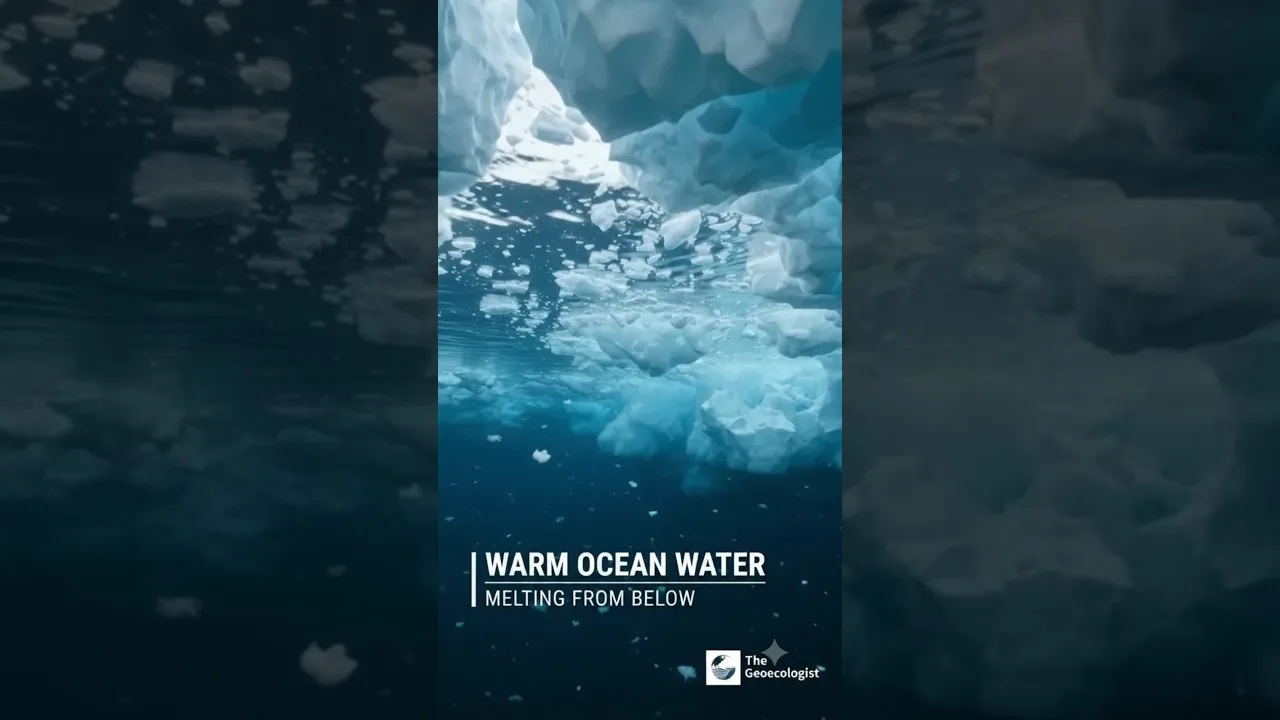
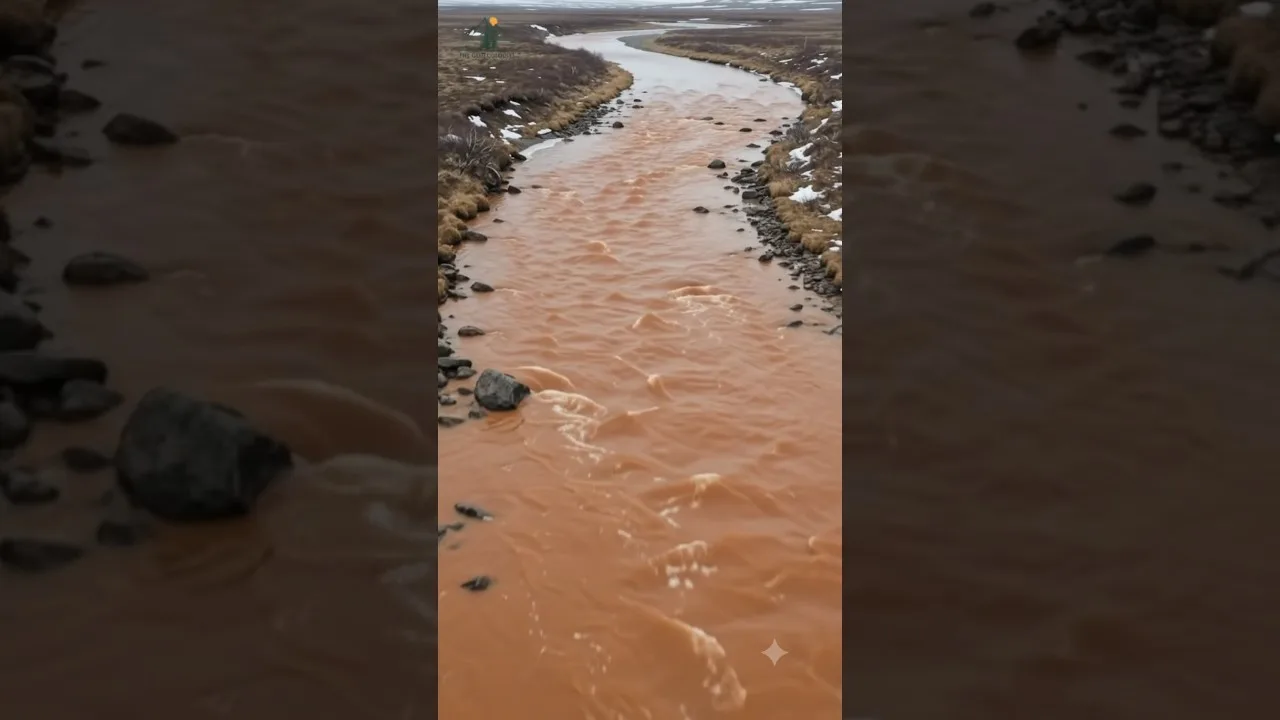
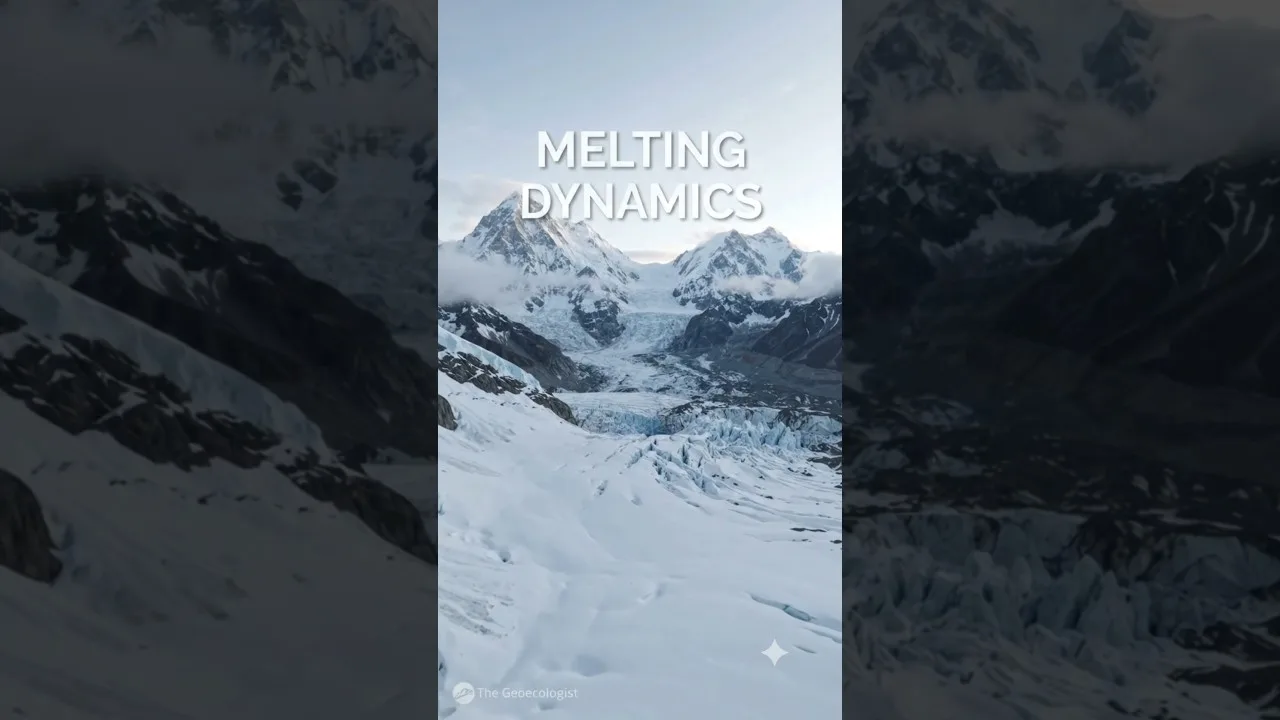
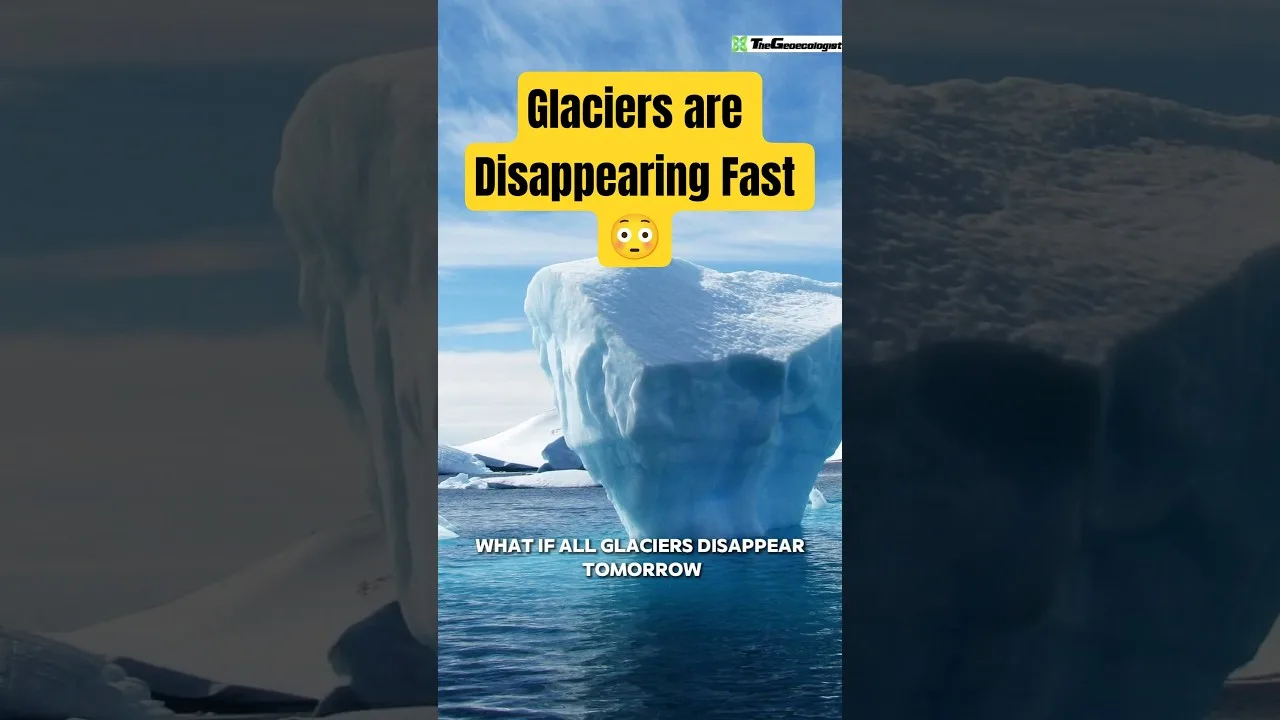
The melting glaciers impact on planetary stability has moved from scientific projection to daily reality, as Earth’s frozen reservoirs vanish at rates that astonish even seasoned glaciologists. From the Himalayas to the Andes, from the Alps to the Rockies, glaciers — often called the planet’s “water towers” — are retreating with accelerating speed, threatening the freshwater supply of nearly two billion people, destabilizing ecosystems, and contributing to rising seas that imperil coastal megacities. This crisis is not a distant scenario; melting glaciers impact is unfolding now, documented by satellites, measured by field researchers, and captured in viral footage that brings the remote cryosphere into living rooms worldwide.
- Glaciers act as critical freshwater reservoirs, storing winter snowfall and releasing meltwater gradually through dry seasons to sustain major river systems like the Indus, Ganges, Brahmaputra, Rhine, Danube, and Colorado.
- Accelerated retreat threatens water security for nearly 2 billion people across Asia, South America, and Europe, with peak meltwater already passed in many basins.
- Melting glaciers impact global sea levels, contributing roughly 21% of observed sea-level rise since 2000, with losses accelerating from 227 gigatons annually (2000–2004) to 328 gigatons (2015–2019).
- Albedo feedback loops amplify warming as darker ice and exposed bedrock absorb more solar radiation, driving further melt in a self-reinforcing cycle.
- Ecosystem collapse follows glacial loss, endangering cold-water species, alpine wetlands, and downstream fisheries that depend on glacial meltwater’s unique temperature and chemistry.
The Critical Role of Glaciers as Earth’s Water Towers
How Glacial Meltwater Sustains Major River Systems
Glaciers are not static blocks of ice; they are dynamic components of the planetary hydrological cycle. During cold seasons, they accumulate mass through snowfall; during warm seasons, they release stored water as meltwater that feeds rivers precisely when precipitation is scarce. This seasonal buffering is the foundation of agriculture, hydropower, drinking water, and industrial production across continents. The melting glaciers impact on the Indus Basin alone affects over 300 million people in Pakistan, India, and China, where irrigation-dependent agriculture relies on 50–70% glacial meltwater during pre-monsoon months. Similarly, the Rhine and Danube — fed by Alpine glaciers — support Europe’s most densely populated and economically vital corridors. According to the World Glacier Monitoring Service, glaciers globally hold approximately 170,000 cubic kilometers of ice, equivalent to roughly 40 centimeters of potential sea-level rise.
Seasonal Buffer Against Drought
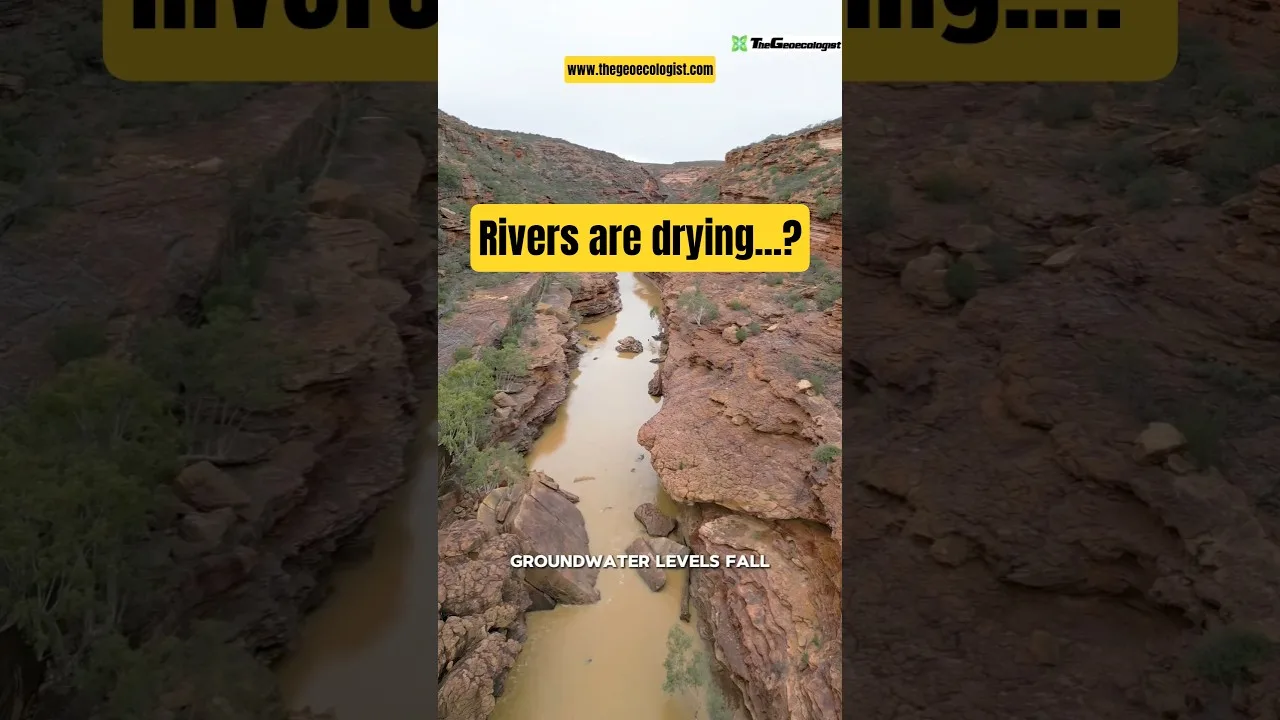
The timing of meltwater release is as crucial as its volume. In the Himalayas, glacial melt peaks in late spring and early summer, coinciding with the pre-monsoon agricultural planting season. In the Andes, cities like La Paz and Lima depend on glacial runoff during the dry season (May–October) when rainfall is negligible. The melting glaciers impact erodes this natural insurance policy: as glaciers shrink, the “peak water” threshold — the point at which annual meltwater output maximizes before declining irreversibly — has already been crossed in many basins, including the tropical Andes and the European Alps. A 2021 study in Nature Climate Change found that 85% of examined glaciers worldwide have passed peak water, meaning downstream communities now face declining dry-season flows even as total annual melt temporarily increases.
Accelerating Melting Glaciers Impact on Global Water Security
Himalayan Glaciers and South Asian Water Crisis
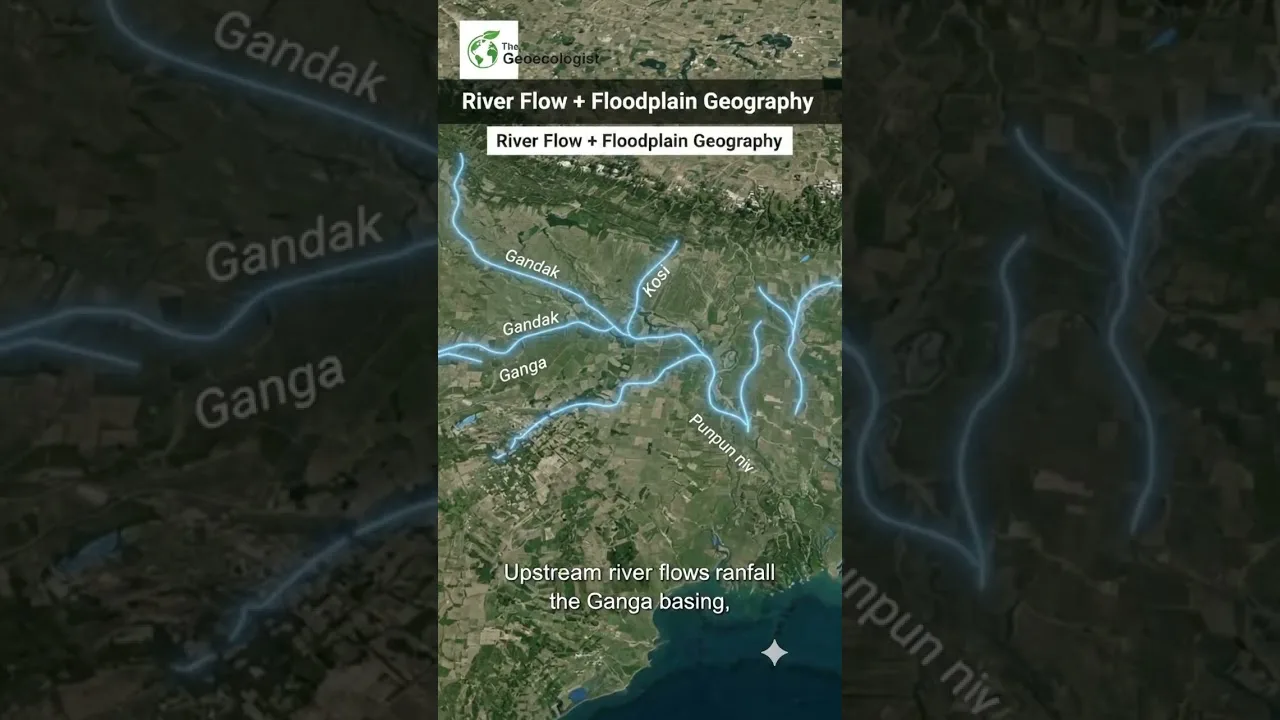
The Hindu Kush Himalaya (HKH) region, often termed the “Third Pole,” contains the largest concentration of glaciers outside the polar regions — roughly 55,000 glaciers covering 100,000 square kilometers. The IPCC Sixth Assessment Report projects that even under a 1.5°C warming scenario, the HKH will lose one-third of its glacial volume by 2100; under high-emission pathways, losses exceed two-thirds. This directly threatens the Indus, Ganges, Brahmaputra, Mekong, Yangtze, and Yellow Rivers, which collectively support 1.9 billion people. The melting glaciers impact here is compounded by changing monsoon patterns: reduced winter snowfall diminishes accumulation, while earlier spring melt desynchronizes water availability from agricultural demand. In 2022, Pakistan’s catastrophic floods — which displaced 33 million people — were intensified by anomalous glacial melt preceding record monsoon rains, illustrating how cryosphere change amplifies hydroclimatic extremes.
Andean Glaciers and South American Communities
Tropical Andean glaciers — concentrated in Colombia, Ecuador, Peru, and Bolivia — have lost 30–50% of their area since the 1970s. The National Snow and Ice Data Center reports that Venezuela’s last glacier, Humboldt, vanished entirely in 2024, making Venezuela the first Andean nation to lose all its glaciers in modern times. For La Paz and El Alto (combined population 2.2 million), glacial melt provides 15–30% of annual water supply, rising to 60–85% during dry months. The melting glaciers impact on hydropower is equally severe: Peru generates 60% of its electricity from hydropower, much of melting glaciers impact glacier-fed. Bolivia’s Chacaltaya glacier, once the world’s highest ski resort, disappeared in 2009 — a harbinger of the water conflicts now emerging between urban centers, agriculture, and mining interests in the Altiplano.
European Alps and North American Rockies
Alpine glaciers have lost approximately 60% of their 1850 volume, with 2022 and 2023 marking record mass-loss years driven by summer heatwaves and winter snow droughts. The Rhine — Europe’s busiest commercial waterway — experienced critically low flows in 2018, 2022, and 2023, disrupting shipping and forcing industrial shutdowns. In the North American Rockies, Glacier National Park’s namesake ice bodies have dwindled from 150 in 1850 to fewer than 25 today, with models projecting total loss by 2030. The melting glaciers impact on the Colorado River Basin — where glacial and perennial snowfields contribute to a system serving 40 million people — compounds the basin’s structural deficit, already strained by overallocation and a 23-year megadrought.
Cascading Consequences of Glacier Retreat

Rising Sea Levels and Coastal Threats
While the Greenland and Antarctic ice sheets dominate long-term sea-level projections, glaciers outside the polar regions contributed 21% of global mean sea-level rise (0.74 mm/yr) between 2000 and 2019, according to a 2021 Nature study analyzing 217,000 glaciers via satellite altimetry. The melting glaciers impact on sea-level rise is accelerating: annual mass loss increased from 227 ± 32 Gt/yr (2000–2004) to 328 ± 40 Gt/yr (2015–2019). This meltwater reaches oceans globally, but its fingerprint is uneven — gravitational effects mean melt from High Mountain Asia raises seas more in the Indian Ocean, while Andean melt affects the South Pacific. Coastal megacities like Mumbai, Shanghai, Miami, and Jakarta face compounding risks: rising baseline seas amplify storm surges, saltwater intrusion contaminates aquifers, and subsidence (often from groundwater extraction) doubles relative sea-level rise locally.
Extreme Weather Amplification
Glaciers regulate river thermal regimes and flow variability. Their loss removes this buffer, transforming perennial rivers into flashy, rain-dominated systems prone to extreme floods and deep droughts. The 2021 Chamoli disaster in Uttarakhand, India — where a glacier collapse triggered a debris flow killing over 200 people and destroying two hydropower projects — exemplifies the compound hazards emerging in deglaciating mountains. Permafrost thaw destabilizes slopes, glacial lake outburst floods (GLOFs) increase in frequency, and sediment loads surge as newly exposed terrain erodes. Downstream, the melting glaciers impact on river temperature stresses cold-water fisheries: salmon and trout populations in the Pacific Northwest and Alpine streams face thermal habitat compression, with summer temperatures exceeding lethal thresholds more frequently.
Ecosystem Collapse and Biodiversity Loss
Glacial meltwater carries unique biogeochemical signatures — low temperature, high turbidity, distinct mineral content — that structure downstream ecosystems. Specialized communities of diatoms, invertebrates, and fish (e.g., bull trout, Alpine grayling) are adapted to these conditions. As glaciers vanish, these habitats homogenize, favoring generalist species and triggering trophic cascades. High-elevation wetlands fed by glacial seepage — critical for amphibians, migratory birds, and pastoral communities — desiccate. The melting glaciers impact on biodiversity is quantified in a 2023 Global Change Biology meta-analysis: 63% of glacier-associated species face elevated extinction risk this century, with endemism highest in the tropical Andes and New Zealand’s Southern Alps.
The Science Behind Accelerated Glacial Melt
Albedo Feedback Loops
Fresh snow reflects 80–90% of incoming solar radiation (high albedo); bare glacier ice reflects 30–50%; debris-covered ice and exposed bedrock reflect <20%. As melting exposes darker surfaces, absorption increases, driving further melt — a positive feedback loop. Black carbon deposition from fossil fuel combustion and biomass burning darkens snow and ice, reducing albedo by 5–15% in the Himalayas and Andes. The melting glaciers impact of this feedback is quantified in a 2022 Nature Communications study: albedo reduction accounts for 20–30% of accelerated mass loss in High Mountain Asia since 2000. Cryoconite holes — water-filled depressions hosting microbial communities — further darken ice surfaces, creating micro-scale feedbacks that amplify melt rates by 10–25% locally.
Isostatic Rebound and Geological Changes
As glaciers lose mass, the underlying crust rebounds elastically (glacial isostatic adjustment). In the Alps, GPS stations measure uplift rates of 1–3 mm/yr; in Patagonia, rates exceed 10 mm/yr. This rebound alters stress fields, potentially reactivating faults and increasing seismic hazard in deglaciating regions. A 2020 Geophysical Research Letters study linked accelerated uplift in the Southern Alps (New Zealand) to increased microseismicity. The melting glaciers impact on geomorphology extends to sediment flux: paraglacial landscapes release stored sediment at rates 10–100x background, filling reservoirs, degrading water quality, and reshaping deltas. The Indus Delta, already sediment-starved by upstream dams, faces compounded subsidence as glacial sediment supply dwindles.
Current Observations and Future Projections
IPCC Findings on Cryosphere Changes
The IPCC AR6 Working Group I (2021) and the Special Report on the Ocean and Cryosphere (2019) provide the authoritative consensus: glaciers have lost mass in every decade since 1970, with the rate doubling from 0.3 m w.e./yr (1970s) to 0.7 m w.e./yr (2010s). Under SSP1-2.6 (low emissions), global glacier mass loss by 2100 is 18 ± 7%; under SSP5-8.5 (high emissions), 36 ± 11%. Critically, many low-latitude and mid-latitude glaciers are committed to near-total loss regardless of emission pathway due to inertia in the climate system. The melting glaciers impact timeline means adaptation — not just mitigation — is now imperative for water managers, urban planners, and agricultural policymakers.
Regional Case Studies
In the European Alps, the 2022–2023 hydrological years saw mass losses of -3.5 m w.e. and -2.8 m w.e. respectively — the two worst years in the 100+ year observational record. Switzerland’s Glacier Monitoring Network (GLAMOS) documented 6% volume loss in 2022 alone. In the Canadian Rockies, the Peyto Glacier — a benchmark site since 1965 — lost 70% of its 1966 volume by 2021. In the tropical Andes, Peru’s Quelccaya Ice Cap (the world’s largest tropical ice cap) has retreated 46% since 1976, with its Qori Kalis outlet glacier retreating 10x faster in 2000–2020 than 1963–1978. These observations confirm that the melting glaciers impact is non-linear: thresholds exist beyond which retreat becomes self-sustaining, independent of further warming.
Mitigation and Adaptation Strategies
Limiting warming to 1.5°C — requiring global net-zero CO₂ by ~2050 — would preserve roughly 50% of current glacier volume outside Antarctica and Greenland, versus <20% under 3°C. But even optimistic scenarios demand massive adaptation. Integrated water resource management must shift from supply-side engineering (dams, diversions) to demand management: efficient irrigation (drip, deficit scheduling), crop switching (less water-intensive varieties), wastewater recycling, and aquifer recharge. Early warning systems for GLOFs, using satellite InSAR and real-time lake monitoring, have reduced fatalities in Nepal and Peru. Nature-based solutions — restoring high-altitude wetlands, reforesting catchments — enhance natural storage. The melting glaciers impact on transboundary rivers necessitates updated treaties: the Indus Waters Treaty (1960) and Mekong Agreement (1995) lack provisions for climate-driven flow regime shifts. International frameworks like the UN Water Convention and the Mountain Partnership offer platforms for cooperation, but political will lags behind physical reality.
Conclusion
The melting glaciers impact is a planetary emergency unfolding in slow motion — measured in millimeters of sea-level rise, percentage points of agricultural yield loss, and fractions of a degree in river temperature — but its cumulative consequences are existential. Glaciers are not merely icons of wilderness; they are infrastructure, as essential as aqueducts or power grids, built not by engineers but by millennia of climate stability. Their loss unravels the hydrological logic that underpins civilization: reliable dry-season water, flood attenuation, thermal refugia for biodiversity, and coastal stability. The viral videos of calving ice fronts and turquoise meltwater lakes are not spectacles; they are invoices coming due. Responding requires the same clarity that glaciology brings: the physics is settled, the observations are unequivocal, and the window for preserving what remains — and adapting to what is lost — is narrowing with each passing melt season.
Frequently Asked Questions
Approximately 1.9 billion people — nearly a quarter of humanity — rely on glacier-fed river systems for drinking water, irrigation, hydropower, and industry, primarily in High Mountain Asia, the Andes, and Europe.
Yes. Research indicates 85% of studied glaciers worldwide have passed peak water — the point of maximum annual meltwater output — meaning dry-season flows are now declining irreversibly in basins from the tropical Andes to the European Alps.
Glaciers outside Greenland and Antarctica contributed 21% of global mean sea-level rise (0.74 mm/year) from 2000–2019, with annual mass loss accelerating from 227 to 328 gigatons over that period.