Blog
Wetland Carbon Storage: Sultanpur National Park’s Climate Role

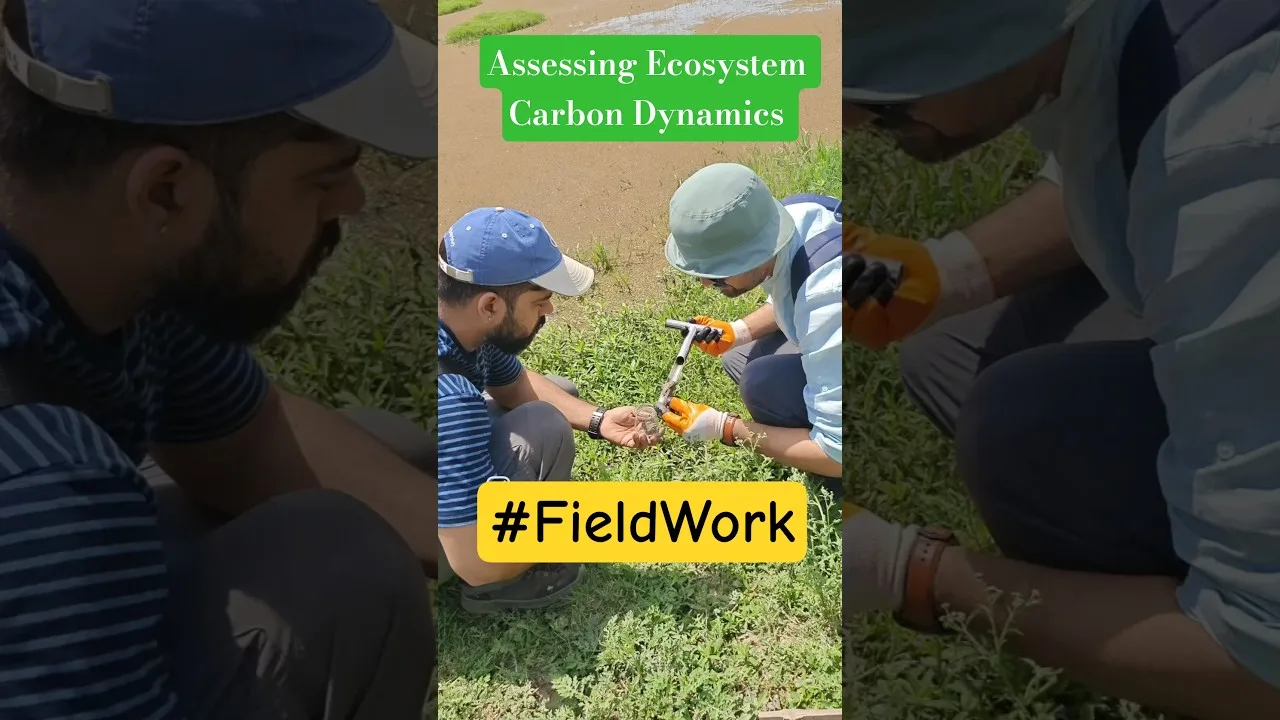
Table of Contents
- Introduction: Understanding Wetland Carbon Storage in India's Wetlands
- The Science Behind Wetland Carbon Storage Mechanisms
- How Wetlands Achieve Superior Carbon Storage
- Sultanpur National Park: A Case Study in Wetland Carbon Storage Research
- Field Research Methodology for Measuring Wetland Carbon Storage
- Geoecological Factors Influencing Wetland Carbon Storage Capacity
- Linking Wetland Carbon Storage to Conservation Policy
- The Future of Wetland Carbon Storage Research and Applications
- Scaling Up Wetland Carbon Storage Solutions
- Conclusion: Protecting Wetland Carbon Storage for Future Generations
Introduction: Understanding Wetland Carbon Storage in India’s Wetlands
Wetland carbon storage represents one of nature’s most powerful yet underappreciated climate solutions. In the heart of India’s vibrant landscapes, Sultanpur National Park serves as more than just a haven for migratory birds—it functions as a critical frontline player in global climate change mitigation. As climate change accelerates worldwide, understanding where and how nature stores carbon becomes increasingly vital for developing effective environmental strategies. The wetland carbon storage potential of ecosystems like Sultanpur National Park offers promising pathways for reducing atmospheric CO2 concentrations while supporting biodiversity conservation.
- Wetland carbon storage capacity varies significantly across different wetland types and zones
- India’s wetlands store approximately 2.7 billion tons of carbon in their sediments
- Soil organic carbon measurement is crucial for quantifying wetland carbon storage accurately
- Wetland ecosystems can store carbon for centuries to millennia under proper conditions
- Climate change threatens existing wetland carbon storage through altered hydrology and temperature
The Science Behind Wetland Carbon Storage Mechanisms

Wetland carbon storage occurs through complex biogeochemical processes that make these ecosystems exceptionally efficient at long-term carbon retention. The waterlogged soils characteristic of wetlands create anaerobic conditions that dramatically slow decomposition rates, allowing plant material to accumulate rather than break down completely. This results in the formation of peat and other organic-rich sediments that can contain several times more carbon than terrestrial forests.
How Wetlands Achieve Superior Carbon Storage
The wetland carbon storage process begins with photosynthesis, where aquatic and semi-aquatic plants capture atmospheric CO2 and convert it into organic matter. Unlike upland ecosystems where this carbon is rapidly cycled back to the atmosphere through decomposition, wetland conditions preserve much of this material. The saturated soil environment limits oxygen availability, preventing aerobic microorganisms from fully breaking down plant debris. Over time, this leads to the accumulation of soil organic carbon, creating substantial wetland carbon storage reservoirs that can persist for centuries.
Research conducted by the Global Carbon Project demonstrates that wetlands, despite covering only 3% of Earth’s land surface, store nearly 30% of global soil organic carbon. This remarkable efficiency makes wetland carbon storage a cornerstone of international climate strategies and highlights why protecting these ecosystems is fundamental to achieving carbon neutrality goals.
Sultanpur National Park: A Case Study in Wetland Carbon Storage Research
Sultanpur National Park, located in Haryana, India, encompasses approximately 146 hectares of diverse wetland habitats including marshes, ponds, and seasonally inundated grasslands. This mosaic of wetland environments creates varying conditions for carbon storage, making it an ideal location for comprehensive wetland carbon storage research. The park’s designation as a Ramsar site in 2005 recognizes its international importance for waterfowl conservation, but its role in wetland carbon storage extends far beyond bird habitat provision.
Field Research Methodology for Measuring Wetland Carbon Storage
The wetland carbon storage investigation at Sultanpur National Park employed systematic field protocols to quantify carbon stocks across multiple ecosystem zones. Under the guidance of Principal Investigator Vipin Solanki and Co-Principal Investigator Dr. Krishnanand, with field support from Research Student Tingten Longs, researchers implemented a comprehensive assessment approach:
Soil Core Collection for Carbon Storage Analysis
Soil sampling formed the foundation of wetland carbon storage quantification efforts at Sultanpur. Researchers meticulously collected soil cores from various wetland zones, ranging from open water fringes to seasonally inundated grasslands. These samples provided crucial data for measuring soil organic carbon content and determining how deep carbon reserves extend within the wetland profile. The vertical distribution of carbon storage helps identify which layers contribute most significantly to long-term wetland carbon storage capacity.
Vegetation and Biomass Assessment for Active Carbon Storage
Quantifying living plant biomass represents another critical component of wetland carbon storage evaluation. Researchers inventoried plant species composition and measured above-ground biomass to understand the carbon actively captured through photosynthesis. Different plant communities contribute varying amounts to overall wetland carbon storage, with emergent macrophytes often showing the highest productivity rates. Understanding species dominance patterns and growth dynamics enables accurate modeling of ongoing carbon storage processes within the wetland system.
Ecosystem Profiling for Wetland Carbon Storage Drivers
Beyond direct measurements of carbon storage pools, researchers mapped physical characteristics that influence carbon cycling dynamics. Hydroperiod data—describing how long water remains present in different zones—directly affects decomposition rates and thus wetland carbon storage efficiency. Soil type variations, water chemistry parameters, and micro-topography all play crucial roles in determining whether a wetland acts as a net carbon sink or source. These environmental variables help explain spatial patterns in wetland carbon storage across the landscape.
Geoecological Factors Influencing Wetland Carbon Storage Capacity
Field-based geoecological observations revealed numerous factors affecting wetland carbon storage at Sultanpur National Park. Land use changes surrounding the wetland, hydrological connectivity patterns, and signs of disturbance all impact carbon storage potential. Agricultural runoff, urban development, and altered water regimes can enhance carbon release while simultaneously hindering continued wetland carbon storage processes.
Climate-induced changes pose particular threats to existing wetland carbon storage systems. Rising temperatures accelerate decomposition even in waterlogged conditions, potentially converting these ecosystems from carbon sinks to carbon sources. Altered precipitation patterns affect hydroperiod duration, which directly influences the anaerobic conditions necessary for effective wetland carbon storage maintenance. These findings underscore the urgency of protecting current wetland carbon storage assets while developing restoration strategies for degraded systems.
Linking Wetland Carbon Storage to Conservation Policy
This fieldwork extends beyond simple data collection—it builds comprehensive understanding of wetland carbon storage dynamics necessary for evidence-based conservation policy. By linking soil carbon measurements, plant biomass assessments, and environmental driver analysis, researchers can better predict how wetland carbon storage responds to various stressors. Water level fluctuations, pollution events, and climate shifts all require different management approaches to maintain optimal wetland carbon storage function.
The Ramsar Convention on Wetlands emphasizes that protecting and restoring wetlands like Sultanpur isn’t merely about biodiversity conservation—it represents a tangible strategy for climate change mitigation. Accurately assessing wetland carbon storage potential empowers policymakers to develop targeted conservation programs that maximize both ecological and climate benefits. This dual-purpose approach positions wetland carbon storage as strategic assets in the global carbon budget rather than simply environmental amenities.
The Future of Wetland Carbon Storage Research and Applications
Geoecology in its purest form involves translating complex field observations into actionable insights for sustainable futures. Wetland carbon storage research continues evolving as new technologies and methodologies emerge. Remote sensing capabilities now enable landscape-scale wetland carbon storage assessments, while advanced laboratory techniques provide unprecedented precision in measuring carbon stocks and fluxes.
Scaling Up Wetland Carbon Storage Solutions
Successful wetland carbon storage projects require careful consideration of local ecological conditions, hydrological regimes, and human activities. International initiatives increasingly recognize wetland carbon storage as essential components of nationally determined contributions under the Paris Climate Agreement. Countries with extensive wetland resources, including India, have opportunities to leverage wetland carbon storage for meeting climate targets while supporting rural livelihoods and biodiversity conservation.
The wetlands are working hard for us—maintaining regional hydrological cycles, filtering water, supporting fisheries, and storing carbon. It’s our responsibility to understand, respect, and protect their climate-regulating power through informed wetland carbon storage management strategies. Continued research investment and policy support will determine whether these natural carbon storage systems can fulfill their potential in addressing the climate crisis.
Conclusion: Protecting Wetland Carbon Storage for Future Generations
Wetland carbon storage represents an irreplaceable component of Earth’s climate regulation system that demands immediate attention and protection. Through rigorous scientific investigation at sites like Sultanpur National Park, we gain valuable insights into optimizing wetland carbon storage processes while maintaining ecosystem integrity. These efforts contribute directly to global climate change mitigation strategies and demonstrate how nature-based solutions can complement technological approaches to carbon reduction.
The intersection of wetland carbon storage science with conservation policy creates unprecedented opportunities for achieving multiple environmental objectives simultaneously. As research continues revealing the complexity and importance of wetland carbon storage mechanisms, the imperative to protect these ecosystems grows stronger. Investing in wetland carbon storage preservation today ensures these natural climate solutions remain available for future generations while providing immediate benefits to biodiversity, water security, and community resilience.
Frequently Asked Questions
Wetlands store carbon efficiently due to waterlogged, anaerobic soil conditions that slow decomposition rates, allowing organic matter to accumulate over centuries rather than breaking down completely as in aerobic environments.
Despite covering only 3% of Earth's land surface, wetlands contain approximately 30% of global soil organic carbon, representing one of the planet's most concentrated carbon storage systems.
Sultanpur National Park's diverse wetland habitats including marshes, ponds, and grasslands provide ideal conditions for studying spatial variations in wetland carbon storage and developing comprehensive carbon budget models for similar ecosystems.