Blog
Cyclone Arnab Impact: Severe Landfall in Andhra Pradesh

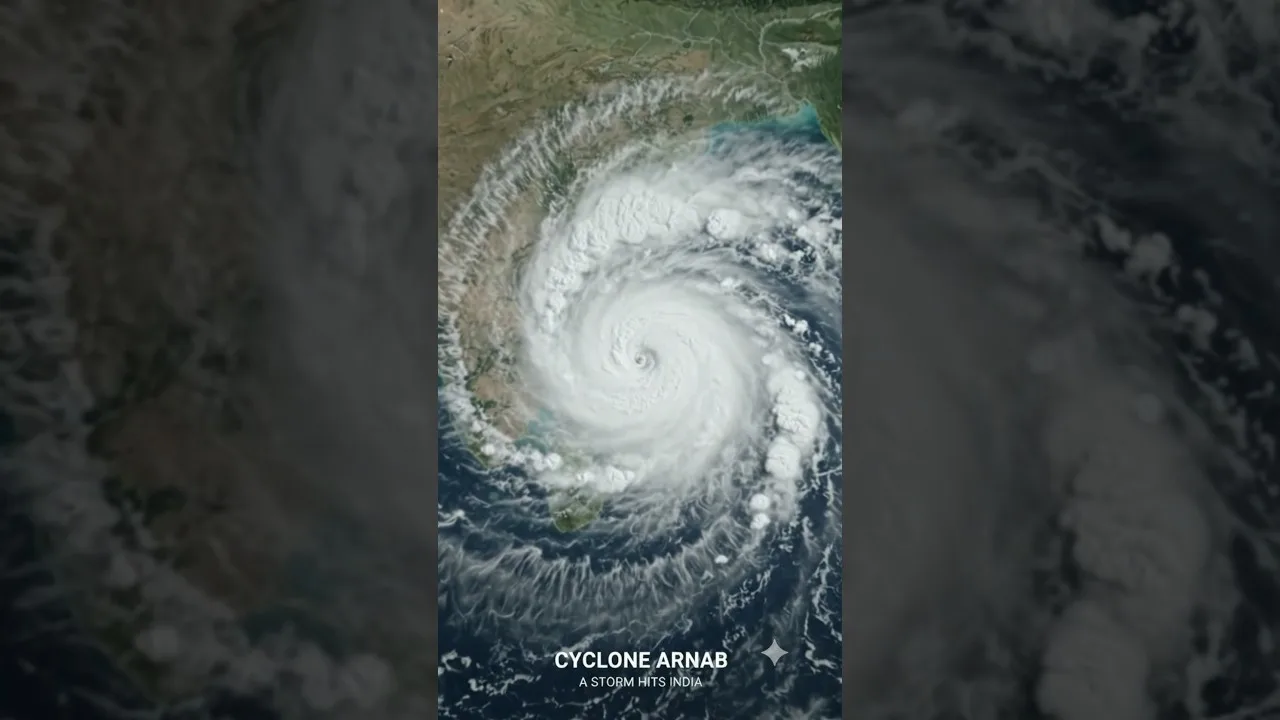
Table of Contents
- Understanding the Cyclone Arnab Impact on India's Eastern Coast
- The Meteorological Evolution of Cyclone Arnab
- Wind Dynamics and Sustained Velocity
- Heavy Rainfall and Hydrological Disruption
- Assessing the Cyclone Arnab Impact on Coastal Infrastructure
- Damage to Settlements and Housing
- Economic Consequences of the Storm
- Disaster Management and the Importance of Early Warnings
- The Role of Preparedness in Reducing Mortality
- Technological Advancements in Forecasting
- The Geographical Perspective: Cyclones as Environmental Forces
- Climate Change and Increasing Storm Intensity
- Conclusion: Moving Forward After Cyclone Arnab
Understanding the Cyclone Arnab Impact on India’s Eastern Coast
The recent Cyclone Arnab impact has sent shockwaves through the eastern coastline of India, as a powerful tropical system made landfall with devastating force. On 28 October 2026, the storm struck the Andhra Pradesh–Yanam coast, bringing with it intense winds and torrential rainfall that have disrupted life across the region. This meteorological event serves as a stark reminder of the increasing volatility of weather patterns in the Bay of Bengal and the critical importance of disaster preparedness in coastal zones.
- Landfall Location: Andhra Pradesh–Yanam coast.
- Wind Speeds: Sustained speeds of 125–135 km/h.
- Date of Event: 28 October 2026.
- Primary Risks: High-velocity winds, storm surges, and extreme precipitation.
- Key Focus: Disaster management and geographical reshaping.
When we analyze the Cyclone Arnab impact, we must look beyond the immediate destruction. The storm’s approach was characterized by a rapid intensification phase, a common phenomenon in the warming waters of the Indian Ocean. As the system moved toward the coast, satellite imagery indicated a well-defined eye, signaling a highly organized and dangerous cyclone. The resulting Cyclone Arnab impact was felt not just in the immediate landfall zone but also in the surrounding districts of Andhra Pradesh, where heavy rainfall triggered localized flooding and landslides.
The Meteorological Evolution of Cyclone Arnab
To fully grasp the Cyclone Arnab impact, one must understand the atmospheric conditions that birthed it. Tropical cyclones require warm sea surface temperatures, high humidity, and low vertical wind shear to develop. In the days leading up to 28 October 2026, the thermal energy stored in the ocean provided the perfect fuel for this system. As it transitioned from a depression to a severe cyclonic storm, the Cyclone Arnab impact became an inevitability for the coastal populations.
Wind Dynamics and Sustained Velocity
The reported sustained wind speeds of 125–135 km/h placed this storm in a high-intensity category. These winds are capable of uprooting trees, destroying power lines, and compromising the structural integrity of non-permanent housing. The Cyclone Arnab impact on infrastructure was immediate, with electricity grids failing in several coastal settlements. The sheer force of the wind creates a pressure differential that can cause sudden, violent shifts in local weather, exacerbating the Cyclone Arnab impact on maritime activities and aviation.
Heavy Rainfall and Hydrological Disruption
While wind causes structural damage, the rainfall associated with the Cyclone Arnab impact causes hydrological chaos. The heavy downpours led to significant runoff, overwhelming drainage systems in urban areas and causing river levels to rise dangerously. This saturation of the soil increases the risk of landslides in hilly terrains adjacent to the coast, further expanding the scope of the Cyclone Arnab impact. For agricultural communities, the excess water can mean the difference between a successful harvest and total crop failure.
Assessing the Cyclone Arnab Impact on Coastal Infrastructure
Coastal settlements are uniquely vulnerable to the Cyclone Arnab impact. The combination of wind and storm surges creates a dual threat. A storm surge is an abnormal rise of water generated by a storm, over and above the predicted astronomical tides. During the landfall, the Cyclone Arnab impact included a significant surge that pushed seawater deep into the coastal plains of Andhra Pradesh, contaminating freshwater sources and damaging coastal roads.
Damage to Settlements and Housing
In many parts of the Yanam coast, traditional housing and informal settlements bore the brunt of the Cyclone Arnab impact. The structural damage to these homes is often irreparable without significant government intervention. Furthermore, the Cyclone Arnab impact on community buildings, such as schools and local clinics, can hinder the immediate relief efforts, making the recovery phase much longer and more complex.
Economic Consequences of the Storm
The economic Cyclone Arnab impact extends to the fishing industry, which is the backbone of many coastal economies in India. With boats damaged and fishing grounds rendered inaccessible due to turbulent seas, local livelihoods are severely disrupted. Additionally, the cost of repairing broken power lines, roads, and telecommunication towers adds a massive burden to the state’s treasury. The long-term Cyclone Arnab impact on the regional GDP cannot be understated, as reconstruction diverts funds from other developmental projects.
Disaster Management and the Importance of Early Warnings
One of the most critical aspects of mitigating the Cyclone Arnab impact is the efficiency of early warning systems. Modern meteorology allows for better tracking, but the final stage of protection lies in effective communication with the public. The National Disaster Management Authority (NDMA) plays a vital role in coordinating the response to such natural calamities.
The Role of Preparedness in Reducing Mortality
If the Cyclone Arnab impact resulted in high casualties, it would be a failure of evacuation protocols. However, through timely warnings and the establishment of cyclone shelters, the human cost can be significantly minimized. Preparedness involves not just reactive measures but proactive steps like reinforcing embankments and creating flood-resilient infrastructure. The lessons learned from the Cyclone Arnab impact will undoubtedly shape future disaster management strategies in India.
Technological Advancements in Forecasting
As climate change continues to alter the frequency and intensity of storms, our ability to predict the Cyclone Arnab impact must evolve. Utilizing AI-driven modeling and high-resolution satellite data allows meteorologists to provide more accurate landfall predictions. This precision is essential for managing the Cyclone Arnab impact, as it gives authorities more time to move populations out of harm’s way.
The Geographical Perspective: Cyclones as Environmental Forces
From a geographical standpoint, cyclones like Arnab are not merely weather events; they are powerful agents of change. They reshape coastlines through erosion and deposition, alter the salinity of coastal waters, and redistribute heat from the tropics to higher latitudes. The Cyclone Arnab impact is a localized manifestation of a global atmospheric process. Understanding the Cyclone Arnab impact through the lens of geography helps us realize how interconnected our climate and our landscapes truly are.
Climate Change and Increasing Storm Intensity
There is a growing consensus among scientists that rising global temperatures are linked to more intense tropical cyclones. As the oceans absorb more heat, the energy available for storms increases. This means that the Cyclone Arnab impact may become the new normal, with future storms potentially surpassing the intensity seen in 2026. Addressing the root causes of climate change is the only way to mitigate the long-term Cyclone Arnab impact on the planet.
Conclusion: Moving Forward After Cyclone Arnab
The Cyclone Arnab impact has left a trail of destruction across Andhra Pradesh, but it has also highlighted the resilience of the human spirit and the necessity of robust disaster management. As we rebuild, we must integrate the lessons of the Cyclone Arnab impact into our urban planning and environmental policies. By combining technological innovation with community-based preparedness, we can better face the challenges posed by an increasingly volatile climate. The Cyclone Arnab impact is a call to action for better protection of our coastal environments and our people.
Frequently Asked Questions
Cyclone Arnab made landfall along the Andhra Pradesh–Yanam coast on 28 October 2026.
The cyclone recorded sustained wind speeds ranging between 125 and 135 km/h.
Impact can be minimized through early warning systems, timely evacuations, building cyclone shelters, and improving coastal infrastructure.