Blog
UPSC Geography Current Affairs Session 1: Dr. Krishnanand

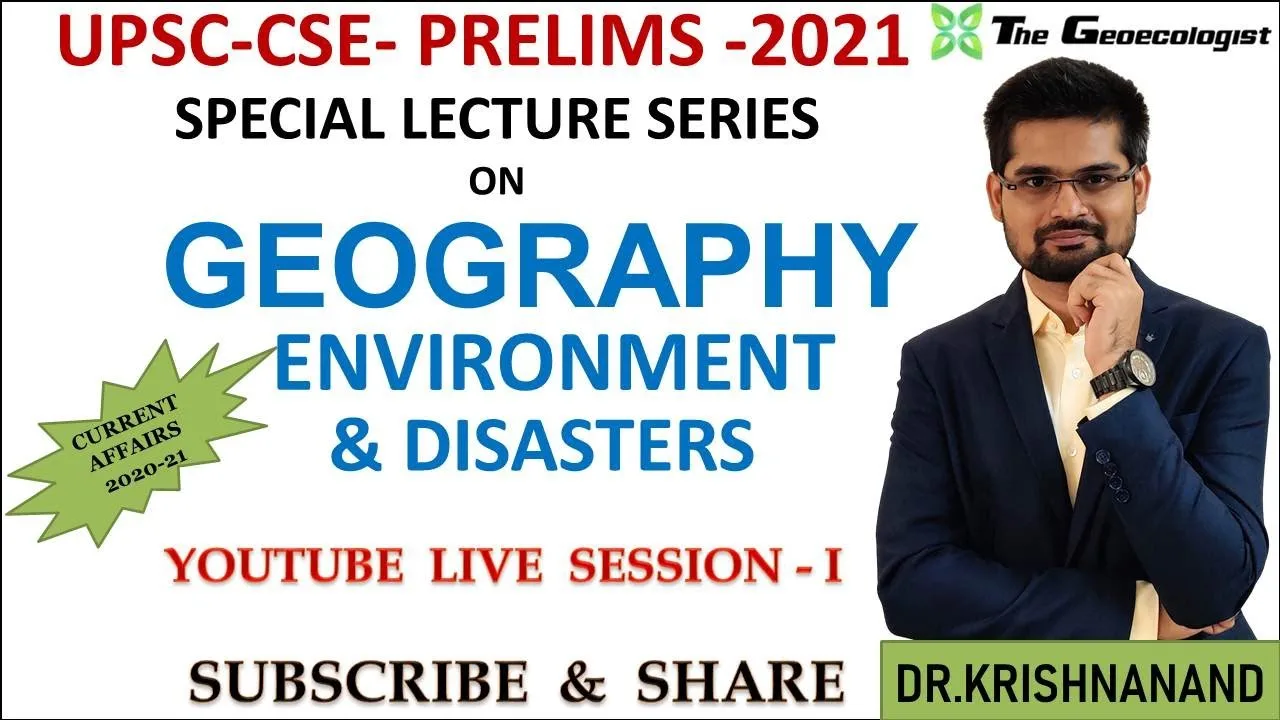
Table of Contents
- UPSC Geography Current Affairs: An Overview
- Why This Lecture Matters for UPSC Geography Current Affairs
- Structure of the Lecture Series
- Key Topics Covered in Detail
- How to Make the Most of This Resource
- Study Tips Specific to UPSC Geography Current Affairs
- External Resources and Further Reading
- Frequently Asked Questions
- Q1. How can I access the lecture recordings and study material?
- Q2. Is prior knowledge of geography required to understand the session?
- Q3. How often are new sessions added to the series?
- Conclusion
UPSC Geography Current Affairs: An Overview
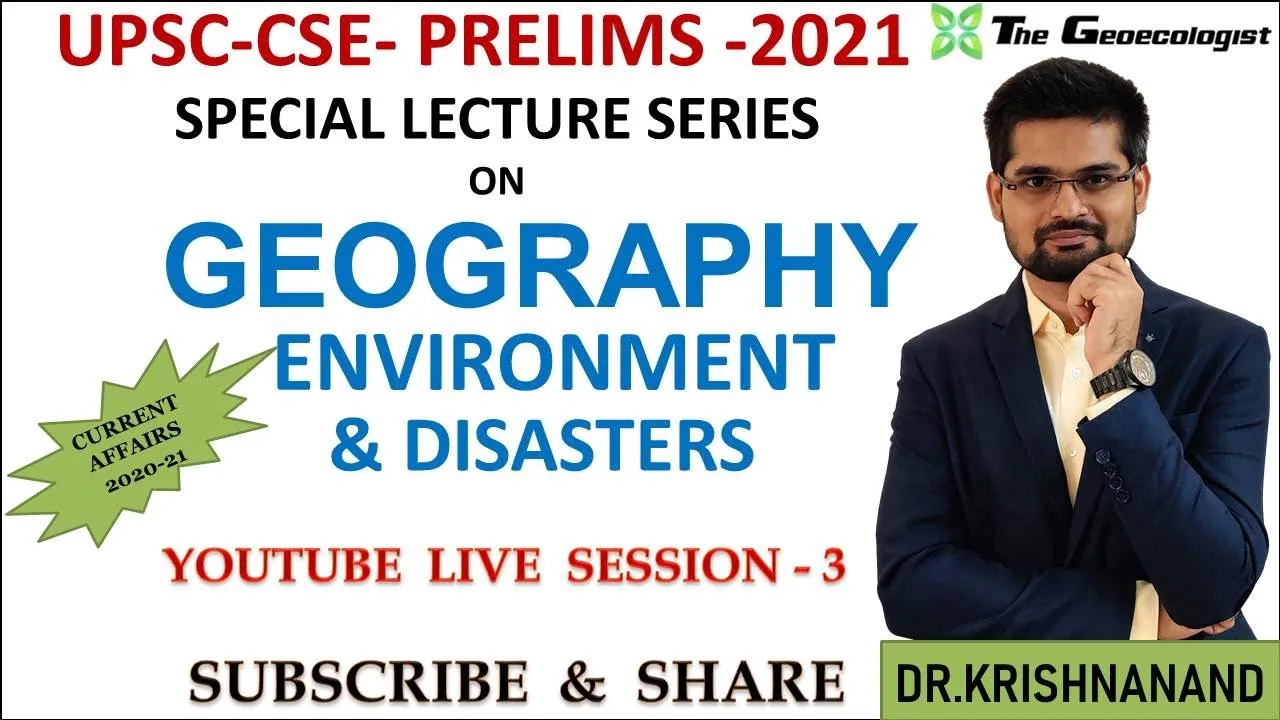
The UPSC Geography Current Affairs Session 1 lecture by Dr. Krishnanand is a cornerstone for any candidate preparing for the UPSC CSE Prelims 2021. This session distills the latest geographical developments, environmental challenges, and disaster management insights that are frequently tested in the exam. By integrating current affairs with the optional syllabus, Dr. Krishnanand ensures that aspirants can connect dynamic real‑world events with static textbook concepts, thereby strengthening retention and analytical ability. In this article we will explore the structure of the lecture, highlight the key themes, and provide practical tips for leveraging this resource in your UPSC Geography Current Affairs preparation. The lecture is part of a SPECIAL LECTURE SERIES FOR PRELIMS 2021 and is designed to give a comprehensive coverage of the topics that appear in the UPSC CSE Geography optional.
- Key Takeaways
- Focus on the latest climate events and their impact on Indian geography.
- Understand disaster management strategies discussed in the session.
- Learn how to link current affairs with the UPSC Geography syllabus.
- Access downloadable study material from the official website.
- Get personalized guidance from Dr. Krishnanand through Q&A sessions.
Why This Lecture Matters for UPSC Geography Current Affairs
When aspirants think about the UPSC Geography Current Affairs segment, they often imagine a blend of physical and human geography updated with recent events. Dr. Krishnanand’s Session 1 tackles this blend head‑on, covering topics such as the changing monsoon patterns, the melting of Himalayan glaciers, urban heat islands, and the role of satellite imagery in monitoring environmental changes. The lecture also touches upon the geopolitical implications of water resources, the impact of climate change on agriculture, and the latest policies related to forest conservation. All of these are frequently asked in the UPSC CSE Prelims, making the lecture an indispensable tool for anyone serious about cracking the exam.
Moreover, the lecture emphasizes the importance of UPSC Geography Current Affairs in building a holistic understanding of the subject. By the end of Session 1, students will be able to correlate data from recent news reports with textbook definitions, a skill that is repeatedly rewarded in the answer‑writing sections of both Prelims and Mains. The focus on current events also helps candidates to stay updated beyond the classroom, fostering a habit of continuous learning that is essential for long‑term success in civil services.
Structure of the Lecture Series
The SPECIAL LECTURE SERIES FOR PRELIMS 2021 is organized into multiple sessions, each dedicated to a specific sub‑theme within the broader UPSC Geography Current Affairs domain. Session 1 lays the foundation with an introduction to the concept of current affairs in geography, followed by an in‑depth analysis of climate variability, extreme weather events, and their socio‑economic ramifications. The lecture is divided into the following segments:
- Introduction to Current Affairs in Geography – setting the stage for linking news with the syllabus.
- Climate Change and Monsoon Dynamics – recent research findings and their relevance to the Indian subcontinent.
- Glacial Melt and Himalayan Glaciers – impacts on river systems and flood forecasting.
- Urbanization and Heat Islands – case studies from metropolitan cities.
- Disaster Management – recent cyclones, earthquakes, and mitigation strategies.
Each segment is supported by downloadable PDFs, video recordings, and interactive quizzes. The materials are hosted on thegeoecologist.com, where aspirants can also find supplementary notes, previous year question papers, and a community forum for discussion.
Key Topics Covered in Detail
During the lecture, Dr. Krishnanand elaborates on several crucial topics that are frequently tested in the UPSC Geography Current Affairs context. He begins with the latest UPSC geography current affairs data on the Southwest monsoon, highlighting anomalous rainfall patterns in 2021 and their implications for crop cycles. He then transitions to the melting of the Himalayan glaciers, using satellite data from the ISRO to illustrate the rate of retreat and its downstream effects.
The discussion on urban heat islands includes a comparative analysis of Delhi, Mumbai, and Bengaluru, with emphasis on the urban heat island effect and its influence on local climate. Dr. Krishnanand also covers recent disaster management initiatives, such as the National Disaster Response Force (NDRF) interventions during the 2021 cyclone in the Bay of Bengal, and the role of early warning systems in reducing casualties. These topics are interwoven with the theoretical framework of physical geography, ensuring that students not only memorize facts but also understand the underlying mechanisms.
One of the standout features of this lecture is the way it links each current event to the UPSC CSE syllabus. For instance, the lecture connects the recent floods in Kerala with the concepts of river morphology and flood plain dynamics, providing students with ready‑made examples for essay writing. This approach reinforces the idea that UPSC Geography Current Affairs is not a separate entity but an integral part of the optional curriculum.
How to Make the Most of This Resource
To truly benefit from the UPSC Geography Current Affairs Session 1, aspirants should adopt a structured study plan. First, create a notebook dedicated solely to current affairs. As you watch each lecture, jot down the key points, dates, and data presented. Second, supplement the lecture with the recommended reading list available on the thegeoecologist.com platform. Third, regularly revise the notes and cross‑reference them with the NCERT textbooks and other standard references.
Practicing previous year question papers is also crucial. The UPSC CSE Prelims often ask direct questions based on recent events, and the lecture helps you recall the precise details needed for accurate answers. Additionally, joining the online community forum on the website can provide peer support and clarify doubts through direct interaction with Dr. Krishnanand and fellow aspirants.
Finally, remember that consistency is the key. Set aside at least one hour each day to review the current affairs material, and gradually expand your knowledge base. Over time, you will notice a marked improvement in your ability to answer complex questions that require both theoretical understanding and up‑to‑date information.
Study Tips Specific to UPSC Geography Current Affairs
- Maintain a dynamic timeline of events – use a spreadsheet to track dates, locations, and impacts.
- Link each event to a specific geography concept (e.g., monsoon anomalies → atmospheric circulation).
- Use maps and diagrams to visualize changes; the lecture provides high‑resolution satellite images.
- Participate in mock tests that focus on current affairs; many of these are available on the website.
- Review the lecture notes weekly and update them with new information from reliable news sources.
External Resources and Further Reading
While the lecture by Dr. Krishnanand is comprehensive, supplementing it with additional authoritative sources can enhance your preparation. The following external links provide valuable context and data:
- Explore the UPSC official page for exam patterns and syllabus details.
- Refer to the Geography Wikipedia article for foundational concepts that are frequently tested.
- Visit the thegeoecologist.com shop for downloadable e‑books and study material.
These resources, combined with the lecture series, create a robust learning ecosystem that caters to both beginners and advanced aspirants. By cross‑referencing information, you can verify facts and develop a deeper understanding of the subject.
Frequently Asked Questions
Below are some common queries that aspirants have regarding the UPSC Geography Current Affairs Session 1 and Dr. Krishnanand’s teaching approach.
Q1. How can I access the lecture recordings and study material?
A1. All lecture recordings, downloadable PDFs, and supplementary notes are available on the official website thegeoecologist.com. Simply register on the portal, navigate to the “Lectures” section, and select Session 1. The materials are free for registered users.
Q2. Is prior knowledge of geography required to understand the session?
A2. While a basic understanding of physical and human geography is helpful, Dr. Krishnanand’s explanations are designed to be accessible to all levels of preparation. The lecture starts with foundational concepts and gradually builds up to advanced current affairs topics.
Q3. How often are new sessions added to the series?
A3. The SPECIAL LECTURE SERIES FOR PRELIMS 2021 is updated regularly to cover emerging current affairs. New sessions are released every few weeks, focusing on different thematic areas within the UPSC Geography Current Affairs syllabus.
Conclusion
In conclusion, the UPSC Geography Current Affairs Session 1 delivered by Dr. Krishnanand stands out as an essential resource for any UPSC CSE aspirant targeting the 2021 Prelims. By merging the latest news with the optional syllabus, the lecture equips students with the analytical tools needed to excel in both objective and descriptive questions. The structured approach, comprehensive notes, and interactive community on thegeoecologist.com ensure that learners have everything at their fingertips. Make use of the external links provided, stay consistent in your study routine, and you will be well on your way to mastering the geography current affairs segment of the UPSC examination.
Frequently Asked Questions
A1. All lecture recordings, downloadable PDFs, and supplementary notes are available on the official website thegeoecologist.com. Simply register on the portal, navigate to the "Lectures" section, and select Session 1. The materials are free for registered users.
A2. While a basic understanding of physical and human geography is helpful, Dr. Krishnanand’s explanations are designed to be accessible to all levels of preparation. The lecture starts with foundational concepts and gradually builds up to advanced current affairs topics.
A3. The SPECIAL LECTURE SERIES FOR PRELIMS 2021 is updated regularly to cover emerging current affairs. New sessions are released every few weeks, focusing on different thematic areas within the UPSC Geography Current Affairs syllabus.