Blog
water shortage cities: Why Urban Lakes Matter for India’s Future

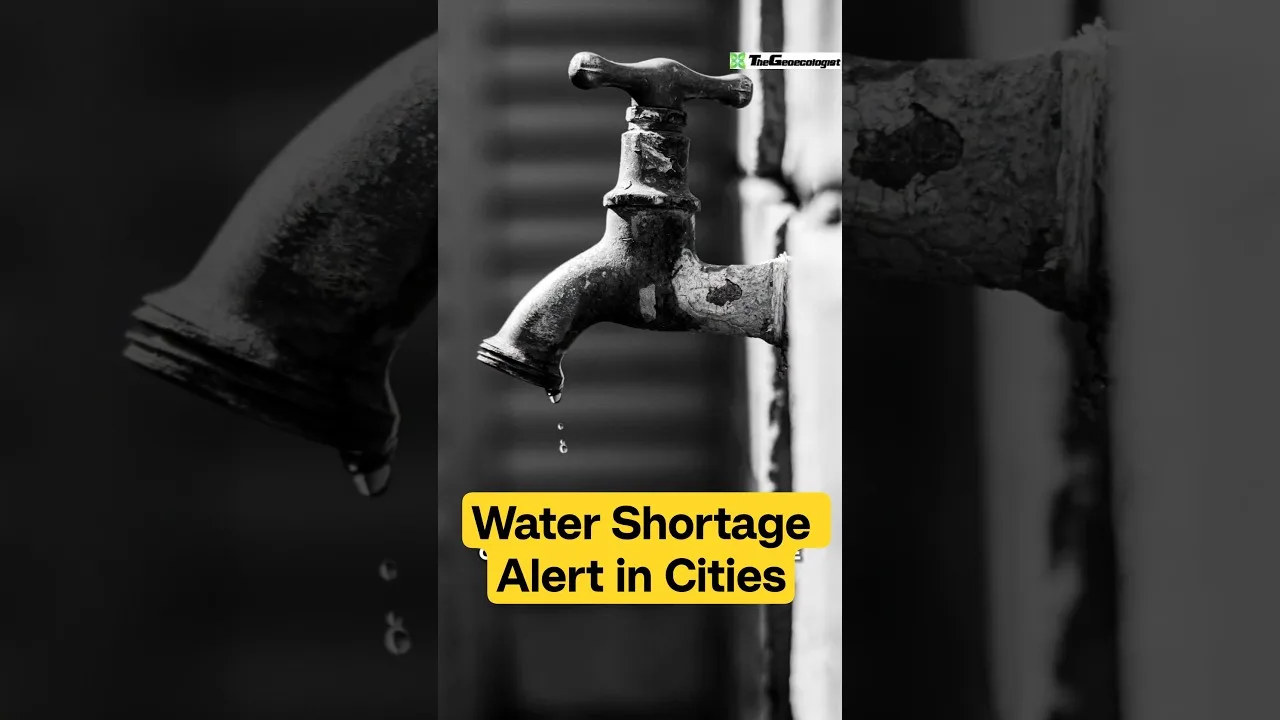
Table of Contents
- Water Shortage Cities and the Hidden Cost of Lost Lakes
- Why Are Lakes Vanishing in Water Shortage Cities?
- The Environmental Toll of Losing Urban Lakes
- Economic Implications for Water Shortage Cities
- Restoring Lakes: A Path Toward Secure Water Shortage Cities
- 1. Legal Protection and Community Governance
- 2. Restoring Degraded Water Bodies
- 3. Green Infrastructure Integration
- 4. Public Awareness and Education
- Case Studies: Cities That Turned the Tide
- Hyderabad’s Lake Revival
- Chennai’s Rainwater Harvesting Mandate
- Delhi’s Wetland Corridor
- Policy Recommendations for Water Shortage Cities
- Conclusion: Securing the Future by Protecting the Past
- Frequently Asked Questions
- Q1: How does the loss of lakes directly impact water shortage cities?
- Q2: What are some successful lake restoration projects in water shortage cities?
- Q3: How can ordinary citizens help water shortage cities protect their lakes?
Water shortage cities are now confronting a perfect storm of climate change, rapid urbanization, and unchecked real‑estate development. In the past decade, cities across India have seen groundwater levels plunge by up to 30 % according to a Central Groundwater Board report, while urban flooding has become a seasonal nightmare. This article explores why the loss of urban lakes—once the lifeblood of metropolitan areas—has accelerated the water crisis and what can be done to reverse the trend.
- Urban lakes historically stored rainwater, recharged aquifers, mitigated floods, and supported biodiversity.
- Encroachment, pollution, and construction have stripped many Indian cities of their natural water bodies.
- The disappearance of lakes directly worsens water shortage cities by reducing water storage and increasing flood risk.
- Protecting existing lakes is more cost‑effective than building new concrete reservoirs.
- Community participation, stricter enforcement, and integrated urban planning can restore lost water security in water shortage cities.
Water Shortage Cities and the Hidden Cost of Lost Lakes
The phrase “water shortage cities” has become a stark reality for millions of Indians. When a city loses its natural lakes, the immediate impact is a reduction in surface water storage capacity. Lakes act as natural sponges, capturing monsoon runoff that would otherwise run off into drains, causing flash floods. In water shortage cities, this sponge function is critical, especially as climate change intensifies rainfall variability.
Consider the case of Bengaluru, once nicknamed the “Garden City” for its abundant water bodies. Satellite imagery from the 1990s showed over 200 lakes within the municipal limits. By 2023, fewer than 50 remain, many converted into residential layouts or parking lots. The loss of these lakes has contributed to a 25 % drop in groundwater recharge, according to a study published in the *Journal of Hydrology* (ScienceDirect link). The result? Water shortage cities now rely on distant reservoirs, driving up treatment costs and energy consumption.
Why Are Lakes Vanishing in Water Shortage Cities?
Several interlinked factors drive the disappearance of lakes in water shortage cities:
- Illegal Encroachment: Real‑estate developers often bribe local officials to obtain land‑use permits that convert lake beds into commercial or residential complexes. The practice is documented in the *Economic Times* report titled “Lake Land Grabs in Indian Metros” (Economic Times link).
- Pollution and Silting: Industrial discharge and untreated sewage introduce nutrients that cause algal blooms. When algae die, they sink, increasing silt depth and reducing water-holding capacity. This process is especially acute in water shortage cities where waste management infrastructure is already strained.
- Urban Planning Neglect: Many municipal master plans treat lakes as “recreational spots” rather than essential water infrastructure. As a result, maintenance budgets are cut, and lakes become breeding grounds for mosquitoes and dumping sites.
- Climate Variability: Climate change has altered monsoon patterns, leading to longer dry spells. In water shortage cities, reduced rainfall means lakes receive less natural replenishment, accelerating their depletion.
These drivers create a feedback loop: fewer lakes mean less water storage, which intensifies water shortage cities, prompting more concrete solutions that further degrade natural hydrology.
The Environmental Toll of Losing Urban Lakes
When water shortage cities lose their lakes, the ecological consequences ripple far beyond the water table. Lakes are biodiversity hotspots, hosting migratory birds, fish, amphibians, and a variety of aquatic plants. The Ramsar Convention on Wetlands highlights that each hectare of lake can support over 1,000 species. In Delhi, for example, the disappearance of the Yamuna River’s floodplain lakes has led to a 40 % decline in wintering bird populations recorded by the Bombay Natural History Society.
Moreover, lakes provide crucial climate regulation. Their evaporative cooling effect can lower surrounding temperatures by up to 2–3 °C, a benefit that water shortage cities desperately need to combat the urban heat island effect. A study in *Nature Climate Change* linked the loss of urban water bodies to temperature spikes of up to 5 °C in Indian metros during summer months.
Finally, the cultural and social fabric of water shortage cities suffers. Lakes have historically been gathering points for festivals, community markets, and informal livelihoods such as fishing and boat‑riding. When these spaces vanish, the cultural identity of the city erodes.
Economic Implications for Water Shortage Cities
The economic cost of lake loss is substantial. The World Bank estimates that every hectare of lake lost in an urban area can increase water supply costs by $150,000 over a decade due to the need for alternative sources and treatment. In water shortage cities, this translates into higher tariffs for households and industries, reduced productivity, and increased health expenses linked to water‑borne diseases.
Additionally, the loss of ecosystem services such as flood attenuation leads to greater infrastructure damage. In Chennai, the 2015 floods caused an estimated $2.5 billion in damages, partially attributed to the reduction of natural drainage provided by lakes and wetlands. The city’s subsequent investment in concrete drainage systems underscores the short‑sighted approach of ignoring natural water bodies.
Restoring Lakes: A Path Toward Secure Water Shortage Cities
Reversing the tide in water shortage cities is possible, but it requires a multi‑layered strategy that blends policy, technology, and community action.
1. Legal Protection and Community Governance
Many states have enacted legislation to protect wetlands and lakes, yet enforcement remains weak. The Supreme Court of India, in its 2018 judgment on the Ganga river, emphasized the need for integrated river basin management, a principle that can be extended to urban lakes. Water shortage cities can adopt the “Lake Authority” model, where a semi‑autonomous body manages lake ecosystems, involving local residents in monitoring and decision‑making.
2. Restoring Degraded Water Bodies
Restoration projects have shown promising results. The “Wetland Restoration Initiative” in Hyderabad revived over 30 lakes by de‑siltation, constructing bunds, and planting native vegetation. The revived lakes now contribute 15 % of the city’s drinking water supply, directly addressing water shortage cities’ supply gaps.
Technologies such as floating treatment wetlands, solar‑powered aeration systems, and real‑time water quality sensors can accelerate recovery while minimizing operational costs.
3. Green Infrastructure Integration
Urban planners should incorporate lakes into green infrastructure networks. permeable pavements, bioswales, and rain gardens can direct stormwater to lake basins, enhancing recharge while reducing runoff. In water shortage cities, integrating these features into new development projects ensures that growth does not further deplete water resources.
4. Public Awareness and Education
Community engagement is essential. Schools and NGOs can run programs that teach students about the role of lakes in maintaining water balance. Documentaries and social media campaigns—similar to the viral YouTube short “Water Shortage Alert in Cities #climatechange #climatecrisis #watercrisis #shorts”—can raise awareness and mobilize citizen‑science initiatives.
Case Studies: Cities That Turned the Tide
Several water shortage cities have successfully reversed lake degradation, providing blueprints for others.
Hyderabad’s Lake Revival
Hyderabad’s transformation began with the formation of the Hyderabad Lake Conservation and Management Authority (HLCMA) in 2003. By 2022, the authority had restored 35 lakes, increasing water storage capacity by 120 million cubic meters. The city’s per‑capita water availability rose from 70 liters to 95 liters, demonstrating a tangible improvement in water shortage cities.
Chennai’s Rainwater Harvesting Mandate
After the devastating 2015 floods, Chennai introduced a mandatory rainwater harvesting system for all new constructions. This policy, combined with the restoration of the Chembarambakkam and Periyar lakes, increased groundwater levels by 15 % within five years, easing pressures on water shortage cities.
Delhi’s Wetland Corridor
Delhi’s “Wetland Corridor” project aims to connect fragmented water bodies, creating a network that supports biodiversity and flood control. Preliminary studies indicate a 20 % reduction in flood risk for downstream neighborhoods, a critical benefit for water shortage cities grappling with monsoon intensity.
Policy Recommendations for Water Shortage Cities
Governments and municipal bodies must adopt a proactive stance to safeguard urban lakes. Key recommendations include:
- Amending urban development codes to prohibit construction on lake beds and buffer zones.
- Allocating dedicated funding streams for lake restoration and maintenance, possibly through a surcharge on new water connections.
- Implementing real‑time monitoring systems to detect illegal encroachments and pollution sources.
- Encouraging public‑private partnerships for technology deployment, such as AI‑driven water quality analytics.
- Integrating lake health indicators into city performance dashboards, ensuring accountability.
By embedding these measures, water shortage cities can transition from reactive crisis management to proactive water security.
Conclusion: Securing the Future by Protecting the Past
Water shortage cities are not destined to remain trapped in a cycle of concrete and scarcity. The loss of urban lakes is a warning sign, but it also presents an opportunity. By restoring natural water bodies, cities can recharge aquifers, mitigate floods, cool urban microclimates, and preserve biodiversity—all essential components of sustainable water security.
The phrase “water shortage cities” must evolve from a descriptor of crisis to a call for action. Communities, policymakers, and developers alike share the responsibility to protect these vital ecosystems. As the YouTube short “Where Have Our City Lakes Gone?” reminds us, the answer lies not in building higher walls, but in safeguarding the water that already sustains us.
Investing in lake conservation is investing in the future of our metropolitan areas. It is an investment that yields dividends in terms of water reliability, climate resilience, and cultural richness. Let us act now, before the last lake disappears, to ensure that water shortage cities become models of water‑wise living for generations to come.
Frequently Asked Questions
Q1: How does the loss of lakes directly impact water shortage cities?
A1: Lakes store rainwater, recharge groundwater, and reduce flood peaks. Their loss diminishes these services, leading to lower water availability, higher flood risk, and increased water treatment costs in water shortage cities.
Q2: What are some successful lake restoration projects in water shortage cities?
A2: Hyderabad’s Lake Revival Initiative, Chennai’s rainwater harvesting mandate linked to Chembarambakkam lake, and Delhi’s Wetland Corridor project have all shown measurable improvements in water availability and flood mitigation for water shortage cities.
Q3: How can ordinary citizens help water shortage cities protect their lakes?
A3: Citizens can report illegal encroachments, participate in clean‑up drives, support community‑led monitoring, and advocate for stronger lake protection policies in their local municipalities, directly contributing to the resilience of water shortage cities.
Learn more about lakes on Wikipedia.
Read the latest news on urban lake loss in Delhi.
Frequently Asked Questions
Lakes store rainwater, recharge groundwater, and reduce flood peaks. Their loss diminishes these services, leading to lower water availability, higher flood risk, and increased water treatment costs in water shortage cities.
Hyderabad’s Lake Revival Initiative, Chennai’s rainwater harvesting mandate linked to Chembarambakkam lake, and Delhi’s Wetland Corridor project have all shown measurable improvements in water availability and flood mitigation for water shortage cities.
Citizens can report illegal encroachments, participate in clean‑up drives, support community‑led monitoring, and advocate for stronger lake protection policies in their local municipalities, directly contributing to the resilience of water shortage cities.