Blog
Drying Rivers: Why Climate Change Is Accelerating Water Loss

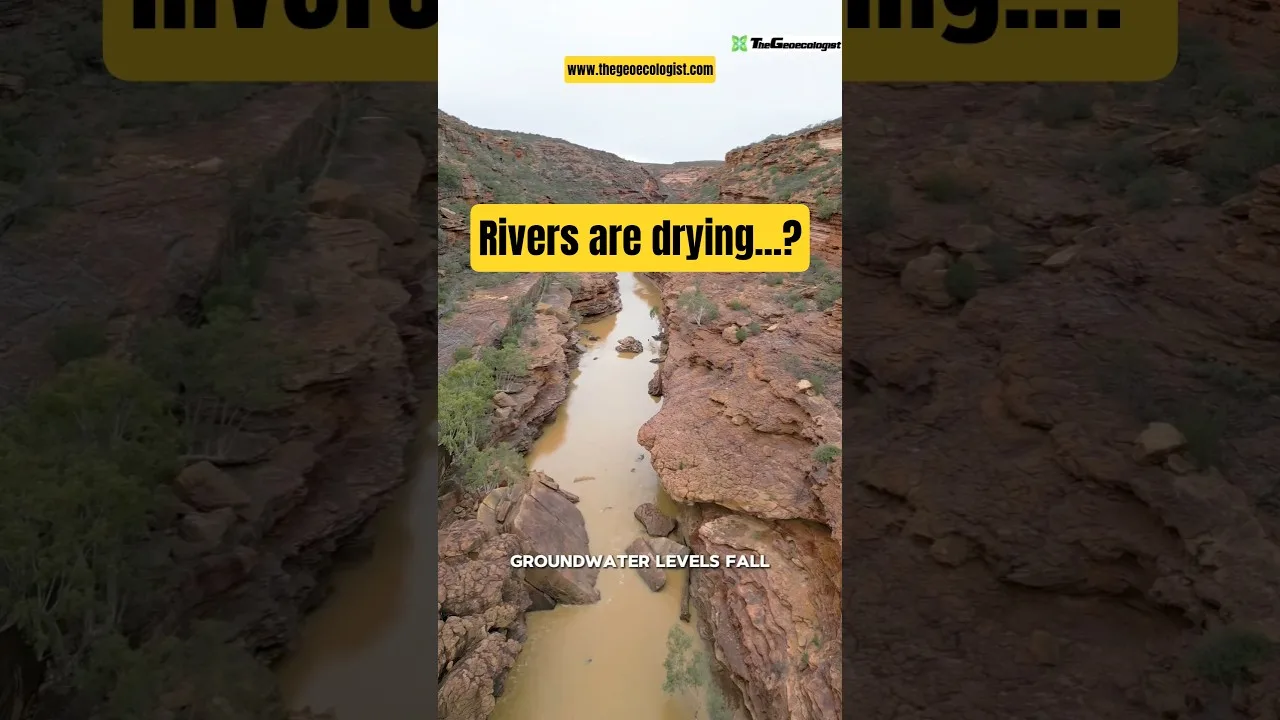
Table of Contents
- Why Drying Rivers Threaten Ecosystems and Communities
- Climate Change and Heatwaves
- Glacier Retreat and Snowpack Decline
- Groundwater Over‑Extraction
- Deforestation and Land‑Use Change
- Dams, Diversions, and Flow Regulation
- Pollution and Water Quality Degradation
- Global Case Studies of Drying Rivers
- The Colorado River Basin
- The Murray‑Darling Basin, Australia
- The Yellow River, China
- Impacts on Biodiversity and Ecosystem Services
- Socioeconomic Consequences
- Adaptation and Mitigation Strategies
- Integrated Water Resources Management (IWRM)
- Nature‑Based Solutions
- Demand Management and Efficiency
- Policy and Governance Reforms
- Technological Innovations
- Future Outlook
- Key Takeaways
- Frequently Asked Questions
- What causes drying rivers?
- How does climate change accelerate river drying?
- Can drying rivers be reversed?
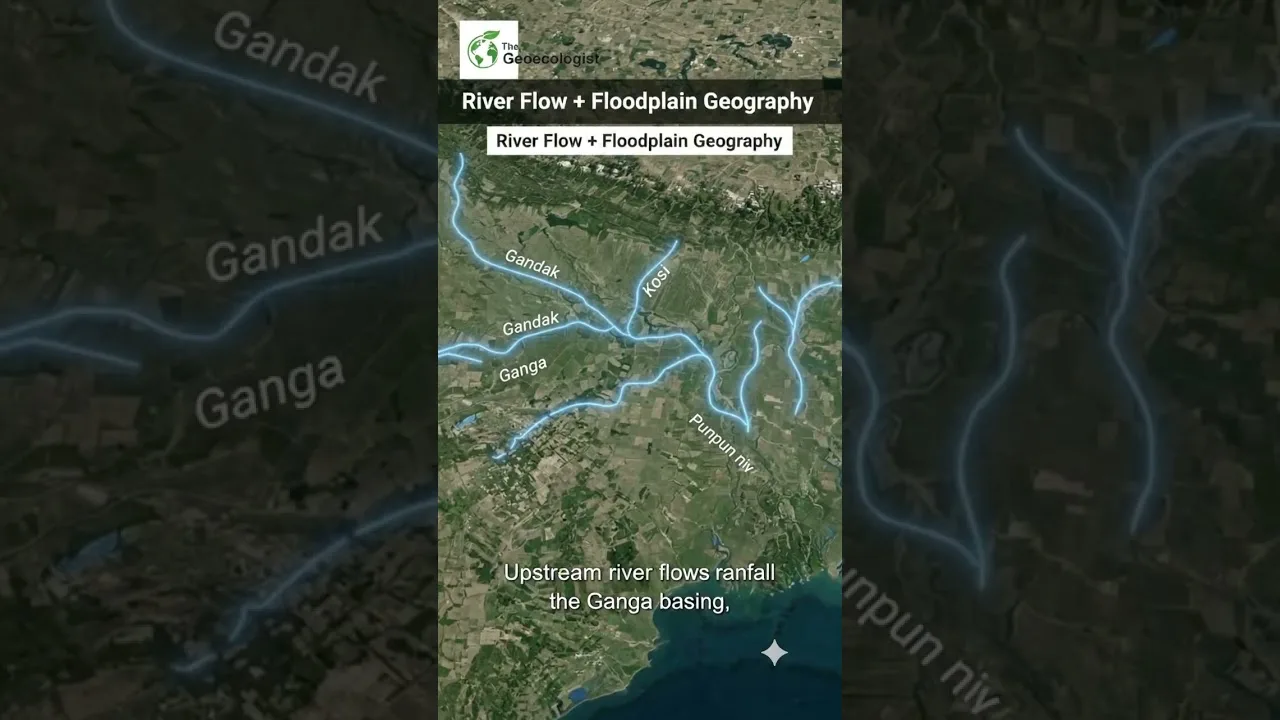
Drying rivers are becoming a defining symptom of the 21st‑century climate emergency, as rising temperatures, shifting precipitation patterns, and unsustainable water withdrawals combine to shrink freshwater arteries across every continent. From the mighty Ganges to seasonal streams in the Sahel, the loss of flowing water threatens agriculture, drinking supplies, biodiversity, and the cultural heritage of millions who depend on these lifelines. Understanding the drivers, impacts, and solutions for drying rivers is essential for policymakers, scientists, and communities alike.
- Climate change intensifies heatwaves, reducing snowpack and glacier melt that feed major river systems.
- Groundwater over‑extraction lowers baseflow, causing rivers to run dry during dry seasons.
- Deforestation and land‑use change diminish watershed capacity to retain and release water.
- Dams and diversions fragment flow regimes, altering sediment transport and ecosystem health.
- Pollution further degrades water quality, compounding scarcity challenges.
Why Drying Rivers Threaten Ecosystems and Communities
The phenomenon of drying rivers is not merely a visual spectacle; drying rivers triggers cascading ecological and socioeconomic consequences. Aquatic habitats shrink, leading to loss of fish spawning grounds and reduced biodiversity. Wetlands that act as natural water filters and carbon sinks desiccate, releasing stored greenhouse gases. Human communities face heightened water insecurity, reduced irrigation for crops, and increased conflict over dwindling resources. The World Bank estimates that by 2050, up to 5 billion people could experience severe water stress if current trends continue.
Climate Change and Heatwaves
Rising global temperatures amplify the frequency and intensity of heatwaves, directly accelerating evaporation rates from river surfaces and soils. The Intergovernmental Panel on Climate Change (IPCC) reports that each 1 °C of warming can increase atmospheric moisture demand by roughly 7 %, hastening the drying of rivers in already arid regions. In 2023, Europe’s historic heatwave caused the Rhine and Danube to reach record low levels, disrupting shipping and power plant cooling.
Glacier Retreat and Snowpack Decline
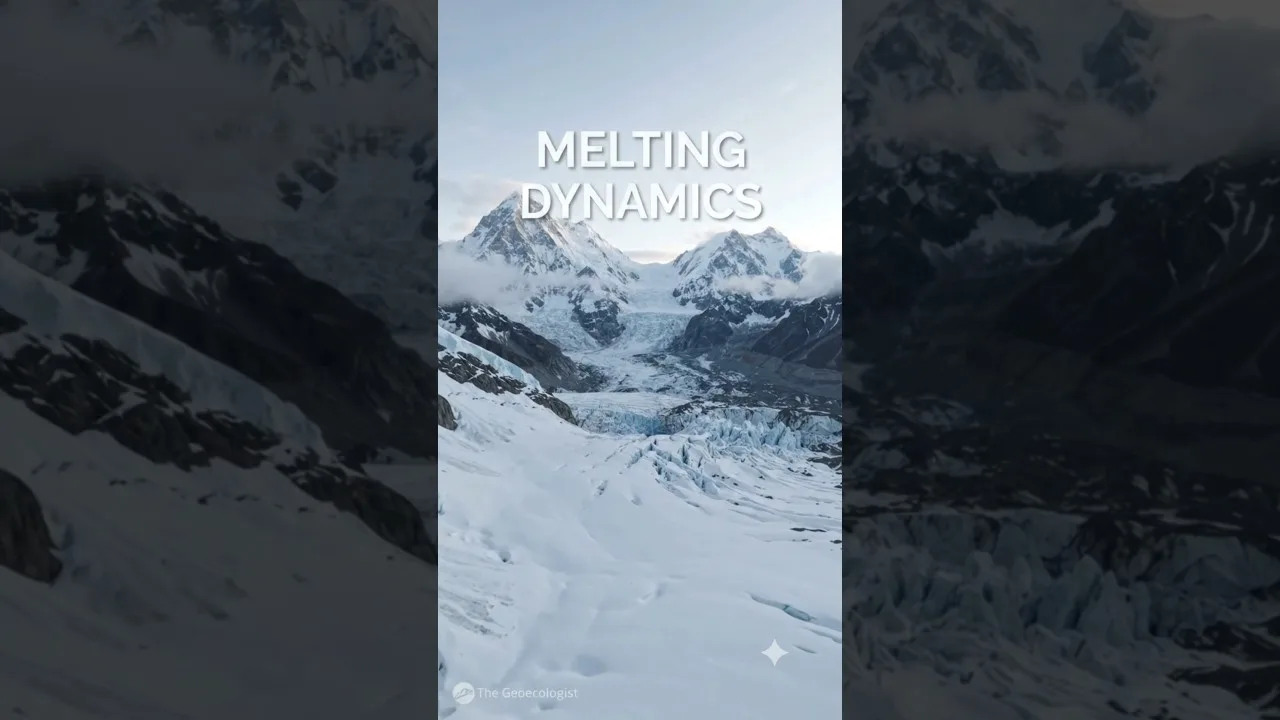
Mountain glaciers act as natural reservoirs, releasing meltwater gradually throughout the summer. Accelerated glacier retreat in the Himalayas, Andes, and Alps reduces this seasonal contribution, leaving downstream rivers such as the Indus, Brahmaputra, and Colorado increasingly vulnerable. A 2022 study in climate change literature documented a 30 % decline in Himalayan glacier mass since 1975, directly correlating with reduced flow in the Ganges basin.
Groundwater Over‑Extraction
Agricultural irrigation accounts for roughly 70 % of global freshwater withdrawals. In many basins, pumped groundwater exceeds natural recharge, lowering the water table and cutting off the baseflow that sustains rivers during dry periods. The Ogallala Aquifer in the United States and the North China Plain exemplify regions where unsustainable pumping has turned perennial streams into intermittent channels.
Deforestation and Land‑Use Change
Forests regulate the hydrological cycle by intercepting rainfall, enhancing infiltration, and reducing surface runoff. Large‑scale deforestation in the Amazon, Congo Basin, and Southeast Asia diminishes these services, leading to faster runoff, reduced groundwater recharge, and ultimately drying rivers. Research published in water scarcity journals shows that catchments losing >30 % forest cover experience a 15‑25 % decline in dry‑season streamflow.
Dams, Diversions, and Flow Regulation
While dams provide hydropower and water storage, they also fragment river continuity, alter sediment dynamics, and often prioritize upstream storage over downstream ecological needs. The Mekong River’s cascade of dams has reduced sediment delivery to the delta by an estimated 70 %, exacerbating subsidence and saltwater intrusion. Managed flow releases that mimic natural hydrographs can mitigate some impacts, but implementation remains limited.
Pollution and Water Quality Degradation
Industrial effluents, agricultural runoff, and untreated sewage introduce nutrients, heavy metals, and pathogens into river systems. Eutrophication from excess nitrogen and phosphorus fuels algal blooms that deplete oxygen, creating dead zones where aquatic life cannot survive. Polluted water further limits usable supply, compounding the physical scarcity caused by drying rivers.
Global Case Studies of Drying Rivers
The Colorado River Basin
The Colorado River, serving 40 million people across seven U.S. states and Mexico, has seen its flow decline by ~20 % since 2000. Prolonged drought, climate‑driven aridification, and overallocation have forced mandatory water cuts. The 2022 “Tier 1” shortage declaration marked the first time the federal government mandated reductions for lower‑basin users.
The Murray‑Darling Basin, Australia
Australia’s largest river system has experienced recurring “millennium drought” conditions, with river reaches drying completely in 2019‑2020. Over‑extraction for irrigation, coupled with climate variability, has led to massive fish kills and loss of wetland habitats. The Basin Plan aims to recover 2,750 GL of water for the environment, but progress remains contentious.
The Yellow River, China
Known as “China’s Sorrow,” the Yellow River has historically suffered from sediment overload and frequent course changes. In recent decades, massive water diversions for agriculture and industry have caused the river to run dry before reaching the sea for over 200 days per year in the 1990s. Recent policy shifts toward ecological flow allocations have modestly improved conditions.
Impacts on Biodiversity and Ecosystem Services
Freshwater ecosystems host disproportionately high biodiversity relative to their area. Drying rivers lead to habitat loss for endemic fish, amphibians, and invertebrates. The International Union for Conservation of Nature (IUCN) lists over 30 % of freshwater fish species as threatened, many due to habitat desiccation. Loss of riverine wetlands also reduces flood regulation, water purification, and carbon sequestration services valued at trillions of dollars annually.
Socioeconomic Consequences
Water insecurity undermines food production, energy generation, and public health. Irrigated agriculture, which produces 40 % of global food calories, is highly sensitive to river flow reductions. Hydropower, supplying ~16 % of global electricity, faces output losses when reservoir levels drop. Urban centers reliant on river water for drinking and sanitation confront rising treatment costs and supply interruptions, disproportionately affecting low‑income populations.
Adaptation and Mitigation Strategies
Integrated Water Resources Management (IWRM)
IWRM promotes coordinated development and management of water, land, and related resources to maximize economic and social welfare without compromising ecosystem sustainability. Implementing basin‑scale allocation frameworks, environmental flow requirements, and stakeholder participation can balance competing demands.
Nature‑Based Solutions
Restoring floodplains, re‑forestation of riparian zones, and reconnecting wetlands enhance natural water storage and improve baseflow. Projects like the “Room for the River” program in the Netherlands demonstrate how giving rivers space reduces flood risk while supporting biodiversity.
Demand Management and Efficiency
Improving irrigation efficiency through drip systems, deficit irrigation, and crop switching can cut agricultural water use by 20‑30 %. Urban water conservation measures—leak detection, water‑saving fixtures, and tiered pricing—reduce per‑capita demand.
Policy and Governance Reforms
Strengthening transboundary water agreements, enforcing abstraction licenses, and incorporating climate projections into water planning are critical. The UN Water Convention and the Sustainable Development Goal 6 (Clean Water and Sanitation) provide global frameworks for action.
Technological Innovations
Remote sensing, satellite gravimetry (GRACE), and AI‑driven hydrological modeling enable real‑time monitoring of river flows, groundwater levels, and snowpack. Early warning systems can trigger adaptive management before crises escalate.
Future Outlook
Projections under high‑emission scenarios (RCP8.5) suggest that by 2100, up to 60 % of the world’s major rivers could experience significant flow reductions during at least one month per year. However, aggressive mitigation limiting warming to 1.5 °C, combined with robust adaptation, could halve the number of people exposed to severe water stress. The trajectory of drying rivers will ultimately depend on the speed and scale of global climate action and local water stewardship.
Key Takeaways
- Drying rivers are a global crisis driven by climate change, heatwaves, glacier loss, groundwater overuse, deforestation, dams, and pollution.
- Ecological impacts include biodiversity loss, wetland degradation, and reduced ecosystem services.
- Socioeconomic risks encompass food insecurity, energy shortfalls, and heightened conflict over water.
- Integrated management, nature‑based solutions, demand efficiency, policy reform, and technology are essential levers for resilience.
- Urgent, coordinated action at local, national, and transboundary levels can still avert the worst outcomes.
Frequently Asked Questions
What causes drying rivers?
Drying rivers result from a combination of climate‑driven heatwaves, reduced snow and glacier melt, excessive groundwater pumping, deforestation, dam operations, and pollution that degrades water quality.
How does climate change accelerate river drying?
Higher temperatures increase evaporation, alter precipitation patterns, and shrink glaciers and snowpack that feed rivers, leading to lower and more variable flows.
Can drying rivers be reversed?
While some damage is irreversible, implementing environmental flow requirements, restoring wetlands, improving water-use efficiency, and mitigating greenhouse gas emissions can restore many river systems to healthier states.
Frequently Asked Questions
Drying rivers result from a combination of climate‑driven heatwaves, reduced snow and glacier melt, excessive groundwater pumping, deforestation, dam operations, and pollution that degrades water quality.
Higher temperatures increase evaporation, alter precipitation patterns, and shrink glaciers and snowpack that feed rivers, leading to lower and more variable flows.
While some damage is irreversible, implementing environmental flow requirements, restoring wetlands, improving water-use efficiency, and mitigating greenhouse gas emissions can restore many river systems to healthier states.