Blog
global water balance: How Rivers Shape Climate and Life

Table of Contents
- What Is global water balance and Why Does It Matter?
- The Role of Rivers in Maintaining global water balance
- How Climate Change Alters global water balance
- Impacts of a Disrupted global water balance on Ecosystems
- Human Influence on global water balance
- Case Study: The Mekong River Basin
- Technologies and Policies for Monitoring global water balance
- Conclusion: The Future of global water balance
- Frequently Asked Questions
- What is global water balance?
- Why are rivers important for global water balance?
- How does climate change affect global water balance?
- What can individuals do to help maintain global water balance?
- Which organizations monitor global water balance?
global water balance is the planet’s essential mechanism that governs the distribution, storage, and movement of water across continents, oceans, and the atmosphere. It is the foundation of the hydrological cycle, dictating everything from rainfall patterns to the health of coastal ecosystems. Understanding global water balance is not just an academic exercise; it directly impacts agriculture, water security, and climate resilience for billions of people. In this comprehensive article, we will explore how rivers serve as the primary conduits of this balance, why they are indispensable for life, and what happens when the global water balance is disrupted by climate change and human activity.
- global water balance regulates climate, nutrient transport, and ecosystem health.
- Rivers connect mountains, forests, farms, and oceans, forming a continuous natural system.
- Disruptions to global water balance can cause droughts, floods, and loss of biodiversity.
- Human activities and climate change are altering the global water balance at an unprecedented rate.
- Monitoring and sustainable management are essential to preserve the global water balance for future generations.
What Is global water balance and Why Does It Matter?
The term global water balance refers to the equilibrium between water inputs (precipitation, river inflow, groundwater recharge) and outputs (evaporation, runoff, storage changes) on a planetary scale. This balance is maintained through the hydrological cycle, a continuous loop that transports water from the oceans to the atmosphere and back again. When the global water balance is stable, ecosystems receive predictable water supplies, climate patterns remain consistent, and human societies can plan for reliable water resources.
Disruptions to the global water balance can lead to severe consequences. For instance, an excess of runoff can cause flooding, while insufficient precipitation can trigger droughts. These extremes affect agricultural yields, drinking water availability, and even geopolitical stability. By studying the dynamics of the global water balance, scientists can better predict these events and develop strategies to mitigate their impacts.
The Role of Rivers in Maintaining global water balance
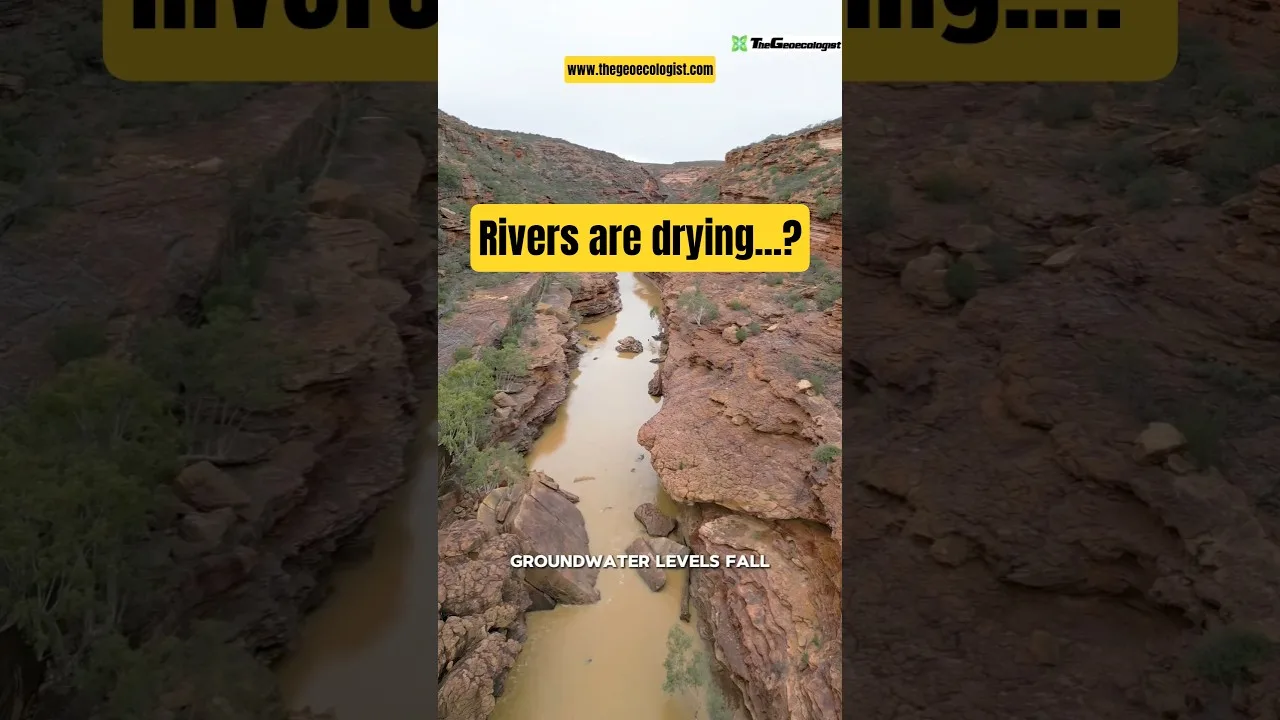
Rivers are the lifelines of the global water balance. They act as the primary conduits that transport freshwater, sediments, nutrients, and minerals from the land to the oceans. This process not only supports marine ecosystems but also regulates the chemical composition of seawater, influencing global climate patterns. Without rivers, the water cycle would break down, oceans would receive fewer nutrients, coastal ecosystems would suffer, and life on Earth would be drastically different.
Rivers do not waste water; they connect mountains, forests, farms, cities, and oceans into one continuous natural system. This connectivity ensures that water is reused and recycled, embodying the principle that nature never wastes—it only recycles. The efficiency of this system is a key component of the global water balance, making river health a critical indicator of planetary well-being.
How Climate Change Alters global water balance
Climate change is one of the most significant drivers of global water balance disruption. Rising temperatures increase evaporation rates, altering precipitation patterns and leading to more intense droughts in some regions and heavier rainfall events in others. These shifts affect river flow regimes, groundwater recharge, and the overall storage of water in various reservoirs.
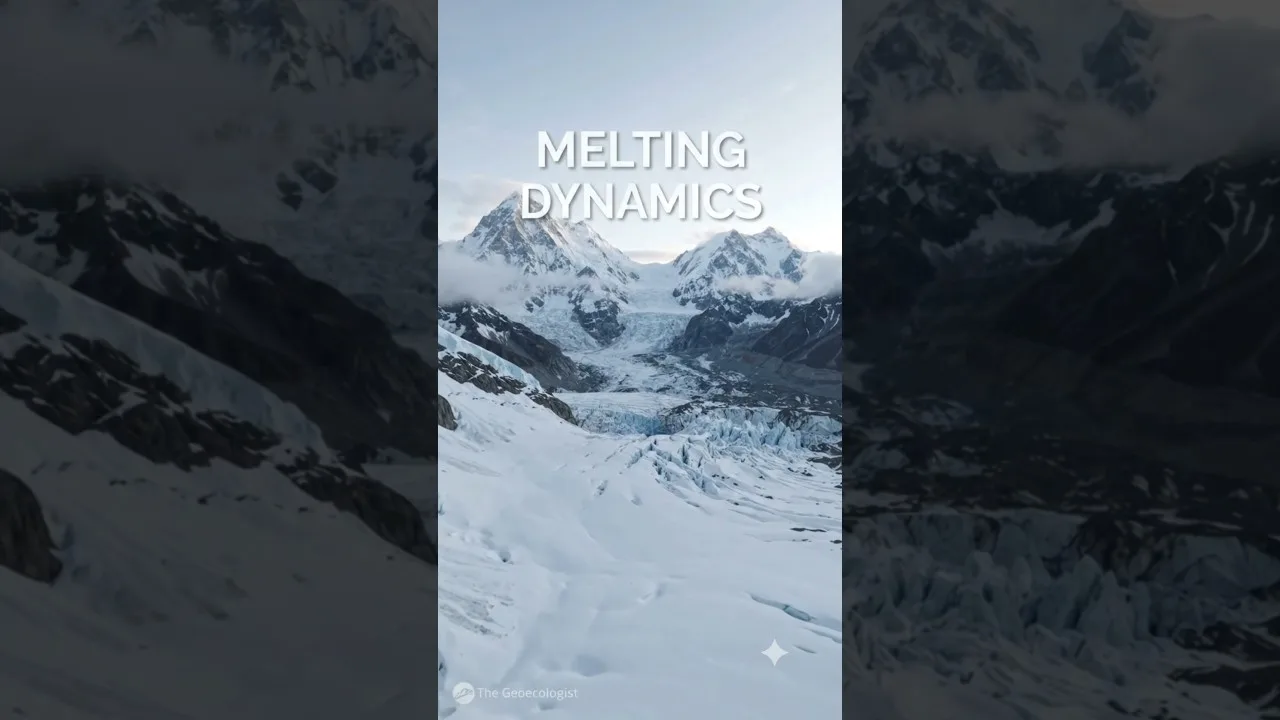
According to recent studies published in climate journals, the average global temperature increase of 1.2°C since the pre-industrial era has already modified the global water balance. For example, the melting of polar ice caps contributes to sea‑level rise, which in turn affects ocean circulation and the distribution of moisture in the atmosphere. Moreover, changes in the jet stream can cause prolonged weather extremes, further stressing the global water balance.
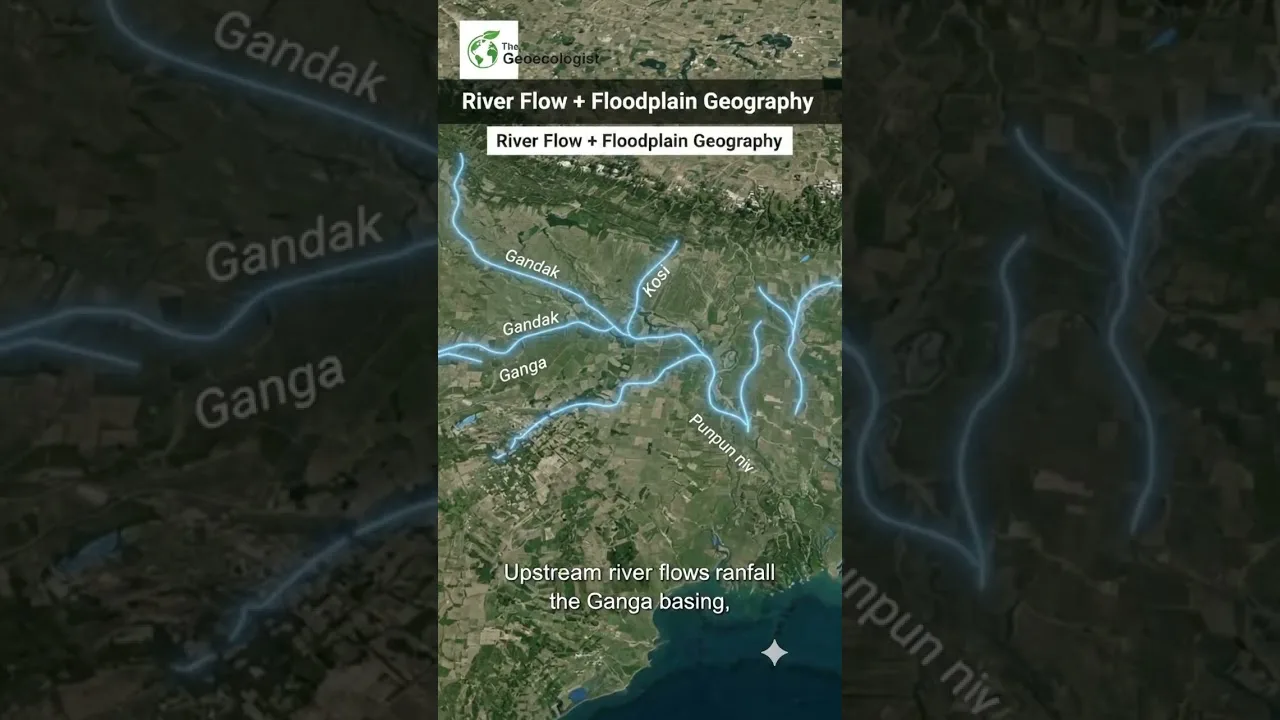
The climate change impacts on the global water balance are evident in many river basins. The Ganges, the Nile, and the Colorado River have all experienced altered flow patterns, threatening water security for millions of people. Understanding these trends is essential for developing adaptation strategies that can safeguard the global water balance against future climate variability.
Impacts of a Disrupted global water balance on Ecosystems
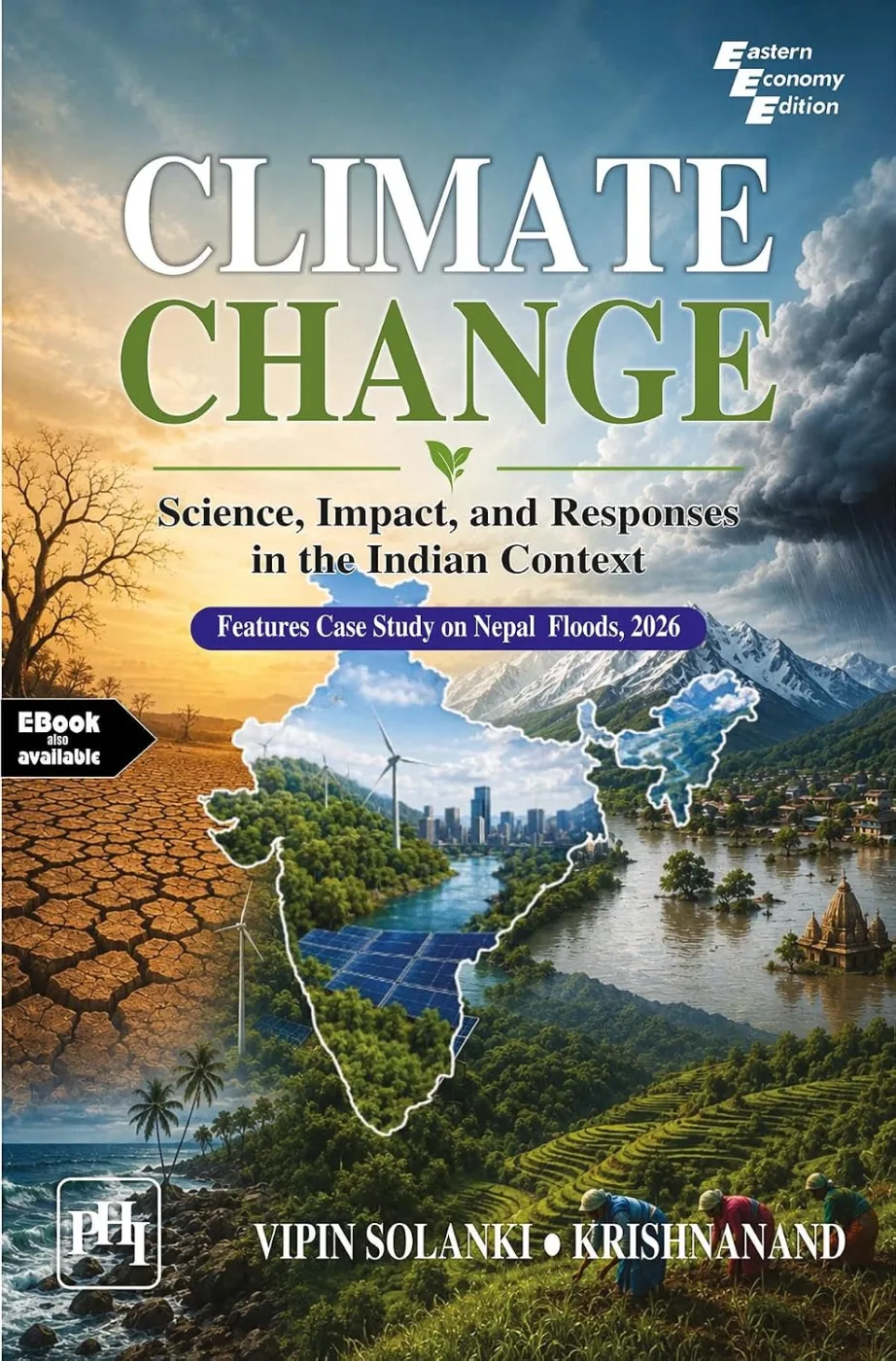
When the global water balance is out of sync, ecosystems suffer. Freshwater habitats such as lakes, wetlands, and rivers depend on stable water flows to maintain their ecological functions. Drought conditions can shrink these habitats, leading to loss of biodiversity and the collapse of food webs. Conversely, excessive runoff can cause sedimentation, which smothers aquatic life and degrades water quality.
Coastal ecosystems, such as mangroves and coral reefs, rely on the nutrients delivered by rivers to thrive. A diminished global water balance can reduce this nutrient flux, weakening these critical habitats that protect shorelines from erosion and serve as breeding grounds for many marine species. The cascading effects of a destabilized global water balance extend far beyond freshwater systems, influencing global biogeochemical cycles and climate regulation.
Human Influence on global water balance
Human activities have become a dominant force shaping the global water balance. Irrigation for agriculture extracts vast quantities of groundwater, altering natural recharge rates. Urbanization creates impervious surfaces that accelerate runoff, reducing infiltration and affecting downstream water availability. Additionally, dam construction modifies natural river flow, impacting sediment transport and the ecological health of river systems.
The extraction of water for industrial use and the pollution of water bodies further strain the global water balance. Contaminants can affect water quality, making it less usable for both human consumption and ecosystem functions. Sustainable water management practices, such as water reuse, efficient irrigation techniques, and the restoration of natural wetlands, are essential to maintain a healthy global water balance in the face of growing demand.
Case Study: The Mekong River Basin
The Mekong River basin illustrates the delicate interplay between human development and the global water balance. The river supports over 60 million people, providing water for agriculture, fisheries, and transportation. However, the construction of upstream dams has significantly altered the river’s natural flow, impacting sediment deposition, fish migration, and downstream agricultural productivity. These changes highlight how human interventions can disrupt the global water balance, leading to ecological and socioeconomic challenges.
Technologies and Policies for Monitoring global water balance
Advancements in remote sensing, satellite imagery, and data analytics have revolutionized the monitoring of the global water balance. Tools such as the Gravity Recovery and Climate Experiment (GRACE) satellites provide insights into groundwater depletion and surface water storage changes. These technologies enable policymakers to make informed decisions about water allocation, conservation, and climate adaptation.
International frameworks, such as the United Nations Water (UN-Water) and the Ramsar Convention on Wetlands, promote cooperative management of transboundary water resources, which is crucial for maintaining a stable global water balance. National policies that incorporate climate-resilient water management strategies can help mitigate the adverse effects of climate change on the global water balance.
Conclusion: The Future of global water balance
The global water balance is the backbone of Earth’s environmental health, influencing climate, ecosystems, and human societies. Rivers, as the primary agents of this balance, connect disparate parts of the planet into a cohesive system that sustains life. Climate change, human activities, and ecological degradation pose serious threats to this delicate equilibrium. By prioritizing sustainable water management, investing in advanced monitoring technologies, and fostering international cooperation, we can protect and restore the global water balance for generations to come.
Preserving the global water balance is not just an environmental imperative; it is a prerequisite for food security, economic stability, and social well-being. Every action, from reducing water waste to supporting policies that protect river basins, contributes to the larger goal of maintaining a healthy planetary water cycle.
Remember, nature never wastes. It only recycles. By aligning our practices with the natural rhythms of the global water balance, we ensure a resilient and thriving future for all life on Earth.
Frequently Asked Questions
What is global water balance?
global water balance refers to the equilibrium between water inputs (precipitation, river inflow, groundwater recharge) and outputs (evaporation, runoff, storage changes) on a planetary scale, maintaining the hydrological cycle.
Why are rivers important for global water balance?
Rivers transport freshwater, sediments, nutrients, and minerals from continents to oceans, supporting marine ecosystems, regulating climate, and ensuring the continuous recycling of water essential for life.
How does climate change affect global water balance?
Climate change alters precipitation patterns, increases evaporation, and modifies river flow regimes, leading to droughts, floods, and disruptions in the global water balance that impact ecosystems and human societies.
What can individuals do to help maintain global water balance?
Individuals can reduce water waste, support sustainable water management policies, conserve natural wetlands, and adopt water‑efficient practices in agriculture and daily life to help protect the global water balance.
Which organizations monitor global water balance?
Organizations such as the United Nations Water (UN-Water), the International Water Management Institute (IWMI), and satellite missions like GRACE and GRACE-FO are key players in monitoring and researching the global water balance.
By following @TheGeoecologist and exploring the resources available on The Geoecologist’s website, you can deepen your understanding of the global water balance and its critical role in shaping our planet’s future.
For further reading and downloadable study materials, please visit the shop page on our website.
Stay informed, stay engaged, and help protect the vital global water balance that sustains all life on Earth.
Frequently Asked Questions
global water balance refers to the equilibrium between water inputs (precipitation, river inflow, groundwater recharge) and outputs (evaporation, runoff, storage changes) on a planetary scale, maintaining the hydrological cycle.
Rivers transport freshwater, sediments, nutrients, and minerals from continents to oceans, supporting marine ecosystems, regulating climate, and ensuring the continuous recycling of water essential for life.
Climate change alters precipitation patterns, increases evaporation, and modifies river flow regimes, leading to droughts, floods, and disruptions in the global water balance that impact ecosystems and human societies.