Blog
Alaska rivers orange: Causes of the Bright Orange Water

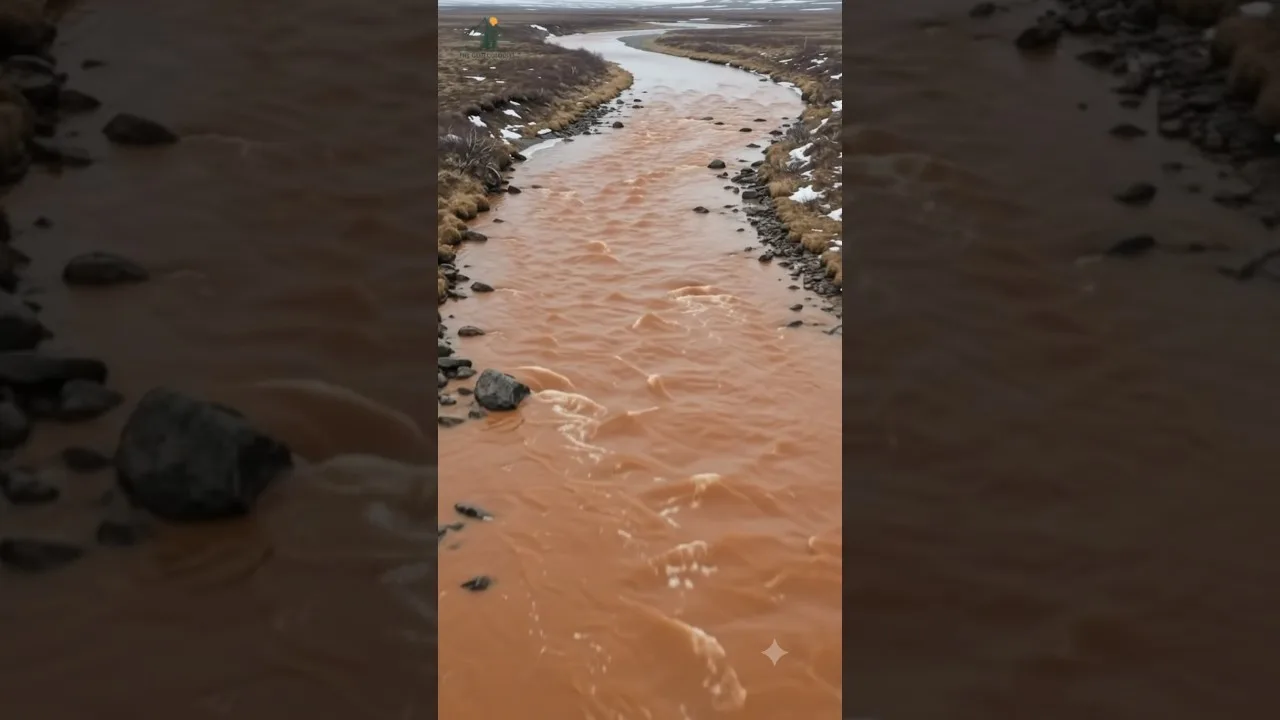
Table of Contents
- What is Permafrost?
- The frozen foundation of the Arctic
- How Thawing Ground Releases Metals and Acidity
- Iron oxidation and the orange hue
- Alaska rivers orange: The Science Behind the Color
- Remote sensing and field observations
- Impacts on Aquatic Ecosystems and Communities
- Fish, invertebrates, and water quality
- Mitigation, Monitoring, and Future Outlook
- Research initiatives and policy responses
Alaska rivers orange: The phenomenon of Alaska’s waters turning a vivid orange has captured attention from scientists, locals, and global audiences alike. This striking coloration is not a mere optical illusion but a tangible sign of profound environmental shifts occurring beneath the Arctic surface. As temperatures climb, permafrost—ground that has remained frozen for millennia—begins to thaw, exposing long‑locked minerals and metals to water and oxygen. The resulting chemical reactions release iron‑rich sediments and increase acidity, giving rivers that unmistakable rust‑orange hue. Understanding this process is crucial because Alaska rivers orange signals broader impacts on water quality, aquatic life, and the communities that depend on these rivers.
- Permafrost thaw releases iron and other metals into waterways.
- Oxidation of iron creates the characteristic orange‑rust color.
- Increased acidity can affect fish and invertebrate populations.
- Monitoring efforts combine satellite imagery, field sampling, and community observations.
- Mitigation focuses on reducing greenhouse‑gas emissions and protecting watershed health.
What is Permafrost?
Permafrost is defined as soil, sediment, or rock that remains at or below 0 °C for at least two consecutive years. In Alaska, vast stretches of permafrost underlie tundra, forests, and river basins, storing ancient organic carbon and trapped minerals. According to the permafrost entry on Wikipedia, permafrost covers approximately 24 % of the Northern Hemisphere’s exposed land surface. In Alaska alone, permafrost underlies about 80 % of the state’s land area, making Alaska rivers orange a critical component of the Arctic cryosphere.
The frozen foundation of the Arctic
This frozen layer acts as a protective lid, preventing the mobilization of contaminants and preserving ecological stability. However, climate warming is destabilizing this lid. The Intergovernmental Panel on Climate Change (IPCC) Sixth Assessment Report (2023) notes that Arctic surface air temperatures have risen by more than 2 °C since pre‑industrial times—roughly twice the global average. Such warming accelerates permafrost degradation, creating thermokarst landscapes and increasing hydrological connectivity between soils and surface waters. – a key consideration for Alaska rivers orange.
How Thawing Ground Releases Metals and Acidity

When permafrost thaws, previously isolated minerals become exposed to oxygenated water. Iron‑bearing minerals such as pyrite (FeS₂) undergo oxidation, producing ferrous iron (Fe²⁺) that further oxidizes to ferric iron (Fe³⁺) and precipitates as iron oxide (Fe₂O₃·nH₂O), the pigment responsible for the orange hue. Simultaneously, sulfide oxidation releases sulfuric acid, lowering pH and increasing water acidity. A 2021 study led by researchers at the University of Alaska Fairbanks measured dissolved iron concentrations in several tributaries of the Yukon River basin, finding increases of up to 300 % over the past decade (NOAA’s Arctic climate resources). – a key consideration for Alaska rivers orange.
Iron oxidation and the orange hue
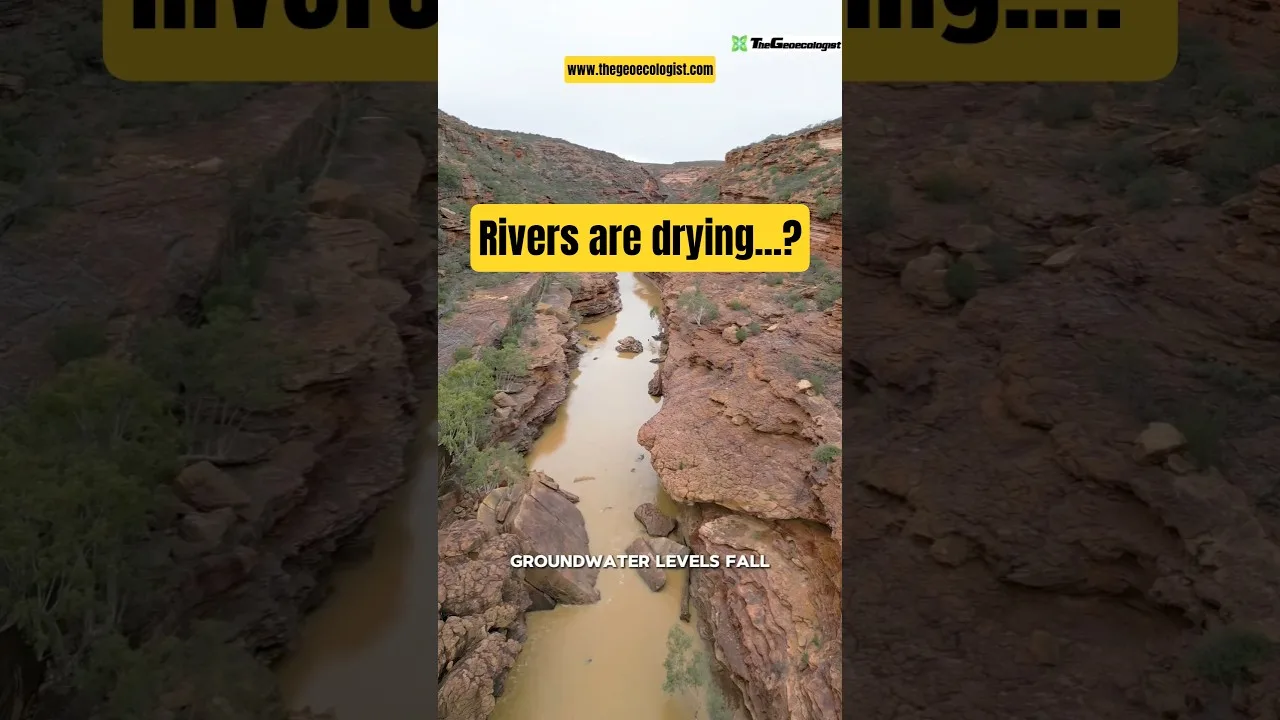
The visual transformation is most evident in slow‑moving streams and ponds where oxidized iron particles remain suspended. Field observations from the Brooks Range in summer 2022 documented water colors ranging from pale yellow to deep rust, correlating with measured pH values as low as 5.5 in affected reaches. These changes are not merely cosmetic; altered pH can impair fish gill function and reduce the availability of essential nutrients for aquatic plants.
Alaska rivers orange: The Science Behind the Color
The phrase Alaska rivers orange has become a shorthand for this emerging environmental indicator. Remote sensing platforms such as Landsat 8 and Sentinel‑2 capture the spectral signature of iron oxide, allowing scientists to map the extent of discoloration across large watersheds. In 2023, a NASA‑led analysis identified over 1,200 km of river segments exhibiting anomalous orange reflectance within the Yukon‑Kuskokwim delta region.
Remote sensing and field observations
Ground‑truthing campaigns involve collecting water samples for metal analysis, measuring pH, turbidity, and dissolved oxygen. Teams from the U.S. Geological Survey (USGS) and local tribal organizations collaborate to build long‑term monitoring datasets. These efforts reveal that the orange coloration often appears first in headwater streams fed by thawing hillslopes, then propagates downstream as suspended particles travel with the flow.
Impacts on Aquatic Ecosystems and Communities
The ecological consequences of Alaska rivers orange conditions are still being unraveled. Elevated iron concentrations can coat stream substrates, smothering invertebrate habitats and reducing food availability for fish species such as salmon and Arctic char. Acidic conditions may also mobilize other trace metals like aluminum and manganese, which can be toxic at high levels. Subsistence fishermen in the Yukon River basin have reported changes in fish taste and catch rates, prompting concern for food security.
Fish, invertebrates, and water quality
Laboratory studies on Arctic grayling (Thymallus arcticus) show reduced growth rates when exposed to water with pH 1 mg/L. Meanwhile, macroinvertebrate diversity indices decline by up to 40 % in heavily impacted reaches. These biological responses serve as early warning signals for broader ecosystem stress.
Mitigation, Monitoring, and Future Outlook
Addressing the root cause of Alaska rivers orange requires global action on greenhouse‑gas emissions. Locally, adaptive strategies include protecting riparian buffers, restoring wetlands that can filter metals, and supporting community‑based monitoring programs. The Alaska Climate Change Strategy (2022) outlines funding for permafrost research and infrastructure resilience, emphasizing the need for interdisciplinary collaboration.
Research initiatives and policy responses
Ongoing projects such as the Arctic Observatory Network (AON) and the Permafrost Carbon Network integrate satellite data, field measurements, and modeling to forecast future trajectories. Projections suggest that under a high‑emission scenario (RCP 8.5), the area of Alaska affected by permafrost‑derived metal release could expand by 45 % by 2050. Conversely, aggressive mitigation (RCP 2.6) could limit this expansion to less than 15 %.
In summary, the emergence of Alaska rivers orange serves as a vivid reminder of the interconnectedness of climate, geology, and biology. By understanding the mechanisms behind this phenomenon, scientists and policymakers can better anticipate and mitigate the cascading effects of a thawing Arctic.
Frequently Asked Questions
The orange color results from iron‑rich minerals released by thawing permafrost. When these minerals oxidize in water, they form iron oxide particles that give the water a rust‑orange hue.
While the water is not directly toxic to humans at observed levels, increased acidity and metal concentrations can harm fish, invertebrates, and affect water quality, which may impact subsistence fishing and ecosystem health.
Researchers use satellite imagery (Landsat, Sentinel‑2), field water sampling for pH and metal concentrations, and collaborative networks with local communities and agencies like USGS and NOAA to track changes over time.