

Blog
Heavy Rains in Delhi NCR: Flooding and Traffic Chaos

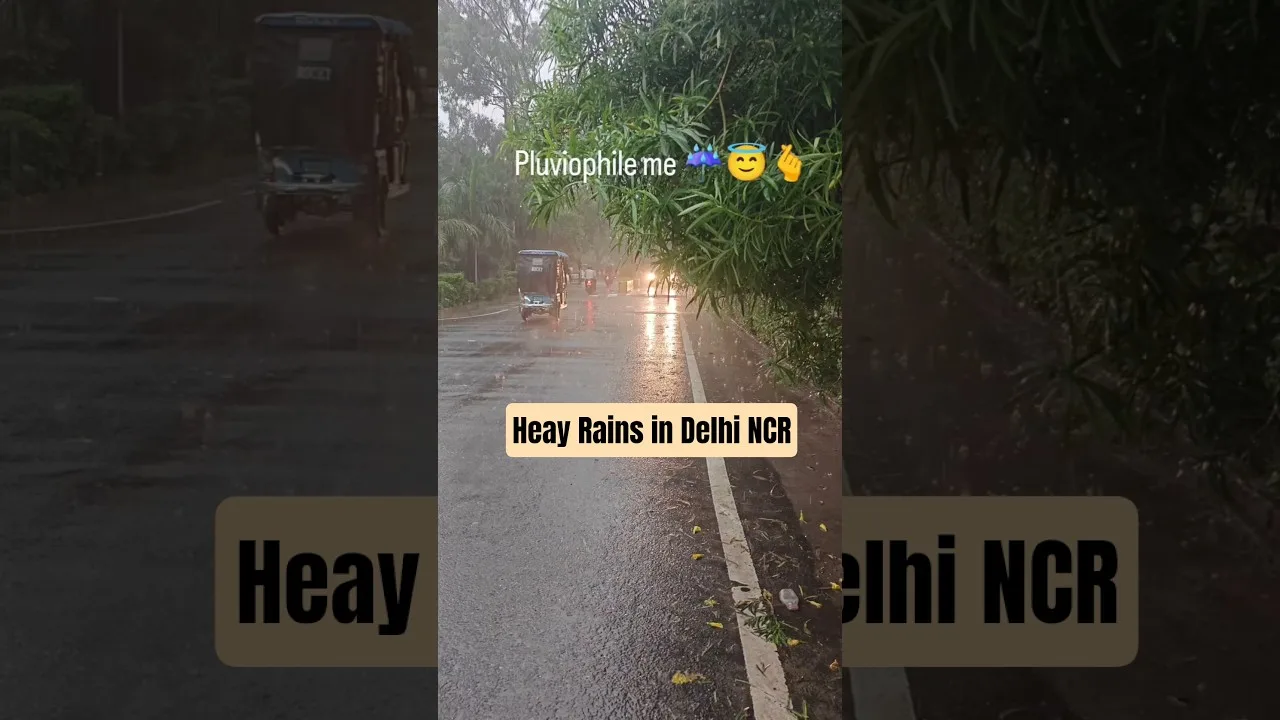
Table of Contents
- Heavy Rains in Delhi NCR: Navigating the Monsoon Chaos
- The Escalating Crisis of Heavy Rains in Delhi NCR
- Impact on Gurugram and Noida: The Satellite City Struggle
- Traffic Jam and Infrastructure Challenges
- Climate Change and the Cloudburst Phenomenon
- Safety Measures and Public Advisory
- The Economic Cost of Monsoon Disruption
- Conclusion: A Call for Sustainable Urbanism
Heavy Rains in Delhi NCR: Navigating the Monsoon Chaos
Heavy rains in Delhi NCR have once again paralyzed the metropolitan region, leaving residents struggling to navigate waterlogged streets and unprecedented traffic congestion. As the monsoon season intensifies, the sudden downpour has triggered widespread disruption across the capital and its surrounding satellite cities, including Gurugram and Noida. This sudden deluge, often characterized by localized cloudburst-like patterns, has transformed major thoroughfares into rivers, making daily commutes a nightmare for millions of citizens.
- Immediate Impact: Severe waterlogging on arterial roads and major highways.
- Traffic Disruption: Massive jams in Gurugram, Noida, and central Delhi.
- Weather Warning: Increased risk of localized cloudbursts in the coming days.
- Public Advisory: Residents advised to avoid low-lying areas and monitor official weather updates.
The Escalating Crisis of Heavy Rains in Delhi NCR
The recent spell of heavy rains in Delhi NCR has highlighted the growing vulnerability of urban infrastructure to extreme weather events. When the clouds burst over the plains of North India, the drainage systems, designed for much lower intensity, were instantly overwhelmed. From the high-rises of Gurugram to the bustling markets of Noida, the scene is remarkably similar: vehicles stalled in knee-deep water and commuters stranded for hours. This pattern of heavy rains in Delhi NCR is becoming a recurring seasonal phenomenon that demands urgent systemic intervention.
As the precipitation levels rise, the meteorological departments have issued several alerts. According to reports from the India Meteorological Department, the atmospheric conditions are ripe for intense, short-duration rainfall events. These events, often colloquially referred to as cloudbursts, contribute significantly to the sudden flooding observed in urban centers. The intensity of heavy rains in Delhi NCR makes it difficult for municipal corporations to deploy pumping stations effectively, leading to prolonged waterlogging in residential and commercial hubs.
Impact on Gurugram and Noida: The Satellite City Struggle
While the capital faces its own set of issues, the neighboring cities of Gurugram and Noida are bearing the brunt of the heavy rains in Delhi NCR. Gurugram, known as the Millennium City, has seen its tech corridors submerged under several inches of water. The rapid urbanization and the reduction of natural catchment areas have exacerbated the effects of heavy rains in Delhi NCR. Commuters traveling between Delhi and Haryana find themselves stuck in massive traffic jams that extend for several kilometers.
Similarly, in Noida, the drainage infrastructure has struggled to cope with the sheer volume of water brought by the heavy rains in Delhi NCR. Low-lying areas in sectors have reported water entering ground-floor apartments, causing significant property damage. The socio-economic impact of these heavy rains in Delhi NCR is immense, affecting logistics, delivery services, and the general productivity of the workforce. As the city’s lifeblood—its transit system—grinds to a halt, the necessity for better urban planning becomes undeniable.
Traffic Jam and Infrastructure Challenges
One of the most visible consequences of heavy rains in Delhi NCR is the catastrophic traffic jams. Major arteries like the DND Flyway, the Delhi-Gurugram Expressway, and the Noida-Greater Noida Expressway become bottlenecks during heavy downpours. The visibility decreases sharply, and the presence of waterlogged roads leads to vehicle breakdowns, further complicating the situation. During these periods of heavy rains in Delhi NCR, emergency services often find it difficult to navigate through the congestion.
Urban planners suggest that the current drainage systems are outdated and cannot handle the intensity of modern monsoon patterns. The occurrence of heavy rains in Delhi NCR necessitates a shift toward ‘Sponge City’ concepts, where permeable surfaces and urban wetlands can absorb excess water. Without such measures, the annual cycle of heavy rains in Delhi NCR will continue to cause significant economic loss and public inconvenience.
Climate Change and the Cloudburst Phenomenon
Scientific data suggests that the frequency and intensity of heavy rains in Delhi NCR are increasing due to global climate change. Warmer air holds more moisture, leading to more violent and unpredictable rainfall patterns. What was once a predictable monsoon season has turned into a series of unpredictable, high-intensity events. The phenomenon of cloudbursts, while more common in hilly terrains, is increasingly being observed in the plains during heavy rains in Delhi NCR.
Experts from various meteorological research institutes emphasize that the urban heat island effect in cities like Delhi contributes to these localized storms. The heat trapped by concrete structures can trigger upward air currents, leading to heavy localized precipitation. Therefore, the heavy rains in Delhi NCR are not just a seasonal inconvenience but a symptom of a larger climatic shift that requires long-term mitigation strategies.
Safety Measures and Public Advisory
During these periods of heavy rains in Delhi NCR, safety should be the primary concern for all citizens. Authorities recommend the following precautions:
- Avoid driving through flooded areas to prevent vehicle damage and engine stalling.
- Stay indoors if the rainfall intensity is extremely high.
- Keep an eye on official bulletins from the local government and news portals like NDTV for real-time updates.
- Ensure electrical appliances are safely stored and disconnected if water enters the home.
The unpredictability of heavy rains in Delhi NCR means that even a clear sky can turn into a torrential downpour within minutes. Being prepared is the best way to mitigate the risks associated with these intense weather patterns.
The Economic Cost of Monsoon Disruption
The economic repercussions of heavy rains in Delhi NCR are far-reaching. Beyond the immediate damage to property and vehicles, there is a significant loss in man-hours due to traffic jams. The logistics and supply chain sectors, which are vital to the economy of the NCR region, face massive delays. As goods cannot move efficiently through flooded highways, the cost of essential commodities can rise, impacting the common man. The recurring nature of heavy rains in Delhi NCR creates a cycle of repair and recovery that drains municipal budgets.
Furthermore, the impact on the real estate and service sectors is notable. Frequent flooding in premium areas of Gurugram and Noida can affect property valuations and the willingness of corporations to invest in these regions. Addressing the issues caused by heavy rains in Delhi NCR is not just a matter of convenience but a necessity for sustained economic growth in the region.
Conclusion: A Call for Sustainable Urbanism
In conclusion, the heavy rains in Delhi NCR serve as a stark reminder of the challenges facing modern metropolises. The combination of intense rainfall, aging infrastructure, and rapid urbanization has created a perfect storm that results in flooding and massive traffic jams. While the immediate response involves pumping water and clearing roads, the long-term solution lies in sustainable urban design and climate resilience. As we face more frequent instances of heavy rains in Delhi NCR, the focus must shift toward building cities that can withstand the increasing volatility of our changing climate.
Frequently Asked Questions

The sudden heavy rains are often caused by localized cloudburst-like events, exacerbated by the urban heat island effect and changing climate patterns.
Major areas affected include low-lying zones in Delhi, tech corridors in Gurugram, and various sectors in Noida.
It is best to monitor real-time traffic updates and avoid traveling through known low-lying or flood-prone areas during heavy downpours.
