Blog
India humidity crisis: The Hidden Heat Hazard

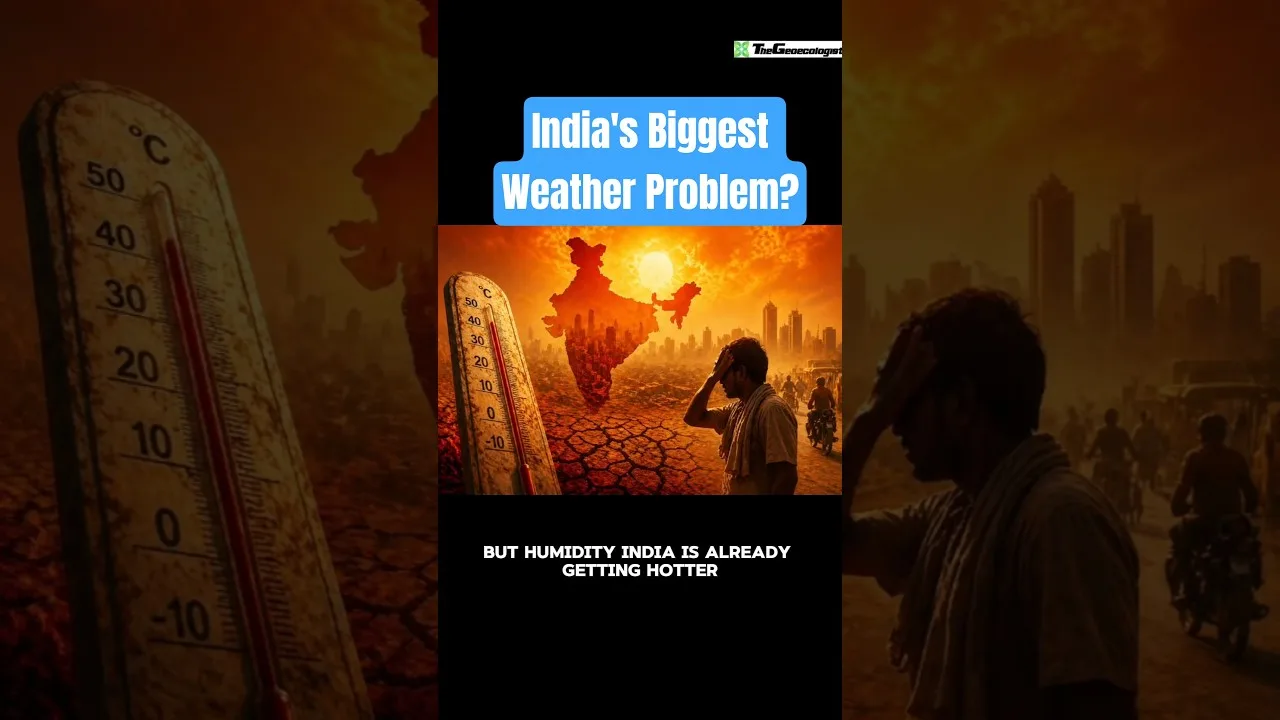
Table of Contents
- What Makes India Humidity Crisis Dangerous?
- The Science Behind Sweat Failure
- Climate Change Fuels the Problem
- Why Humidity Trumps Temperature in India
- Urban Heat Islands and Moisture Traps
- Impact on Vulnerable Populations
- Measuring the Crisis: Wet‑Bulb Globe Temperature (WBGT)
- Strategies to Mitigate the India Humidity Crisis
- 1. Public Awareness and Early Warning Systems
- 2. Urban Planning and Green Infrastructure
- 3. Climate Action to Reduce Emissions
- 4. Healthcare Access and Cooling Centers
- Real‑World Examples and Case Studies
- Learning from the Monsoon
- Heat Stroke: A Clinical Perspective
- Data-Driven Policy Making
- Conclusion: Building Resilience Against the India Humidity Crisis
India humidity crisis is more than just a seasonal nuisance; it is a silent killer that turns every summer day into a potential health emergency.
- Humidity amplifies heat, making even moderate temperatures deadly.
- Urban heat islands worsen the crisis, trapping moisture and heat.
- Public awareness and infrastructure adaptation are critical to survival.
- Climate action and emission cuts can slow the worsening trend.
What Makes India Humidity Crisis Dangerous?
In India, the combination of high temperatures and high humidity creates a perfect storm for heat‑related illnesses. Sweat is the body’s primary cooling mechanism; when the air is saturated, sweat cannot evaporate efficiently. This results in a vicious cycle of rising core temperatures, dehydration, and heatstroke. The India humidity crisis is therefore more than a discomfort—it is a public health emergency.
The Science Behind Sweat Failure
When the ambient humidity exceeds 70%, the evaporation rate of sweat drops dramatically. The skin remains wet, and the heat is trapped, forcing the body to work harder to maintain homeostasis. In the India humidity crisis, people experience rapid heat stress, fatigue, and neurological symptoms such as dizziness or confusion. The risk is amplified in densely populated urban centres, where shade is scarce and ventilation is poor.
Climate Change Fuels the Problem
Global warming not only raises temperatures but also increases the moisture‑holding capacity of the atmosphere. According to the World Bank’s climate data, average humidity in coastal megacities such as Mumbai and Kolkata has risen by 2–3% over the past two decades. This trend is voyant in the India humidity crisis, where heatwaves now often coincide with the monsoon’s tail end, producing an intensified combination of heat and moisture.
Why Humidity Trumps Temperature in India
Consider a 45°C day in the arid Rajasthan desert versus a 35°C day in humid West Bengal. The dry air in Rajasthan allows sweat to evaporate, providing a cooling effect. In Bengal, the high humidity clogs the body’s natural cooling system, making the lower temperature feel far more oppressive. This illustrates why the India humidity crisis can cause life‑threatening heat stress even when the thermometer reads moderate levels.
Urban Heat Islands and Moisture Traps
Metropolitan areas such as Delhi, Chennai, and Hyderabad form urban heat islands due to concrete, asphalt, and limited green space. These surfaces absorb and re‑radiate heat, while dense buildings create microclimates that trap moisture. The result is a localized version of the India humidity crisis that can last for days, overwhelming local healthcare facilities.
Impact on Vulnerable Populations
Children, the elderly, outdoor workers, and individuals with pre‑existing cardiovascular or respiratory conditions are particularly susceptible. In the India humidity crisis, these groups face higher mortality rates during heatwaves, as their bodies struggle to cope with combined heat and moisture.
Measuring the Crisis: Wet‑Bulb Globe Temperature (WBGT)
Traditional temperature readings fail to capture the combined effect of heat and humidity. The Wet‑Bulb Globe Temperature (WBGT) index incorporates temperature, humidity, wind speed, and solar radiation. Governments and NGOs in India are increasingly using WBGT to issue heat warnings, but public awareness remains low. Raising awareness of the India humidity crisis through WBGT can help communities prepare and respond effectively.
Strategies to Mitigate the India Humidity Crisis
1. Public Awareness and Early Warning Systems
Educational campaigns should incorporate humidity‑adjusted heat indices. By providing clear guidance—such as “stay indoors after 3 pm when WBGT exceeds 30 °C”—the India humidity crisis can be managed more safely.
2. Urban Planning and Green Infrastructure
Increasing green roofs, street trees, and water bodies can reduce ambient humidity and temperature. Reflective pavements and improved ventilation corridors mitigate the India humidity crisis in densely built environments.
3. Climate Action to Reduce Emissions
Long‑term solutions involve cutting greenhouse gas emissions, thereby limiting the temperature and moisture increase that fuels the India humidity crisis. India’s commitment to the Paris Agreement and its National Action Plan for Climate Change are critical steps.
4. Healthcare Access and Cooling Centers
Establishing cooling centres with air conditioning, water, and medical staff can protect the most vulnerable. During major heatwaves, authorities should coordinate with local hospitals to ensure emergency frm the India humidity crisis is accessible.
Real‑World Examples and Case Studies
During the 2019 heatwave, Delhi’s temperature peaked at 47°C while humidity hovered around 80%. The WBGT index reached 35°C, triggering emergency protocols deutlich. Hospitals reported a 30% spike in heat‑stroke admissions, underscoring the urgency of addressing the India humidity crisis head‑on.
Learning from the Monsoon
The monsoon season brings heavy rainfall, but the subsequent drying period often leaves the air saturated. The India humidity crisis is exacerbated when residual moisture lingers, creating a perfect environment for heat stress. Understanding monsoon patterns—see monsoon—helps in predicting these high‑risk periods.
Heat Stroke: A Clinical Perspective
Heat stroke is a medical emergency that can lead to organ failure if untreated. It is more likely during the India humidity crisisaitu because the body’s cooling mechanisms are compromised. Medical professionals advise immediate cooling and hydration. For more information, visit heat stroke.
Data-Driven Policy Making
Institutions such as the World Bank provide climate data that can guide policy. Accessing these datasets—see World Bank climate data—enables targeted interventions for the India humidity crisis.
Conclusion: Building Resilience Against the India Humidity Crisis
The India humidity crisis is a complex interplay of temperature, moisture, and human vulnerability. Addressing it requires a multi‑layered approach: sehemu public education, urban design, climate policy, and healthcare infrastructure. By recognizing that humidity can be nkauj as dangerous as heat, India can safeguard its citizens against the escalating threat that climate change is intensifying.
Frequently Asked Questions
The combination of rising temperatures, increased atmospheric moisture due to climate change, and dense urban environments creates the India humidity crisis.
High humidity reduces sweat evaporation, causing the body’s cooling system to fail and leading to heat stress, dehydration, and heatstroke.
Stay hydrated, avoid outdoor work during peak heat hours, use cooling centres, and monitor local heat‑wave warnings that incorporate humidity indices.