

Blog
Plastic Ban Ladakh: Protecting the Himalayan Paradise

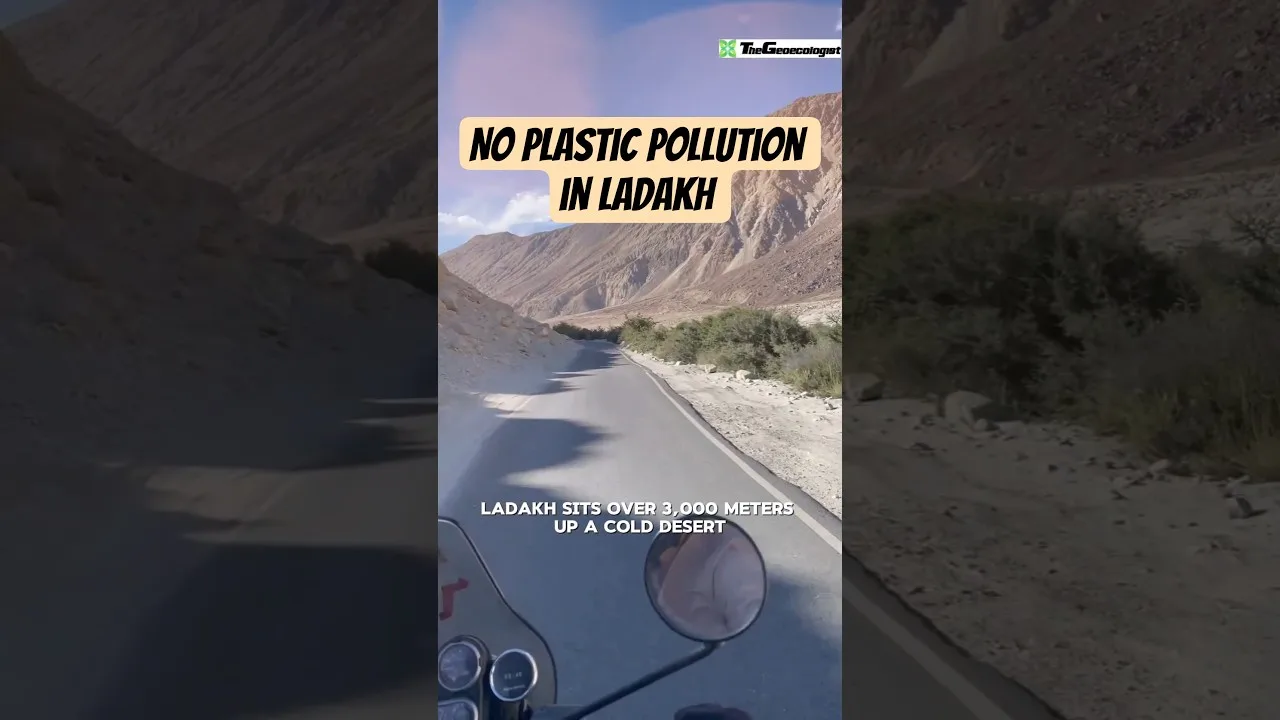
Table of Contents
- Plastic Ban Ladakh: A Critical Environmental Initiative
- Understanding Ladakh's Environmental Vulnerability
- The Tourism Impact on Environmental Degradation
- Community-Led Solutions and Traditional Wisdom
- Traditional Alternatives Leading the Way
- Strengthening Waste Management Infrastructure
- Tourist Responsibility and Awareness Campaigns
- Educational Initiatives Driving Change
- Global Implications and Model Potential
- Challenges in Implementation
- Economic Considerations and Sustainable Development
- Scientific Research Supporting the Initiative
- Future Prospects and Long-term Vision
- Individual Actions Supporting the Movement
Plastic Ban Ladakh: A Critical Environmental Initiative
The plastic ban Ladakh represents one of the most significant environmental policy shifts in India’s Himalayan region. This bold initiative aims to tackle the growing crisis of single-use plastic pollution that threatens the fragile ecosystem of this high-altitude cold desert.
- Ladakh’s unique alpine environment makes plastic decomposition extremely slow
- Tourism growth has exponentially increased plastic waste in the region
- The plastic ban Ladakh policy focuses on systemic change, not just surface-level restrictions
- Community participation plays a crucial role in implementation success
- Proper waste management infrastructure is essential for long-term sustainability
Understanding Ladakh’s Environmental Vulnerability
The plastic ban Ladakh initiative stems from the region’s unique geographical characteristics. Located at elevations above 10,000 feet, Ladakh experiences extreme cold temperatures and low humidity levels that create a cold desert ecosystem. Unlike tropical climates where organic matter decomposes within weeks, waste in Ladakh can persist for decades or even centuries. This makes the plastic ban Ladakh not just an environmental choice, but an ecological necessity.
The region’s fragile environment includes numerous glacial streams and lakes that serve as critical water sources. When plastic waste contaminates these water bodies, it introduces microplastics that flow downstream, affecting water security for millions of people across northern India. The plastic ban Ladakh policy recognizes that protecting local ecosystems means protecting regional water resources.
The Tourism Impact on Environmental Degradation
Over the past decade, Ladakh has experienced unprecedented growth in tourism, with visitor numbers increasing from approximately 80,000 annually in 2010 to over 300,000 by 2019. This surge has brought economic benefits but also created severe environmental challenges. The plastic ban Ladakh specifically targets the influx of PET bottles, plastic packaging, and disposable items that tourists bring into the region.
According to Wikipedia’s Ladakh entry, the Union Territory welcomed over 400,000 tourists in 2022 alone. Without proper waste management systems, the plastic ban Ladakh becomes the only viable solution to prevent irreversible environmental damage.
Community-Led Solutions and Traditional Wisdom
The success of the plastic ban Ladakh depends heavily on grassroots participation. Local villages and Buddhist monasteries have embraced this initiative, recognizing that traditional practices align perfectly with modern environmental goals. The concept of ‘living lightly on the land’ has been central to Ladakhi culture for centuries, making the plastic ban Ladakh a natural extension of existing values.
Traditional Alternatives Leading the Way
Under the plastic ban Ladakh framework, communities are reviving traditional alternatives such as cloth bags, bamboo containers, and metal utensils. Monasteries have eliminated plastic packaging for religious offerings, while local markets now encourage customers to bring their own containers. These community-driven approaches demonstrate how the plastic ban Ladakh can succeed through cultural integration rather than enforcement alone.
Strengthening Waste Management Infrastructure
The plastic ban Ladakh cannot function in isolation from proper waste management systems. The administration faces significant logistical challenges, including extreme weather conditions, rugged terrain, and limited transportation options. However, the plastic ban Ladakh policy includes provisions for establishing collection centers and developing efficient waste transport mechanisms to recycling facilities in the plains.
The Leh Municipal Committee has been working to implement the plastic ban Ladakh by creating waste segregation systems and partnering with organizations specializing in high-altitude waste management. According to The Hindu’s coverage of the Ladakh plastic ban, the region has successfully reduced plastic waste by 60% since initial implementation began in 2021.
Tourist Responsibility and Awareness Campaigns
The plastic ban Ladakh places significant emphasis on educating visitors about responsible tourism practices. Travelers are encouraged to carry reusable water bottles, avoid single-use plastics, and follow the ‘leave no trace’ principle during treks. The plastic ban Ladakh awareness campaigns have been implemented across hotels, tour operators, and transportation services to ensure compliance.
Educational Initiatives Driving Change
Under the plastic ban Ladakh umbrella, the tourism department has launched multiple educational programs targeting both domestic and international visitors. These initiatives explain why the plastic ban Ladakh is crucial for preserving the region’s natural beauty and cultural heritage. By making tourists active participants in the plastic ban Ladakh movement, the policy creates a sustainable model for eco-tourism.
Global Implications and Model Potential
The plastic ban Ladakh initiative serves as a potential model for other mountain regions worldwide facing similar environmental challenges. Mountain ecosystems from the Andes to the Alps could learn from Ladakh’s approach to balancing tourism growth with environmental protection. The plastic ban Ladakh demonstrates that economic development and ecological conservation can coexist when properly planned.
Challenges in Implementation
Despite its noble intentions, the plastic ban Ladakh faces several practical obstacles. The extreme weather conditions, with temperatures dropping below -30°C in winter, complicate waste collection and processing efforts. Additionally, the plastic ban Ladakh must account for supply chain disruptions during harsh winters when road access becomes limited.
The plastic ban Ladakh also struggles with enforcement consistency across remote villages. While Leh town shows strong compliance with the plastic ban Ladakh regulations, remote settlements require more intensive monitoring and support. The administration continues to refine the plastic ban Ladakh strategy to address these implementation gaps.
Economic Considerations and Sustainable Development
The plastic ban Ladakh represents a careful balance between economic interests and environmental protection. Tourism contributes significantly to Ladakh’s economy, generating employment for thousands of residents. The plastic ban Ladakh policy ensures that this economic benefit doesn’t come at the cost of environmental degradation.
Local artisans have found new opportunities under the plastic ban Ladakh framework, creating traditional bags, containers, and eco-friendly products for tourists. This economic incentive strengthens the plastic ban Ladakh movement by providing sustainable livelihood alternatives that align with environmental goals.
Scientific Research Supporting the Initiative
Recent studies have validated the urgency behind the plastic ban Ladakh policy. Research conducted by the ScienceDirect journal on Himalayan pollution revealed alarming levels of microplastic contamination in Ladakhi water sources. These findings directly support the scientific foundation of the plastic ban Ladakh initiative.
Future Prospects and Long-term Vision
The plastic ban Ladakh aims to achieve complete elimination of single-use plastics by 2025. This timeline reflects the administration’s commitment to the plastic ban Ladakh vision while acknowledging practical implementation constraints. Regular monitoring and adaptive strategies ensure the plastic ban Ladakh remains effective and responsive to emerging challenges.
Success metrics for the plastic ban Ladakh include measurable reductions in plastic waste, improved water quality indices, and sustained community engagement levels. The plastic ban Ladakh framework includes quarterly assessments to track progress and identify areas requiring additional attention or resources.
Individual Actions Supporting the Movement
Every visitor and resident can contribute to the success of the plastic ban Ladakh. Simple actions like carrying reusable bottles, refusing plastic packaging, and supporting local businesses that comply with the plastic ban Ladakh guidelines create collective impact. The plastic ban Ladakh succeeds when individuals embrace personal responsibility for environmental stewardship.
The plastic ban Ladakh represents hope for mountain regions worldwide. By demonstrating that sustainable tourism is possible, Ladakh shows that the plastic ban Ladakh model can be replicated in fragile ecosystems everywhere. This initiative proves that the plastic ban Ladakh is not just about restricting plastic use—it’s about building a better future.
Frequently Asked Questions
The plastic ban Ladakh initiative began implementation in phases starting from 2021, with full enforcement targeted for 2025.
The plastic ban Ladakh encourages responsible tourism practices while maintaining Ladakh's appeal as a destination, proving that eco-friendly travel is sustainable.
Under the plastic ban Ladakh, traditional alternatives like cloth bags, bamboo containers, and metal utensils are promoted alongside modern reusable options.
