Blog
Mariana Trench Formation: How Plate Tectonics Created Earth’s Deepest Point

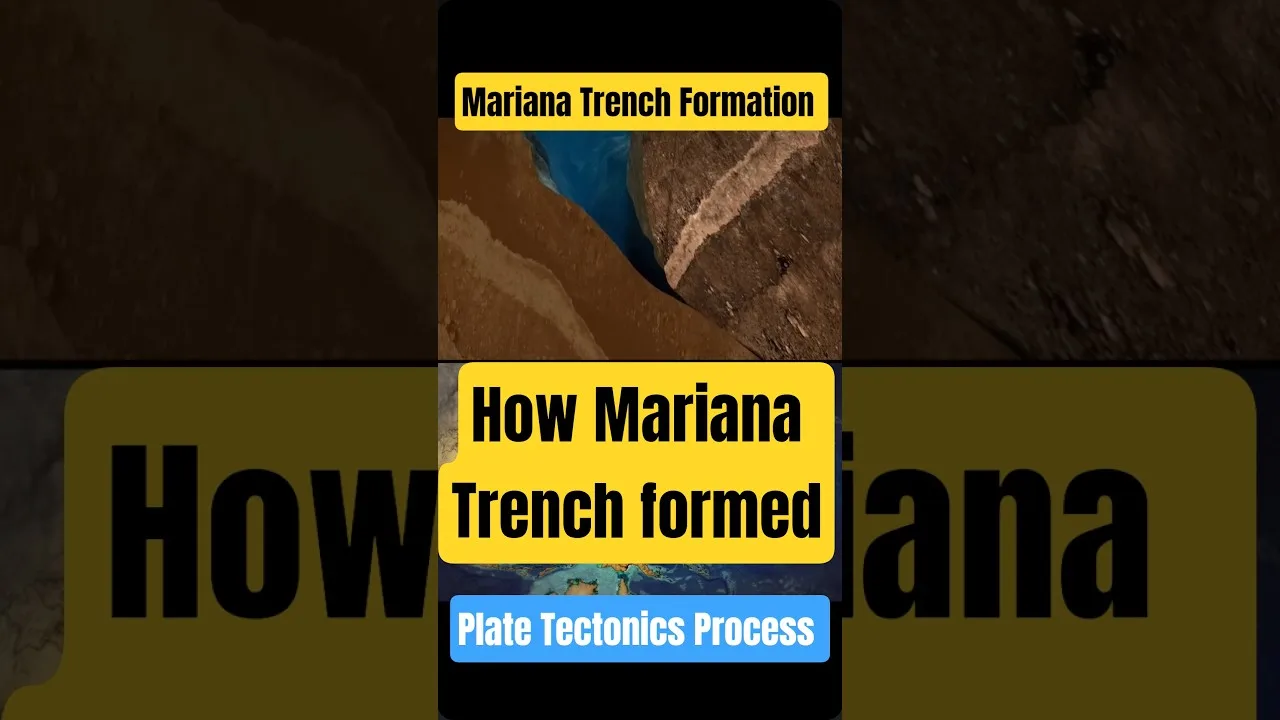
Table of Contents
- The Tectonic Engine Behind Mariana Trench Formation
- Subduction Zone Dynamics
- Geological Timeline of Mariana Trench Formation
- Eocene Initiation (Approximately 50 Million Years Ago)
- Progressive Deepening Through the Neogene
- Pleistocene to Present
- Challenger Deep: The Nadir of Mariana Trench Formation
- Extreme Environmental Conditions
- Historic and Modern Exploration
- The Role of Plate Age and Density in Mariana Trench Formation
- Thermal Structure and Slab Pull
- Mariana Trench Formation and the Global Carbon Cycle
- Serpentinite Mud Volcanoes
- Seismic Hazards and Mariana Trench Formation
- Outer Rise Earthquakes
- Comparative Perspective: Mariana Trench Formation vs. Other Trenches
- The Tonga Trench Comparison
- Future Evolution of the Mariana Trench
- Scientific Drilling and Future Research
- Conclusion
The Mariana Trench formation represents one of the most dramatic geological processes on our planet, where the collision of massive tectonic plates has carved the deepest scar on Earth’s surface. Located in the western Pacific Ocean approximately 200 kilometres (124 miles) east of the Mariana Islands, this crescent-shaped oceanic trench stretches about 2,550 km (1,580 mi) in length and 69 km (43 mi) in width. At its southern end lies the Challenger Deep, a slot-shaped valley reaching a maximum known depth of 10,984 ± 25 metres (36,037 ± 82 ft), making it more than 2 km (1.2 mi) deeper than Mount Everest is tall.
- Mariana Trench formation is driven by subduction of the Pacific Plate beneath the Philippine Sea Plate
- The trench reaches 10,984 metres at Challenger Deep, the deepest point on Earth
- Plate convergence occurs at approximately 6-8 cm per year
- The process began over 50 million years ago during the Eocene epoch
- Unique hadal zone ecosystems thrive under extreme pressure
The Tectonic Engine Behind Mariana Trench Formation
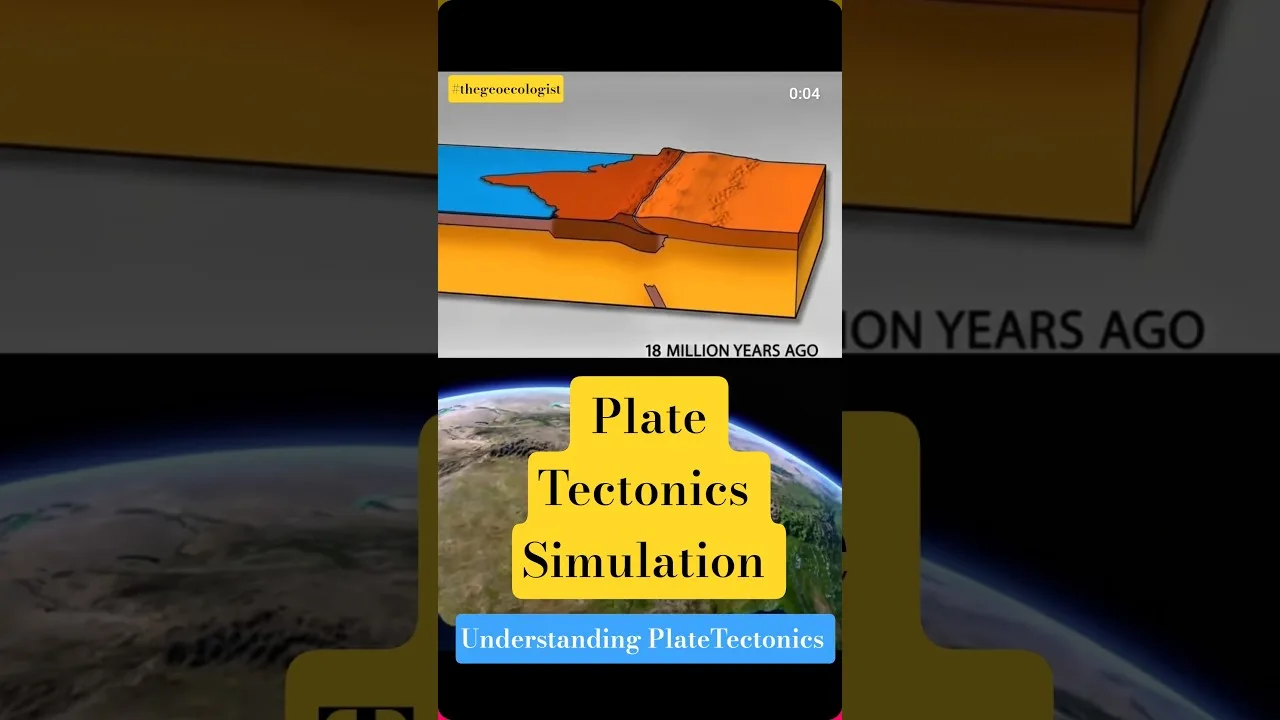
The Mariana Trench formation is fundamentally a story of plate tectonics in action. The trench sits at a convergent plate boundary where the dense, older Pacific Plate—approximately 180 million years old in this region—dives beneath the younger, less dense Philippine Sea Plate. This process, known as subduction, creates the deepest parts of the world’s oceans. The Pacific Plate moves northwest at roughly 6-8 centimetres per year relative to the Philippine Sea Plate, a rate comparable to the growth speed of human fingernails.
Subduction Zone Dynamics
At the Mariana subduction zone, the descending Pacific Plate bends downward at a steep angle, approaching near-vertical in some sections. This steep dip angle is unusual among global subduction zones and contributes significantly to the extraordinary depth achieved during Mariana Trench formation. As the plate descends, it carries water-rich sediments and altered oceanic crust deep into the mantle, triggering complex geochemical processes including mantle wedge melting and arc volcanism that created the Mariana Islands volcanic arc.
The subduction process generates intense seismic activity. The region experiences frequent deep-focus earthquakes, some originating at depths exceeding 600 kilometres. These earthquakes trace the descending slab’s path into the mantle, providing seismologists with a three-dimensional map of the subducting plate’s geometry. The Mariana Trench serves as a natural laboratory for understanding subduction zone mechanics.
Geological Timeline of Mariana Trench Formation
Eocene Initiation (Approximately 50 Million Years Ago)
Geological evidence suggests that Mariana Trench formation began during the Eocene epoch, roughly 50 million years ago. This timing coincides with a major reorganization of Pacific Plate motion, documented by the prominent bend in the Hawaiian-Emperor seamount chain. Prior to this reorganization, the Pacific Plate moved northward; afterward, it shifted to a more northwesterly trajectory. This change initiated subduction along the Mariana arc system.
Progressive Deepening Through the Neogene
Throughout the Oligocene, Miocene, and Pliocene epochs, the trench continued to deepen as subduction persisted. The Philippine Sea Plate itself has a complex history, having formed through seafloor spreading in a back-arc basin behind the Mariana arc. This back-arc spreading, which created the Mariana Trough, began approximately 15-20 million years ago and continues today. The interplay between trench retreat (rollback) and back-arc extension has shaped the modern geometry of the Mariana Trench formation.
Pleistocene to Present
During the Pleistocene, glacio-eustatic sea level fluctuations of up to 120 metres periodically exposed portions of the trench’s upper slopes. However, the extreme depths of Challenger Deep remained submerged throughout. Modern Mariana Trench formation continues at rates measurable by GPS geodesy and satellite altimetry. The trench is not a static feature but an actively evolving geological system.
Challenger Deep: The Nadir of Mariana Trench Formation

The Challenger Deep, named after the HMS Challenger expedition (1872-1876) that first sounded its depths, represents the culmination of Mariana Trench formation. This slot-shaped valley at the trench’s southern end measures approximately 11 km long and 1.6 km wide. Its floor consists of pelagic sediments and tectonically disrupted materials from the overriding plate.
Extreme Environmental Conditions
At 10,984 metres, the pressure reaches approximately 1,086 bars (15,750 psi)—over 1,000 times atmospheric pressure at sea level. Temperatures hover near 1-4°C. Despite these conditions, life thrives. Amphipods, holothurians (sea cucumbers), and microbial communities have been documented at these depths. The hadal zone (depths >6,000 m) hosts unique adaptations including piezolytes (pressure-protective molecules) and specialized enzyme systems.
Historic and Modern Exploration
Only a handful of expeditions have reached Challenger Deep. The bathyscaphe Trieste (1960) with Jacques Piccard and Don Walsh made the first manned descent. James Cameron’s Deepsea Challenger (2012) and Victor Vescovo’s Limiting Factor (2019) conducted subsequent dives. Robotic vehicles including Kaikō, Nereus, and Haidou-1 have also explored the depths. These missions, coordinated with organizations like NOAA, continue to reveal new species and geological insights.
The Role of Plate Age and Density in Mariana Trench Formation
A critical factor in Mariana Trench formation is the age and thermal state of the subducting Pacific Plate. At approximately 180 million years old near the trench, this oceanic lithosphere is among the oldest on Earth. Older plates are colder, thicker, and denser, causing them to subduct at steeper angles. The Pacific Plate’s great age explains the Mariana Trench’s exceptional depth compared to trenches where younger plates subduct, such as the Cascadia or Lesser Antilles subduction zones.
Thermal Structure and Slab Pull
The cold, dense slab generates powerful “slab pull” forces that drive plate motion. This negative buoyancy is the primary engine of plate tectonics globally. In the Mariana system, the slab’s steep dip allows it to sink rapidly into the lower mantle, potentially reaching the core-mantle boundary. Seismic tomography reveals the subducted Pacific Plate as a high-velocity anomaly extending deep into the mantle, a fossil record of Mariana Trench formation over tens of millions of years.
Mariana Trench Formation and the Global Carbon Cycle
The subduction zone created by Mariana Trench formation plays a crucial role in Earth’s long-term carbon cycle. As the Pacific Plate descends, it carries carbonate sediments, altered basalt, and serpentinized mantle—all containing carbon—into the deep mantle. Some carbon returns to the atmosphere via arc volcanism, while some may be sequestered in the deep mantle for hundreds of millions of years. This geological carbon pump operates on timescales far exceeding human lifespans but fundamentally regulates planetary climate.
Serpentinite Mud Volcanoes
A unique feature of the Mariana forearc is the presence of serpentinite mud volcanoes, such as South Chamorro Seamount. These structures erupt fluids and mud derived from the subducting slab’s dehydration, providing a window into subduction zone processes at depth. The fluids are highly alkaline (pH up to 12.5) and support distinctive chemosynthetic communities. These features are direct surface expressions of the deep processes driving Mariana Trench formation.
Seismic Hazards and Mariana Trench Formation
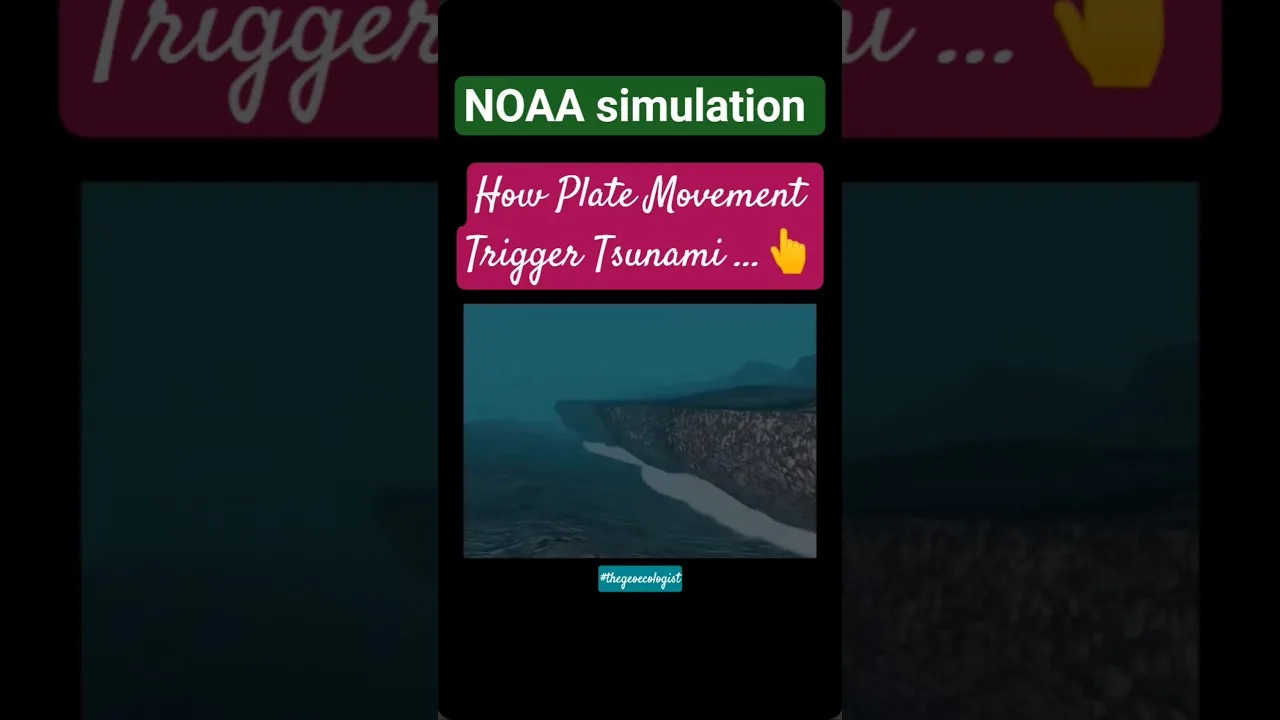
The ongoing Mariana Trench formation generates significant seismic hazards. The region experiences great megathrust earthquakes (Mw >8.0) on the plate interface, as well as intermediate and deep-focus earthquakes within the subducting slab. The 1993 Mariana earthquake (Mw 7.8) and the 2003 Mariana earthquake (Mw 7.6) demonstrate the hazard potential. While the trench itself is far from major population centers, the Mariana Islands and Guam face tsunami risks from large subduction zone earthquakes.
Outer Rise Earthquakes
As the Pacific Plate bends downward at the trench, its upper surface experiences extensional stresses, producing “outer rise” earthquakes. These events can be large (Mw >7.5) and occur seaward of the trench axis. The 1977 Sumba earthquake (Mw 8.3) in the nearby Java Trench system illustrates the destructive potential of outer rise events. Understanding these earthquakes is crucial for seismic hazard assessment in the western Pacific.
Comparative Perspective: Mariana Trench Formation vs. Other Trenches
While the Mariana Trench is the deepest, it shares fundamental formation mechanisms with other Pacific trenches including the Tonga-Kermadec, Japan, Kuril-Kamchatka, and Aleutian trenches. All are products of Pacific Plate subduction. However, the Mariana system is distinctive for its steep slab dip, lack of significant sediment accretion (making it a “non-accretionary” margin), and active back-arc spreading in the Mariana Trough. These characteristics make Mariana Trench formation an end-member case for understanding subduction zone diversity.
The Tonga Trench Comparison
The Tonga Trench, second deepest at 10,823 metres (Horizon Deep), provides an instructive comparison. Both trenches feature old Pacific Plate subduction, but Tonga has faster convergence rates (~24 cm/yr) and a different back-arc configuration. The Mariana Trench formation involves slower convergence but steeper slab geometry, demonstrating that multiple factors control maximum trench depth.
Future Evolution of the Mariana Trench
The Mariana Trench formation will continue as long as the Pacific Plate subducts beneath the Philippine Sea Plate. However, the system is not eternal. Eventually, the Pacific Plate may be completely consumed, or plate boundary reorganization could terminate subduction. Some models suggest the Mariana arc could collide with the Asian continental margin in 50-100 million years, ending the trench’s existence. Until then, the trench will continue its slow, inexorable deepening.
Scientific Drilling and Future Research
International Ocean Discovery Program (IODP) expeditions have drilled into the Mariana forearc and back-arc, recovering cores that document the history of Mariana Trench formation. Future drilling aims to sample the plate interface at seismogenic depths and the mantle wedge. These efforts, combined with seafloor geodesy, fiber-optic seismic monitoring, and autonomous vehicle exploration, promise to revolutionize our understanding of the deepest place on Earth.
Conclusion
The Mariana Trench formation stands as a testament to the power of plate tectonics to shape our planet’s surface. From the Eocene initiation of subduction to the modern descent of the Pacific Plate into the mantle, this geological saga spans 50 million years and continues today. The Challenger Deep’s 10,984-metre depth represents not just a record measurement but a window into Earth’s deep interior processes. As exploration technology advances, the Mariana Trench will continue yielding insights into planetary evolution, the limits of life, and the dynamic engine that drives our restless planet.
Frequently Asked Questions
The Mariana Trench was formed by the subduction of the Pacific Plate beneath the Philippine Sea Plate at a convergent plate boundary. This process began approximately 50 million years ago and continues today, with the dense, 180-million-year-old Pacific Plate descending at a steep angle, creating the deepest point on Earth at Challenger Deep (10,984 metres).
The deepest point of the Mariana Trench is the Challenger Deep, a slot-shaped valley at the southern end of the trench reaching a maximum known depth of 10,984 ± 25 metres (36,037 ± 82 ft) below sea level. This is more than 2 km deeper than Mount Everest's summit is above sea level.
The Mariana Trench formation continues at a convergence rate of approximately 6-8 centimetres per year as the Pacific Plate subducts beneath the Philippine Sea Plate. This ongoing subduction causes the trench to deepen gradually while generating frequent seismic activity and maintaining the Mariana volcanic arc.