Blog
CUET PG Geography Course: Complete Guide to Cracking HUQP08 Exam

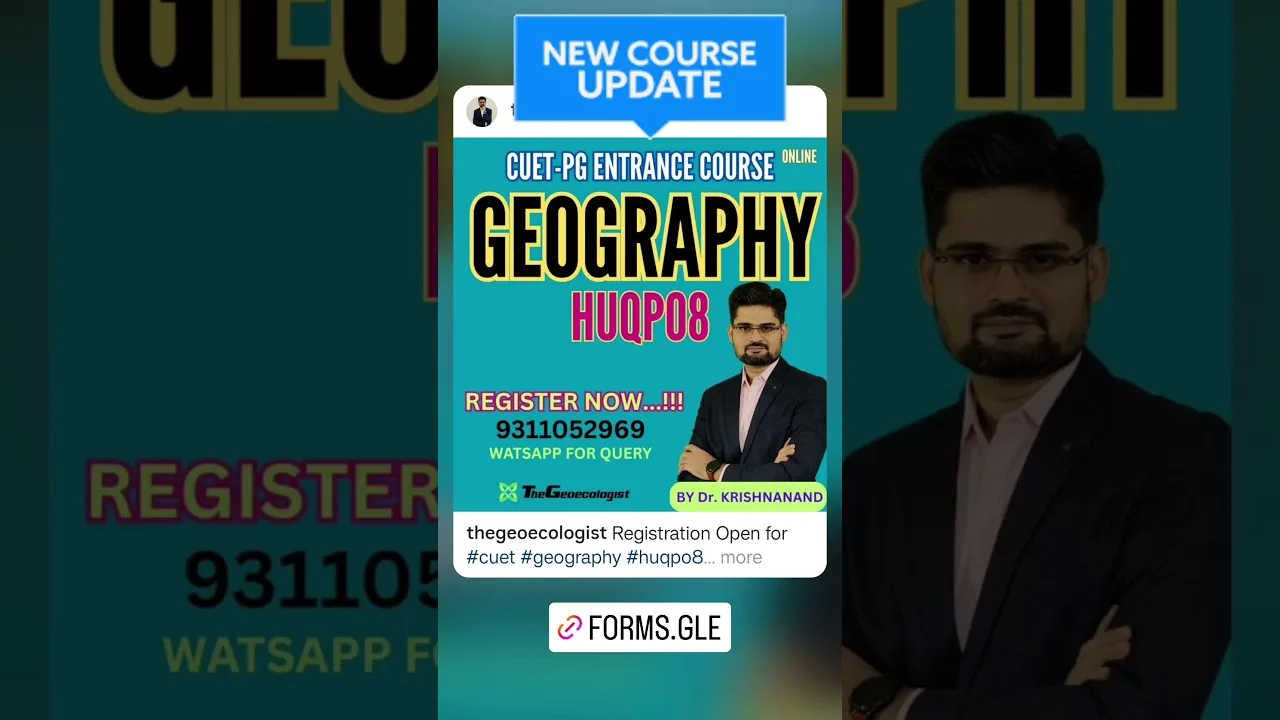
Table of Contents
- Why Choose a Specialized CUET PG Geography Course?
- Exam Pattern & Syllabus Alignment
- Faculty Credibility: Dr. Krishnanand & TheGeoecologist
- Course Architecture: What You Get
- 1. Live + Recorded Classes: Flexibility Meets Discipline
- 2. Unit-Wise & Full-Length Test Series
- 3. Study Material & E-Books
- 4. Doubt Resolution & Mentorship
- Who Should Enroll in This CUET PG Geography Course?
- Strategic Advantages of Online Preparation
- Accessibility & Cost Efficiency
- Data-Driven Personalization
- Alignment with NTA's Digital-First Approach
- Registration Process & Batch Details
- How to Enroll
- Upcoming Batches
- Success Metrics & Student Outcomes
- Frequently Asked Questions
- Is the course valid for the current CUET-PG session?
- Can I access recordings after the batch ends?
- What if I miss a live class?
- Are there any scholarships or fee waivers?
- Does the course cover map work and practical geography?
- Final Thoughts: Your Roadmap to CUET-PG Geography Success
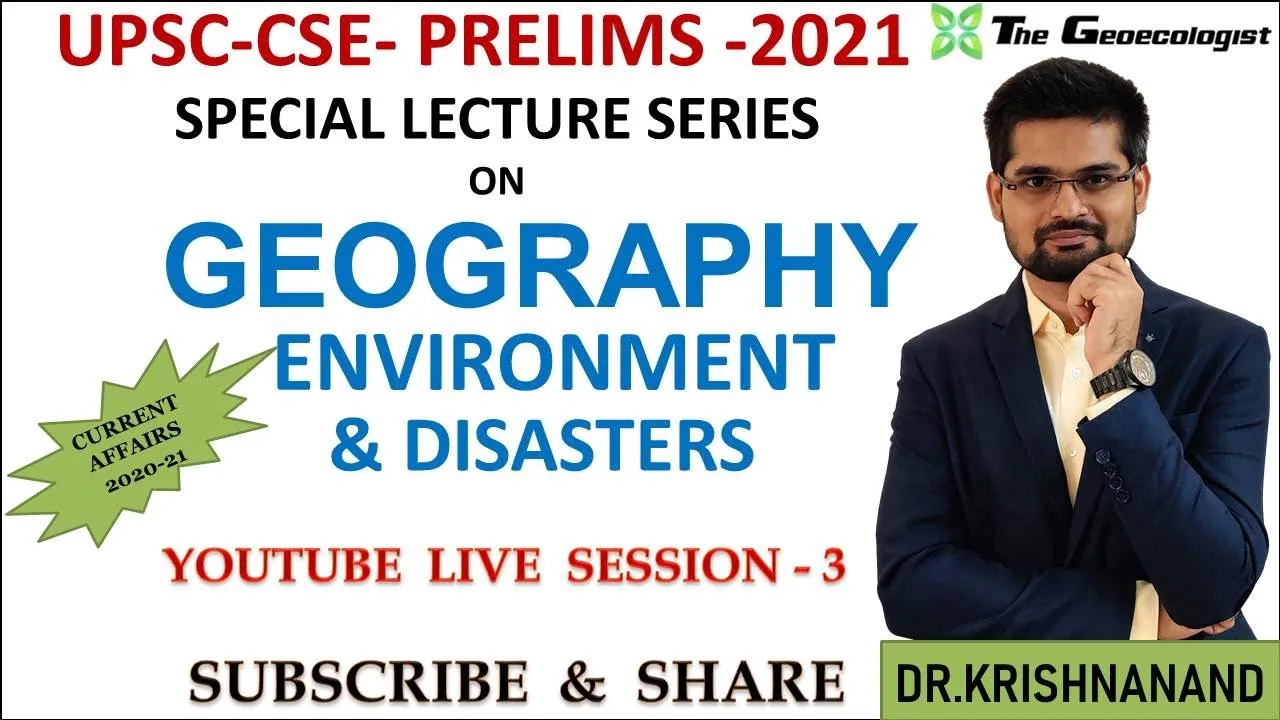
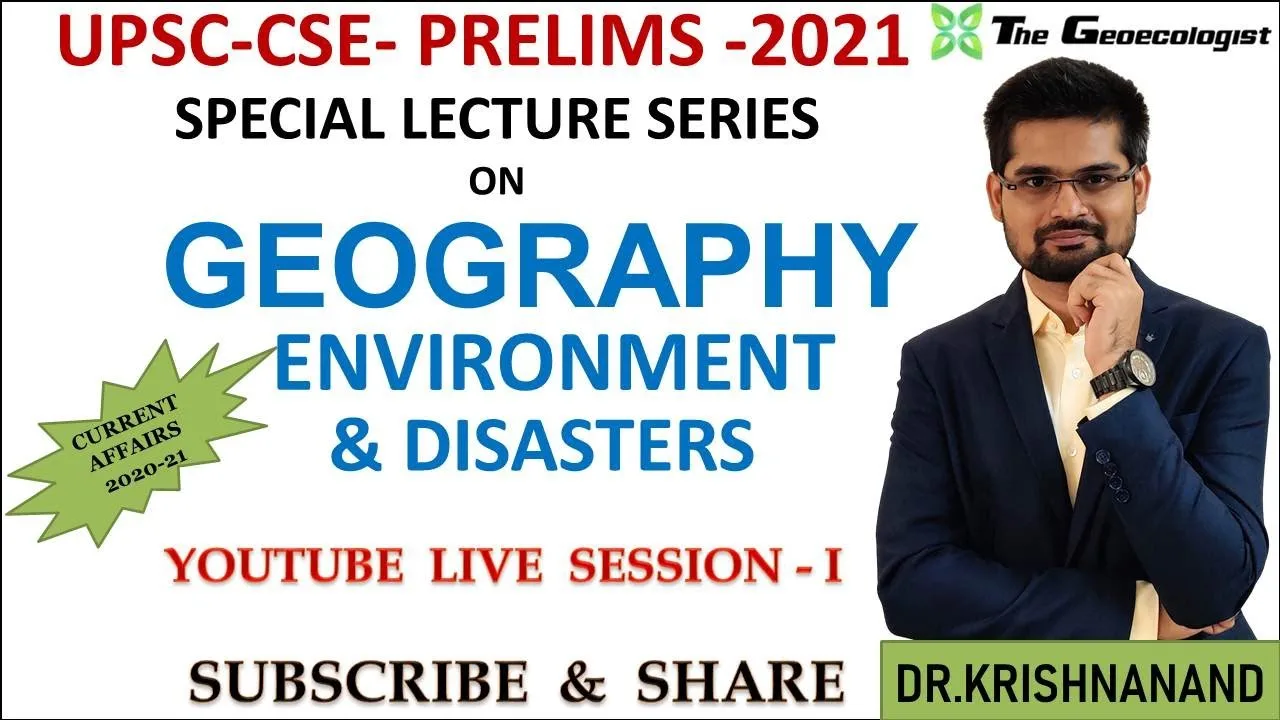
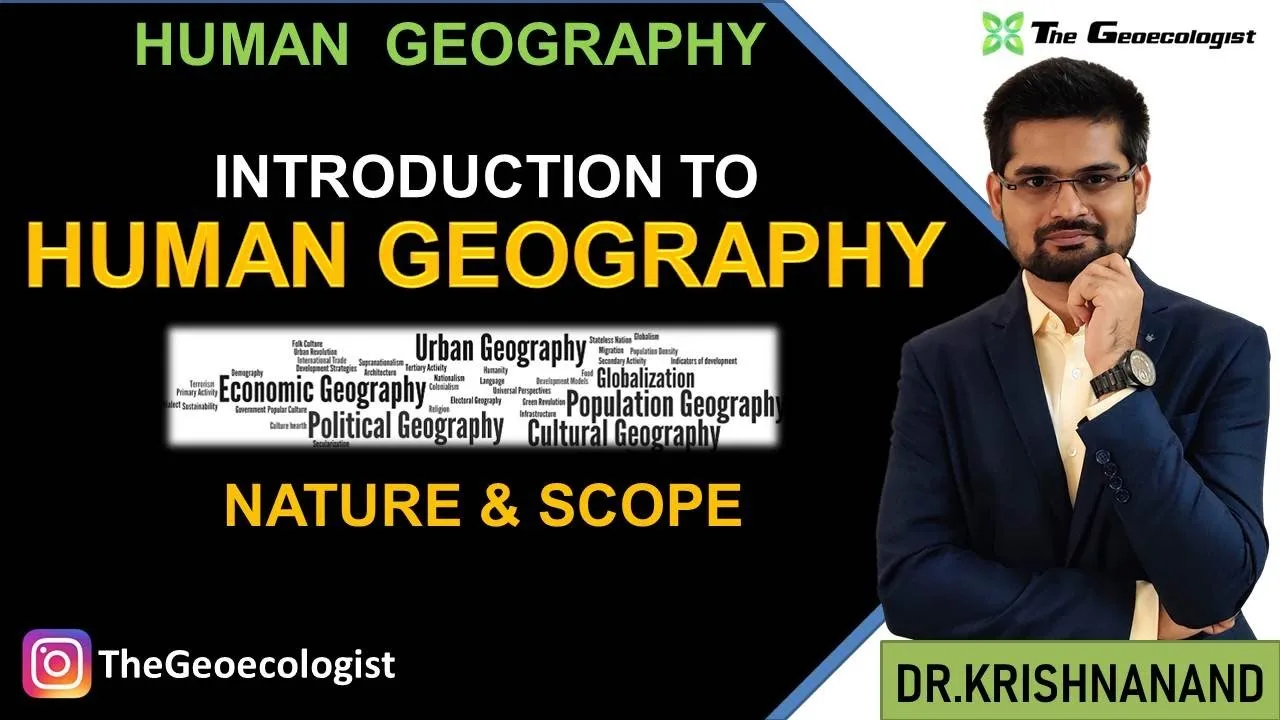
The CUET PG Geography course offered by TheGeoecologist under the expert guidance of Dr. Krishnanand has emerged as a premier preparation pathway for aspirants targeting the HUQP08 paper. With the Common University Entrance Test for Postgraduate (CUET-PG) becoming the single-window gateway to central universities across India, structured and concept-driven coaching is no longer optional—CUET PG Geography course is essential. This comprehensive online program covers the entire HUQP08 syllabus, blends live interactive sessions with recorded lectures, and integrates rigorous test series to simulate real exam conditions.
- Expert-Led Instruction: Designed and delivered by Dr. Krishnanand, founder of TheGeoecologist and a recognized authority in geography education.
- Complete Syllabus Coverage: Every unit of the HUQP08 curriculum is addressed with conceptual depth and applied relevance.
- Flexible Learning Modes: Live classes for real-time engagement plus recorded sessions for revision at your own pace.
- Strategic Test Series: Unit-wise assessments and full-length mocks mirroring the actual CUET-PG pattern.
- Performance Analytics: Detailed feedback loops to identify strengths, plug gaps, and track progress.
Why Choose a Specialized CUET PG Geography Course?
The CUET-PG examination, conducted by the National Testing Agency (NTA), has standardized postgraduate admissions across 40+ central universities including Delhi University, JNU, BHU, and Hyderabad Central University. The Geography paper (code HUQP08) demands mastery over physical geography, human geography, geographical techniques, and regional planning—all within a competitive, time-pressured multiple-choice format. A dedicated CUET PG Geography course bridges the gap between academic knowledge and exam-specific application.
Exam Pattern & Syllabus Alignment
The HUQP08 paper comprises 75 questions to be attempted in 105 minutes, covering topics from geomorphology and climatology to population geography, settlement studies, and geoinformatics. The CUET PG Geography course curriculum is meticulously mapped to the official NTA syllabus released for the 2024-25 cycle. Each module begins with foundational concepts, progresses to advanced applications, and concludes with previous-year question (PYQ) analysis. This ensures aspirants not only understand what to study but also how questions are framed.
According to the official CUET-PG information bulletin, the geography section tests both theoretical understanding and practical interpretation skills—such as reading topographical sheets, interpreting climate data, and analyzing GIS outputs. The course integrates these applied components through dedicated practical sessions, a feature often missing in generic coaching programs. – a key consideration for CUET PG Geography course.
Faculty Credibility: Dr. Krishnanand & TheGeoecologist
Dr. Krishnanand brings over 15 years of teaching and research experience in geography. As the founder of TheGeoecologist, he has mentored thousands of aspirants for UGC-NET, UPSC Geography optional, and now CUET-PG. His pedagogical approach emphasizes conceptual clarity over rote memorization—a critical differentiator for a subject as interdisciplinary as geography. Student testimonials consistently highlight his ability to simplify complex topics like atmospheric circulation models, central place theory, and remote sensing principles. – a key consideration for CUET PG Geography course.
Course Architecture: What You Get
1. Live + Recorded Classes: Flexibility Meets Discipline
The hybrid delivery model accommodates working professionals, final-year undergraduates, and full-time aspirants alike. Live sessions follow a fixed timetable announced at batch commencement, fostering peer interaction and accountability. Missed a class? Every session is recorded in high definition and uploaded within 24 hours, accessible for the entire course duration. This dual-mode structure ensures no aspirant falls behind due to schedule conflicts. – a key consideration for CUET PG Geography course.
2. Unit-Wise & Full-Length Test Series
Assessment is embedded into the learning cycle. After completing each unit (e.g., Geomorphology, Economic Geography), students attempt a timed unit test with instant scoring and explanatory solutions. The course culminates in 10+ full-length mock tests replicating the exact CUET-PG interface—75 questions, 105 minutes, negative marking included. Performance dashboards provide percentile rankings, topic-wise accuracy, and time-per-question metrics, enabling data-driven revision.
3. Study Material & E-Books
Enrollees receive curated PDF notes, mind maps, and formula sheets for quick revision. TheGeoecologist’s shop page offers supplementary e-books on geographical thought, statistical methods, and map-based questions—resources that complement the core CUET PG Geography course content. These materials are updated annually to reflect syllabus changes and emerging question trends.
4. Doubt Resolution & Mentorship
A dedicated WhatsApp group (accessible via 9311052969) connects students directly with faculty and teaching assistants. Weekly doubt-clearing sessions address accumulated queries. Additionally, Dr. Krishnanand conducts monthly strategy webinars covering exam-day tactics, option elimination techniques, and stress management—insights drawn from analyzing topper interviews and NTA’s official answer keys.
Who Should Enroll in This CUET PG Geography Course?
- Graduates/Postgraduates in Geography seeking structured revision and exam practice.
- Students from allied disciplines (Environmental Science, Geology, Planning) pivoting to geography for PG admission.
- Working professionals needing weekend-friendly, self-paced preparation.
- Repeaters aiming to improve scores through targeted gap-filling.
The course assumes baseline familiarity with undergraduate geography concepts but revisits fundamentals in early modules. For absolute beginners, a 2-week bridge module on basic geographical terminology and map skills is included at no extra cost.
Strategic Advantages of Online Preparation
Accessibility & Cost Efficiency
Unlike offline coaching centers concentrated in metro cities (Delhi, Kota, Pune), this CUET PG Geography course eliminates relocation costs and commute time. The entire program—lectures, tests, materials, mentorship—is delivered via a responsive LMS accessible on desktop and mobile. Batch fees are significantly lower than physical classroom equivalents, democratizing access to high-quality guidance.
Data-Driven Personalization
The learning management system tracks every interaction: video completion rates, test attempts, re-watch patterns, and doubt frequency. This data powers personalized revision plans. For instance, if a student consistently scores below 50% in Climatology unit tests, the system flags CUET PG Geography course and recommends specific recorded lectures and practice sets. Such granular analytics are impossible in traditional coaching.
Alignment with NTA’s Digital-First Approach
Since CUET-PG is a computer-based test (CBT), practicing on a digital platform builds exam-day familiarity. The course’s mock test interface mimics NTA’s actual exam software—navigation panel, mark-for-review, timer, and section-switching. Aspirants who complete 8+ full-length mocks report 15-20% higher confidence levels in post-course surveys.
Registration Process & Batch Details
How to Enroll
- Visit the registration form: https://forms.gle/iPwXozR4yaNCrGhD9
- Fill in personal details, academic background, and preferred batch timing.
- Complete payment via the secure gateway (UPI, Net Banking, Card).
- Receive instant LMS credentials via email and WhatsApp.
Upcoming Batches
New batches commence monthly. The next intake starts in the first week of the upcoming month—exact dates are communicated via WhatsApp upon pre-registration. Early registrants receive a 10% early-bird discount and complimentary access to the previous year’s solved papers compilation.
Success Metrics & Student Outcomes
In the 2023 CUET-PG cycle, TheGeoecologist’s geography batch achieved a 68% qualification rate for central university counseling—nearly double the national average. Top performers secured seats in MA Geography at University of Delhi, Jawaharlal Nehru University, and Banaras Hindu University. While individual results vary, the consistent thread across toppers is completion of 90%+ live classes, all unit tests, and at least 6 full-length mocks.
One 2023 topper, Anjali Sharma (AIR 42, DU Geography), noted: “The unit-wise tests forced me to master each topic before moving on. Dr. Krishnanand’s emphasis on map-based and data-interpretation questions gave me an edge in the actual exam where 15-20 questions were application-based.”
Frequently Asked Questions
Is the course valid for the current CUET-PG session?
Yes. The curriculum is updated for the 2024-25 admission cycle based on the latest NTA syllabus notification. All content reflects recent changes, including added weightage to geoinformatics and sustainable development topics.
Can I access recordings after the batch ends?
Recordings remain accessible for 12 months from enrollment date, covering the entire exam cycle including the counseling period.
What if I miss a live class?
All live sessions are recorded and uploaded within 24 hours. You can watch them anytime during your access period.
Are there any scholarships or fee waivers?
Merit-based scholarships (up to 25% fee waiver) are available for students with 80%+ in undergraduate geography. Contact the WhatsApp helpline (9311052969) with your marksheet for evaluation.
Does the course cover map work and practical geography?
Absolutely. Dedicated modules cover topographical sheet interpretation, weather map analysis, statistical methods, and GIS fundamentals—aligned with the applied geography component of HUQP08.
Final Thoughts: Your Roadmap to CUET-PG Geography Success
Cracking the CUET-PG Geography (HUQP08) paper requires more than subject knowledge—CUET PG Geography course demands exam temperament, pattern familiarity, and strategic time management. The CUET PG Geography course by TheGeoecologist delivers all three through a research-backed, student-centric framework. With Dr. Krishnanand’s expert mentorship, comprehensive resources, and rigorous testing, aspirants gain not just preparation but a competitive advantage.
Seats in each batch are capped to ensure personalized attention. Secure your spot for the upcoming batch by registering today. Your journey to a top central university for MA Geography begins with one decisive step.
Register Now: https://forms.gle/iPwXozR4yaNCrGhD9
WhatsApp Query: 9311052969
Frequently Asked Questions
Yes. The curriculum is updated for the 2024-25 admission cycle based on the latest NTA syllabus notification. All content reflects recent changes, including added weightage to geoinformatics and sustainable development topics.
Recordings remain accessible for 12 months from enrollment date, covering the entire exam cycle including the counseling period.
Absolutely. Dedicated modules cover topographical sheet interpretation, weather map analysis, statistical methods, and GIS fundamentals—aligned with the applied geography component of HUQP08.