Blog
Delhi Diwali Pollution: Festival of Lights or Cloud of Toxic Smog?

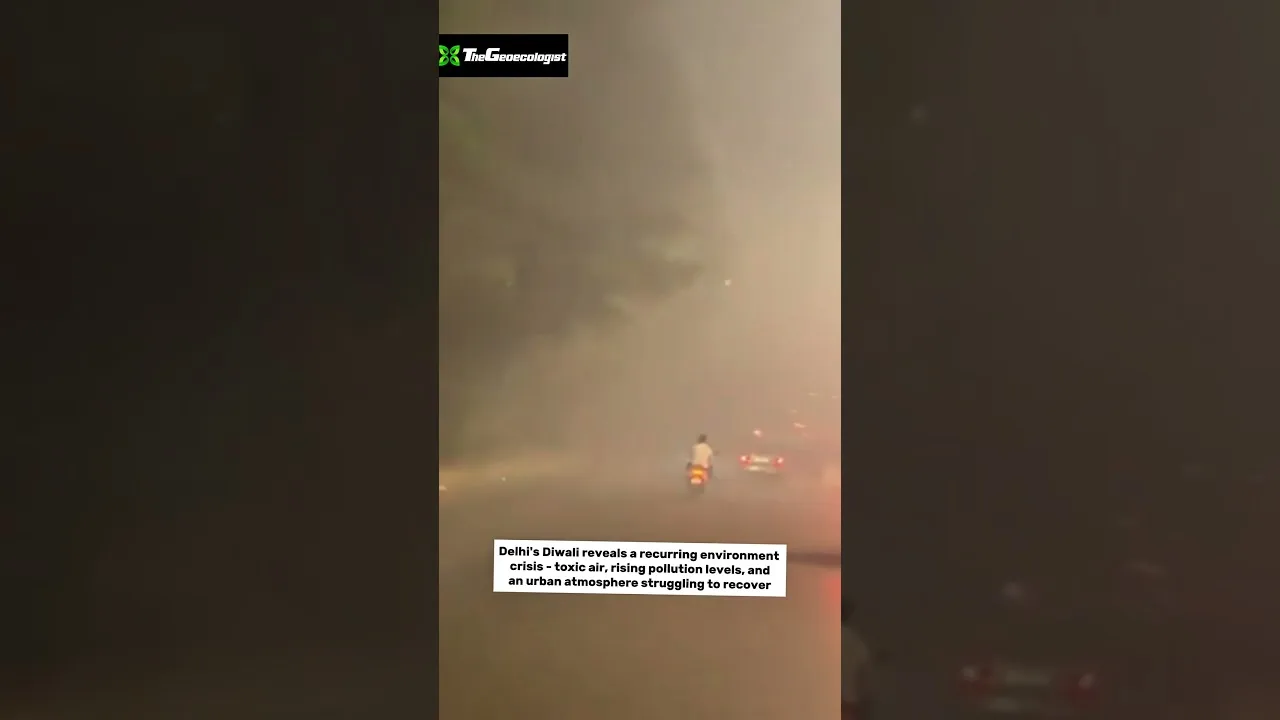
Table of Contents
- Understanding the Scale of Delhi Diwali Pollution
- Meteorological Conditions That Worsen the Crisis
- Health Impacts: Beyond Temporary Discomfort
- Vulnerable Populations and Environmental Justice
- Regulatory Landscape: Bans, Loopholes, and Enforcement Gaps
- Stubble Burning: The Regional Dimension
- Green Alternatives and Community-Led Solutions
- Policy Recommendations for Sustainable Festivities
- The Economic Case for Clean Air
- Global Lessons: Beijing's Turnaround
- Citizen Action: From Awareness to Advocacy
- Conclusion: Reclaiming the Festival of Lights
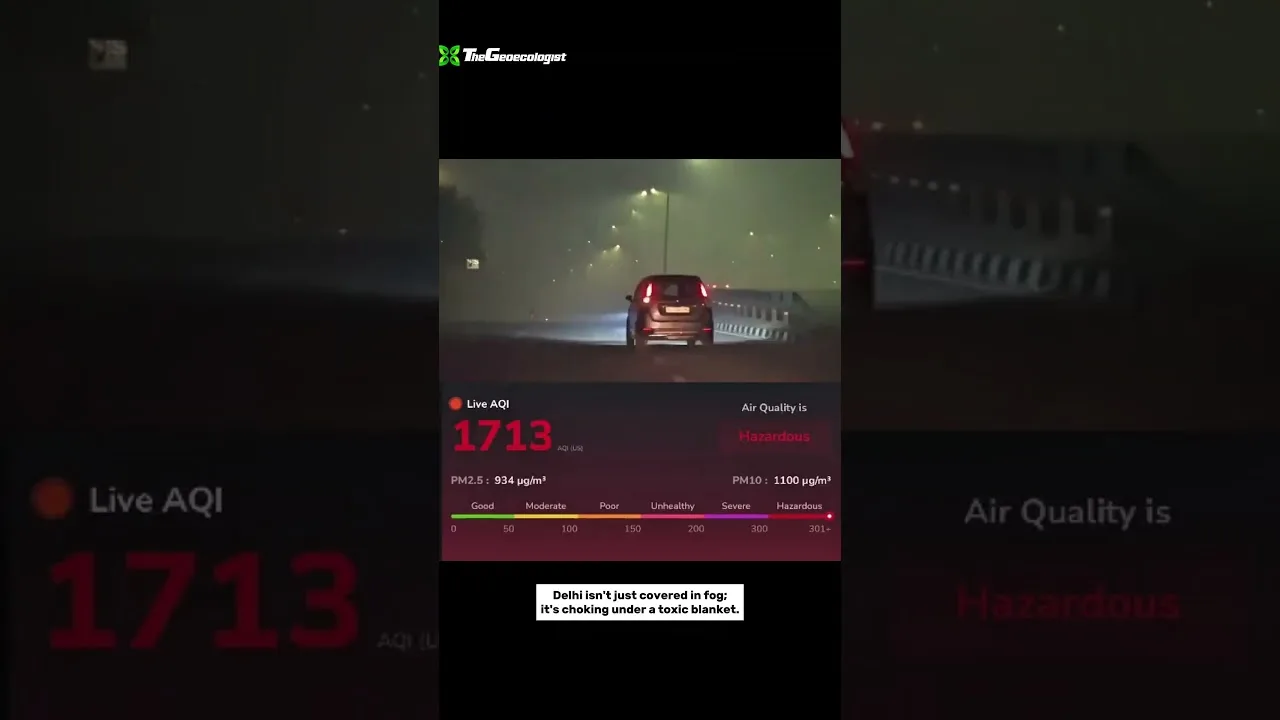
Delhi Diwali pollution has become an annual environmental crisis that transforms the festival of lights into a public health emergency for millions of residents. Every year, as diyas illuminate homes across the National Capital Region, a thick blanket of toxic smog descends upon the city, pushing air quality index (AQI) levels into the ‘severe’ and ‘hazardous’ categories. This recurring phenomenon raises urgent questions about sustainable celebrations, regulatory enforcement, and the fundamental right to clean air.
- Delhi Diwali pollution spikes AQI to 500+ (severe/hazardous) annually due to firecrackers, stubble burning, and meteorological traps.
- PM2.5 levels often exceed WHO safe limits by 20-30 times, causing immediate and long-term health impacts.
- Despite bans, firecracker combustion remains a major contributor, releasing heavy metals and toxic gases.
- Winter inversion layers and low wind speeds trap pollutants, creating a “gas chamber” effect.
- Solutions require multi-sector coordination: stricter enforcement, green alternatives, and regional airshed management.
Understanding the Scale of Delhi Diwali Pollution
The magnitude of Delhi Diwali pollution is staggering. According to the Central Pollution Control Board (CPCB), post-Diwali AQI readings in Delhi have consistently breached the 450 mark on a 500-point scale, placing the city in the “severe plus” or “emergency” category. In 2023, Anand Vihar recorded an AQI of 481 on Diwali night, while RK Puram hit 468. These numbers represent not just statistics but a cocktail of particulate matter (PM2.5 and PM10), sulfur dioxide, nitrogen oxides, carbon monoxide, and heavy metals like lead, strontium, and barium released from firecracker combustion.
The World Health Organization (WHO) recommends a 24-hour mean PM2.5 concentration of no more than 15 µg/m³. During Diwali, Delhi’s PM2.5 levels routinely exceed 500 µg/m³ — over 33 times the safe limit. A 2022 study by the Indian Institute of Technology Delhi estimated that firecrackers alone contribute 30-35% of the PM2.5 load on Diwali night, with the remainder coming from vehicular emissions, construction dust, industrial activities, and agricultural residue burning in neighboring Punjab and Haryana. – a key consideration for Delhi Diwali pollution.
Meteorological Conditions That Worsen the Crisis
Delhi’s geography and winter meteorology create a perfect trap for pollutants. As temperatures drop in November, a phenomenon known as temperature inversion occurs: a layer of warm air settles above cooler air near the ground, acting like a lid that prevents vertical dispersion of pollutants. Low wind speeds (often below 2 m/s) and high humidity further stagnate the air mass. The India Meteorological Department (IMD) has documented that these conditions typically persist for 3-5 days post-Diwali, extending the exposure window for the city’s 33 million residents. – a key consideration for Delhi Diwali pollution.
Health Impacts: Beyond Temporary Discomfort
The health consequences of Delhi Diwali pollution are both acute and chronic. Emergency room visits for respiratory distress, asthma exacerbations, bronchitis, and cardiovascular events surge by 20-30% in the week following Diwali, according to data from the All India Institute of Medical Sciences (AIIMS) and the Delhi government’s health department. Children, the elderly, pregnant women, and those with pre-existing conditions bear the brunt.
A landmark 2021 study published in The Lancet Planetary Health attributed approximately 54,000 premature deaths in Delhi annually to air pollution, with PM2.5 as the primary culprit. The economic cost is equally staggering: a 2023 World Bank report estimated that air pollution costs India 1.36% of its GDP, with Delhi bearing a disproportionate share. Lost labor productivity, healthcare expenditures, and reduced agricultural yields from ozone damage compound the burden. – a key consideration for Delhi Diwali pollution.
Vulnerable Populations and Environmental Justice
The burden of Delhi Diwali pollution falls unequally. Low-income communities living near industrial zones, major traffic corridors, and waste-burning sites face higher baseline exposure. Informal sector workers — street vendors, construction laborers, delivery personnel — cannot afford air purifiers or the luxury of staying indoors. A 2022 survey by the Centre for Science and Environment (CSE) found that 68% of outdoor workers in Delhi reported worsened respiratory symptoms during Diwali week, yet only 12% had access to protective masks or medical leave.
Regulatory Landscape: Bans, Loopholes, and Enforcement Gaps
The Supreme Court of India banned the sale and use of traditional firecrackers in Delhi-NCR in 2017, permitting only “green crackers” certified by the Council of Scientific and Industrial Research (CSIR) — National Environmental Engineering Research Institute (NEERI). These green crackers claim 30% lower particulate emissions and no barium salts. However, enforcement remains patchy. The Delhi Police seized over 3,000 kg of illegal firecrackers in 2023, but market surveys by NGOs suggest widespread availability of non-compliant products. – a key consideration for Delhi Diwali pollution.
The Graded Response Action Plan (GRAP), implemented by the Commission for Air Quality Management (CAQM), mandates escalating restrictions as AQI worsens: Stage 1 (AQI 201-300) triggers mechanized sweeping and construction dust control; Stage 4 (AQI 450+) invokes emergency measures like odd-even vehicle rationing, school closures, and bans on non-essential construction. Yet critics argue GRAP is reactive rather than preventive, activating only after pollution peaks. – a key consideration for Delhi Diwali pollution.
Stubble Burning: The Regional Dimension
While firecrackers dominate Diwali discourse, satellite data from NASA’s VIIRS and ISRO’s INSAT-3D show that agricultural residue burning in Punjab and Haryana contributes 25-40% of Delhi’s PM2.5 during the post-monsoon season. The 2023 Economic Survey noted that despite ₹3,000 crore allocated for crop residue management machines, adoption remains low due to high operational costs and narrow harvesting windows. The Press Information Bureau reported a 56% reduction in stubble burning incidents in 2023 compared to 2022, yet Delhi’s air remained hazardous — underscoring the need for local source control alongside regional action.
Green Alternatives and Community-Led Solutions
Addressing Delhi Diwali pollution requires reimagining celebrations. Several housing societies and RWAs (Resident Welfare Associations) have pioneered “cracker-free Diwali” campaigns, replacing fireworks with laser shows, community diya-lighting, cultural performances, and eco-friendly rangoli competitions. The “Diya Jalao, Patakha Nahin” (Light Diyas, Not Crackers) movement, endorsed by the Delhi government’s Environment Department, gained traction in 2022-23 with over 500 RWAs participating.
Technological innovations offer promise. IIT Kanpur’s “artificial rain” cloud seeding trials, though experimental, demonstrate institutional willingness to explore emergency interventions. More pragmatically, the transition to electric vehicles (Delhi aims for 25% EV registration by 2024), expansion of the metro network, and strict enforcement of construction dust norms (mandatory anti-smog guns, wind barriers, and wet sprinkling) can reduce baseline pollution, lowering the peak during festivals.
Policy Recommendations for Sustainable Festivities
Experts from the Energy Policy Institute at the University of Chicago (EPIC-India) and CSE recommend a multi-pronged strategy:
- Advance the timeline: Implement firecracker bans and GRAP Stage 2-3 measures 2-3 weeks before Diwali, not after AQI spikes.
- Supply-side control: Crack down on manufacturing and interstate transport of illegal crackers, not just retail sales.
- Incentivize green alternatives: Subsidize certified green crackers; tax traditional ones heavily.
- Regional airshed approach: Coordinate with Punjab, Haryana, Uttar Pradesh, and Rajasthan under a unified airshed management authority.
- Real-time transparency: Mandate hyperlocal AQI monitoring (ward-level) with public dashboards and health advisories.
The Economic Case for Clean Air
Investing in Delhi Diwali pollution mitigation yields high returns. The International Growth Centre estimates that every rupee spent on air pollution control in Delhi generates ₹3-4 in health and productivity benefits. The 2024-25 Union Budget allocated ₹2,800 crore for the National Clean Air Programme (NCAP), targeting 40% PM10 reduction by 2026 in 131 non-attainment cities including Delhi. However, NCAP’s focus on PM10 (coarse particles) rather than PM2.5 (fine particles) has drawn criticism from scientists who argue PM2.5 poses greater health risks.
Corporate responsibility also matters. Major e-commerce platforms like Amazon and Flipkart have voluntarily restricted firecracker sales on their platforms since 2021. Industry associations such as CII and FICCI have launched “Clean Air Champions” initiatives encouraging member companies to adopt low-emission logistics, green energy, and employee awareness campaigns during the festive season.
Global Lessons: Beijing’s Turnaround
Beijing offers a compelling case study. In 2013, Beijing’s average PM2.5 was 89.5 µg/m³ — comparable to Delhi today. Through a coordinated “Air Pollution Prevention and Control Action Plan” (2013-2017), China implemented strict industrial emission standards, coal-to-gas switching, vehicle restrictions, and a nationwide fireworks ban during Lunar New Year. By 2021, Beijing’s PM2.5 dropped to 33 µg/m³, a 63% reduction. The key was sustained political will, multi-year funding, and public participation — not episodic emergency measures.
Citizen Action: From Awareness to Advocacy
Individual choices collectively shape Delhi Diwali pollution outcomes. Citizens can:
- Pledge cracker-free celebrations and report illegal sales via the Green Delhi app or CPCB’s SAMEER app.
- Use public transport, carpool, or cycle for Diwali shopping and visits.
- Install low-cost air quality monitors (like PurpleAir or AirVisual) for hyperlocal data.
- Support NGOs like Centre for Science and Environment, Help Delhi Breathe, and Warrior Moms advocating for policy change.
- Demand ward-level air quality data and health impact assessments from elected representatives.
Schools play a pivotal role. The Delhi government’s “Eco Clubs” program, covering 2,000+ schools, engages students in air quality monitoring, plantation drives, and anti-cracker campaigns. Early education fosters generational behavioral change — children often influence household decisions more effectively than top-down mandates.
Conclusion: Reclaiming the Festival of Lights
Delhi Diwali pollution is not an inevitable byproduct of tradition — Delhi Diwali pollution is a policy choice, a market failure, and a governance gap that can be closed. The festival of lights symbolizes the victory of knowledge over ignorance, of breath over suffocation. By embracing green celebrations, demanding accountability, and investing in systemic solutions, Delhi can ensure that future Diwalis illuminate homes without darkening lungs. Clean air is not a luxury; it is a constitutional right under Article 21, a prerequisite for health, and a legacy we owe our children. The choice between light and smog is ours to make — this Diwali, and every Diwali after.
Frequently Asked Questions
Delhi Diwali pollution results from a combination of firecracker emissions, vehicular exhaust, construction dust, industrial activity, stubble burning in neighboring states, and adverse winter meteorology like temperature inversion and low wind speeds that trap pollutants near the surface.
Green crackers certified by CSIR-NEERI reduce particulate emissions by approximately 30% and eliminate barium salts, but they still release pollutants. They are a harm-reduction measure, not a zero-emission solution. A cracker-free celebration remains the cleanest option.
Stay indoors with windows closed, use N95/FFP2 masks when stepping out, run air purifiers with HEPA filters, avoid strenuous outdoor activity, keep hydrated, and monitor real-time AQI via apps like SAMEER or AirVisual. Vulnerable groups should consult doctors for preventive medication adjustments.