Blog
Jabalpur Geological Museum: India’s First at Bhedaghat

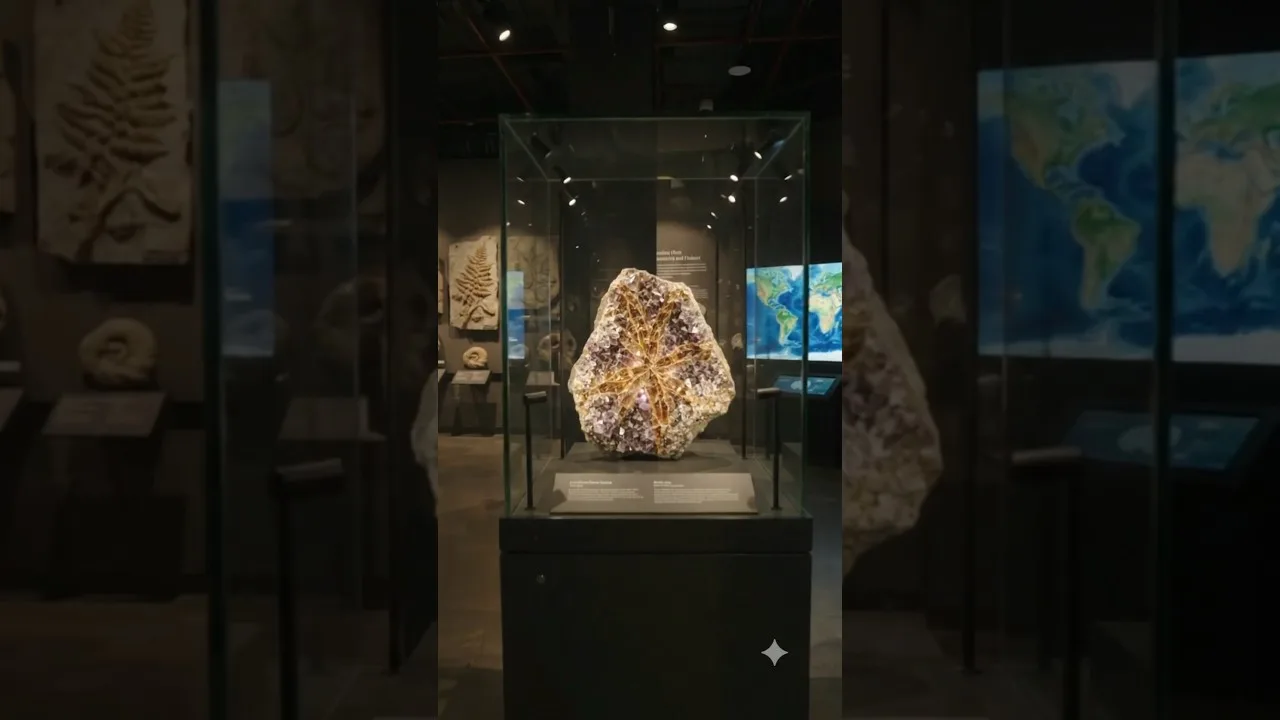
Table of Contents
- Why Jabalpur for India's First Geological Museum?
- Geological Significance of Bhedaghat–Lamhetaghat
- Fossil Treasures of the Narmada Valley
- Museum Features and Exhibits
- Rock and Mineral Galleries
- Fossil and Paleontology Section
- Interactive Learning Centers
- Educational and Research Impact
- Boost to Geological Education
- Collaboration with Geological Survey of India
- Tourism and Economic Benefits
- Enhancing Bhedaghat's Appeal
- Projected Visitor Numbers and Revenue
- Current Status and Timeline
- Conclusion
The Jabalpur Geological Museum is set to become a landmark destination for earth science enthusiasts, researchers, and tourists alike. Located in the picturesque Bhedaghat–Lamhetaghat region of Jabalpur, Madhya Pradesh, this facility will be India’s first world-class museum dedicated exclusively to geology, showcasing the subcontinent’s extraordinary geological heritage through rocks, minerals, fossils, and the deep history of our planet.
- India’s first dedicated geological museum is under development at Bhedaghat–Lamhetaghat, Jabalpur.
- The museum will highlight geological heritage via rocks, minerals, fossils, and Earth’s history.
- Jabalpur Geological Museum aims to boost geological education, research, and tourism in Madhya Pradesh.
- The project aligns with UPSC current affairs and competitive exam preparation.
- Collaboration with the Geological Survey of India ensures scientific authenticity.
Why Jabalpur for India’s First Geological Museum?
The selection of Jabalpur, specifically the Bhedaghat–Lamhetaghat belt, is no accident. This region is a geological treasure trove, internationally recognized for its unique rock formations, fossil beds, and the iconic marble rocks along the Narmada River. The Jabalpur Geological Museum will serve as a gateway to this natural laboratory, making complex earth science accessible to students, scholars, and the general public.
Geological Significance of Bhedaghat–Lamhetaghat
Bhedaghat is world-famous for its marble rocks that tower over the Narmada River, forming a spectacular gorge. These rocks are primarily metamorphosed limestone (marble) dating back to the Proterozoic era, approximately 1.6 billion years old. The nearby Lamhetaghat area is renowned for the Lameta Formation, a sedimentary layer rich in dinosaur fossils, including the famous Rajasaurus narmadensis and Titanosaurus species. This concentration of diverse geological features within a small radius makes Jabalpur Geological Museum an ideal site for a comprehensive museum.
Fossil Treasures of the Narmada Valley
The Narmada Valley has yielded some of India’s most significant paleontological discoveries. Fossilized dinosaur eggs, bones, and marine fossils from the Cretaceous period (around 65–70 million years ago) have been excavated here. The Jabalpur Geological Museum plans to display these specimens in situ context, offering visitors a rare glimpse into the Mesozoic era when dinosaurs roamed the Indian subcontinent. According to the Geological Survey of India (GSI), the Lameta Formation is one of the richest dinosaur fossil sites in the country, with over 10,000 fossil specimens cataloged since the 1980s.
Museum Features and Exhibits
The proposed museum spans an estimated 5 acres and is designed to meet international museological standards. It will feature thematic galleries, interactive displays, research laboratories, and an auditorium for educational programs. The Jabalpur Geological Museum aims to be a living institution, constantly updated with new findings from ongoing excavations in the region.
Rock and Mineral Galleries
One of the core attractions will be a systematic collection of rocks and minerals representing India’s diverse geological provinces — from the Archean cratons of Dharwar and Bundelkhand to the Himalayan thrust sheets and the Deccan Traps. Specimens of economic minerals like bauxite, iron ore, manganese, and limestone (abundant in Madhya Pradesh) will be displayed with information on their industrial applications. The museum will also house a fluorescent mineral room, showcasing minerals that glow under ultraviolet light — a crowd favorite in major geological museums worldwide.
Fossil and Paleontology Section
This section will be the crown jewel of the Jabalpur Geological Museum. Life-sized replicas of Rajasaurus and Isisaurus will dominate the hall, alongside actual fossil bones, eggs, and nesting sites recovered from Lamhetaghat. A dedicated “Dinosaur Nursery” exhibit will recreate a nesting ground based on fossil evidence found in the region. The museum plans to collaborate with the Indian Statistical Institute and Panjab University, which have led major excavations here, to ensure scientific accuracy.
Interactive Learning Centers
To engage younger audiences, the museum will include a “Junior Geologist Zone” with hands-on activities: fossil digging pits, rock identification kits, augmented reality (AR) experiences showing continental drift, and a simulated earthquake shake table. These features align with the National Education Policy 2020’s emphasis on experiential learning and STEM education. The Jabalpur Geological Museum will also offer curriculum-linked modules for school groups from across Madhya Pradesh and neighboring states.
Educational and Research Impact
Beyond tourism, the museum is envisioned as a hub for geological education and research. India produces thousands of geology graduates annually, yet lacks a dedicated national museum for reference and inspiration. This facility will fill that critical gap.
Boost to Geological Education
The Jabalpur Geological Museum will serve as a field laboratory for students from universities like Rani Durgavati University (Jabalpur), IIT Kharagpur, IIT Bombay, and the Indian Institute of Science Education and Research (IISER) Bhopal. Memoranda of Understanding (MoUs) are being drafted for joint research projects, student internships, and faculty exchanges. The museum’s library will house rare geological maps, survey reports, and publications from the GSI dating back to its founding in 1851.
Collaboration with Geological Survey of India
The GSI, headquartered in Kolkata with a major regional office in Jabalpur, is the principal scientific advisor for the project. Their scientists are curating the initial collection and designing the stratigraphic correlation displays. This partnership ensures that the Jabalpur Geological Museum reflects the latest geoscientific knowledge and adheres to international standards set by bodies like the International Union of Geological Sciences (IUGS) and UNESCO’s Global Geoparks Network.
Tourism and Economic Benefits
Madhya Pradesh, known as the “Heart of India,” already attracts millions of tourists to Khajuraho, Sanchi, Bandhavgarh, and Kanha. The Jabalpur Geological Museum adds a unique scientific dimension to the state’s tourism portfolio, potentially extending visitor stays in the Jabalpur–Bhedaghat circuit.
Enhancing Bhedaghat’s Appeal
Bhedaghat currently draws over 1.2 million visitors annually, primarily for the marble rocks, Dhuandhar Falls, and Chausath Yogini Temple. The museum will complement these attractions, offering an indoor, all-weather experience that deepens understanding of the landscape tourists admire outdoors. The Madhya Pradesh Tourism Board has included the museum in its “Geotourism Circuit” development plan, which also promotes the nearby Ghughua Fossil National Park (home to plant fossils from the Cretaceous) and the Bhimbetka rock shelters (a UNESCO World Heritage Site).
Projected Visitor Numbers and Revenue
Feasibility studies estimate 400,000–500,000 annual visitors within three years of opening, generating direct revenue through tickets, guided tours, cafeteria, and souvenir sales. Indirect economic benefits include job creation (estimated 150 direct and 300 indirect jobs), increased hotel occupancy, and growth of local handicrafts. The project’s estimated cost is ₹120–150 crores, funded through a mix of central government grants (Ministry of Culture, Ministry of Mines), state budget allocations, and CSR contributions from mining companies operating in the region.
Current Status and Timeline
As of early 2025, the project has cleared the Detailed Project Report (DPR) stage and received in-principle approval from the Madhya Pradesh Cabinet. Land allocation (approximately 5 hectares near the Bhedaghat Tourist Complex) has been finalized. The foundation stone is expected to be laid by mid-2025, with a target completion date of late 2027. The Jabalpur Geological Museum will be developed in two phases: Phase I covers core galleries, labs, and visitor amenities; Phase II adds a planetarium, a geopark trail along the Narmada, and a residential research hostel.
Conclusion
The Jabalpur Geological Museum represents a transformative step for Indian geoscience communication. By anchoring a world-class institution in one of the country’s most geologically significant landscapes, India not only preserves its deep-time heritage but also inspires future generations of earth scientists. For UPSC aspirants, researchers, educators, and curious travelers, this museum will soon become an essential destination — a place where the story of the Earth is written in stone, fossil, and interactive wonder. As the project moves from blueprint to reality, it carries the promise of putting Jabalpur firmly on the global geotourism map while strengthening the scientific temperament of the nation.
Frequently Asked Questions
India's first world-class geological museum is being developed in the Bhedaghat–Lamhetaghat region of Jabalpur, Madhya Pradesh, near the famous marble rocks on the Narmada River.
The museum will exhibit rocks, minerals, fossils (including dinosaur eggs and bones from the Lameta Formation), interactive geological models, and educational displays on Earth's history and India's geological heritage.
The foundation stone is expected in mid-2025, with Phase I completion targeted for late 2027. The project is being developed in collaboration with the Geological Survey of India and Madhya Pradesh Tourism.