Blog
Dirac Medal 2026 Deepak Dhar: Why This Recognition Matters for Science & Society

In the world of theoretical physics and mathematics, few honors carry the weight of the Dirac Medal. When Dirac Medal 2026 Deepak Dhar was announced, it sent a ripple of excitement through academic circles worldwide. But beyond the prestige of the award itself, the story of Professor Deepak Dhar’s contributions reveals how cutting-edge research intersects with real-world challenges — from climate modeling to understanding complex systems that shape our daily lives. For students preparing for competitive examinations like the UPSC, staying updated with such landmark scientific achievements is no longer optional; it is essential for building a well-rounded, interdisciplinary understanding of current affairs.
- Dirac Medal 2026 Deepak Dhar recognizes groundbreaking work in statistical mechanics and quantum field theory.
- His research impacts areas like climate science, disaster prediction, and data analytics — topics critical for UPSC aspirants.
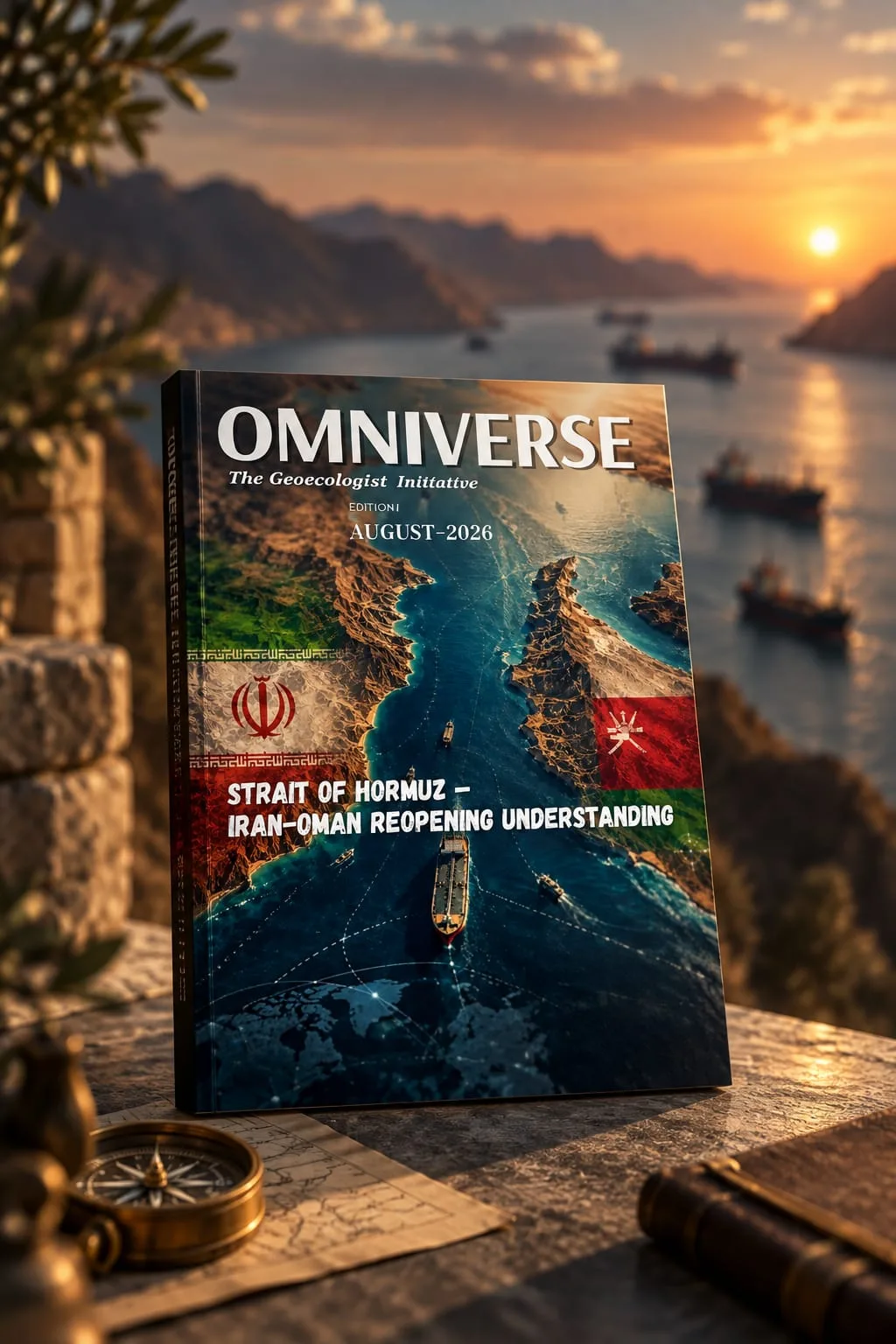
- Staying informed through curated resources like Omniverse August 2026 helps bridge the gap between abstract science and practical governance.
Understanding the Significance of the Dirac Medal
The Dirac Medal, named after the legendary physicist Paul Dirac, is awarded annually by the International Centre for Theoretical Physics (ICTP). It celebrates individuals whose work has profoundly advanced our understanding of the universe. When Dirac Medal 2026 Deepak Dhar was bestowed upon him, it highlighted decades of pioneering contributions in statistical mechanics, quantum field theory, and nonlinear dynamics. These fields may sound esoteric, but they underpin technologies ranging from satellite communications to predictive models used in agriculture and urban planning — areas directly relevant to public policy and administration.
For UPSC aspirants, comprehending the implications of such scientific milestones is crucial. Questions on science and technology often appear in the prelims and mains examinations, and having context around major awards and discoveries can make the difference between scoring average and excelling. Resources like Omniverse August 2026 provide accessible summaries of these developments without diluting their essence.
Who Is Deepak Dhar? A Brief Overview
Professor Deepak Dhar is a distinguished theoretical physicist affiliated with the Indian Institute of Science Education and Research (IISER) in Pune. Over the years, he has been recognized for his innovative approaches to solving problems in statistical mechanics, particularly in understanding phase transitions and critical phenomena. His work has also touched upon randomness in physical systems, which finds applications in financial modeling, epidemiology, and even social network analysis — all domains increasingly important in modern governance.
The announcement of Dirac Medal 2026 Deepak Dhar was met with widespread acclaim not just within India but globally. It underscores the growing influence of Indian scientists on the international stage and serves as an inspiration for young researchers. For civil service candidates, knowing about such figures enriches their General Studies preparation and demonstrates awareness of India’s role in global scientific progress.
How This Achievement Connects to Current Affairs
While the Dirac Medal might seem like a niche academic honor, its relevance extends far beyond university corridors. Consider the recent emphasis on climate resilience, disaster management, and technological self-reliance in national policies. Concepts developed by researchers like Dirac Medal 2026 Deepak Dhar contribute indirectly to these efforts by improving our ability to model and predict complex natural and human-made systems.
Take, for instance, the study of heatwaves and extreme weather events — both mentioned in Omniverse August 2026. Statistical methods pioneered by physicists help meteorologists create more accurate forecasts, enabling governments to issue timely warnings and implement adaptive strategies. Similarly, advancements in soil mapping and grassland conservation — also featured in the magazine — benefit from computational tools rooted in theoretical physics.
Why Interdisciplinary Knowledge Is Key for Competitive Exams
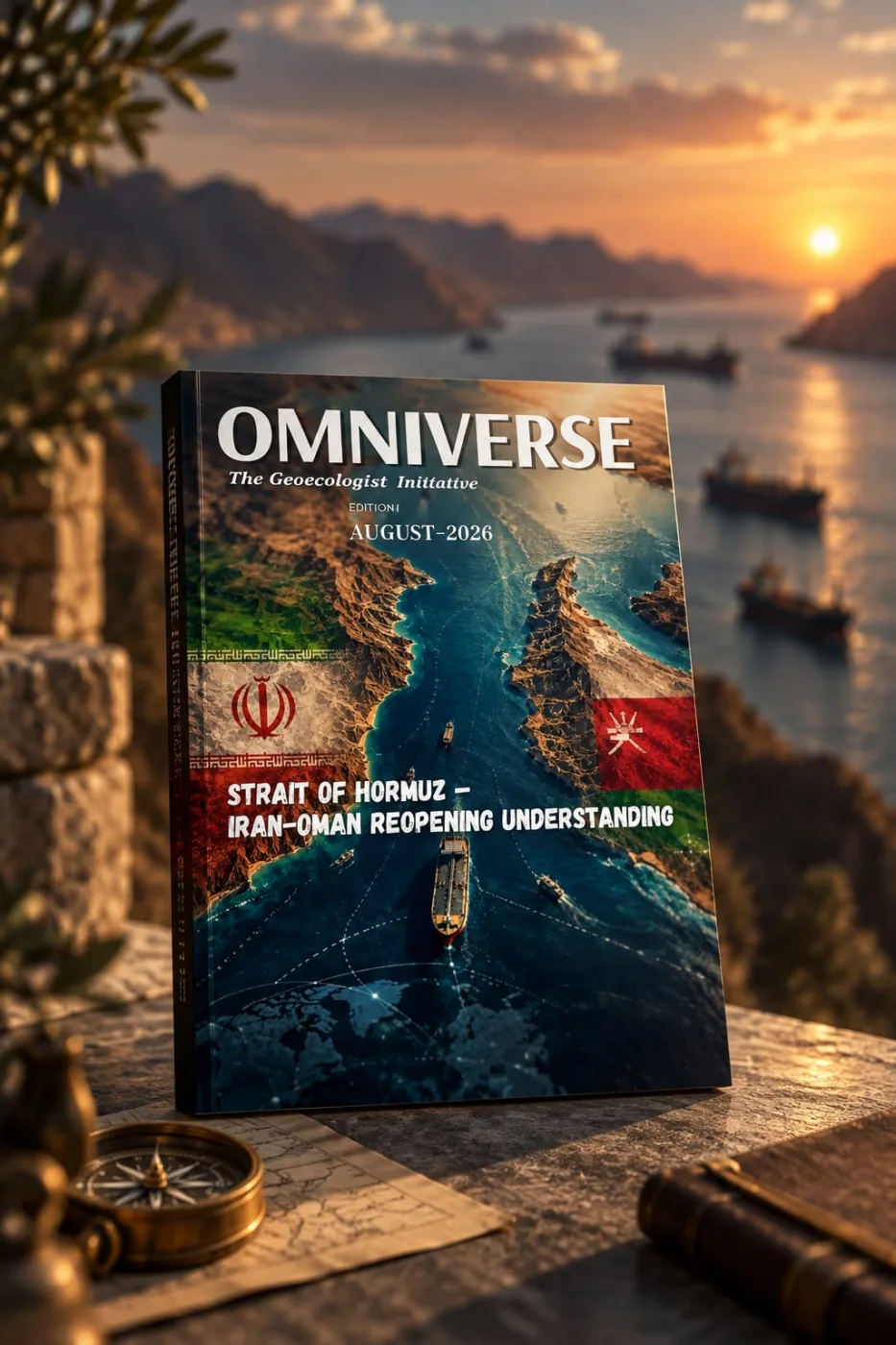
Modern competitive exams, especially the UPSC Civil Services Examination, demand more than rote memorization. They require an integrated approach where geography, environment, economics, and science converge. This is where publications like Omniverse August 2026 play a pivotal role. By weaving together diverse themes — from the Strait of Hormuz geopolitics to India’s first soil texture map — the magazine offers readers a panoramic view of contemporary issues.
The inclusion of Dirac Medal 2026 Deepak Dhar in such a publication reinforces the idea that science cannot exist in isolation. It must be understood alongside societal needs, ethical considerations, and policy frameworks. Aspirants who engage with content that fosters this kind of thinking are better equipped to tackle essay questions, answer writing, and analytical reasoning sections of the exam.
Evaluating Reliable Sources for Current Affairs
With an overload of information available online, distinguishing credible sources from noise is a significant challenge. Many websites publish sensational headlines without proper verification, leading to misinformation among students. Therefore, choosing trusted platforms becomes imperative.
Omniverse August 2026, published by The Geoecologist, stands out due to its rigorous editorial process and focus on quality over quantity. Each article undergoes peer review and fact-checking, ensuring accuracy and depth. Unlike generic news portals, it provides background context, historical perspectives, and future implications — exactly what serious learners need.
MOREOVER, THE MAGAZINE INCLUDES REFERENCES TO AUTHORITATIVE SOURCES SUCH AS WIKIPEDIA’S ENTRY ON THE DIRAC MEDAL AND OTHER PEER-REVIEWED LITERATURE, ALLOWING READERS TO VERIFY CLAIMS AND DIVE DEEPER INTO SUBJECTS OF INTEREST.
How to Use Omniverse for Effective Study
Simply downloading Omniverse August 2026 won’t guarantee success unless approached strategically. Here are some tips to maximize its utility:
- Create a Reading Schedule: Dedicate time each day to go through one section of the magazine.
- Summarize Key Points: After reading, jot down bullet points summarizing the main ideas.
- Link Topics to Syllabus: Map each article to specific parts of the UPSC syllabus to identify gaps.
- Revise Regularly: Revisit previous issues periodically to reinforce memory retention.
By following this method, learners ensure that their study remains structured and goal-oriented. Additionally, since Omniverse covers interdisciplinary topics, it naturally encourages holistic learning — a trait highly valued in administrative roles.
Conclusion: Staying Ahead Requires Smart Learning
In conclusion, the recognition of Dirac Medal 2026 Deepak Dhar is not merely a celebration of individual brilliance but a testament to how science fuels progress across sectors. Whether you’re an aspiring civil servant, researcher, or simply someone curious about the world, staying informed through reliable, well-curated content is indispensable.
This brings us back to Omniverse August 2026 — a free eMagazine designed to empower readers with insightful, interdisciplinary content. With features on global chokepoints, environmental milestones, and scientific accolades, it equips users with the knowledge needed to navigate today’s complex landscape. Download your copy today and join a community committed to lifelong learning and intellectual growth.
FAQs
What is the Dirac Medal awarded for?
The Dirac Medal is presented annually by the International Centre for Theoretical Physics to scientists who have made significant contributions to theoretical physics or mathematics.
Who received the Dirac Medal in 2026?
Professor Deepak Dhar was honored with the Dirac Medal in 2026 for his exceptional work in statistical mechanics and quantum field theory.
Is Omniverse August 2026 available for free?
Yes, Omniverse August 2026 is a free eMagazine published by The Geoecologist, accessible online without any subscription fees.
Can I cite sources from Omniverse in my answers?
Absolutely. The magazine includes references to authoritative sources, making it suitable for academic citation and further research.
Does Omniverse cover topics relevant to UPSC exams?
Yes, Omniverse integrates geography, environment, sociology, international relations, and current affairs — aligning closely with the UPSC syllabus.
Our Recommendation
📖 Part of our complete guide: geoecologist magazine: The Interdisciplinary Resource UPSC Aspirants and Researchers Need
Frequently Asked Questions
What is the significance of the Dirac Medal?
The Dirac Medal is one of the highest honors in theoretical physics, awarded by the International Centre for Theoretical Physics to recognize outstanding contributions to the field.
Why is Deepak Dhar's work important for students?
His research in statistical mechanics and nonlinear dynamics has practical applications in climate modeling, disaster prediction, and data analytics — topics relevant to competitive exams like the UPSC.
Where can I access Omniverse August 2026?
You can download Omniverse August 2026 for free from the official website of The Geoecologist, providing interdisciplinary insights into current affairs and scientific developments.