Blog
Geography Current Affairs: Session 6 for UPSC CSE Prelims 2021

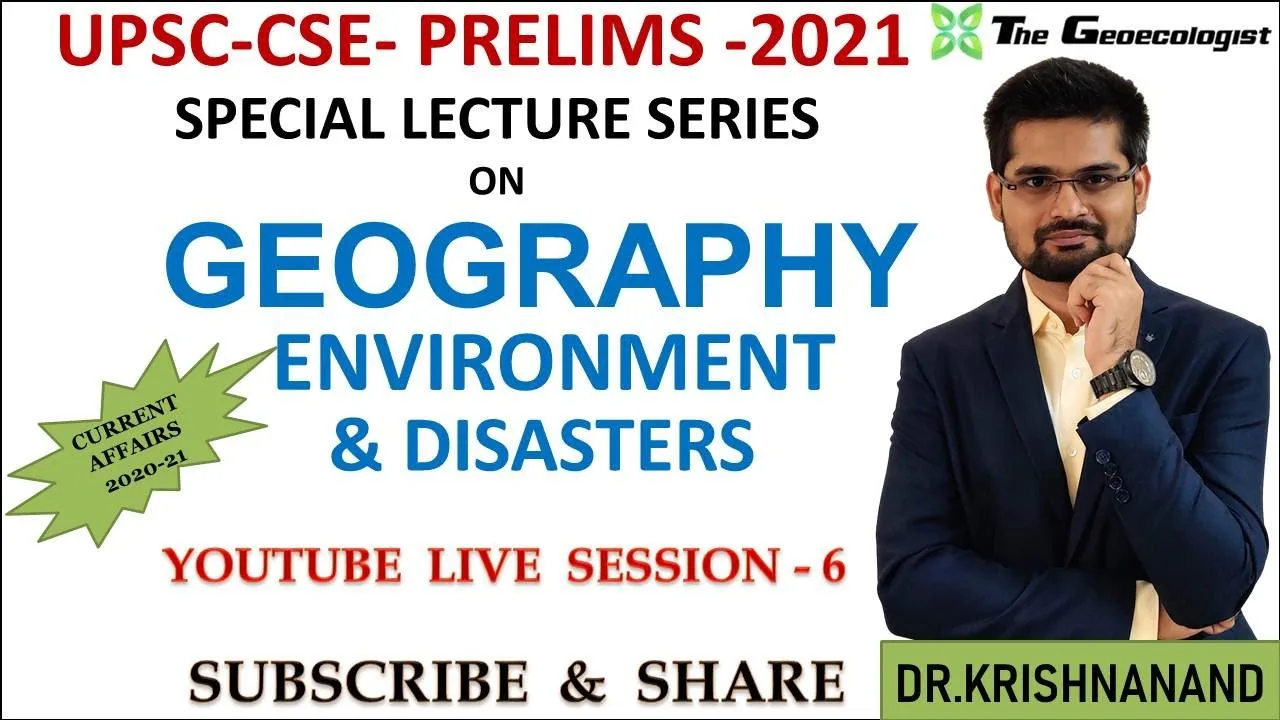
Table of Contents
- Geography Current Affairs Session 6: Core Themes
- Key Topics Covered in Detail
- Why Geography Current Affairs Matters for UPSC CSE Prelims 2021
- Study Tips Derived from Dr. Krishnanand's Methodology
- External Resources and Further Reading
- Interactive Community and Support System
- Conclusion: Leveraging Session 6 for Exam Success
Geography Current Affairs Session 6, presented by Dr. Krishnanand, stands as a cornerstone resource for UPSC CSE aspirants targeting the 2021 Prelims. This specialized lecture series is meticulously crafted to bridge the gap between static geography concepts and dynamic current affairs, ensuring candidates are well‑prepared for the evolving pattern of questions in the exam. In this comprehensive article, we will dissect the structure, highlight the crucial topics, and provide actionable study strategies that leverage the insights shared in Dr. Krishnanand’s sessions.
- Focus on the integration of physical and human geography with recent developments.
- Utilize the structured syllabus mapping provided in the lecture to prioritize high‑yield topics.
- Incorporate diagrammatic and visual aids explained by Dr. Krishnanand for better retention.
- Access supplementary e‑books and study material from the official TheGeoEcologist website for deeper exploration.
- Join the interactive community on Instagram for daily updates and doubt‑clearing sessions.
Geography Current Affairs Session 6: Core Themes
The opening session of Geography Current Affairs begins with an introduction to the significance of Geography Current Affairs in the UPSC CSE Prelims syllabus. Dr. Krishnanand emphasizes that the exam pattern now heavily leans towards questions that combine static geography with contemporary events such as climate summits, river interlinking projects, and disaster management exercises. He outlines a systematic approach: first, revise the fundamental concepts, then overlay them with the latest data from reputable sources like the Union Public Service Commission notifications and the Ministry of Environment, Forest and Climate Change.
Key Topics Covered in Detail
Session 6 delves into several high‑frequency areas, including:
- Recent changes in India’s coastal management policies and the impact on marine biodiversity.
- Urbanization trends and the emergence of smart cities under the BharatNet initiative.
- Disaster risk reduction strategies post‑Cyclone Amphan and the role of the National Disaster Management Authority (NDMA).
- Water scarcity challenges in the Gangetic basin and the interlinking of rivers project.
- Renewable energy adoption, especially solar and wind farms in the western and southern states.
Each topic is complemented with case studies, statistics, and maps that illustrate the spatial dimension of current events. Dr. Krishnanand also highlights the relevance of satellite data, referencing platforms such as NASA and EUMETSAT, which are frequently cited in UPSC questions.
Why Geography Current Affairs Matters for UPSC CSE Prelims 2021
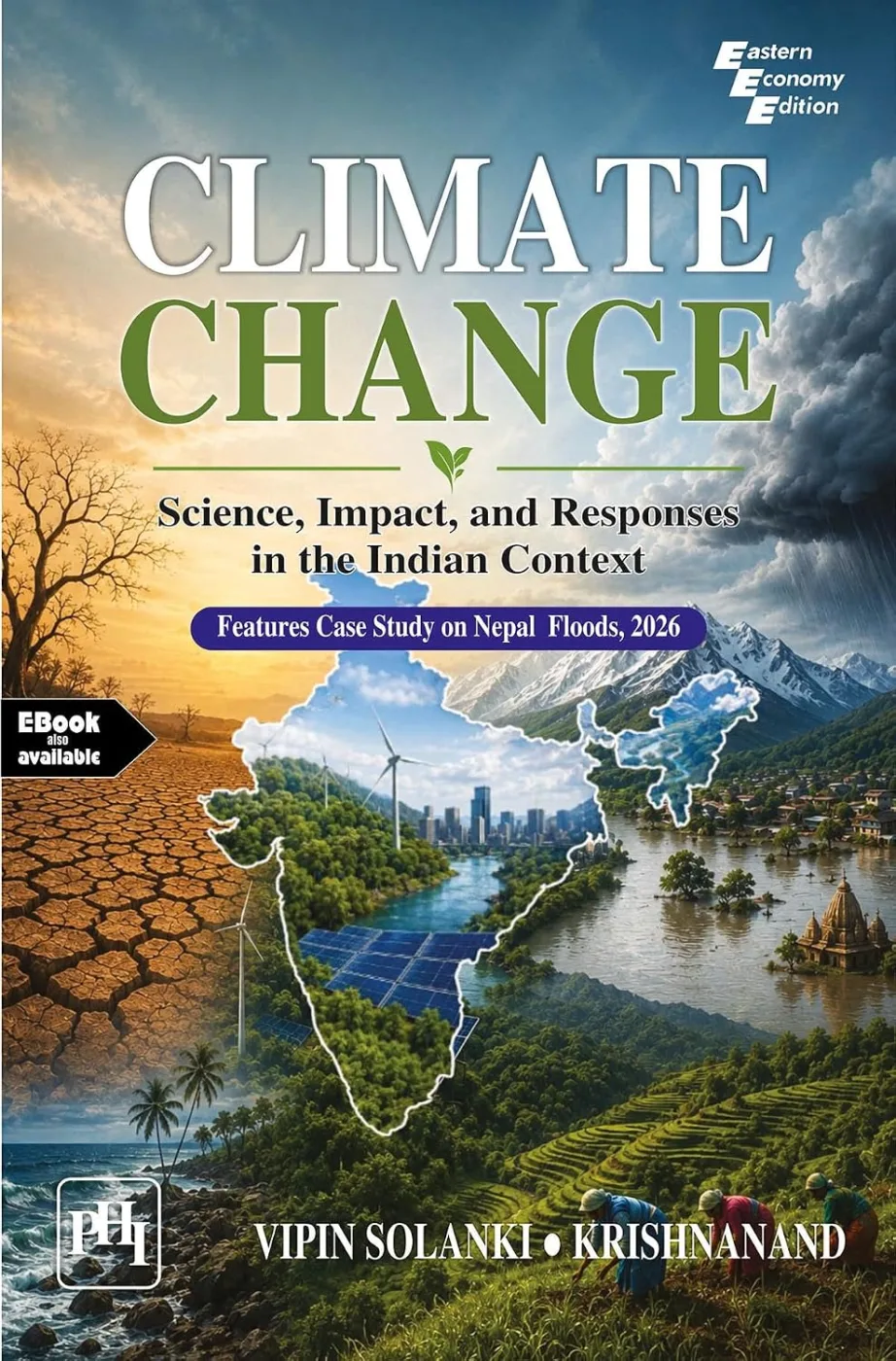
Geography Current Affairs is not merely an add‑on; it is an integral component of the Prelims syllabus that tests a candidate’s ability to correlate static knowledge with dynamic real‑world scenarios. The 2021 Prelims paper demonstrated a noticeable shift towards interdisciplinary questions that require an understanding of environmental policies, demographic shifts, and technological interventions. Candidates who have regularly engaged with Geography Current Affairs, especially through structured sessions like Dr. Krishnanand’s, find it easier to answer such questions within the stipulated time.
Statistical insight from previous years shows that questions from the Geography Current Affairs segment account for roughly 12‑14% of the total marks in the Prelims. This proportion underscores the necessity of a focused preparation strategy that incorporates the latest data, maps, and policy updates. The lecture series provides a ready‑made repository of these updates, curated by an expert with years of teaching experience for UPSC aspirants.
Study Tips Derived from Dr. Krishnanand’s Methodology
Dr. Krishnanand recommends a three‑phase study plan:
- Foundation Phase: Revisit NCERT textbooks for classes 6‑12 and the UPSC-specific geography manuals. This phase ensures that the static base is solid.
- Current Affairs Integration Phase: Simultaneously, follow reputable news sources such as The Hindu, Indian Express, and the official websites of government ministries. Use the lecture notes to filter out only those current affairs that directly impact geographical concepts.
- Application Phase: Solve previous years’ question papers and mock tests, focusing on the interplay between static and current topics. The GeoEcologist’s online portal offers a series of mock tests that mirror this approach.
One of the most effective tools shared during the session is the use of mind maps. Visual representation helps in quick recall and also aids in identifying connections between seemingly unrelated events, such as how a change in agricultural policy can influence land use patterns and, subsequently, water resources.
External Resources and Further Reading
To augment the learning experience, Dr. Krishnanand curates a list of external resources that are frequently referenced in the lectures. These include:
- The official website of the Ministry of Environment, Forest and Climate Change (https://moef.gov.in) for policy updates and reports.
- The Wikipedia page on Dr. Krishnanand for biographical details and academic contributions.
- NASA’s Earth Observation data portal (https://earthdata.nasa.gov) for satellite imagery and climate data.
These resources are linked within the lecture slides, enabling students to navigate directly to the relevant information without leaving the learning environment. Moreover, the GeoEcologist’s YouTube channel maintains a playlist of all sessions, each embedded with these hyperlinks for easy access.
Interactive Community and Support System
Beyond the video content, the GeoEcologist fosters an interactive community through its Instagram handle (@thegeoecologist). Followers receive daily current affairs briefs, quick clarification videos, and opportunities to ask questions directly to Dr. Krishnanand. This real‑time engagement ensures that aspirants stay updated and receive personalized guidance, a feature that has significantly improved success rates among its subscribers.
Conclusion: Leveraging Session 6 for Exam Success
Geography Current Affairs Session 6 is more than a lecture; it is a strategic blueprint for cracking the UPSC CSE Prelims 2021. By integrating the latest data, visual learning techniques, and community support, Dr. Krishnanand equips candidates with the tools needed to tackle the exam’s dynamic nature. Aspirants are encouraged to complement this session with regular revisions, practice tests, and active participation in the GeoEcologist’s online ecosystem to maximize their chances of success.
For any queries, collaboration, or further assistance, reach out via email at krishna.geography@gmail.com. Visit the website https://thegeoecologist.com to download e‑books, study material, and access the complete lecture series.
Stay tuned, stay prepared, and let Geography Current Affairs be your guiding star in the journey toward achieving your UPSC dreams.
Frequently Asked Questions
The session covers recent coastal management policies, urbanization and smart cities, disaster risk reduction post‑Cyclone Amphan, river interlinking projects, and renewable energy adoption across India.
Visit the official TheGeoEcologist website at https://thegeoecologist.com/ to download e‑books, study guides, and the complete lecture series.
Yes, join the GeoEcologist's Instagram community (@thegeoecologist) for daily current affairs briefs, quick videos, and live Q&A sessions with Dr. Krishnanand.