Blog
Indian Plate Tectonics: The Epic Journey of a Continent

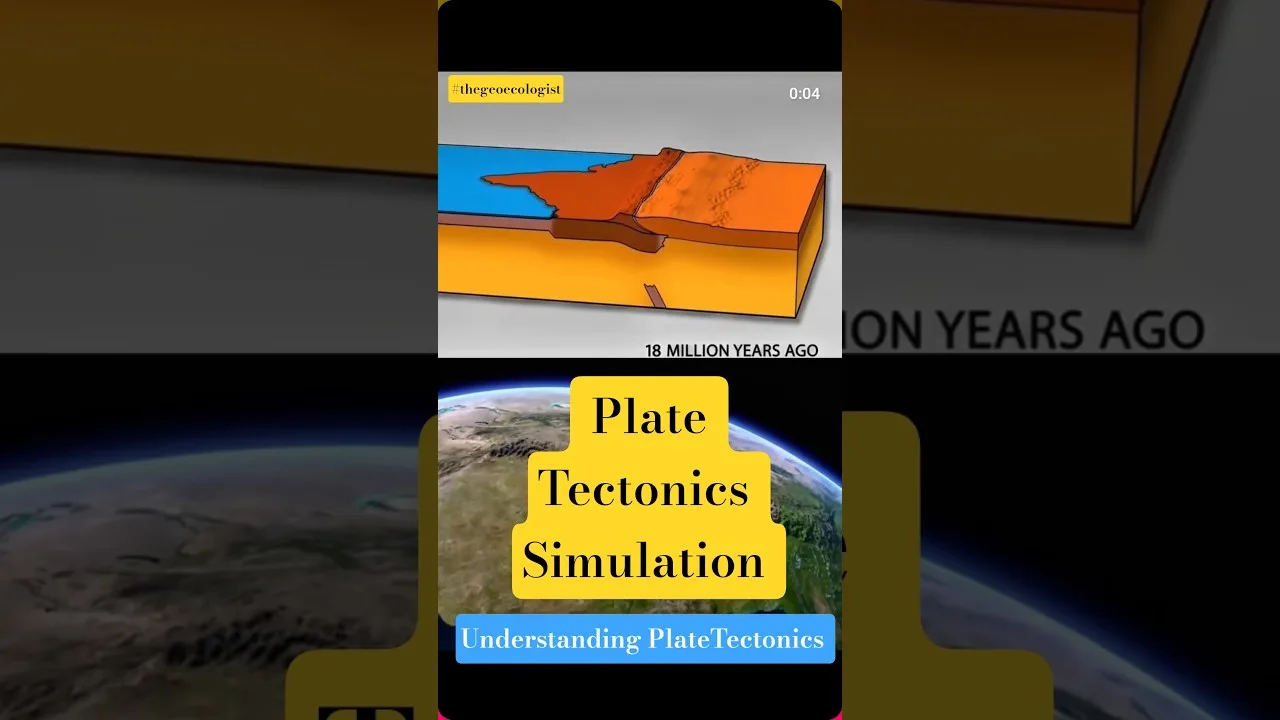
Table of Contents
- The Great Escape: Breaking Free from Gondwana
- The Big Collision: How the Himalayas Were Born
- The Seismic Toll: Living with Tectonic Pressure
- India’s Tectonic Playground: Regional Dynamics
- The Arabian Plate and the Rift in Rajasthan
- The Java Trench and the Australian Plate
- The Burma Plate and Tsunami Risks
- Why Understanding Indian Plate Tectonics Matters Today
- 1. Living with Tremors and Seismic Risk
- 2. The Source of Mineral Riches
- 3. Climate Regulation and Agriculture
- Conclusion: The Unending Drama of the Earth
Understanding Indian plate tectonics is essential to grasping how our planet’s surface is constantly being reshaped by massive, slow-motion collisions. The geological history of the Indian subcontinent is not just a series of events; Indian plate tectonics is a high-stakes tectonic thriller that has transformed the Earth’s geography, climate, and biological evolution over hundreds of millions of years.
- Rapid Movement: The Indian plate once traveled at speeds ten times faster than modern tectonic plates.
- Mountain Formation: The collision between the Indian and Eurasian plates birthed the Himalayas.
- Volcanic Impact: The Deccan Traps were formed by mantle hotspots during this journey.
- Ongoing Activity: Subduction and compression continue to cause significant seismic activity today.
The Great Escape: Breaking Free from Gondwana
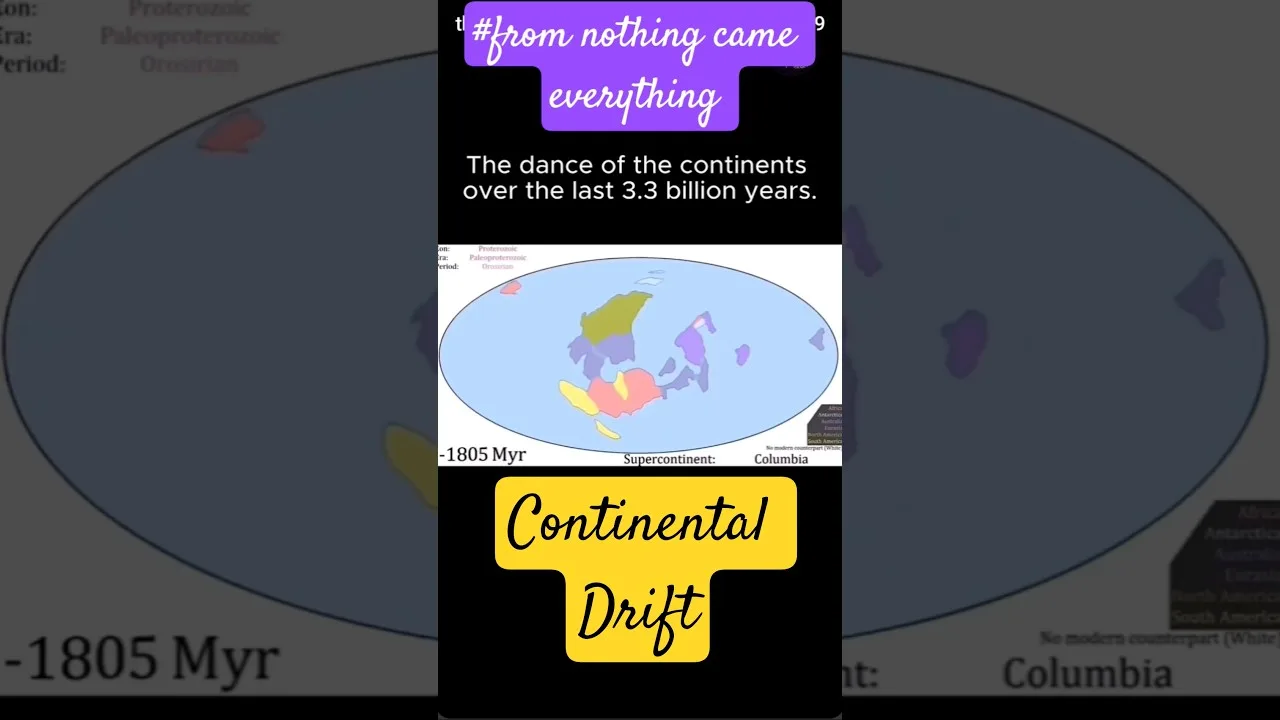
To understand the current state of Indian plate tectonics, we must travel back approximately 200 million years. At that time, the landmass we now call India was not a separate entity but a vital piece of the supercontinent Gondwana. This massive landmass included what is now Africa, South America, Antarctica, Australia, and the Indian subcontinent. However, tectonic forces began to pull these pieces apart, initiating a journey that would change the world forever.
The Indian plate did not just drift; Indian plate tectonics raced. Unlike the current average movement of tectonic plates, which is roughly 2 to 5 cm per year, the Indian plate moved at a staggering 20 cm per year. This high-velocity movement across the Tethys Sea is a subject of intense study among geologists. Some researchers suggest that an ocean subduction zone acted like a booster rocket, propelling the plate northward toward the Eurasian landmass.
During this rapid transit, the plate encountered massive mantle hotspots. These hotspots triggered the formation of the Deccan Traps, a vast region of solidified flood basalt. This volcanic fury covered nearly half of present-day India in layers of lava, leaving behind a geological scar that remains visible today. This period of Indian plate tectonics highlights how internal planetary heat drives the movement of entire continents.
The Big Collision: How the Himalayas Were Born
Approximately 50 million years ago, the high-speed journey of the Indian plate reached its climax. The plate collided with the Eurasian plate in a massive continental-continental collision. In the realm of Indian plate tectonics, this is considered one of the most significant geological events in Earth’s history. Unlike oceanic crust, which is dense and tends to sink (subduct) beneath continental crust, both the Indian and Eurasian plates were too buoyant to be forced deep into the mantle.
Instead of subducting, the crust buckled, folded, and thickened. This process, known as orogeny, caused the Earth’s crust to rise vertically, creating the Himalayan mountain range. While the process seems slow to us, in geological terms, the mountains rose with incredible speed. Even today, the impact of Indian plate tectonics is evident as Mount Everest continues to rise at a rate of approximately 1 cm per year due to the ongoing pressure from the northward push of the plate.
This collision did more than just create mountains; it altered the global climate. The rise of the Himalayas created a physical barrier that redirected monsoon winds, playing a critical role in the seasonal weather patterns that sustain billions of people across Asia. Without this specific interaction of Indian plate tectonics, the ecological and agricultural landscape of South Asia would be unrecognizable.
The Seismic Toll: Living with Tectonic Pressure
The collision is far from over. The immense compressive forces at the plate boundary continue to accumulate stress within the Earth’s crust. When this stress exceeds the strength of the rocks, it is released as earthquakes. This makes the region a global hotspot for seismic activity. The 2015 Nepal earthquake is a tragic example of this ongoing geological tension, where a massive release of energy resulted in thousands of fatalities and widespread destruction.
Geologists monitor these movements closely using advanced GPS and satellite technology. They are particularly interested in the phenomenon of ‘delamination’ under Tibet. Recent studies suggest that the lower part of the Indian plate may be peeling away from the upper crust, much like a clay slab being stripped off a base. This process could potentially lead to even more significant seismic shifts in the future.
India’s Tectonic Playground: Regional Dynamics
The influence of Indian plate tectonics extends far beyond the peaks of the Himalayas. The entire region is a complex playground of shifting plates and emerging rifts.
The Arabian Plate and the Rift in Rajasthan
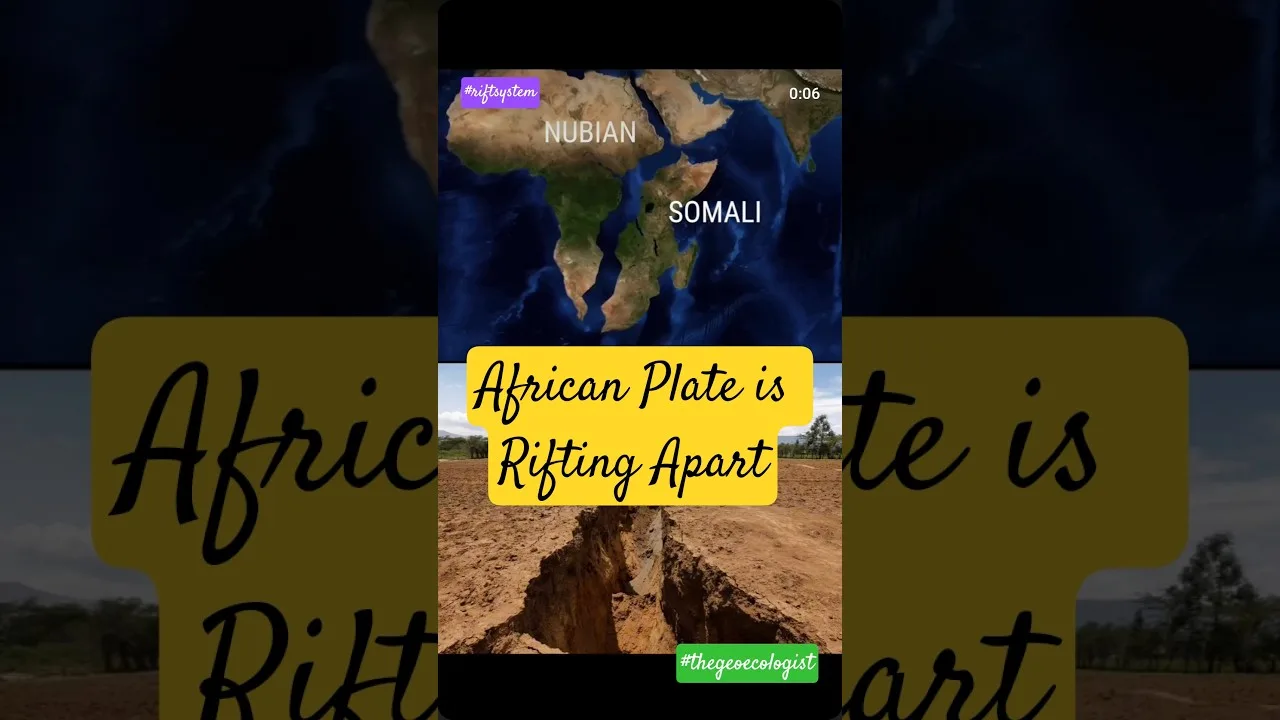
To the west, the interaction between the Indian plate and the Arabian plate is creating new geological features. In the Barmer region of Rajasthan, there are hints of a fiery rift that could eventually lead to the formation of a new ocean basin. This process, known as rifting, is the precursor to seafloor spreading, demonstrating that the continent is still actively being pulled apart in certain zones.
The Java Trench and the Australian Plate
To the east and south, the dynamics shift toward subduction. The interaction with the Australian plate near the Java Trench creates deep underwater trenches and triggers volcanic activity. These underwater volcanoes pose a constant threat of mega-tsunamis, which can devastate coastal populations across the Indian Ocean.
The Burma Plate and Tsunami Risks
The eastern edges of the plate, near Burma, are also highly active. The subduction of the Indian plate beneath the Burma plate is a primary driver for devastating events like the 2004 Indian Ocean tsunami. Understanding these boundaries is vital for disaster preparedness and coastal management in the region.
Why Understanding Indian Plate Tectonics Matters Today
The study of Indian plate tectonics is not merely an academic pursuit; it has profound implications for modern civilization. From urban planning to resource management, the geological history of the land dictates the future of its inhabitants.
1. Living with Tremors and Seismic Risk
A significant portion of India—roughly 60%—is classified as earthquake-prone. Major metropolitan areas like Delhi are situated near active fault lines. The potential for a “Big One”—a massive, high-magnitude earthquake—is a constant concern for urban planners and government agencies. Mitigating this risk requires deep knowledge of the sub-surface movements dictated by Indian plate tectonics.
2. The Source of Mineral Riches
The intense heat and pressure generated during the collision of plates have forged the planet’s most valuable mineral belts. The complex geological history of the subcontinent has led to the formation of significant deposits of mica, coal, and gold. These resources are the backbone of India’s industrial economy, and their location is directly tied to ancient tectonic movements.
3. Climate Regulation and Agriculture
As mentioned earlier, the Himalayas act as a climate regulator. By blocking cold winds from the north and trapping moisture-laden monsoon winds, the mountains ensure the rainfall necessary for agriculture. The stability of the monsoon is directly linked to the height and structure of the mountains, which in turn is a product of Indian plate tectonics.
Conclusion: The Unending Drama of the Earth
In summary, Indian plate tectonics represents one of the most dynamic and transformative processes on Earth. From the rapid journey across the Tethys Sea to the monumental rise of the Himalayas, the movement of the Indian plate has shaped the very essence of the continent. While these movements bring challenges like earthquakes and volcanic activity, they also provide the resources and climate conditions that allow life to flourish.
As we move forward, the study of these movements becomes even more critical. Whether it is predicting seismic activity or managing natural resources, our understanding of the Earth’s shifting crust remains our best tool for navigating an unpredictable future. The story of the Indian plate is a reminder that the Earth is a living, breathing, and constantly changing entity.
For those interested in visual learners, we recommend searching for “Scotese Indian Plate Animation” to see a high-quality simulation of these movements. For more in-depth geological studies, you can visit authoritative scientific portals like Wikipedia or explore academic papers on Nature.
Frequently Asked Questions
During its journey north, the Indian plate moved at an exceptionally high speed of about 20 cm per year, which is much faster than modern plate movements.
Earthquakes occur because the Indian plate is still actively colliding with the Eurasian plate, creating ongoing compression and stress in the Earth's crust.
The Himalayas were formed by a continental-continental collision between the Indian plate and the Eurasian plate approximately 50 million years ago.