Blog
Plate tectonics tsunami: How Earth’s Movements Trigger Catastrophic Waves

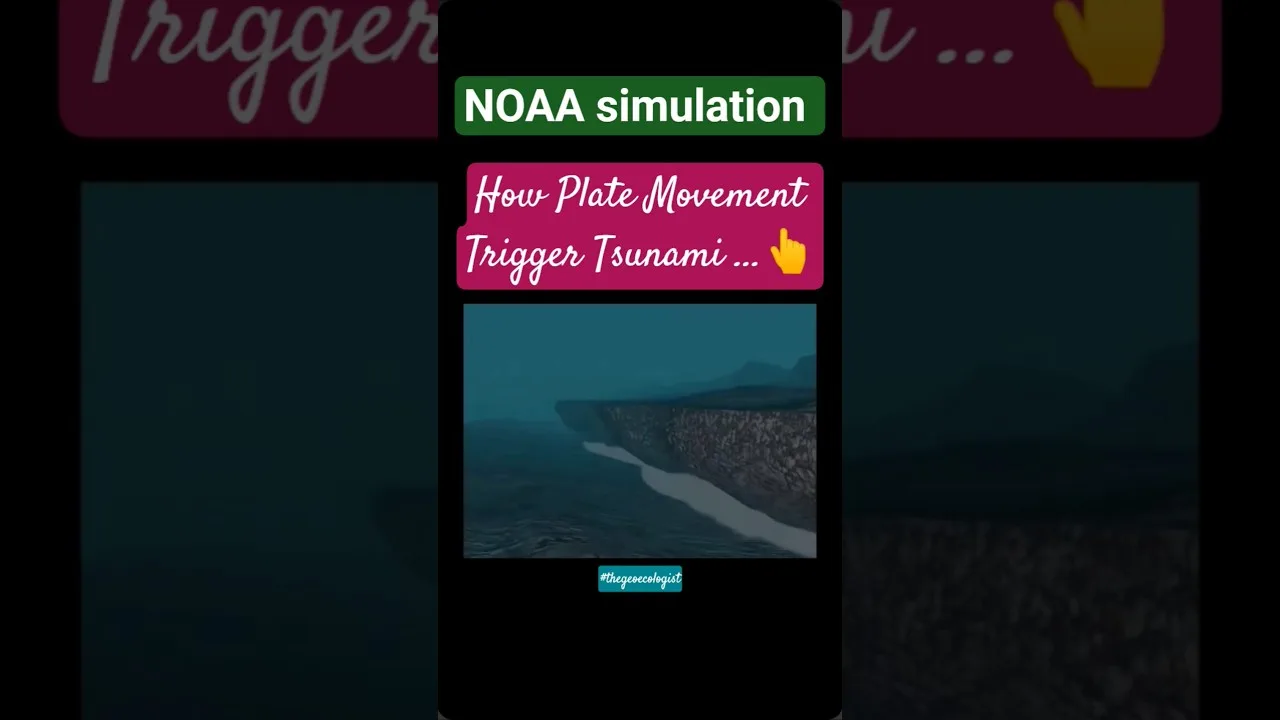
Table of Contents
- The Science Behind Plate Tectonics Tsunami
- Subduction Zones: The Primary Culprits
- Earthquake Dynamics and Seafloor Deformation
- Wave Formation and Propagation
- Historical Plate Tectonics Tsunami Events
- Modern Monitoring and Forecasting
- Early Warning Systems
- Role of International Collaboration
- Key Takeaways for Coastal Communities
- Future Research Directions
- Frequently Asked Questions
Plate tectonics tsunami is a term that describes the powerfulmens that arise when the Earth’s plates shift beneath the oceans. In this article we explore the detailed mechanics behind a plate tectonics tsunami, the science, history, and modern-day monitoring that helps protect coastal communities.
- Subduction zones are the main source of plate tectonics tsunami.
- Seafloor displacement during an earthquake creates the initial wave.
- Modern sensors and models allow early warnings for plate tectonics tsunami.
- Historical events show the devastating potential of plate tectonics tsunami consumenten.
- Understanding the process is key to improving tsunami preparedness.
The Science Behind Plate Tectonics Tsunami
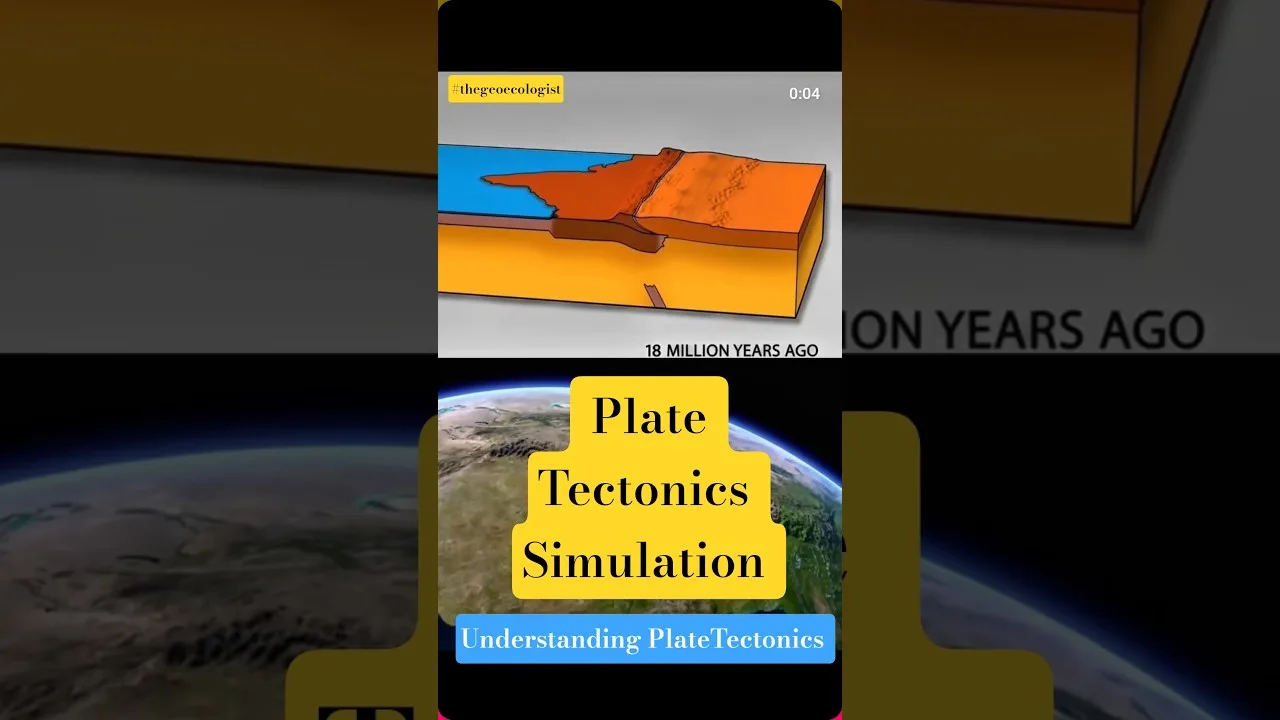
Plate tectonics tsunami begins with the slow but relentless motion of the Earth’s lithospheric plates. When two plates collide, one may be forced under the other in a process known as subduction. The friction between the plates builds up enormous stress. When the stress overcomes friction, the plates suddenly slip, causing an earthquake that displaces the seafloor. This vertical displacement of the ocean floor is what creates the initial pulse of a plate tectonics tsunami. The energy released travels across the ocean as a series of waves that are initially small in height but can grow dramatically as they approach shallow coastal areas.
Subduction Zones: The Primary Culprits
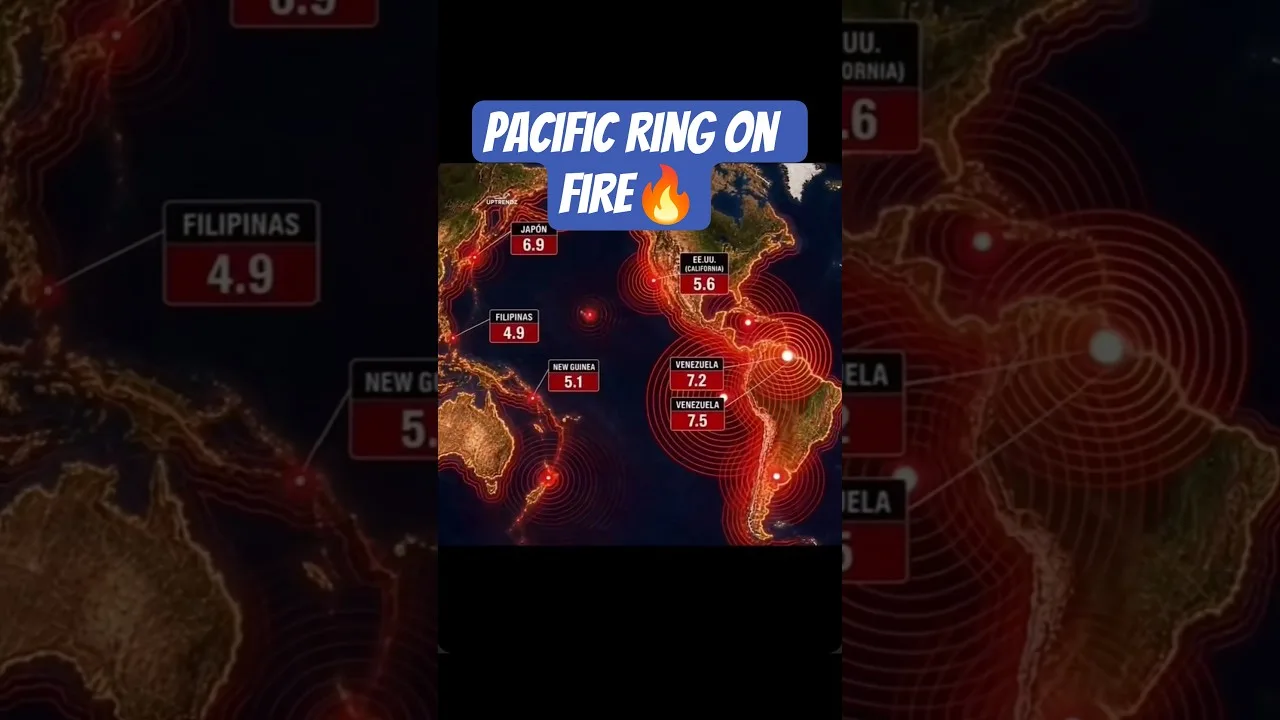
Subduction zones are the most frequent sites for plate tectonics tsunami. The Pacific Ring of Fire, an arc of tectonic plates around the Pacific Ocean, hosts over 80% of the world’s subduction zones. In these zones, the den credibility of the oceanic plate can be more than 10 kilometers thick, and the rate of plate motion can exceed 10 centimeters per year. The 2004 Indian Ocean tsunami, the 2011 Tohoku tsunami, and the 2018 Sulawesi tsunami are all classic examples of plate tectonics tsunami triggered by subduction zone earthquakes.
Earthquake Dynamics and Seafloor Deformation
During a plate tectonics tsunami, the earthquake that triggers the event can be a megathrust earthquake, with a magnitude of 8.0 or greater. The seafloor is lifted or dropped in a sudden explosion, moving a huge volume of water. The vertical displacement can be several meters, and the horizontal shear can extend for hundreds of kilometers along the fault line. The resulting wave travels at speeds of up to 500 miles per hour in the deep ocean.
Wave Formation and Propagation
Once the seafloor moves, the water above follows the sudden change, creating a waveując that travels outward in all directions. As the wave reaches shallower depths, the speed decreases, but the energy is compressed, causing the wave height to increase dramatically. This process, called shoaling, can transform a modest wave into a towering wall of water that can destroy coastal infrastructure in seconds.
Historical Plate Tectonics Tsunami Events
The 2004 Indian Ocean tsunami killed more than 230,000 people and devastated 14 countries. The 2011 Tohoku tsunami triggered a nuclear crisis at Fukushima. The 2018 Sulawesi tsunami, with a wave height of 4.3 meters, claimed 4,000 lives. Each of these events illustrates the devastating potential of plate tectonics tsunami and the importance of rapid detection and warning.
Modern Monitoring and Forecasting
Modern technology has transformed our ability to detect and predict plate tectonics tsunami. The Global Seismographic Network monitors seismic activity worldwide. In addition, the NOAA Pacific Tsunami Warning Center uses a network of ocean buoys that measure sea-level changes in real time. When a sudden rise or drop is detected, the center calculates the potential wave height and sends alerts to coastal authorities. The use of satellite altimetry also helps track the wave as it travels across the ocean.
Early Warning Systems
Early warning systems rely on the rapid dissemination of information. The system typically issues a warning within 30 minutes of theмеч earthquake, giving coastal communities time to evacuate. In 2011, the Japanese Tsunami Warning System issued alerts within 5 minutes, saving thousands of lives. The U.S. National Oceanic and Atmospheric Administration (NOAA) also provides a free mobile app that delivers real-time tsunami alerts to users on the coast.
Role of International Collaboration
International collaboration is vital for effective plate tectonics tsunami mitigation. Organizations such as the International Tsunami Information Network and the Global Disaster Alert System share data and best practices. These collaborations help improve the accuracy and speed of tsunami forecasts worldwide.
Key Takeaways for Coastal Communities
Coastal communities can reduce the risk from plate tectonics tsunami by developing evacuation plans, maintaining sturdy levees, and ensuring that emergency shelters are well-placed scrolling. In addition, public education programs can raise awareness about the signs of an approaching tsunami and the importance of adhering to evacuation orders.
Future Research Directions
Scientists are working on improving tsunami models by incorporating more accurate bathymetric data and advanced computer simulations.artement) These advances will help predict wave heights and arrival times with greater precision, providing more reliable warnings for plate tectonics tsunami.
For more detailed information on how plate tectonics tsunami occur, you can visit NOAA’s official tsunami page and read the Wikipedia article on subduction zone to understand the underlying geology. National Geographic also offers an insightful article on plate tectonics that explains the broader context of these powerful forces.
Frequently Asked Questions
- What causes a plate tectonics tsunami? A plate tectonics tsunami is caused by the sudden movement of tectonic plates during an earthquake, which displaces the seafloor and generates a wave.
- How quickly can a plate tectonics tsunami reach the coast? Depending on the distance, a plate tectonics tsunami can arrive within minutes to hours after the triggering earthquake.
- What can individuals do to prepare for a plate tectonics tsunami? Individuals should familiarize themselves with evacuation routes, keep emergency supplies ready, and heed official warnings promptly.
Frequently Asked Questions
A plate tectonics tsunami is caused by the sudden movement of tectonic plates during an earthquake, which displaces the seafloor and generates a wave.
Depending on the distance, a plate енгіз tectonics tsunami can arrive within minutes to hours after the triggering earthquake.
Individuals should familiarize themselves with evacuation routes, keep emergency supplies ready, and heed official warnings promptly.