Blog
Melting Glaciers: Why Rapid Ice Loss Is a Global Emergency

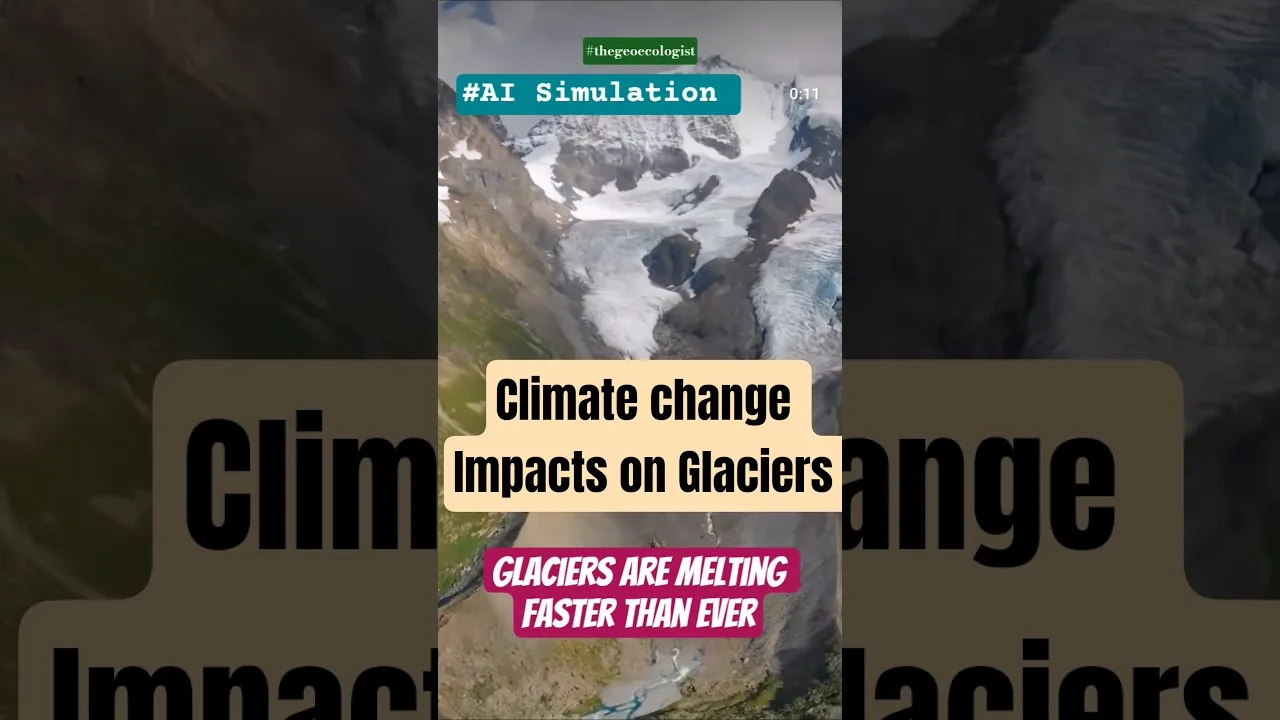
Table of Contents
- The Science Behind Melting Glaciers
- Energy Balance and Mass Balance
- Regional Hotspots of Glacial Retreat
- The Himalayas and High Mountain Asia
- The European Alps
- Western North America
- Polar Ice Sheets: Greenland and Antarctica
- Cascading Consequences of Melting Glaciers
- Sea-Level Rise and Coastal Inundation
- Freshwater Scarcity and the "Peak Water" Phenomenon
- Ecosystem Transformation and Biodiversity Loss
- Geohazards: Glacial Lake Outburst Floods (GLOFs)
- Monitoring Melting Glaciers: Technology and Observations
- Key Metrics and Indicators
- Future Projections: Scenarios for Melting Glaciers
- Mitigation and Adaptation Strategies
- Global Mitigation: The Primary Lever
- Regional Adaptation Measures
- The Socioeconomic Dimension of Glacial Loss
- Conclusion: The Fate of Melting Glaciers Is in Our Hands
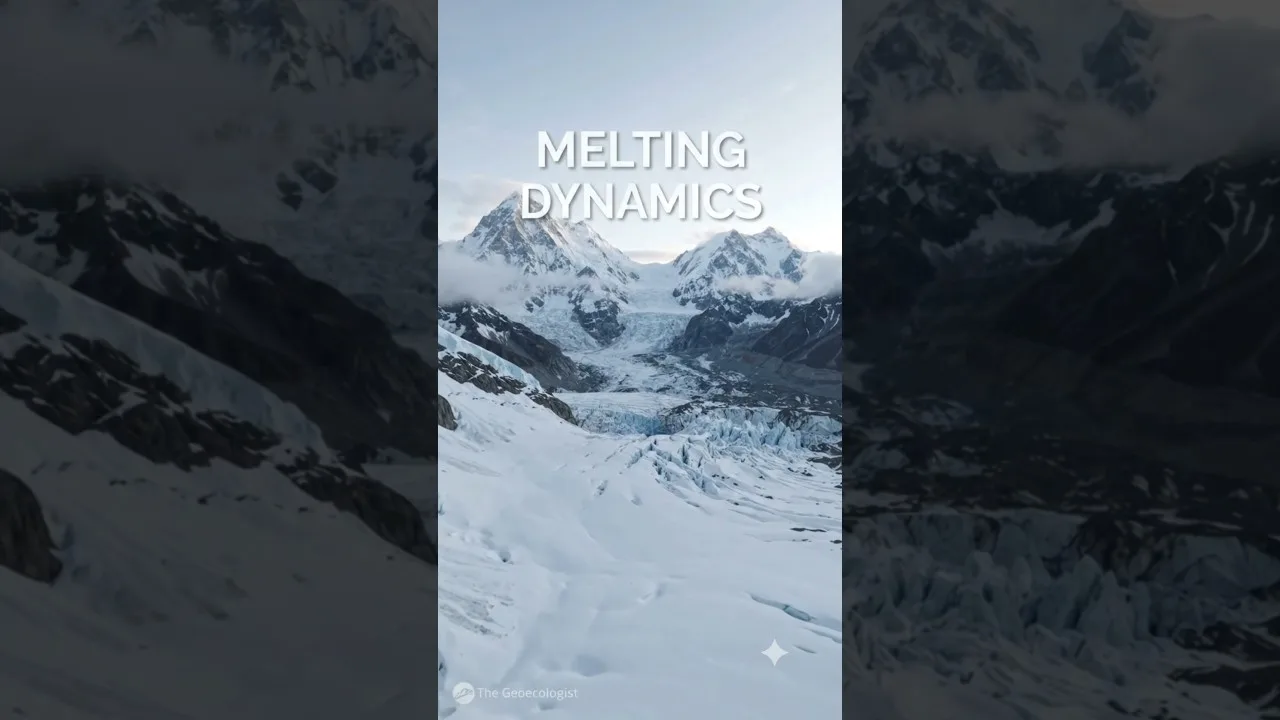
Melting glaciers represent one of the most visible and alarming indicators of our changing climate. From the towering peaks of the Himalayas to the vast ice sheets of Greenland and Antarctica, these ancient reservoirs of frozen freshwater are disappearing at an unprecedented rate. This phenomenon is not a distant, abstract problem; it is a stark and present reality driven primarily by human-induced global warming. Understanding the causes, consequences, and potential solutions for melting glaciers is essential for policymakers, scientists, and citizens alike.
- Accelerating Ice Loss: Glaciers worldwide are losing mass at accelerating rates, with some regions experiencing ice loss five times faster than in the 1990s.
- Sea Level Rise: Meltwater from glaciers contributes significantly to global sea-level rise, threatening coastal communities and infrastructure worldwide.
- Water Security Threat: Millions depend on seasonal glacial meltwater for drinking, agriculture, and hydropower; shrinking glaciers jeopardize this vital resource.
- Ecosystem Disruption: Glacial retreat alters river temperatures, flow patterns, and habitats, endangering biodiversity from microorganisms to apex predators.
- Urgency of Action: Rapid decarbonization and adaptation strategies are critical to slow glacial loss and mitigate cascading global impacts.
The Science Behind Melting Glaciers
The fundamental driver of melting glaciers is the increase in global average temperatures caused by the accumulation of greenhouse gases in the atmosphere. Since the pre-industrial era, human activities—primarily the burning of fossil fuels like coal, oil, and natural gas—have raised atmospheric carbon dioxide concentrations from approximately 280 parts per million to over 420 ppm as of 2024. This enhanced greenhouse effect traps outgoing longwave radiation, warming the planet’s surface and lower atmosphere.
Energy Balance and Mass Balance
A glacier’s health is determined by its mass balance: the difference between accumulation (snowfall that compacts into ice) and ablation (melting, sublimation, and calving). When temperatures rise, the ablation season lengthens and intensifies, while warmer air holds more moisture, paradoxically sometimes increasing snowfall at high elevations but more often shifting precipitation from snow to rain at lower elevations. This negative mass balance causes glaciers to thin and retreat.
According to the Intergovernmental Panel on Climate Change (IPCC), glaciers globally lost an average of 267 gigatons of ice per year between 2000 and 2019, with the rate of loss accelerating by roughly 48 gigatons per year each decade. This acceleration underscores the non-linear response of ice to warming.
Regional Hotspots of Glacial Retreat
The Himalayas and High Mountain Asia
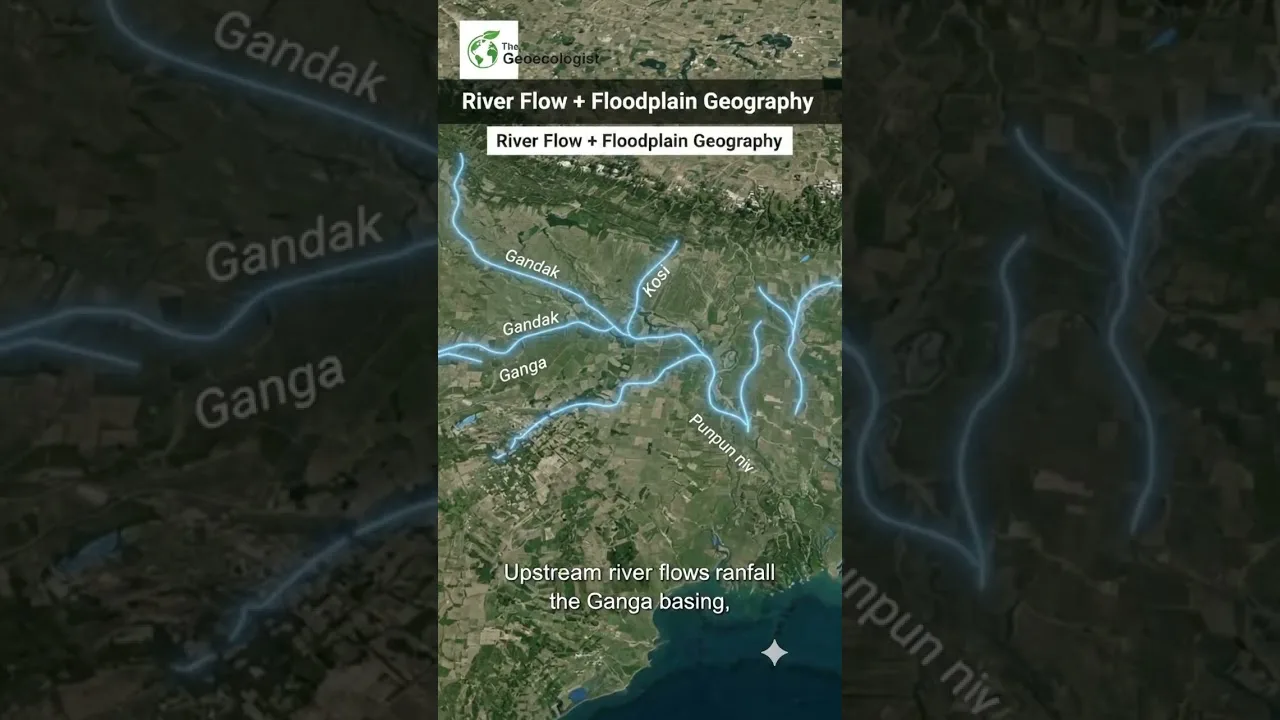
Often called the “Third Pole,” the Hindu Kush Himalaya region contains the largest volume of ice outside the polar regions. Melting glaciers here feed ten major river systems—including the Ganges, Indus, Brahmaputra, Yangtze, and Mekong—supporting nearly two billion people downstream. A 2021 study published in Nature found that Himalayan glaciers have lost ice at double the rate since 2000 compared to the previous 25 years. If warming continues unabated, the region could lose up to two-thirds of its glacial volume by 2100.
The European Alps
The Alps have lost approximately 50% of their glacial volume since 1850, with the rate of loss accelerating dramatically since the 1980s. The summer of 2022 saw record-breaking melt across the Alps, with Switzerland’s glaciers losing 6% of their remaining volume in a single year—the worst on record. This melting glaciers trend threatens tourism, hydropower, and slope stability.
Western North America
Glaciers in the Coast Mountains, Rocky Mountains, and Cascade Range are retreating rapidly. Glacier National Park in Montana, USA, had an estimated 150 glaciers in 1850; fewer than 25 active glaciers remain today. The park’s namesake features may vanish entirely within decades, illustrating the cultural and ecological losses accompanying melting glaciers.
Polar Ice Sheets: Greenland and Antarctica
While technically ice sheets rather than glaciers, the Greenland and Antarctic ice sheets are the largest potential contributors to future sea-level rise. Greenland’s ice loss has increased sevenfold since the 1990s, while Antarctica’s contribution has tripled. The NASA Vital Signs dashboard shows Greenland losing approximately 270 billion metric tons of ice annually and Antarctica losing roughly 150 billion metric tons per year as of recent measurements.
Cascading Consequences of Melting Glaciers
Sea-Level Rise and Coastal Inundation
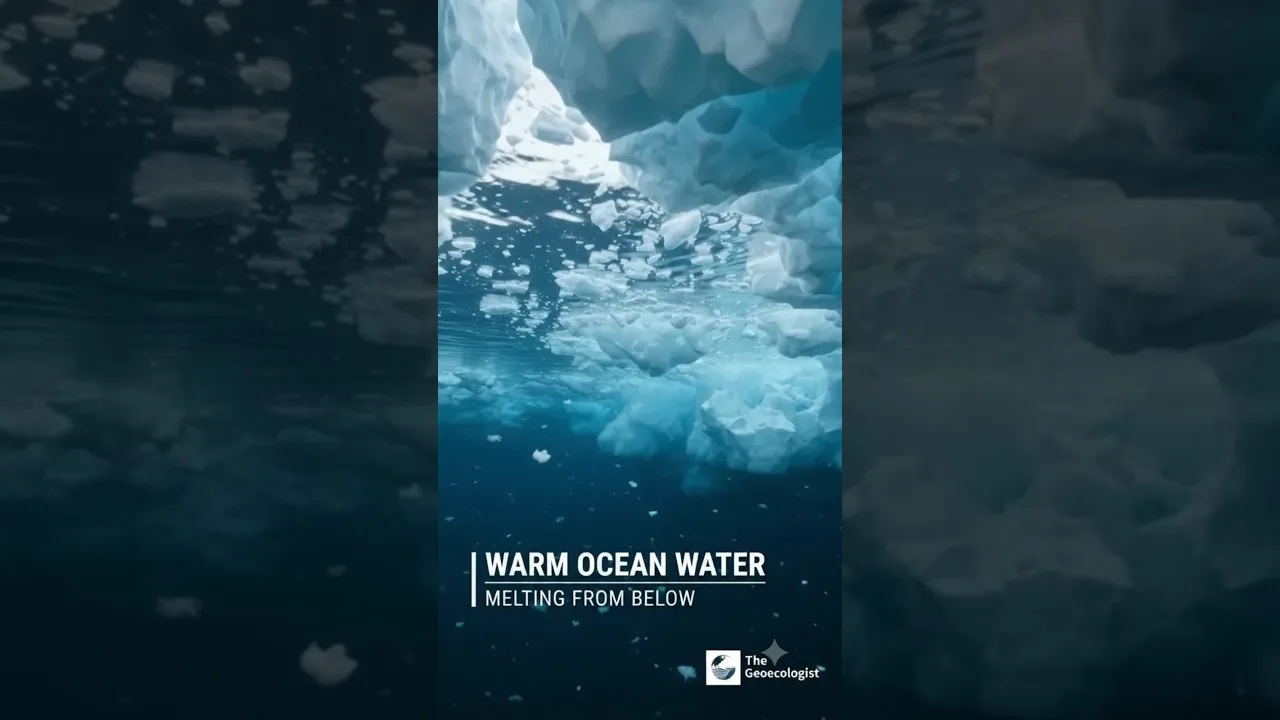
Melting glaciers currently contribute approximately 21% of observed global sea-level rise, a proportion that will grow as ice sheets accelerate. Since 1900, global mean sea level has risen by roughly 20 centimeters, with the rate doubling from 1.4 mm/year to 3.6 mm/year in recent decades. By 2100, projections range from 0.3 to 1.1 meters depending on emission scenarios, threatening coastal megacities, small island nations, and critical infrastructure.
Freshwater Scarcity and the “Peak Water” Phenomenon
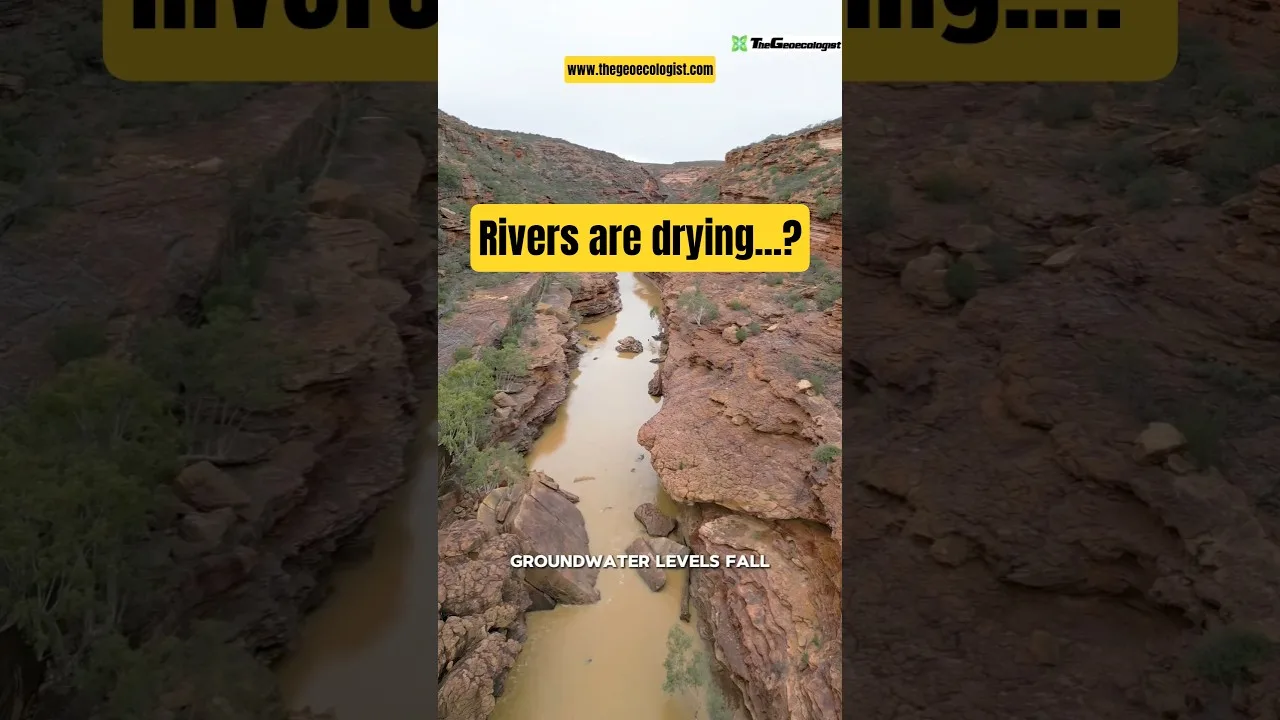
Glaciers act as natural reservoirs, storing winter precipitation and releasing it gradually during dry summer months. As melting glaciers shrink, they initially release more water—a temporary “peak water” phase—followed by declining runoff as the ice reservoir depletes. This creates a false sense of security before water shortages intensify. Regions dependent on glacial meltwater for irrigation, drinking water, and hydropower—including the Indus, Tarim, and Andean basins—face escalating water stress.
Ecosystem Transformation and Biodiversity Loss
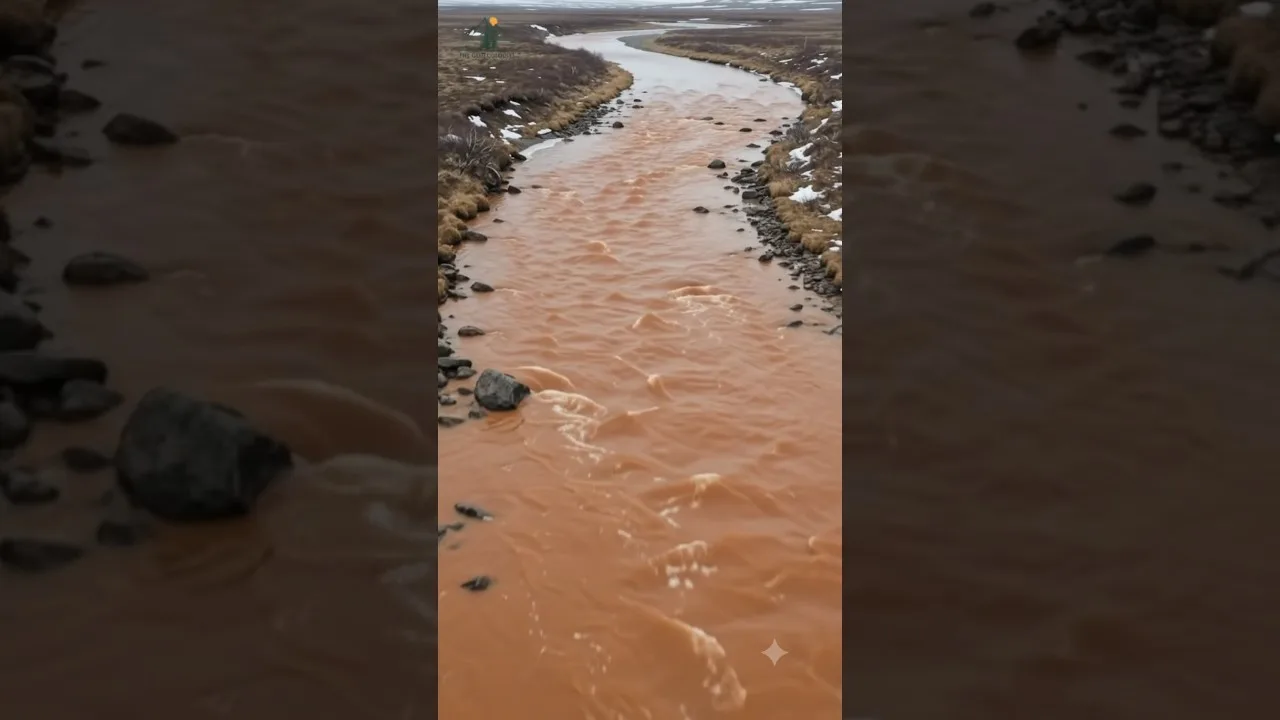
Glacial meltwater creates unique cold-water habitats supporting specialized species. As melting glaciers retreat, stream temperatures rise, flow regimes shift, and sediment loads change, disrupting aquatic food webs. Cold-adapted species like the meltwater stonefly (Lednia tumana) in North America and snow leopards in High Asia face habitat loss. Additionally, glacial retreat exposes new terrain, initiating primary succession but also releasing legacy pollutants (e.g., persistent organic pollutants, heavy metals) trapped in ice for decades.
Geohazards: Glacial Lake Outburst Floods (GLOFs)
Retreating glaciers often leave behind moraine-dammed lakes that can grow rapidly. These lakes pose catastrophic flood risks if the moraine dam fails. The 2021 Chamoli disaster in Uttarakhand, India—triggered by a rock-ice avalanche onto a glacial lake—killed over 200 people and destroyed two hydropower projects. GLOF frequency has increased globally, with High Mountain Asia and the Andes being particularly vulnerable.
Monitoring Melting Glaciers: Technology and Observations
Modern glaciology relies on a combination of field measurements, satellite remote sensing, and numerical modeling. The World Glacier Monitoring Service (WGMS) coordinates standardized in-situ mass balance measurements from reference glaciers worldwide. Satellite missions like GRACE-FO (Gravity Recovery and Climate Experiment Follow-On) and ICESat-2 provide global, high-resolution observations of ice mass changes and surface elevation trends. These datasets confirm the accelerating trajectory of melting glaciers across virtually all mountain ranges.
Key Metrics and Indicators
- Mass Balance: Net gain or loss of ice mass over a hydrological year (mm water equivalent).
- Equilibrium Line Altitude (ELA): The elevation where accumulation equals ablation; rising ELA signals negative mass balance.
- Terminus Position: The glacier’s lower end; retreat indicates sustained mass loss.
- Surface Velocity: Changes in ice flow dynamics can accelerate discharge.
Future Projections: Scenarios for Melting Glaciers
The trajectory of melting glaciers depends critically on future greenhouse gas emissions. Under the low-emission SSP1-2.6 scenario (consistent with the Paris Agreement’s 1.5°C target), glaciers outside the polar ice sheets could lose 25–35% of their 2015 mass by 2100. Under high-emission SSP5-8.5, losses exceed 65–80%. Polar ice sheets exhibit longer response times but commit the planet to meters of sea-level rise over centuries if warming thresholds are crossed. The concept of “committed loss” means even immediate emissions cessation would not halt melting glaciers for decades due to climate system inertia.
Mitigation and Adaptation Strategies
Global Mitigation: The Primary Lever
Limiting global warming to 1.5°C above pre-industrial levels requires halving global CO₂ emissions by 2030 and reaching net-zero by mid-century. This demands rapid phase-out of fossil fuels, massive deployment of renewable energy, electrification of transport and industry, and nature-based carbon removal. Every fraction of a degree avoided preserves glacial ice and reduces downstream impacts.
Regional Adaptation Measures
- Water Management: Diversifying water sources, improving irrigation efficiency, building storage infrastructure, and implementing integrated water resource management.
- Early Warning Systems: Monitoring glacial lakes for GLOF risk and deploying community-based early warning systems in vulnerable valleys.
- Ecosystem-Based Adaptation: Restoring wetlands and floodplains to buffer hydrological extremes; protecting climate refugia for cold-adapted species.
- Infrastructure Resilience: Designing hydropower, transportation, and urban systems for changing flow regimes and geohazards and water availability.
The Socioeconomic Dimension of Glacial Loss
Melting glaciers disproportionately affect vulnerable populations who contribute least to historical emissions. Mountain communities face loss of livelihoods (tourism, agriculture), cultural heritage, and increased disaster risk. Downstream urban centers and agricultural regions face water insecurity. International cooperation—such as the Hindu Kush Himalaya Monitoring and Assessment Programme (HIMAP) and the Andean Glacier and Water Atlas—is essential for transboundary water governance and equitable adaptation financing.
Conclusion: The Fate of Melting Glaciers Is in Our Hands
The story of melting glaciers is ultimately a story about energy choices, equity, and the planetary boundaries that sustain civilization. The ice loss we observe today reflects emissions from decades past; the ice loss of tomorrow reflects decisions made today. While some glacial retreat is now inevitable, the difference between a world with remnant mountain glaciers and one without them hinges on the speed and scale of climate action. Preserving these frozen reservoirs is not merely an environmental imperative—it is a matter of water security, disaster risk reduction, and intergenerational justice. The window to limit irreversible loss is narrowing, but it remains open. Every ton of CO₂ not emitted helps slow the retreat of melting glaciers and buys time for adaptation. The choice, as ever, is ours.
Frequently Asked Questions
Glaciers worldwide lost an average of 267 gigatons of ice per year between 2000 and 2019, with the rate of loss accelerating by approximately 48 gigatons per year each decade according to IPCC assessments.
Peak water is the point when glacial meltwater runoff reaches its maximum before declining as the glacier shrinks. Initially, melting glaciers release more water, creating temporary abundance, but eventually runoff decreases sharply, leading to water scarcity for downstream communities.
Some glacial loss is already committed due to past emissions, but limiting warming to 1.5°C could preserve 25-35% of current glacier mass by 2100. Rapid decarbonization is the only way to slow melting glaciers long-term; local interventions like artificial snowmaking or glacier covers are limited in scale.