Blog
Geodiversity and Geoparks: A New Springer Nature Publication

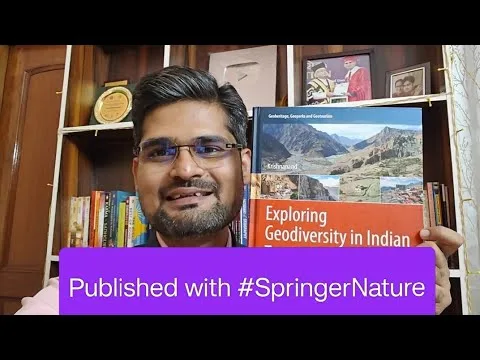
Table of Contents
- Understanding the Core Concepts of Geodiversity and Geoparks
- The Role of Geoheritage in Modern Conservation
- Demystifying the UNESCO Global Geopark Model
- Sustainable Geotourism: The Economic and Ecological Balance
- An Essential Resource for Students and Professionals
- Academic Excellence: UGC NET and UPSC Preparation
- Advanced Research and Academic Reference
- Practical Application for Practitioners
- Case Studies: From India to the Global Stage
- Conclusion: A Catalyst for Action and Preservation
Geodiversity and Geoparks represent the vital intersection of Earth’s physical history and sustainable human development, a subject explored in depth in my newly published book with Springer Nature. This comprehensive work serves as a definitive guide to understanding the intricate wonders of our planet’s physical diversity and its crucial role in shaping a sustainable future. By examining the relationship between geological heritage and modern tourism, this publication offers a roadmap for protecting the Earth’s irreplaceable assets.
- Comprehensive Frameworks: Strategies for the effective conservation of geological heritage sites.
- UNESCO Insights: Deep dives into the operational mechanisms of UNESCO Global Geoparks.
- Sustainable Geotourism: Best practices for balancing economic growth with environmental preservation.
- Educational Resource: Essential reading for UGC NET, UPSC, and advanced Geography students.
Understanding the Core Concepts of Geodiversity and Geoparks
To understand the modern landscape of Earth sciences, one must first grasp the concept of geodiversity. While biodiversity focuses on the variety of life, geodiversity encompasses the range of rocks, minerals, fossils, landforms, and geological processes that form the foundation of our world. This physical variety is not merely a static backdrop; Geodiversity and Geoparks is a dynamic system that interacts with biological life and human civilization.
The study of geodiversity and geoparks has become increasingly relevant as we face global challenges related to climate change and habitat loss. By preserving geological sites, we are essentially preserving the history of our planet. This book articulates why safeguarding these sites is non-negotiable for both scientific advancement and the maintenance of healthy ecosystems. Through detailed analysis, we see that the geological record provides the essential context needed to understand biological evolution and environmental shifts over millions of years.
For those interested in the broader context of global heritage, the UNESCO Global Geoparks program provides a perfect example of how geological importance can be leveraged for community benefit. These sites are not just museums of stone; they are living landscapes that tell a story of Earth’s resilience.
The Role of Geoheritage in Modern Conservation
Geoheritage refers to geological features that are considered to have significant scientific, educational, or aesthetic value. Protecting these features requires a multidisciplinary approach. My research emphasizes that effective conservation is not just about fencing off a site; Geodiversity and Geoparks is about creating a management framework that integrates scientific value with local community needs. This is where the study of geodiversity and geoparks becomes a practical tool for planners and conservationists alike.
When we identify a site of international importance, we are essentially acknowledging a piece of the Earth’s autobiography. The book provides frameworks for assessing these sites, ensuring that the most significant geological processes are documented and protected for future generations of scientists and citizens.
Demystifying the UNESCO Global Geopark Model
One of the most significant contributions of this work is the deep dive into the UNESCO Global Geopark model. Unlike traditional protected areas that may focus solely on isolation, geoparks focus on integration. They promote a bottom-up approach where local communities are the primary stakeholders in managing their geological heritage.
The book explores how these designations foster sustainable development by:
- Creating Economic Opportunities: By branding local geological sites, communities can attract high-value, low-impact visitors.
- Fostering Education: Geoparks serve as outdoor classrooms for both local students and international tourists.
- Preserving Identity: Geological heritage is often deeply tied to the cultural identity of a region, providing a sense of place and pride.
Understanding the complexities of geodiversity and geoparks allows policymakers to move beyond simple land-use planning and toward holistic landscape management. This involves navigating the tension between industrial development and heritage preservation, a theme explored through various global case studies.
Sustainable Geotourism: The Economic and Ecological Balance
As global travel increases, the pressure on sensitive geological sites grows. Geotourism is defined as tourism that focuses on the geological heritage of a landscape, its significance for understanding Earth’s history, and the role of geological heritage in the community’s identity. However, without proper management, tourism can lead to the degradation of the very sites people come to see.
The publication presents best practices for minimizing the tourism footprint while maximizing socio-economic impact. This involves:
- Scientific Interpretation: Using geoscience knowledge to create engaging educational experiences.
- Infrastructure Planning: Designing pathways and viewing platforms that prevent soil erosion and rock damage.
- Community Engagement: Ensuring that the economic benefits of tourism flow directly back into the local community to incentivize conservation.
By studying geodiversity and geoparks, tourism developers can create high-quality experiences that respect the geological integrity of the site. This approach turns tourism from a potential threat into a powerful catalyst for conservation and education.
An Essential Resource for Students and Professionals
This book was written to bridge the gap between complex geological theory and practical application. Because of this, Geodiversity and Geoparks serves several distinct audiences in the academic and professional spheres.
Academic Excellence: UGC NET and UPSC Preparation
For students preparing for highly competitive exams like the UGC NET in Geography or the UPSC Civil Services, the topics of geodiversity and geoparks are critical. The book provides clear, concise, and comprehensive coverage of these core syllabus topics. Geodiversity and Geoparks simplifies complex concepts, making it an invaluable study aid for those aiming to master the nuances of physical geography and environmental management.
Advanced Research and Academic Reference
For MA and MSc Geography students, the book offers both foundational knowledge and advanced theoretical insights. It provides the necessary academic rigor to support research in geomorphology, conservation biology, and sustainable development. Researchers can use this text as a reference point for discussing the intersection of geological and biological diversity.
Practical Application for Practitioners
Conservationists, urban planners, and tourism developers will find the case studies within these pages particularly useful. The book moves from theory to practice by showcasing real-world examples of successful geopark initiatives. It offers insights into the challenges of implementing conservation strategies in diverse cultural and geological settings, including significant Indian geosites.
Case Studies: From India to the Global Stage
A significant portion of this research is dedicated to real-world application. By looking at specific case studies, we can see how the principles of geodiversity and geoparks function in different contexts. In India, the burgeoning interest in geological heritage offers a unique opportunity to develop sustainable tourism models that can be replicated globally.
The book examines how local geological features—from the ancient rock formations in the Deccan Traps to the spectacular mountain landscapes of the Himalayas—can be integrated into a national geopark strategy. These examples illustrate that while the geological processes may be ancient, the management of these sites is a very modern and urgent task.
By comparing Indian initiatives with international standards set by geological science institutions worldwide, the book provides a global perspective on the challenges of site management and the opportunities for international cooperation in heritage preservation.
Conclusion: A Catalyst for Action and Preservation
The publication of this book with Springer Nature is more than a personal milestone; it is a call to action. Earth’s physical diversity is not just a backdrop for human history; it is a living library that holds the keys to our past and the requirements for our future survival. By integrating the science of geodiversity and geoparks into our social and economic systems, we can foster more resilient communities and healthier landscapes.
We must recognize that once a geological site is destroyed, it is gone forever on a human timescale. This book is an invitation to explore, protect, and value the Earth’s geological heritage, ensuring that the story of our planet continues to be told for generations to come.
Frequently Asked Questions
The book focuses on the relationship between geodiversity, geoheritage, and the sustainable development of geoparks and geotourism.
It is designed for students (UGC NET/UPSC/MA/MSc), researchers, academics, and practitioners in conservation and tourism.
You can find detailed information on the official UNESCO website regarding their Global Geoparks program.