Blog
clean energy India’s Clean Energy Dilemma

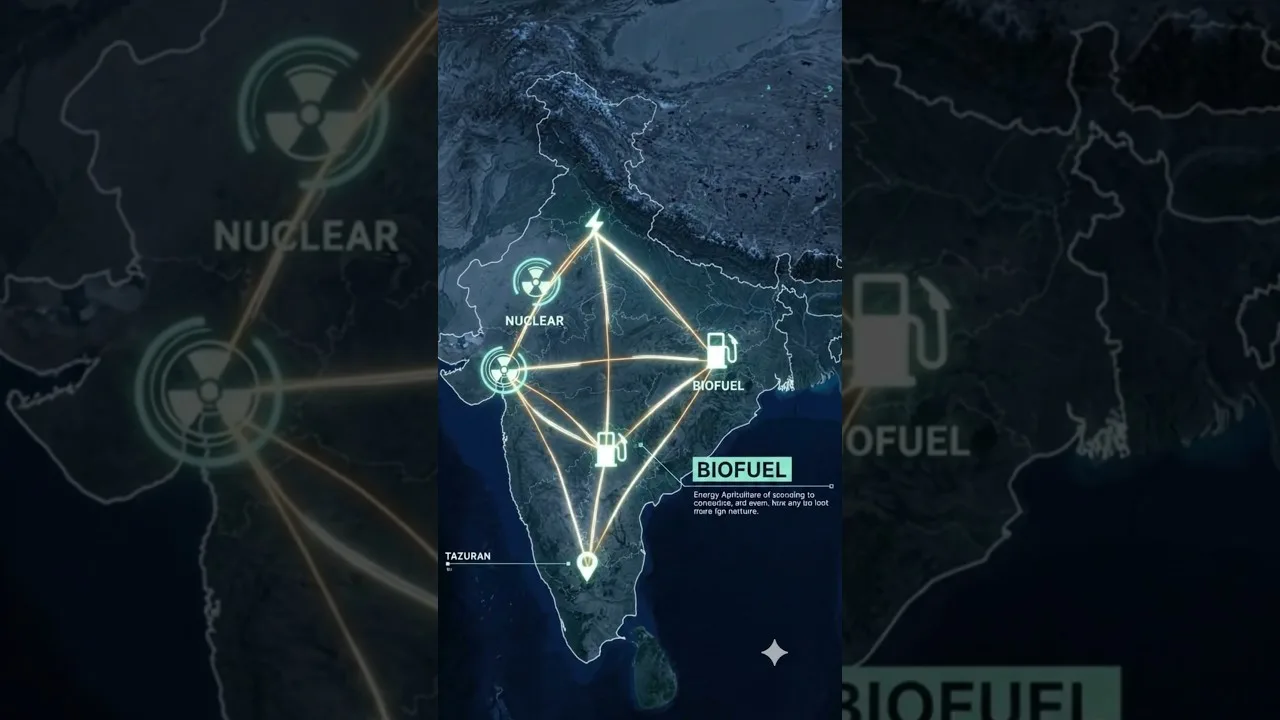
Table of Contents
clean energy Ethanol Blending in India
India’s clean energy transition is accelerating through ethanol blending, a policy that mandates the mixture of ethanol with gasoline to reduce fossil‑fuel imports and lower carbon emissions. As of 2024, the government aims for a 20% ethanol blend in petrol, a target that could cut oil imports by roughly 15% and provide farmers with a new revenue stream from sugarcane and corn residues. However, the push for ethanol raises critical questions about land use, water consumption, and the overall balance between clean energy goals and food security. The challenge lies in ensuring that increased ethanol production does not compete with staple food crops, which would jeopardize agricultural livelihoods and national food reserves. By integrating sustainable feedstock practices, such as using waste biomass and promoting second‑generation ethanol from lignocellulosic materials, India can mitigate these conflicts while advancing its clean energy agenda. For a deeper understanding of ethanol fuel chemistry, see the Wikipedia article on Ethanol fuel.
Biofuels in India
The broader biofuel landscape in India includes not only ethanol but also biodiesel and advanced bio‑fuels derived from algae and municipal solid waste. The National Biofuel Policy 2018 set ambitious targets for 10% biodiesel blending and promoted the development of bio‑refineries in states like Maharashtra and Tamil Nadu. These initiatives aim to diversify the energy mix, reduce dependence on imported oil, and create rural employment opportunities. Yet, the scalability of biofuels is constrained by the availability of feedstock, the logistics of collection and transportation, and the need for robust policy support. Effective implementation of clean energy strategies requires coordinated efforts across agriculture, energy, and environmental ministries to ensure that biofuel production enhances rather than undermines food security.
clean energy 100 GW Nuclear Power Target

India has set an ambitious goal of reaching 100 GW of nuclear power capacity by 2047, a milestone that would make nuclear energy a cornerstone of the country’s low‑carbon electricity mix. Currently, the installed nuclear capacity stands at around 7 GW, with seven reactors operational and several more under construction, including the Kudankulam 1 & 2, Rajasthan 1, and the Prototype Fast Breeder Reactor (PFBR) in Kalpakkam. The government plans to commission additional reactors such as the 500 MW Advanced Heavy Water Reactor (AHWR) and the 700 MW indigenous pressurized heavy water reactors (PHWRs). Achieving the 100 GW target will require sustained investment, streamlined regulatory processes, and public acceptance of nuclear technology. Moreover, nuclear power offers a high‑capacity, baseload electricity source that can complement intermittent renewable sources like solar and wind, thereby strengthening grid stability. For authoritative details on India’s nuclear program, refer to the official portal Nuclear Power Corporation of India Limited.
clean energy Food Security and Agriculture
Food security remains a pivotal concern as India balances its clean energy ambitions with the need to feed a population of over 1.4 billion. Ethanol production traditionally relies on sugarcane and corn, crops that also serve as primary food sources. Converting large tracts of arable land from food to fuel crops could exacerbate food price volatility and threaten farmer incomes. To address this, the government promotes the use of non‑food feedstocks such as rice husk, wheat straw, and municipal organic waste, which do not compete directly with edible production. Additionally, policies encouraging drip irrigation and water‑efficient farming practices help conserve the limited water resources essential for both agriculture and ethanol processing. Statistics from the Ministry of Agriculture indicate that India’s cereal production reached 315 million tonnes in FY 2023, underscoring the resilience of the food system when supported by sustainable energy practices. By integrating clean energy solutions that respect agricultural constraints, India can protect food security while moving toward a greener future.
clean energy Water Resources
Water scarcity is another critical factor influencing India’s clean energy pathway. Ethanol production is water‑intensive, requiring significant volumes for crop irrigation, processing, and distillation. In regions where water stress is acute, such as parts of Maharashtra and Karnataka, expanding ethanol capacity could strain existing supplies. Conversely, nuclear power plants, while also water‑intensive for cooling, benefit from once‑through cooling systems that reduce freshwater withdrawal compared to once‑cooled thermal plants. Implementing recycling technologies, rainwater harvesting, and adopting dry cooling methods for nuclear reactors can mitigate water demand. Moreover, the government’s “Jal Shakti” initiative aims to improve water use efficiency across sectors, aligning with clean energy objectives. Balancing water requirements between agriculture, ethanol production, and nuclear power is essential for a sustainable clean energy transition.
clean energy India’s Energy Transition Outlook
India’s clean energy transition is a multidimensional journey that intertwines ethanol blending, nuclear expansion, renewable energy deployment, and socioeconomic considerations. The country’s renewable energy capacity has grown exponentially, reaching over 150 GW of solar and wind combined by 2024, yet the intermittency of these sources necessitates reliable baseload power, which nuclear can provide. Simultaneously, ethanol blending offers a pathway to decarbonize the transport sector, which accounts for nearly 10% of India’s total emissions. To achieve a cohesive strategy, policymakers must adopt an integrated approach that aligns fuel standards, incentivizes clean technology adoption, and safeguards agricultural and water resources. International partnerships, such as those with the International Atomic Energy Agency (IAEA) for nuclear safety and with global biofuel experts, can accelerate progress. Ultimately, the success of India’s clean energy agenda depends on harmonizing energy security, food security, and farmer livelihoods through innovative, context‑specific solutions.
Conclusion
India’s clean energy dilemma illustrates the complex interplay between advancing low‑carbon technologies and preserving essential societal pillars. Ethanol blending, nuclear power expansion, and biofuel development each bring distinct advantages, yet they also pose challenges related to land use, water availability, and food security. By prioritizing sustainable feedstocks, enhancing water‑use efficiency, and ensuring that nuclear and renewable projects coexist with agricultural needs, India can craft a balanced energy future. The 100 GW nuclear target, combined with a robust ethanol blending program and supportive policies for biofuels, positions the nation to reduce import dependence, lower emissions, and foster inclusive growth. Continued monitoring, data‑driven policy adjustments, and stakeholder engagement will be key to turning this vision into reality. For further insights on India’s current affairs and energy policies, stay tuned to The Geoecologist’s explainers.
Frequently Asked Questions
India aims to achieve 100 GW of nuclear power capacity by 2047, making nuclear energy a key pillar of its clean energy strategy.
India plans to reach a 20% ethanol blend in petrol, which will help reduce fossil‑fuel imports and lower emissions.
Yes, by using non‑food feedstocks such as agricultural residues and implementing water‑efficient practices, ethanol production can support both energy and food security.