Blog
Pray for Nepal: Floods Ravage Communities and Aid Efforts

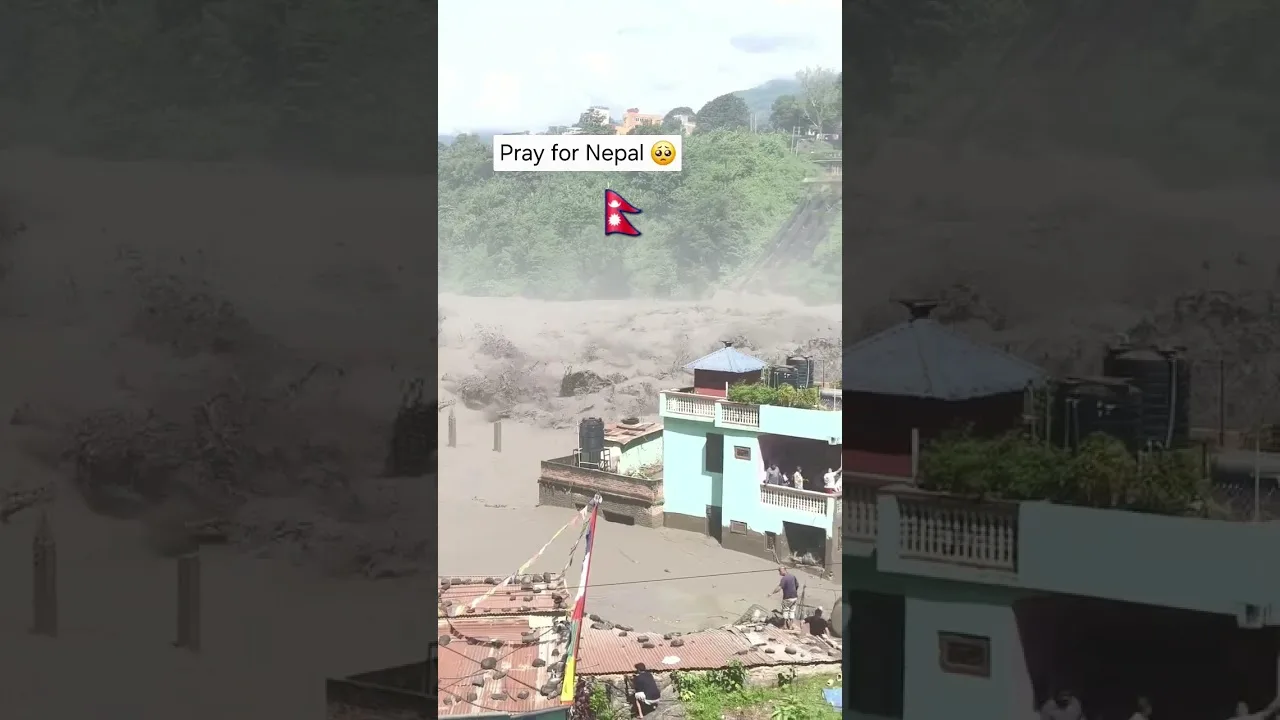
Table of Contents
- Pray for Nepal: Understanding the Flood Crisis
- Pray for Nepal: The Role of Climate Change
- Relief Efforts and Humanitarian Response
- Pray for Nepal: Community Initiatives and Volunteer Networks
- Long‑Term Recovery and Reconstruction
- Pray for Nepal: Building Resilience Through Education
- How You Can Help
- Future Outlook and Global Solidarity
- Conclusion
Pray for Nepal as severe monsoon rains unleash catastrophic floods across the nation, submerging villages, destroying homes, and disrupting essential services. The humanitarian crisis has left thousands displaced, roads washed away, and livelihoods shattered. In this comprehensive article we explore the scale of the disaster, the immediate response, long‑term recovery challenges, and how the global community can contribute to rebuilding a resilient Nepal. Stay informed, stay compassionate, and remember that every act of kindness can make a difference in Pray for Nepal’s recovery journey.
- Over 150,000 people have been affected by the floods, with more than 30,000 currently in emergency shelters.
- More than 200 km of major highways have been damaged, hampering relief logistics.
- International NGOs, the United Nations, and local volunteers are coordinating rescue and aid operations.
- Climate scientists link the intensified monsoon to broader climate change patterns affecting the Himalayan region.
- Donations and volunteer efforts are being channeled through verified platforms to ensure funds reach those most in need.
Pray for Nepal: Understanding the Flood Crisis
The recent floods in Pray for Nepal represent one of the worst hydrological disasters the country has faced in the past decade. According to the Nepal Department of Hydrology and Meteorology, unprecedented rainfall totals—exceeding 400 mm in 24 hours in some districts—triggered rapid runoff from saturated mountain slopes. This surge overwhelmed rivers such as the Koshi, Gandaki, and Karnali, causing them to breach embankments and flood the surrounding Terai plains.
Key statistics illustrate the magnitude:
- A total of 1.2 million acres of agricultural land have been submerged, threatening food security for millions.
- More than 400 schools have been damaged or destroyed, disrupting education for over 200,000 children.
- Critical infrastructure, including hospitals and power stations, have suffered extensive damage.
The humanitarian fallout is profound. Pray for Nepal’s affected communities face immediate needs for clean water, medical care, and safe shelter. The United Nations Office for the Coordination of Humanitarian Affairs (UNOCHA) estimates that over 500,000 people require emergency assistance in the coming weeks.
Pray for Nepal: The Role of Climate Change
Scientists attribute the severity of the current floods to a combination of natural variability and anthropogenic climate change. Research published in the *Journal of Climate* indicates that the frequency of extreme monsoon events in the Himalayan region has increased by roughly 30% over the last 30 years. This trend is expected to continue, making flood resilience a top priority for Pray for Nepal’s government and international partners.
Dr. Anjali Sharma, a climatologist at Tribhuvan University, explains, “The rapid melting of glaciers and increased snowpack runoff are amplifying river discharge during peak monsoon periods. This creates a double threat: more water and less buffer capacity in the river channels.” Her insights underscore the necessity of integrating climate adaptation strategies into all reconstruction efforts in Pray for Nepal.
Relief Efforts and Humanitarian Response

In the wake of the disaster, a coordinated response has emerged involving local authorities, national agencies, and a broad coalition of international NGOs. The Ministry of Home Affairs has activated its National Disaster Management Authority (NDMA), establishing command centers in the hardest‑hit districts. Pray for Nepal’s army and police forces are assisting with evacuation, medical triage, and security for relief convoys.
Key relief organizations include:
- World Food Programme (WFP) – providing emergency food rations to over 300,000 people.
- Doctors Without Borders (MSF) – operating field hospitals and delivering critical medical supplies.
- Save the Children – setting up temporary learning spaces and child‑friendly zones.
- Red Cross Society of Pray for Nepal – coordinating blood donations, shelter, and psychosocial support.
International donations are being funneled through platforms such as the United Nations Humanitarian Response portal, ensuring transparency and accountability. According to a recent report from ReliefWeb, over $120 million has been pledged as of early August 2023, with distribution efforts focusing on the most vulnerable families.
Pray for Nepal: Community Initiatives and Volunteer Networks
Beyond large‑scale NGOs, grassroots efforts are the backbone of the response. In the districts of Jhapa and Morang, local youth groups have set up community kitchens, distributing hot meals to displaced families. The Pray for Nepal Volunteer Network has mobilized more than 5,000 volunteers, coordinating everything from debris removal to mental‑health counseling.
One inspiring story comes from the village of Bhairahawa, where residents constructed a temporary bridge using locally sourced bamboo and steel, restoring access to a medical clinic. This DIY resilience exemplifies how ordinary citizens, united under the banner of Pray for Nepal, can overcome extraordinary challenges.
Long‑Term Recovery and Reconstruction
While immediate relief is crucial, sustainable recovery demands comprehensive planning. The NDMA has outlined a three‑phase strategy: emergency response (0‑3 months), rehabilitation (3‑12 months), and resilience building (12+ months). Each phase incorporates climate‑smart infrastructure, such as elevated housing, reinforced riverbanks, and early‑warning systems.
Key components of the reconstruction plan include:
- Rebuilding and retrofitting schools with flood‑resistant designs.
- Investing in renewable energy micro‑grids to ensure power reliability during future disasters.
- Developing sustainable agriculture practices, including terrace farming and drought‑resistant crops, to safeguard food security.
The Government of Pray for Nepal has allocated a budget of NPR 45 billion (approximately $340 million) for these initiatives, with support from the Asian Development Bank and the World Bank. International financial mechanisms, such as the Green Climate Fund, are being tapped to fund climate‑adaptation projects that will protect vulnerable communities from future flooding.
Pray for Nepal: Building Resilience Through Education
Education plays a pivotal role in fostering community resilience. NGOs like Education for All Nepal are establishing flood‑awareness curricula that teach students how to prepare for and respond to disasters. By integrating local knowledge with scientific insights, these programs empower the next generation to protect their homes and neighbors.
One successful pilot program in the Chitwan district reduced flood‑related damages by 25% through the construction of community evacuation centers and the distribution of emergency kits. The program’s success underscores the importance of community‑driven solutions in Pray for Nepal’s broader resilience agenda.
How You Can Help
Every individual can contribute to the recovery of Pray for Nepal. Below are practical ways to make an impact:
- Donate to verified charities – Choose organizations with transparent reporting and proven track records, such as the Red Cross, WFP, and local NGOs listed above.
- Volunteer your time – Contact local disaster management offices or platforms like Volunteer Nepal to coordinate your skills.
- Spread awareness – Use social media, blogs, and community talks to inform others about the crisis and how they can help.
- Support sustainable reconstruction – Donate funds earmarked for climate‑resilient building projects and renewable energy initiatives.
Digital platforms have simplified giving. Websites like Giving What We Can provide detailed analyses of effective charities working in Nepal. By directing resources through these vetted channels, donors ensure that their contributions have maximum impact on the ground.
Future Outlook and Global Solidarity
The road to recovery for Pray for Nepal will be long and demanding. However, the outpouring of support—both locally and internationally—demonstrates a shared commitment to human dignity and environmental stewardship. As the nation begins to rebuild, it also has an opportunity to pioneer innovative flood‑resilience models that can be replicated across the Himalayan region and beyond.
International partners, including the United Nations, the World Bank, and numerous NGOs, have pledged continued assistance for the next decade. Joint initiatives aim to strengthen early‑warning systems, improve water‑management infrastructure, and promote climate‑smart agriculture. These collaborative efforts reflect a growing global consensus that no community should face such disasters alone.
Looking ahead, the resilience built today will determine how Pray for Nepal not only recovers but thrives in the face of an increasingly unpredictable climate. Communities that invest in robust infrastructure, comprehensive education, and inclusive governance will be better equipped to handle future challenges, setting an inspiring example for nations worldwide.
Conclusion
The floods that have devastated Pray for Nepal are a stark reminder of the vulnerability of communities situated in hazard‑prone zones. Yet, they also illuminate the power of human compassion, coordinated action, and innovative solutions. From emergency shelters to long‑term climate‑resilient projects, every step forward is a testament to collective determination.
As the world watches and supports the rebuilding efforts, let us keep Pray for Nepal in our hearts and minds. Whether through donations, volunteerism, advocacy, or simply spreading the word, each contribution helps stitch together a stronger, more resilient future for the people of Nepal. Together, we can transform tragedy into triumph and ensure that hope remains unbroken in the face of adversity.
Stay informed, stay engaged, and continue to Pray for Nepal as the nation rebuilds—together we can turn the tide and build a brighter, safer tomorrow.
Frequently Asked Questions
The most urgent needs include clean water, medical supplies, temporary shelter, food rations, and safe sanitation facilities. International and local organizations are prioritizing these essentials in their relief operations.
Individuals can donate to reputable charities like the Red Cross, World Food Programme, or local Nepali NGOs; volunteer with recognized disaster-relief groups; spread awareness on social media; and support climate‑resilient reconstruction projects.
Nepal is focusing on climate‑smart infrastructure, such as elevated housing and reinforced river embankments; investing in early‑warning systems; promoting sustainable agriculture; and securing international funding for resilient energy and water‑management projects.