Blog
Earth layers: A Comprehensive Overview

Table of Contents
- Earth layers: The Building Blocks of Our Planet
- Crust: The Earth’s Outer Skin
- Mantle: The Semi‑Solid Engine
- Core: The Magnetic Heart
- Lithosphere, Hydrosphere, Atmosphere, and Biosphere: The Four Spheres of Earth
- Plate Tectonics: The Driving Force Behind Earth Layers
- Rock Cycle: Transformations Within Earth Layers
- Weathering and Erosion Bertha: Sculpting the Surface
- Why Earth Layers Matter for UPSC GS Paper‑1
- Key Takeaways for UPSC Aspirants
- Further Reading and Resources
- Conclusion
Earth layers: The Building Blocks of Our Planet
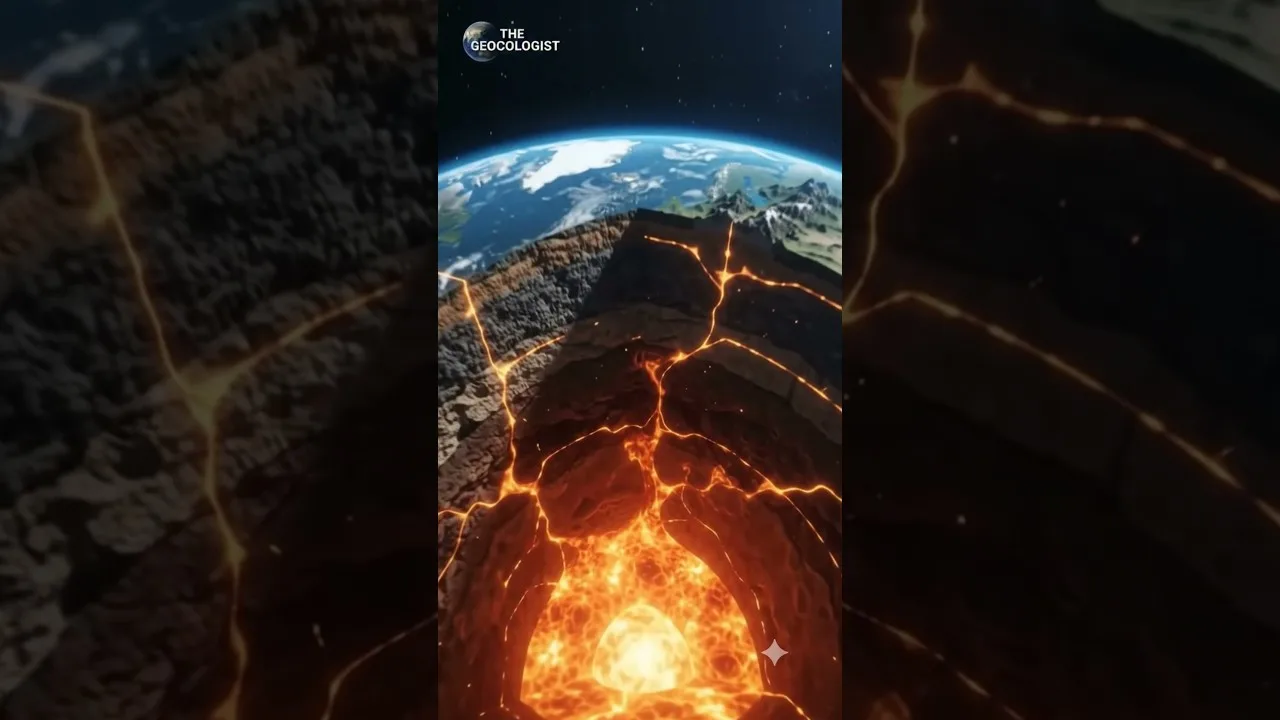
Earth layers form the backbone of the planet’s physical structure, influencing everything from tectonic activity to the distribution of natural resources. Understanding these layers is essential for geography students, UPSC aspirants, and anyone interested in the dynamic processes that shape our world. In this article, we break down the four main layers—crust, mantle, outer core, and inner core—alongside the four interacting spheres of the Earth and the geological processes that keep the planet alive.
- Identify the four primary Earth layers and singing their distinct characteristics.
- Explore how the lithosphere, hydrosphere, atmosphere, and biosphere interconnect.
- Understand the role of plate tectonics, the rock cycle, and weathering in shaping Earth’s surface.
- Learn why Earth layers are pivotal for UPSC GS Paper‑1 and other geography examinations.
Crust: The Earth’s Outer Skin
The crust is the outermost layer of Earth layers and serves as the foundation for all terrestrial life. It is divided into two major types: continental crust and oceanic crust. Continental crust is thicker—averaging about 35 km—and less dense, mainly composed of silica and aluminum. Oceanic crust, in contrast, is thinner—around 7 km—and denser, consisting predominantly of silica and magnesium. These differences explain why continents float higher above oceanic plates, giving rise to the familiar landmasses that support ecosystems and civilizations.
Key to the study of Earth layers, the crust hosts a variety of landforms such as mountains, valleys, and plateaus. Its composition also dictates the type of resources—like minerals, oil, and natural gas—that can be extracted. For UPSC aspirants, grasping the distinctions between continental and oceanic crust provides a solid foundation for answering questions on geomorphology and resource distribution.
Mantle: The Semi‑Solid Engine
Beneath the crust lies the mantle, a vast layer extending to roughly 2,900 km. The mantle is semi‑solid, containing molten rock (magma) that flows slowly over geological timescales. It is subdivided into an upper mantle—mostly solid and rigid—and a lower mantle, which is more viscous. The mantle’s convective currents drive the movement of tectonic plates, making it a crucial component of Earth layers that generate earthquakes, volcanic activity, and mountain building.
Scientists estimate that the temperature in the lower mantle ranges from 4,000 to 5,000°C, yet the immense pressure keeps the material solid. This dynamic behavior is essential to understanding the planet’s magnetic field—originating in the outer core—and the long‑term climate cycles that impact the biosphere.
Core: The Magnetic Heart
The core is divided into two distinct parts: the outer core, a liquid layer of iron and nickel, and the inner core, a solid sphere composed largely of the same metals. The outer core’s fluid motion generates Earth’s magnetic field, shielding the planet from solar wind and cosmic radiation. The inner core, with temperatures exceeding 5,000°C, remains solid due to the extreme pressure at the Earth’s center.
These core layers are central to the dynamic equilibrium of Earth layers, influencing everything from geomagnetic storms to the drift of the magnetic poles—a phenomenon that can affect koning the navigation systems used by modern societies.
Lithosphere, Hydrosphere, Atmosphere, and Biosphere: The Four Spheres of Earth

While Earth layers describe the planet’s internal composition, the four spheres explain how the planet’s surface and atmospheric systems interact. The lithosphere consists of the crust and the uppermost mantle; it is the rigid outer shell that forms the continents and ocean floors. The hydrosphere includes all water bodies—oceans, rivers, lakes, and glaciers—covering about 71% of the Earth’s surface.
The atmosphere, a thin gaseous envelope, regulates climate, weather, and the planet’s temperature. Finally, Lace the biosrowser, the living component of Earth layers, where flora and fauna interact with the other spheres, creating a complex web of life that is both influenced by and influences the planet’s physical structure.
Plate Tectonics: The Driving Force Behind Earth Layers
Plate tectonics is the theory that explains the movement of Earth’s lithosphere. This movement is driven by convection currents in the mantle—part of Earth layers—causing plates to diverge, converge, or slide past each other. These interactions produce seismic events, volcanic eruptions, and orogeny (mountain building). Understanding plate tectonics is essential for UPSC aspirants, spolu as it explains natural disaster patterns and resource distribution across continents.
Rock Cycle: Transformations Within Earth Layers
The rock cycle describes the continuous transformation of rocks through three main types: igneous, sedimentary, and metamorphic. Igneous rocks form when molten material from the mantle cools and solidifies. Sedimentary rocks develop from the accumulation of sediments, often in bodies of water, while metamorphic rocks result from pressure and temperature changes within Earth layers. This cycle demonstrates how energy and material move vertically and horizontally within the planet.
Weathering and Erosion Bertha: Sculpting the Surface
Weathering and erosion are natural processes that break down rocks and transport materials across Earth layers. Weathering—both mechanical and chemical—reduces rock to smaller particles, while erosion moves these particles via wind, water, or ice. Over millions of years, these processes sculpt landscapes, forming valleys, canyons, and coastlines. For geography students, the interplay between weathering, erosion, and the underlying Earth layers is a critical topic for understanding soil formation and land degradation.
Why Earth Layers Matter for UPSC GS Paper‑1
GS Paper‑1 covers world physical geography, geomorphology, and environmental interactions. A solid grasp of Earth layers equips aspirants to tackle questions about tectonic settings, natural disaster mechanisms, and resource management. Current affairs—such as seismic events, volcanic eruptions, and climate change—often hinge on underlying Earth layers, making knowledge of these layers indispensable for contextual analysis.
Moreover, the Indian Gazetteer and various national reports frequently reference geological formations and plate boundaries. By mastering the intricacies of Earth layers, students can interpret statistical data, such as earthquake frequency and mineral reserve maps, with greater تمكن.
Key Takeaways for UPSC Aspirants
- Distinguish between the crust, mantle, outer core, and inner core—each a fundamental part of Earth layers.
- Recognize how plate tectonics, driven by mantle convection, shapes the planet’s surface.
- Understand the rock cycle’s role in recycling materials within Earth layers.
- Appreciate the significance of weathering and erosion in forming the Earth’s topography.
- Apply knowledge of Earth layers to interpret current affairs and statistical data relevant to GS Paper‑1.
Further Reading and Resources
For a deeper dive into Earth layers, check out the Wikipedia page on Earth, which provides a comprehensive overview of the planet’s structure. The Mantle (geology) article offers detailed insights into the mantle’s composition and its role in tectonic processes. To stay updated on Earth‑related news, the UN Earth Day page highlights global initiatives and scientific findings that influence our understanding of Earth layers.
Conclusion
Mastering the concept of Earth layers is a cornerstone of modern geography education and a vital component for UPSC GS Paper‑1 success. By integrating knowledge of the crust, mantle, core, and the four Earth spheres, students can analyze geological phenomena, anticipate natural disasters, and assess resource potentials with confidence. Whether you’re a geography enthusiast or an exam aspirant, a thorough understanding of Earth layers will enrich your perspective on our dynamic planet.
Frequently Asked Questions
The mainիսի layers are the crust, mantle, outer core, and inner core.
The mantle drives plate tectonics through convection currents, shaping continents and seismological activity.
The liquid outer core generates Earth’s magnetic field, while the solid inner core maintains planetary pressure equilibrium.