Blog
India Monsoon Floods: Understanding the Paradox of Rainfall Deficit and Floods

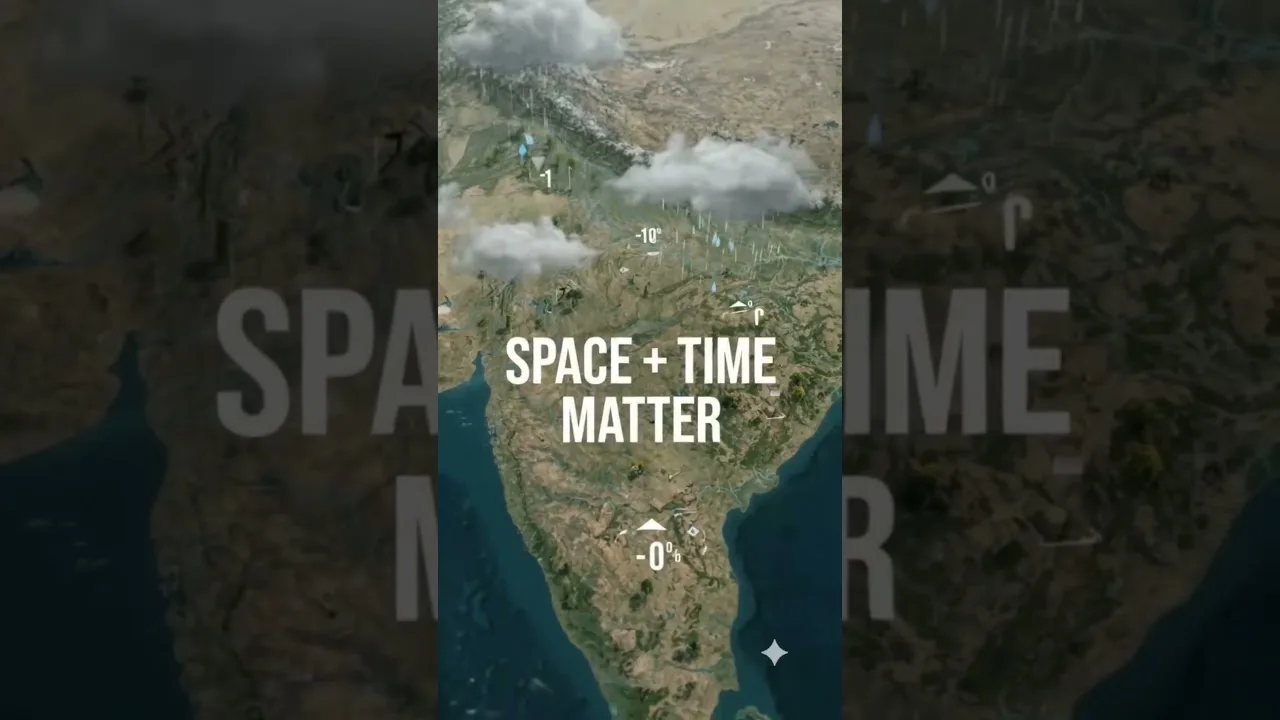
Table of Contents
- The Geography Behind India Monsoon Floods
- Spatial Variability of Monsoon Rainfall
- River Basin Dynamics
- Climatic Factors Influencing India Monsoon Floods
- Extreme Rainfall Events
- Temperature Variations
- Human and Environmental Factors
- Urbanization and Infrastructure
- Agricultural Impacts
- The Role of Climate Change in India Monsoon Floods
- Monitoring and Mitigation Strategies
- Early Warning Systems
- Infrastructure Adaptation
- Case Studies: India Monsoon Floods in Recent Years
- 2022 Bihar Floods
- 2023 Maharashtra Rainfall Deficit
- Conclusion: Preparing for the Future of India Monsoon Floods
India Monsoon Floods represent a complex climatic paradox where the same monsoon season can bring devastating floods to one region while another faces severe rainfall deficit. This phenomenon challenges the conventional understanding of seasonal rainfall patterns and highlights the intricate relationship between geography, climate, and water distribution. The India Meteorological Department (IMD) has long grappled with explaining how such contrasting outcomes can occur simultaneously within the same monsoon cycle, making it a critical topic for geography and environmental studies.
- India Monsoon Floods result from uneven distribution of rainfall across regions
- Timing and intensity of rainfall determine flood versus deficit outcomes
- Geographical factors like river basins and urbanization amplify impacts
- Climate change exacerbates the frequency of extreme rainfall events
- Effective disaster management requires understanding regional monsoon variability
The Geography Behind India Monsoon Floods
Spatial Variability of Monsoon Rainfall
The Himalayan region acts as a massive climatic barrier, causing the India Monsoon Floods to follow specific pathways. When monsoon winds encounter the Western Ghats, they create a rain shadow effect, leaving parts of Rajasthan and Gujarat drier while Konkan receives heavy precipitation. The India Meteorological Department’s 2023 report indicated that while Kerala received 120% of its average rainfall, neighboring Tamil Nadu experienced only 40% of the normal monsoon deficit. This spatial variability directly contributes to the paradoxical nature of India Monsoon Floods.
River Basin Dynamics
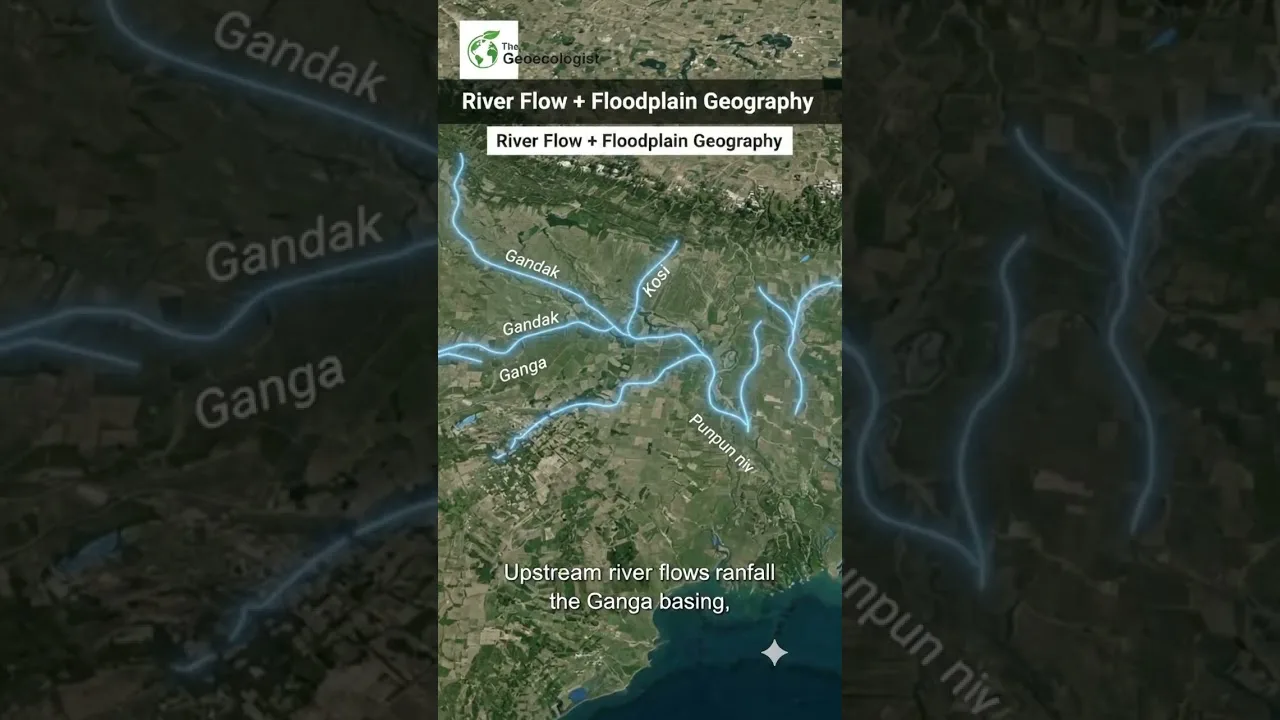
River basins like the Ganges-Brahmaputra and Godavari-Krishna system play a crucial role in determining flood outcomes during India Monsoon Floods. When upstream regions experience heavy rainfall, these river systems rapidly accumulate water, leading to catastrophic flooding downstream. Conversely, when rainfall is concentrated in upper catchments but fails to reach lower basins, agricultural regions face severe water shortages. The 2022 India Monsoon Floods in Bihar, which inundated over 28 million people, exemplifies how river basin dynamics can transform monsoon rainfall into urban flooding.
Climatic Factors Influencing India Monsoon Floods
Extreme Rainfall Events
Short-duration, high-intensity rainfall events are increasingly responsible for India Monsoon Floods, particularly in urban areas. Mumbai experienced 944mm rainfall in 24 hours during July 2023, triggering flash floods that paralyzed the financial capital. These extreme events, classified as ‘very heavy rainfall’ by IMD (>100mm in 24 hours), often occur in localized pockets while surrounding regions remain dry. The India Meteorological Department’s Monsoon Mission initiative seeks to predict such events through advanced forecasting models.
Temperature Variations
Rising temperatures during the monsoon season significantly impact India Monsoon Floods outcomes. When sea surface temperatures in the Arabian Sea exceed 30°C, they intensify monsoon winds, leading to heavier rainfall over coastal regions. Simultaneously, elevated land temperatures accelerate evaporation rates, creating rainfall deficits in inland areas like Madhya Pradesh. The 2021 India Monsoon Floods, which caused over 1,700 fatalities, demonstrated how temperature-rainfall interactions can compound disaster impacts.
Human and Environmental Factors
Urbanization and Infrastructure
Urban areas face heightened vulnerability during India Monsoon Floods due to inadequate drainage systems and concrete surfaces. Delhi’s 2023 monsoon season saw waterlogging in 70% of wards despite receiving only moderate rainfall, illustrating how poor urban planning amplifies flood risks. The India Urban Observatory estimates that 65% of India’s urban areas lack sufficient stormwater management infrastructure, directly contributing to the disproportionate impact of India Monsoon Floods.
Agricultural Impacts
Farmers in rainfed regions suffer disproportionately during India Monsoon Floods. While Punjab and Haryana face waterlogging in 30% of their agricultural area during heavy monsoon spells, states like Andhra Pradesh experience crop failures due to insufficient rainfall. The National Weather Forecasting Centre’s crop weather index system monitors these impacts, helping policymakers prepare for India Monsoon Floods’ dual consequences on food security.
The Role of Climate Change in India Monsoon Floods
Climate change is intensifying the extremes observed during India Monsoon Floods. According to the Intergovernmental Panel on Climate Change, heavy rainfall events in India have increased by 10-15% since 1950. The India State of Climate Report 2022 documented that the frequency of ‘extremely wet days’ has risen significantly in coastal regions while inland areas experience longer dry spells. This trend suggests that future India Monsoon Floods may become more unpredictable and severe, requiring adaptive strategies in water management and disaster preparedness.
Monitoring and Mitigation Strategies
Early Warning Systems
The India Meteorological Department’s Cyclone Storm Surge Warning System and real-time flood forecasting tools have improved preparedness for India Monsoon Floods. These systems use satellite data, river gauge networks, and numerical weather prediction models to provide 72-hour flood forecasts. The IMD’s new AI-based monsoon prediction system, launched in 2023, aims to reduce forecast errors by 25% for India Monsoon Floods in vulnerable regions.
Infrastructure Adaptation
Large-scale infrastructure projects aim to mitigate India Monsoon Floods impacts. The National River Conservation Programme has invested ₹10,000 crore since 2014 to strengthen embankments along 40 major rivers. Additionally, the Atal Mission for Rejuvenation and Urban Transformation promotes sustainable urban drainage systems in cities prone to India Monsoon Floods. Green infrastructure initiatives, such as urban forests and percolation tanks, help manage excess rainfall while recharging groundwater reserves.
Case Studies: India Monsoon Floods in Recent Years
2022 Bihar Floods
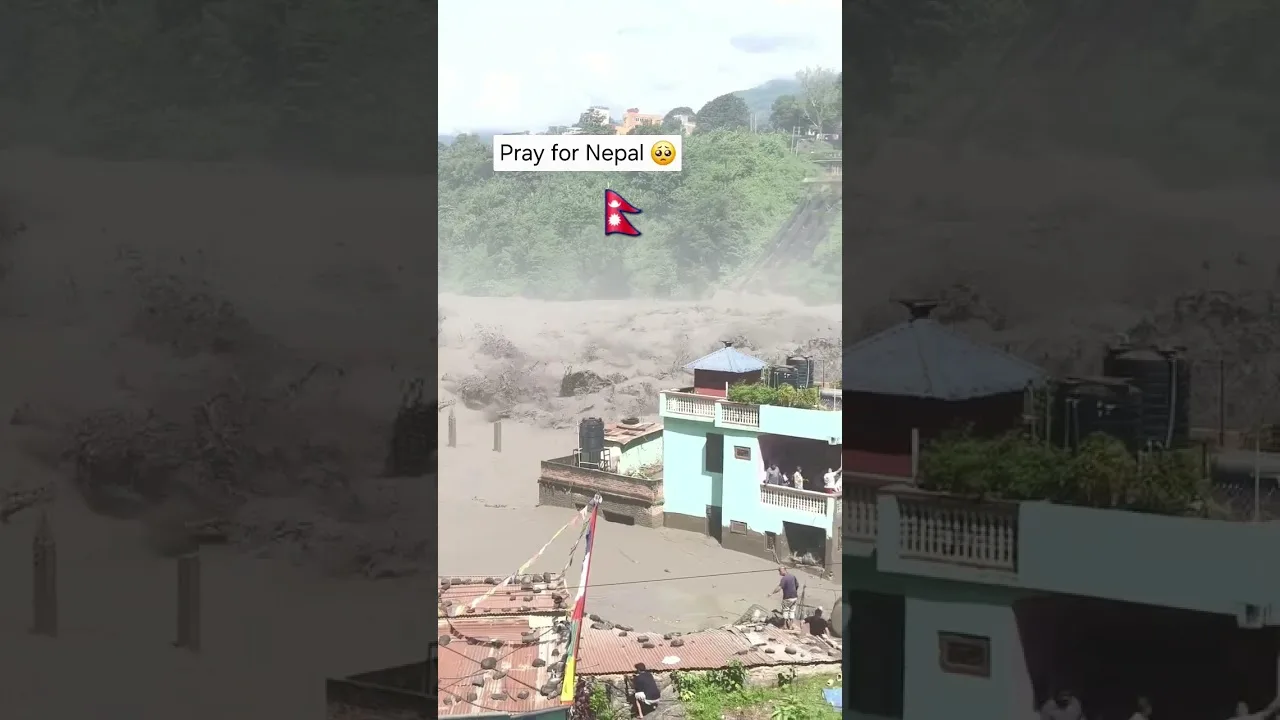
The 2022 India Monsoon Floods in Bihar submerged 28 million people and displaced over 1.5 million. The state received 295% of its average monsoon rainfall, while neighboring Jharkhand faced severe drought conditions. This stark contrast within the same basin exemplifies the spatial disparity of India Monsoon Floods. The disaster prompted the implementation of the Bihar State Disaster Management Plan, focusing on early evacuation and community-based flood preparedness.
2023 Maharashtra Rainfall Deficit
While Mumbai battled urban flooding from India Monsoon Floods, the Marathwada region of Maharashtra recorded 30% below-normal rainfall in 2023. This dual scenario affected 2.5 million farmers who depend on monsoon rains for cotton and soybean cultivation. The state government responded with drone-based water distribution and solar-powered irrigation pumps to address the rainfall deficit impacts.
Conclusion: Preparing for the Future of India Monsoon Floods
Understanding India Monsoon Floods requires recognizing the interplay of atmospheric dynamics, geographical features, and human activities. As climate change continues to alter rainfall patterns, developing resilient systems becomes critical. The integration of traditional knowledge with modern technology, as demonstrated by the India Meteorological Department’s predictive models, offers hope for better managing the paradoxical nature of monsoon seasons. By investing in adaptive infrastructure, sustainable water management, and community education, India can mitigate the impacts of future India Monsoon Floods while ensuring food and water security for millions.
Frequently Asked Questions
India Monsoon Floods result from uneven spatial distribution of rainfall, extreme intensity events, and geographical factors like river basins and urbanization patterns.
States like Bihar, Assam, and West Bengal face severe flooding due to Brahmaputra and Ganges river systems, while Rajasthan and Gujarat experience rainfall deficits due to rain shadow effects.
Preparation involves improving early warning systems, investing in resilient infrastructure, implementing sustainable water management practices, and strengthening community-based disaster preparedness programs.