Blog
Operation Sindoor India: Aftermath and Implications

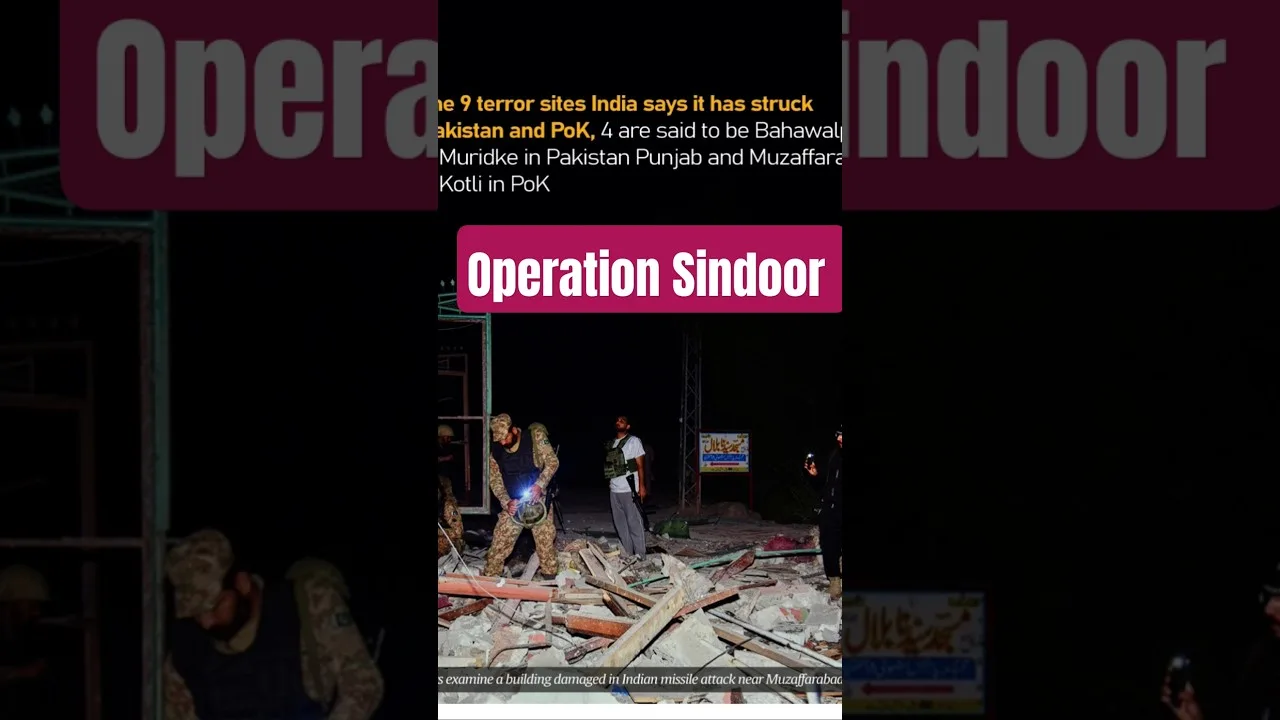
Table of Contents
- Operation Sindoor India: Strategic Overview
- Background of India‑Pakistan Tensions
- Details of the Missile Strikes
- Targets Hit in Pakistan
- Targets Hit in Pakistan‑Occupied Kashmir
- International Reaction and Geopolitical Impact
- Legal and Human Rights Considerations
- Media Coverage and Public Opinion
- Social Media Narratives
- Future Scenarios and Diplomatic Channels
- Conclusion: What Next for Operation Sindoor India
- Frequently Asked Questions
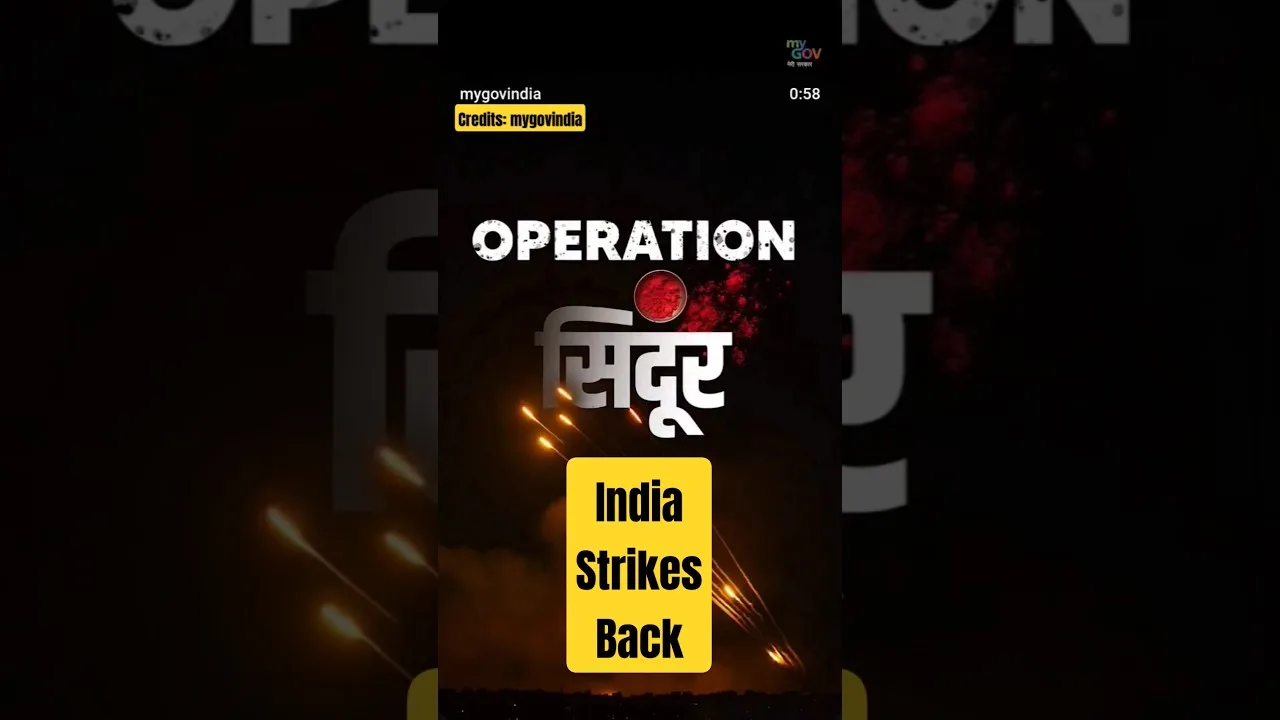
Operation Sindoor India launched a coordinated missile strike early Wednesday, hitting nine terror targets across Pakistan and Pakistan‑Occupied Kashmir. The operation was ordered as a direct retaliation for the deadly Pahalgam attack on April 22, which claimed 26 lives, including 25 Indians and one Nepali citizen. The strikes, timed at 1:44 am, targeted strongholds such as Muridke and Bahawalpur, home to the terror groups Lashkar-e-Taiba and Jaish-e-Mohammed, respectively. This decisive action underscored India’s resolve to counter cross‑border terrorism and marked one of the most significant military responses in recent India‑Pakistan history.
- Operation Sindoor India targeted nine terror sites in Pakistan and PoK within hours of the Pahalgam massacre.
- The strikes hit key Lashkar-e-Taiba and Jaish-e-Mohammed strongholds, signaling a focused打击.
- International observers monitored the escalation, raising concerns about regional stability.
- India’s military posture reinforced its doctrine of surgical strikes as a deterrent.
- The operation sparked debate over the long‑term efficacy of missile strikes versus diplomatic engagement.
Operation Sindoor India: Strategic Overview
The Operation Sindoor India campaign reflects a broader shift in India’s security calculus. Historically, New Delhi favored measured responses, but the scale and speed of the recent missile strikes indicate a willingness to project power decisively. Analysts attribute this change to several factors: the growing sophistication of terrorist networks, the perceived inadequacy of diplomatic pressure, and domestic political imperatives to demonstrate strong leadership after a tragic attack on civilians. The Operation Sindoor India strikes were not merely punitive; they were designed to degrade the operational capabilities of designated terrorist entities and to send a clear message to Islamabad that cross‑border infiltration would be met with immediate, precise force.
Background of India‑Pakistan Tensions
Relations between India and Pakistan have long been marred by border disputes, particularly over Kashmir. The Pahalgam attack, claimed by a Pakistan‑based group, intensified existing hostilities that had already been simmering due to sporadic ceasefire violations and militant incursions. The Indian government, under intense public pressure, concluded that a conventional military response was necessary to restore deterrence. Operation Sindoor India was thus conceived as a calibrated strike aimed at terror infrastructure while minimizing collateral damage. The operation’s timing—just hours after the atrocity—was intended to demonstrate swift justice and to signal that terrorism would be met with immediate retaliation.
Details of the Missile Strikes

The missile arsenal deployed during Operation Sindoor India comprised a mix of surface‑to‑surface missiles capable of striking targets up to 800 kilometers away. According to official statements, the Indian Air Force and missile units coordinated the assault, launching nine missiles in a single wave. Each missile was guided by advanced GPS and inertial navigation systems, ensuring high accuracy. The nine targets included training camps, weapons depots, and command centers linked to Lashkar-e-Taiba and Jaish-e-Mohammed. The precision of Operation Sindoor India strikes was highlighted by post‑strike satellite imagery, which confirmed the destruction of hardened structures while showing minimal civilian impact.
Targets Hit in Pakistan
Among the Pakistani sites struck were Muridke, a town notorious for being a hub of Lashkar-e-Taiba recruitment and training. The Operation Sindoor India missile hit a weapons storage facility, causing significant damage to the terror group’s logistical chain. Another strike targeted Bahawalpur, where Jaish-e-Mohammed maintained a forward operating base. The Operation Sindoor India campaign also hit a communications hub in the vicinity of Karachi, disrupting terrorist coordination networks. These precise actions underscored the ability of Operation Sindoor India to project force deep inside Pakistani territory while maintaining strategic discipline.
Targets Hit in Pakistan‑Occupied Kashmir
In the PoK region, Operation Sindoor India focused on two major militant strongholds: the Gurez sector and the Muzaffarabad corridor. The strikes eliminated several senior operatives and destroyed ammunition dumps. The Operation Sindoor India effort in PoK was particularly noteworthy because it demonstrated India’s willingness to engage targets beyond the Line of Control, a move that traditionally risked escalation. However, the measured nature of the missile payloads and the avoidance of populated areas helped keep civilian casualties low, reinforcing the narrative that Operation Sindoor India was a responsible and proportionate response.
International Reaction and Geopolitical Impact
Global powers reacted cautiously to Operation Sindoor India. The United States, through its State Department, called for restraint on both sides while acknowledging India’s right to defend its citizens. The United Nations Security Council held an emergency briefing, with several member states urging diplomatic dialogue. Neighboring countries such as Bangladesh and Afghanistan expressed concern over the potential spillover of violence. The Operation Sindoor India strikes also prompted a swift diplomatic démarche from Islamabad, which summoned the Indian envoy and demanded an apology. However, India’s stance, backed by strategic partners, signaled that Operation Sindoor India would not be isolated as an act of aggression but as a legitimate counter‑terrorism measure.
Legal and Human Rights Considerations
Legal scholars have examined Operation Sindoor India through the lens of international humanitarian law. The Indian government asserted that the strikes complied with the principles of distinction and proportionality, targeting only recognized terrorist entities. Human rights organizations, while condemning terrorist activities, called for thorough investigations into any potential civilian harm resulting from Operation Sindoor India missile strikes. The Ministry of Defense released a post‑strike report indicating that no civilian casualties were confirmed, a claim corroborated by independent satellite analysis. Nonetheless, the broader debate about the legality of cross‑border strikes under the UN Charter continues, with Operation Sindoor India serving as a case study for future jurisprudence.
Media Coverage and Public Opinion
Media outlets worldwide covered Operation Sindoor India extensively. Indian television channels broadcast live updates, while Pakistani news channels framed the strikes as an act of war. Social media platforms saw a surge in both celebratory posts from Indian citizens and condemnation from Pakistani netizens. The Operation Sindoor India narrative quickly went viral, with hashtags trending globally. Polling data indicated a sharp rise in Indian public support for strong action against terrorism, while international opinion remained divided. The coverage highlighted the power of real‑time information sharing and how Operation Sindoor India became a focal point for discussions on national security policy.
Social Media Narratives
On platforms like Twitter and X, the Operation Sindoor India hashtag was used to disseminate both official statements and citizen‑generated content. Pro‑India users shared graphics depicting missile trajectories, while others posted calls for diplomatic solutions. Pakistani social media echoed similar patterns, with state‑affiliated accounts labeling Operation Sindoor India as a violation of sovereignty. The digital discourse surrounding Operation Sindoor India underscored the role of cyber‑information warfare in shaping public perception and influencing diplomatic outcomes.
Future Scenarios and Diplomatic Channels
Looking ahead, several scenarios could shape the trajectory of India‑Pakistan relations post‑Operation Sindoor India. A continued cycle of tit‑for‑tat strikes could destabilize the region, prompting involvement from global powers seeking to broker a ceasefire. Conversely, the trauma of the Pahalgam attack and the visible effectiveness of Operation Sindoor India might incentivize Islamabad to reconsider its support for militant groups. Backchannel diplomacy, possibly mediated by the United Nations or regional stakeholders like the Shanghai Cooperation Organization, could open pathways to de‑escalation. Moreover, confidence‑building measures such as joint counter‑terrorism workshops and cross‑border humanitarian projects could mitigate the risk of future attacks and reduce the perceived need for further Operation Sindoor India‑style interventions.
Conclusion: What Next for Operation Sindoor India
Operation Sindoor India stands as a watershed moment in India’s counter‑terrorism strategy. By employing precision missiles to dismantle terror networks, India demonstrated both capability and resolve. The operation’s aftermath will likely influence future policy decisions, shaping how New Delhi balances military deterrence with diplomatic engagement. As the region watches, the international community will be keen to observe whether Operation Sindoor India leads to a durable reduction in cross‑border terrorism or merely sets the stage for further confrontations. The ultimate test will be the ability of political leaders to convert the tactical success of Operation Sindoor India into a strategic framework that ensures lasting peace and security for all stakeholders.
For further reading, explore comprehensive analyses on the 2024 India‑Pakistan military confrontation and related geopolitical developments.
Additional resources on the involved terrorist organizations can be found at their respective Wikipedia pages and Wikipedia pages.
Stay informed about ongoing developments by visiting reputable news portals such as the BBC World Service for up‑to‑date coverage.
Frequently Asked Questions
-
What was the primary objective of Operation Sindoor India?
The primary objective was to retaliate against the Pahalgam terror attack by destroying nine terror targets linked to Lashkar-e-Taiba and Jaish-e-Mohammed. -
How many missiles were launched during Operation Sindoor India?
Nine missiles were launched in a single coordinated strike at 1:44 am. -
Did any civilian casualties result from Operation Sindoor India?
Official reports and satellite analysis indicate no confirmed civilian casualties from the Operation Sindoor India strikes.
Frequently Asked Questions
The primary objective was to retaliate against the Pahalgam terror attack by destroying nine terror targets linked to Lashkar-e-Taiba and Jaish-e-Mohammed.
Nine missiles were launched in a single coordinated strike at 1:44 am.
Official reports and satellite analysis indicate no confirmed civilian casualties from the Operation Sindoor India strikes.