Blog
upsc geography optional Best Study Materials Guide

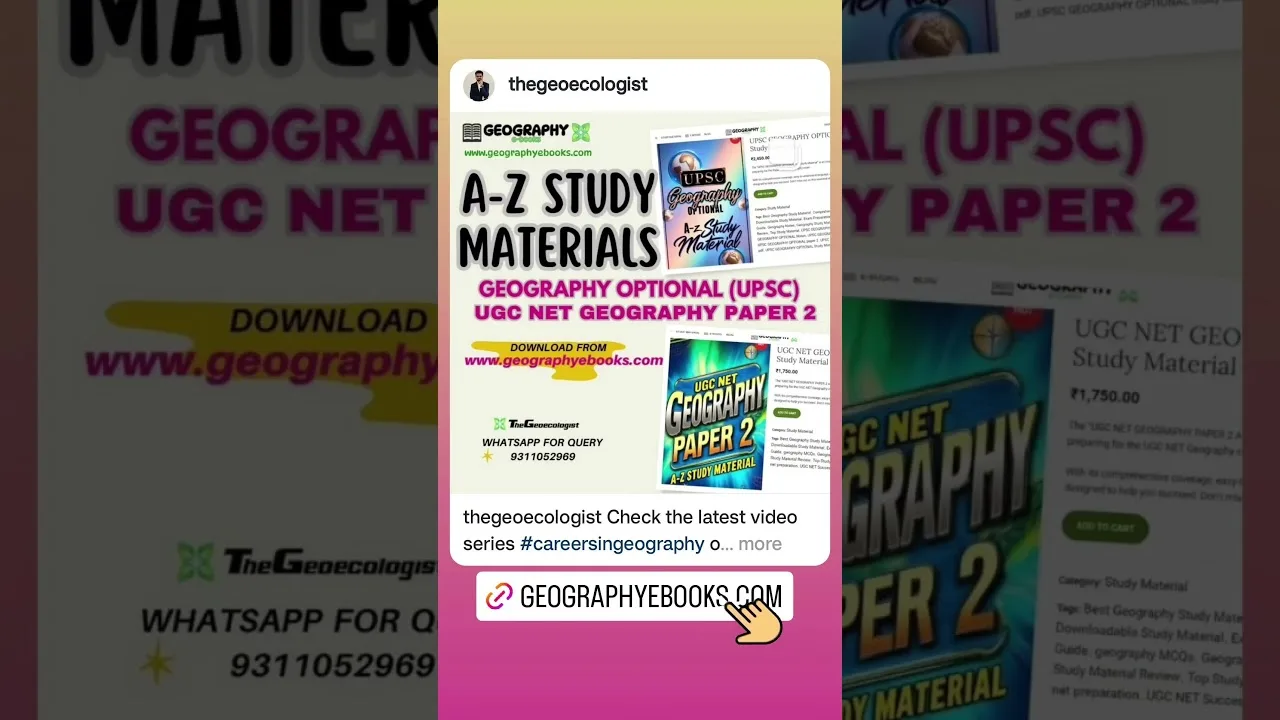
Table of Contents
- Why Choose upsc geography optional?
- Core Textbooks for upsc geography optional
- Supplementing with Reference Books and eBooks
- Map Practice and Visual Learning
- Integrating Current Affairs
- Recommended Study Schedule
- Leveraging Online Platforms and Test Series
- Tips from Toppers
- Common Mistakes to Avoid
- Final Thoughts
upsc geography optional is a popular choice among UPSC aspirants due to its scoring potential and overlap with general studies. Selecting the right study materials can make a significant difference in preparation efficiency and final scores. In this comprehensive guide, we explore the best resources, including standard textbooks, reference books, eBooks, map supplements, and online platforms that cater specifically to the upsc geography optional syllabus. We also provide insights into how to integrate these materials into a structured study plan, along with tips from toppers and subject experts.
- Focus on concept clarity rather than rote memorization.
- Use a combination of NCERTs, advanced textbooks, and curated eBooks.
- Regularly practice map-based questions and previous year papers.
- Allocate time for revision and answer writing practice.
- Leverage online test series and video lectures for doubt clearing.
Why Choose upsc geography optional?
Geography as an optional subject offers a balanced mix of physical, human, and environmental aspects, making upsc geography optional accessible to candidates from diverse academic backgrounds. According to the UPSC annual report 2023, approximately 12% of successful candidates opted for geography optional, with a success rate higher than the average for humanities options. upsc geography optional’s relevance to current affairs, environmental issues, and disaster management further enhances its appeal. Moreover, the availability of quality study materials, including the extensive collection at geographyebooks.com, ensures that aspirants have access to up-to-date content.
Core Textbooks for upsc geography optional
Building a strong foundation starts with standard textbooks that cover the syllabus comprehensively. The most recommended books include:
- Certificate Physical and Human Geography by Goh Cheng Leong – ideal for understanding fundamental concepts.
- Geography of India by Majid Husain – detailed coverage of India’s physical and socio-economic geography.
- Human Geography by Majid Husain – focuses on population, settlement, and economic geography.
- Models in Geography by Majid Husain – essential for theoretical aspects and model-based questions.
- Oxford School Atlas – indispensable for map practice and visual learning.
These books are frequently cited in UPSC toppers’ interviews and are available in both print and digital formats. Many aspirants prefer the eBook versions for portability and ease of annotation. – a key consideration for upsc geography optional.
Supplementing with Reference Books and eBooks

Beyond core textbooks, reference materials help deepen understanding and provide alternative explanations. Noteworthy references include:
- Physical Geography by Savindra Singh – detailed treatment of geomorphology, climatology, and oceanography.
- Economic Geography by Hartshorne and Alexander – classic text for economic aspects.
- Geographical Thought by Sudipta Sen – covers evolution of geographical theories.
- Disaster Management by Jagbir Singh – relevant for the applied geography component.
For those seeking curated, exam-focused content, the platform geographyebooks.com offers a wide range of eBooks specifically designed for upsc geography optional. These eBooks include topic-wise notes, solved previous year questions, model answers, and high-quality map exercises. The site updates its collection regularly to reflect the latest UPSC trends and syllabus modifications.
Map Practice and Visual Learning
Map-based questions constitute a significant portion of the geography optional paper. Aspirants must develop proficiency in locating physical features, interpreting thematic maps, and drawing sketch maps. Effective map practice involves:
- Using the Oxford School Atlas for reference and practice.
- Drawing outline maps of India and the world regularly.
- Marking important rivers, mountain ranges, cities, and climate zones.
- Solving map-based questions from previous UPSC papers (available on UPSC official website).
- Utilizing online map tools and apps for interactive learning.
Statistics show that candidates who dedicate at least 30 minutes daily to map practice improve their scores by an average of 15 marks in the geography optional paper.
Integrating Current Affairs
Geography optional is highly dynamic; linking static concepts with current events enhances answer quality. Aspirants should:
- Follow monthly magazines like Yojana, Kurukshetra, and Down To Earth.
- Watch documentaries from BBC Earth and National Geographic.
- Make notes on recent geographical phenomena such as cyclones, earthquakes, and climate summits.
- Refer to the Geography Wikipedia portal for quick fact-checking and background reading.
Incorporating current affairs not only enriches answers but also demonstrates analytical ability, a key factor in UPSC evaluation.
Recommended Study Schedule
A well-structured timetable ensures consistent progress. A sample weekly plan for upsc geography optional preparation could look like this:
| Day | Activity |
|---|---|
| Monday | Physical Geography – Geomorphology (2 hrs) + Map Practice (1 hr) |
| Tuesday | Human Geography – Population & Settlement (2 hrs) + Current Affairs (1 hr) |
| Wednesday | Economic Geography – Resources & Industries (2 hrs) + Previous Year Questions (1 hr) |
| Thursday | Indian Geography – Physical Features (2 hrs) + Atlas Work (1 hr) |
| Friday | Environmental Geography – Ecology & Disaster Management (2 hrs) + Video Lectures (1 hr) |
| Saturday | Full Length Mock Test (3 hrs) + Analysis (1 hr) |
| Sunday | Revision & Doubt Clearing (3 hrs) + Light Reading (1 hr) |
Adjust the schedule based on personal strengths and weaknesses, ensuring adequate time for revision before the exam.
Leveraging Online Platforms and Test Series
Online learning platforms have revolutionized UPSC preparation. Recommended resources include:
- Unacademy and BYJU’S for video lectures on specific topics.
- InsightsIAS and ForumIAS for test series and answer writing practice.
- Geographyebooks.com for downloadable notes and eBooks.
- YouTube channels like “StudyIQ Geography” and “Mrunal” for free lectures.
Participating in a reputable test series helps aspirants gauge their performance, identify weak areas, and improve time management. Analyzing mock test results is crucial for refining strategy.
Tips from Toppers
Success stories often highlight common strategies:
- Start with NCERTs (Classes XI-XII) to build basics.
- Progress to standard reference books and supplement with eBooks.
- Focus on diagram-based questions; practice drawing neat, labeled diagrams.
- Write answers in bullet points or paragraphs as per question demand.
- Keep a separate notebook for map practice and revision.
- Stay consistent; even 2-3 hours daily yields better results than irregular long sessions.
Many toppers emphasize the importance of enjoying upsc geography optional. When geography becomes interesting, retention improves naturally.
Common Mistakes to Avoid
Even diligent aspirants can falter due to avoidable errors:
- Over-reliance on a single source; diversify resources.
- Neglecting map practice leads to loss of easy marks.
- Ignoring the intersection of geography with general studies papers.
- Skipping revision; memory fades without periodic review.
- Writing lengthy answers without structure; adhere to word limits.
Avoiding these pitfalls can significantly boost scores.
Final Thoughts
Choosing the right study materials for upsc geography optional is a strategic decision that influences the entire preparation journey. By combining standard textbooks, specialized eBooks from platforms like geographyebooks.com, rigorous map practice, and current affairs integration, aspirants can build a robust knowledge base. Consistent effort, smart revision, and answer writing practice are the keys to converting potential into performance. Stay focused, stay curious, and success will follow.
Frequently Asked Questions
The essential books include Goh Cheng Leong's Certificate Physical and Human Geography, Majid Husain's Geography of India and Human Geography, Models in Geography by Majid Husain, and the Oxford School Atlas for map practice.
Map practice is crucial as map-based questions contribute significantly to the paper. Daily practice of 20-30 minutes can improve scores by 10-15 marks.
While eBooks from trusted sources like geographyebooks.com provide excellent concise material, it is advisable to supplement them with standard textbooks and reference books for depth and varied perspectives.