Blog
Beat Plastic Pollution: World Environment Day 2024 Action Guide


Table of Contents
- Why World Environment Day 2024 Focuses on Plastic
- The Science Behind the Crisis
- Key Statistics Driving the Beat Plastic Pollution Movement
- Global Policy Momentum to Beat Plastic Pollution
- Extended Producer Responsibility (EPR) Gains Traction
- Corporate Leadership and Voluntary Commitments
- Innovation Spotlight: Alternative Materials and Business Models
- Community Action: From Cleanups to Systemic Advocacy
- Youth and Indigenous Leadership
- Individual Action Plan: How to Beat Plastic Pollution Daily
- High-Impact Household Swaps
- The Role of Education and Media in Driving Change
- Combating Greenwashing: What to Trust
- Financing the Transition: Investment Gaps and Opportunities
- Looking Ahead: The Global Plastics Treaty and Beyond
- Scenario Analysis: 2040 Trajectories
- Resources for Deeper Engagement
- Frequently Asked Questions
- What is the theme for World Environment Day 2024?
- When is World Environment Day celebrated?
- How can I participate in Beat Plastic Pollution activities?
- What is the Global Plastics Treaty?
- Are bioplastics a solution to plastic pollution?
- What is the most effective way to reduce my plastic footprint?
- Conclusion: Collective Power to Beat Plastic Pollution
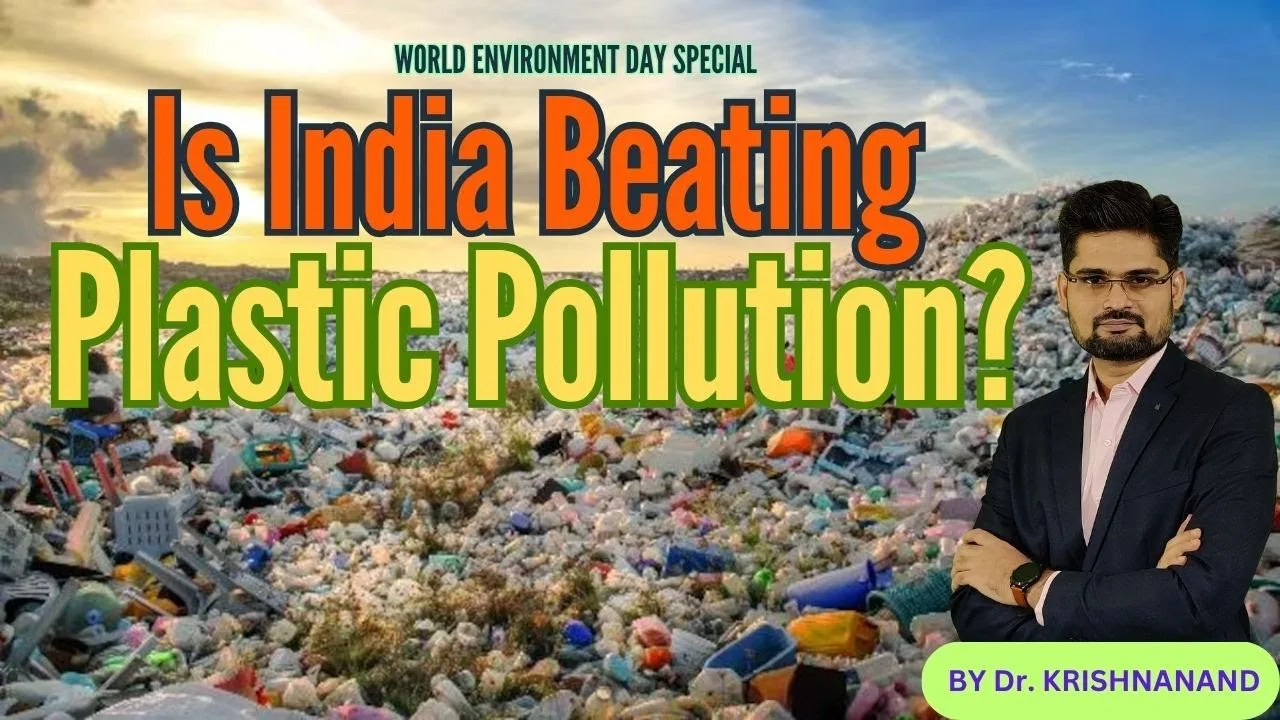
Beat Plastic Pollution is the rallying cry for World Environment Day 2024, uniting governments, businesses, and individuals in a global mission to curb the plastic crisis. World Environment Day is celebrated annually on 5 June and encourages awareness and action for the protection of the environment. It is supported by many non-governmental organizations, businesses, government entities, and represents the primary United Nations outreach day supporting the environment. This year’s theme underscores the urgency of addressing plastic waste that chokes oceans, contaminates soil, and enters food chains. From single-use bags to microplastics in drinking water, the scale of contamination demands immediate, coordinated solutions.
- Beat Plastic Pollution is the official 2024 World Environment Day theme led by UNEP.
- Over 400 million tonnes of plastic are produced yearly; half is single-use.
- Only 9% of all plastic ever made has been recycled.
- Circular economy models and policy bans are proven reduction strategies.
- Individual actions — refuse, reduce, reuse, recycle — drive systemic change.
Why World Environment Day 2024 Focuses on Plastic
The United Nations Environment Programme (UNEP) selected Beat Plastic Pollution as the 2024 theme because plastic waste has reached planetary boundaries. According to UNEP, approximately 11 million metric tonnes of plastic enter oceans annually — a figure projected to triple by 2040 without intervention. World Environment Day, established in 1972 at the Stockholm Conference, has historically spotlighted issues like ozone depletion, climate change, and biodiversity loss. This year, the campaign leverages the hashtag #BeatPlasticPollution to amplify grassroots movements, corporate pledges, and legislative reforms across 150+ participating countries.
The Science Behind the Crisis
Plastic does not biodegrade; it fragments into microplastics (<5 mm) and nanoplastics (<1 µm). These particles infiltrate marine ecosystems, agricultural soils, and even the atmosphere. A 2022 study published in Environment International detected microplastics in human blood for the first time, raising urgent health questions. The UN Environment Programme warns that plastic-related greenhouse gas emissions could reach 1.34 gigatonnes per year by 2030, undermining Paris Agreement targets.
Key Statistics Driving the Beat Plastic Pollution Movement
- 400+ million tonnes of plastic produced annually (OECD, 2022).
- 36% of all plastic is packaging; 85% ends in landfills or nature.
- 11 million tonnes leak into oceans yearly — equivalent to a garbage truck every minute.
- $2.5 trillion in annual ecosystem damage attributed to marine plastic (WWF).
- 9% global recycling rate; 12% incinerated; 79% accumulated.
Global Policy Momentum to Beat Plastic Pollution
Governments are translating the Beat Plastic Pollution mandate into binding law. In March 2022, 175 nations adopted a historic resolution at the UN Environment Assembly (UNEA-5.2) to negotiate a legally binding Global Plastics Treaty by end of 2024. The treaty aims to address the full lifecycle of plastic — from polymer production to waste management. Meanwhile, the European Union’s Single-Use Plastics Directive (SUPD), effective since 2021, bans ten common beach-litter items including cutlery, plates, and straws. India, host of World Environment Day 2018, banned 19 single-use plastic categories in July 2022. Rwanda, a pioneer since 2008, enforces one of the world’s strictest plastic bag bans with heavy fines and prison terms for traffickers.
Extended Producer Responsibility (EPR) Gains Traction
EPR schemes shift waste management costs from municipalities to producers. The EU’s Packaging and Packaging Waste Regulation (PPWR), proposed in 2022, mandates reusable packaging targets, recycled content minimums, and deposit-return systems. Canada, Chile, and South Korea have implemented national EPR frameworks. In the United States, Maine and Oregon passed EPR laws for packaging in 2021; Colorado and California followed in 2022. These policies incentivize redesign for recyclability and fund collection infrastructure — critical levers to Beat Plastic Pollution at scale.
Corporate Leadership and Voluntary Commitments
Over 500 organizations have signed the Ellen MacArthur Foundation’s Global Commitment, pledging to eliminate problematic plastics, innovate for 100% reusable/recyclable/compostable packaging, and circulate materials. Signatories include Coca-Cola, Nestlé, PepsiCo, Unilever, and L’Oréal. Progress reports show mixed results: virgin plastic use decreased 0.1% in 2022 versus 2018 baseline, while reusable packaging pilots expanded. Critics argue voluntary pledges lack enforcement; advocates counter they create pre-competitive collaboration and normalize circular design.
Innovation Spotlight: Alternative Materials and Business Models
Startups and R&D divisions are racing to Beat Plastic Pollution through material science and service models:
- Seaweed-based films (Notpla, Sway) — home-compostable, marine-degradable.
- Mycelium packaging (Ecovative) — grown from fungal roots, replaces Styrofoam.
- Refill stations (Algramo, Loop) — IoT-enabled dispensers for detergents, beverages.
- Chemical recycling (Eastman, Loop Industries) — depolymerizes PET to virgin-quality monomers.
- Digital watermarks (HolyGrail 2.0) — enable precise sorting at recycling facilities.
Community Action: From Cleanups to Systemic Advocacy
Grassroots movements amplify the Beat Plastic Pollution message through direct action and policy pressure. The International Coastal Cleanup, organized by Ocean Conservancy since 1986, mobilizes millions of volunteers annually; 2023 data shows cigarette butts, food wrappers, and plastic bottles as top collected items. Break Free From Plastic, a global coalition of 11,000+ organizations, conducts brand audits identifying top corporate polluters — Coca-Cola, PepsiCo, and Nestlé have ranked highest for five consecutive years. These audits fuel shareholder resolutions, litigation, and consumer campaigns demanding accountability.
Youth and Indigenous Leadership
Youth activists like Licypriya Kangujam (India) and Xiye Bastida (Mexico/OTOMI) frame plastic pollution as climate and justice issues. Indigenous communities, often on frontlines of petrochemical expansion and waste dumping, advocate for treaty provisions recognizing traditional knowledge and free, prior, informed consent (FPIC). The UN Permanent Forum on Indigenous Issues has called for a just transition that centers Indigenous rights in plastic treaty negotiations.
Individual Action Plan: How to Beat Plastic Pollution Daily
While systemic change is essential, individual choices create market signals and cultural norms. The Beat Plastic Pollution practical hierarchy:
- Refuse single-use items (bags, bottles, cutlery, straws). Carry reusables.
- Reduce packaging by buying bulk, choosing loose produce, avoiding over-wrapped goods.
- Reuse containers, jars, bags; repair instead of replace.
- Recycle correctly — learn local rules, clean containers, avoid wish-cycling.
- Rot compost organic waste; support municipal composting programs.
- Advocate — contact representatives, support bans, vote with wallet.
High-Impact Household Swaps
| Single-Use Item | Reusable Alternative | Annual Waste Avoided (per person) |
|---|---|---|
| Plastic water bottles | Stainless steel/glass bottle | 156 bottles |
| Grocery bags | Cotton/mesh totes | 300+ bags |
| Coffee cups | Travel mug | 500 cups |
| Food wrap | Beeswax wraps/silicone lids | 24 rolls |
| Produce bags | Mesh produce bags | 100+ bags |
The Role of Education and Media in Driving Change
World Environment Day 2024 leverages digital storytelling to Beat Plastic Pollution. The UNEP’s #BeatPlasticPollution social media toolkit provides assets in 6 UN languages. Educational curricula from UNESCO’s Education for Sustainable Development (ESD) framework integrate plastic literacy into STEM and civics. Documentaries like A Plastic Ocean (2016) and The Story of Plastic (2019) have shifted public perception. Influencer campaigns — such as the #TrashTag challenge (2019) — gamify cleanups. Media literacy is crucial: greenwashing tactics (vague “eco-friendly” claims, misleading recycling symbols) must be countered with third-party certifications (BPI, OK Compost, Cradle to Cradle).
Combating Greenwashing: What to Trust
- Look for specific, verified claims: “90% post-consumer recycled content” vs. “eco-friendly.”
- Check third-party certifications: FSC (paper), GOTS (textiles), BPI (compostable).
- Beware bioplastic confusion: “bio-based” ≠ biodegradable; “compostable” often requires industrial facilities.
- Support transparency platforms: CDP, Ellen MacArthur Foundation reporting, Plastic Disclosure Project.
Financing the Transition: Investment Gaps and Opportunities
Closing the plastic circularity gap requires $1.2 trillion in global investment by 2040 (Systemiq, 2023). Current flows fall short: only 6% of climate finance targets waste management. Innovative instruments are emerging:
- Plastic credits (Verra, Plastic Credit Exchange) — finance collection/recycling in underserved regions.
- Blue bonds — sovereign debt for marine conservation (Seychelles, Belize, Ecuador).
- Blended finance — public funds de-risk private investment in recycling infrastructure.
- Polluter-pays taxes — UK Plastic Packaging Tax (£200/tonne <30% recycled content); EU plastic levy (€0.80/kg non-recycled).
Looking Ahead: The Global Plastics Treaty and Beyond
The Intergovernmental Negotiating Committee (INC) meets throughout 2024 — INC-4 in Ottawa (April), INC-5 in Busan (November) — to finalize the treaty. Key sticking points: production caps vs. waste management focus; chemical transparency; just transition for waste pickers (20 million informal workers globally); financing mechanism. A high-ambition coalition (60+ nations) pushes for binding reduction targets; petrochemical-producing nations favor voluntary measures. The outcome will define whether the world can truly Beat Plastic Pollution or merely manage its symptoms.
Scenario Analysis: 2040 Trajectories
Systemiq’s “Breaking the Plastic Wave” models three 2040 scenarios:
- Business-as-usual: 29 million tonnes/year ocean leakage; 1.3 Gt CO2e emissions.
- Current commitments: 18 million tonnes/year leakage; 30% reduction vs BAU.
- System change (all feasible interventions): 5 million tonnes/year leakage; 80% reduction; $70B net savings vs BAU.
The system-change scenario requires simultaneous action across reduction, substitution, recycling, and disposal — confirming that Beat Plastic Pollution demands whole-system transformation, not silver bullets.
Resources for Deeper Engagement
- World Environment Day Official Portal — campaign assets, event map, toolkit.
- UNEP Beat Plastic Pollution Interactive — data visualizations, solutions database.
- Wikipedia: Plastic Pollution — comprehensive overview with citations.
- Ellen MacArthur Foundation — Global Commitment Progress Reports, New Plastics Economy publications.
- OECD — Global Plastics Outlook (2022), Policy Scenarios for Eliminating Plastic Leakage (2023).
Frequently Asked Questions
What is the theme for World Environment Day 2024?
The official theme is Beat Plastic Pollution, led by the United Nations Environment Programme (UNEP) with the hashtag #BeatPlasticPollution.
When is World Environment Day celebrated?
World Environment Day is celebrated annually on 5 June. It was established by the UN General Assembly in 1972 at the Stockholm Conference on the Human Environment.
How can I participate in Beat Plastic Pollution activities?
Join local cleanups, refuse single-use plastics, advocate for policy change, support businesses with circular models, and share #BeatPlasticPollution content. Visit worldenvironmentday.global for registered events.
What is the Global Plastics Treaty?
A legally binding international agreement under negotiation since 2022 (UNEA Resolution 5/14) to address plastic pollution across the full lifecycle. Final text targeted for end of 2024.
Are bioplastics a solution to plastic pollution?
Not automatically. “Bio-based” refers to feedstock origin, not end-of-life behavior. Many bioplastics require industrial composting and contaminate recycling streams. Prioritize reduction and reuse over material substitution.
What is the most effective way to reduce my plastic footprint?
Follow the waste hierarchy: Refuse > Reduce > Reuse > Recycle > Rot. Highest impact: eliminate single-use bottles, bags, cups, and packaging through reusable systems.
Conclusion: Collective Power to Beat Plastic Pollution
The Beat Plastic Pollution movement represents a planetary pivot point. Science confirms the crisis; policy frameworks exist; innovations are scaling; communities are mobilizing. World Environment Day 2024 is not a symbolic observance — it is a deadline marker. The Global Plastics Treaty negotiations, corporate accountability mechanisms, and citizen pressure converge this year. Every refused straw, every repaired container, every vote for ambitious regulation, every investment in circular infrastructure adds up. The plastic pollution crisis is solvable within a generation — but only if governments, industries, and individuals align behind the same urgent goal: to Beat Plastic Pollution decisively, equitably, and permanently. The time for incrementalism has passed. The time for system change is now.
Frequently Asked Questions
The official theme is Beat Plastic Pollution, led by the United Nations Environment Programme (UNEP) with the hashtag #BeatPlasticPollution.
World Environment Day is celebrated annually on 5 June. It was established by the UN General Assembly in 1972 at the Stockholm Conference on the Human Environment.
Join local cleanups, refuse single-use plastics, advocate for policy change, support businesses with circular models, and share #BeatPlasticPollution content. Visit worldenvironmentday.global for registered events.