Blog
rubber extraction: The Fascinating Journey from Tree to Tire

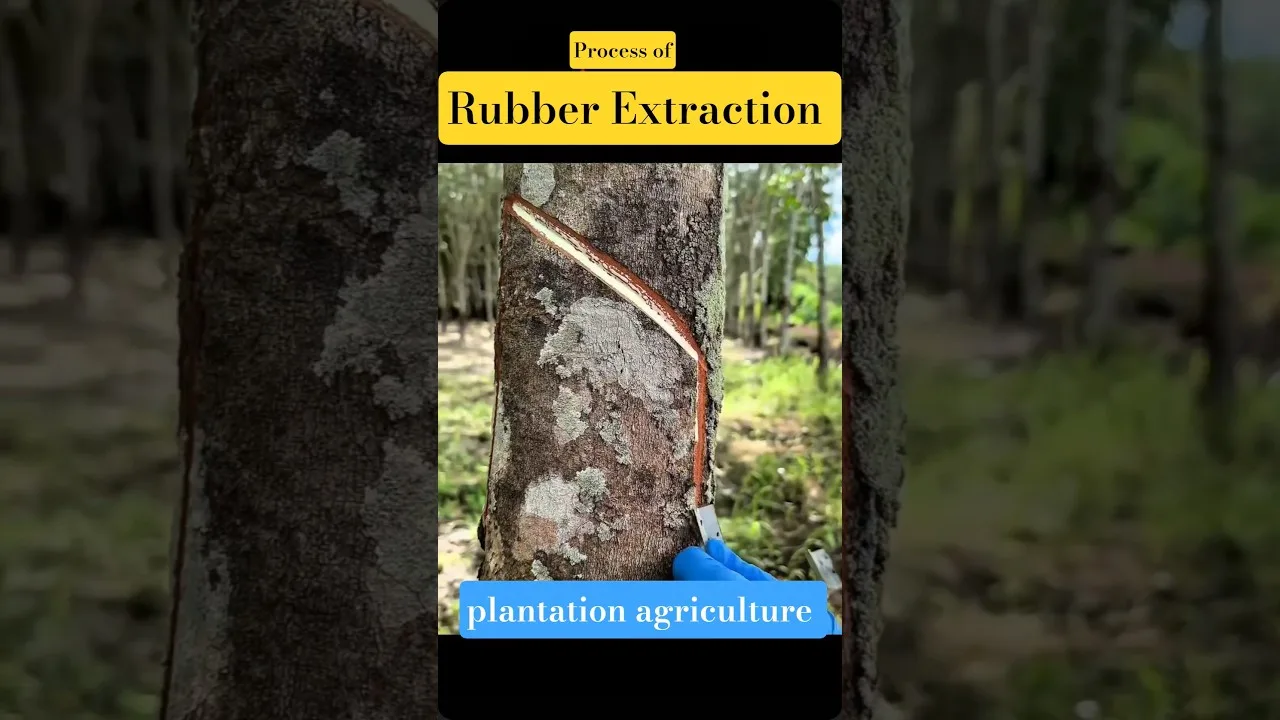
Table of Contents
- rubber extraction: From Tree to Product
- The Biology of Hevea brasiliensis
- Tapping Techniques and Timing
- Collection, Preservation, and Initial Processing
- From Coagulation to Vulcanization: The Chemistry of rubber extraction
- Sustainability and Economic Impact of rubber extraction
- Environmental Benefits
- Livelihoods and Global Trade
- Future Innovations and Challenges in rubber extraction
- Conclusion
rubber extraction is a fascinating process that transforms milky latex from the Hevea brasiliensis tree into the elastic material we rely on daily.
- rubber extraction begins with precise tapping of rubber trees to collect latex.
- Each tree yields 50–150 grams of latex every two to three days.
- Ammonia prevents premature coagulation; acids then turn liquid latex into solid sheets.
- Vulcanization with sulfur creates durable, heat‑resistant rubber.
- Sustainable rubber extraction supports livelihoods for millions and reduces deforestation pressure.
rubber extraction: From Tree to Product
Understanding rubber extraction requires a look at the botanical source. The primary species, Hevea brasiliensis, originates in the Amazon basin but is now cultivated across Southeast Asia. According to the International Rubber Study Group (IRSG), global natural rubber production reached approximately 13.9 million tonnes in 2022, with Thailand, Indonesia, and Vietnam accounting for over 70% of output. This statistic underscores the scale of rubber extraction worldwide and its importance to industries ranging from automotive to healthcare.
The Biology of Hevea brasiliensis
The rubber tree is a fast‑growing perennial that can reach heights of 30 meters. Its bark contains laticifers—specialized cells that produce latex, a colloidal suspension of rubber particles in water. When the bark is incised, latex flows out as a milky emulsion. The tree’s ability to heal and continue producing latex for 20–30 years makes rubber extraction a uniquely renewable practice compared to many mineral‑based materials.
Tapping Techniques and Timing
Skilled tappers perform rubber extraction early in the morning when temperatures are cooler, encouraging optimal latex flow. A diagonal cut, just 1–2 mm deep, slices the laticifers without damaging the cambium layer. The incision is typically renewed every two to three days, allowing the tree to compartmentalize the wound and produce fresh latex. On average, a single tree contributes 50–150 grams of latex per session, translating to roughly 20–50 kilograms per year per tree under good management.
Collection, Preservation, and Initial Processing
Latex is gathered in coconut shells, clay cups, or modern polyethylene containers attached to the tree. To prevent the liquid from solidifying before it reaches the factory, ammonia (usually 0.5–1 % concentration) is added immediately after collection. This stabilizes the latex for transport. At the processing plant, formic or acetic acid is introduced to induce coagulation, turning the liquid into a spongy mass known as “coagulum.” The coagulum is washed, rolled into sheets, and either air‑dried or smoked to improve shelf life.
From Coagulation to Vulcanization: The Chemistry of rubber extraction

After sheet formation, the rubber still lacks the strength and elasticity needed for end‑use products. The next stage in rubber extraction is vulcanization, a process discovered by Charles Goodyear in 1839. By heating the rubber with sulfur (typically 5–10 % by weight) at temperatures between 140 °C and 180 °C, cross‑links form between polymer chains. This transforms the material from a soft, sticky substance into a durable, heat‑resistant elastomer capable of withstanding repeated stress.
Modern rubber extraction facilities often incorporate accelerators such as zinc oxide and stearic acid to speed up vulcanization and improve product consistency. The resulting vulcanized rubber exhibits superior tensile strength, abrasion resistance, and aging properties—qualities essential for tires, conveyor belts, and medical gloves.
Sustainability and Economic Impact of rubber extraction
Unlike many extractive industries, rubber extraction can be environmentally benign when managed responsibly. Because trees remain alive and productive for decades, rubber plantations act as carbon sinks, sequestering atmospheric CO₂. A mature hectare of rubber can store up to 150 tonnes of carbon over its lifecycle, according to FAO assessments. Moreover, the practice supports rural livelihoods: the World Bank estimates that over 6 million smallholder families depend on rubber extraction for income, particularly in Thailand, Indonesia, and West Africa.
Environmental Benefits
Sustainable rubber extraction reduces pressure on natural forests by providing an economic incentive to maintain tree cover. Certification schemes such as the Forest Stewardship Council (FSC) and the Sustainable Natural Rubber Initiative (SNRi) promote best practices, including zero‑burn policies, integrated pest management, and water‑conservation techniques. These measures help preserve biodiversity while ensuring a steady supply of raw material.
Livelihoods and Global Trade
The global trade in natural rubber, driven by rubber extraction, was valued at approximately $28 billion in 2022. Major importing countries include the United States, China, and the European Union. Price fluctuations are influenced by factors such as weather patterns in Southeast Asia, demand from the automotive sector, and speculative trading on commodity exchanges. Despite volatility, the long‑term outlook remains positive due to growing demand for eco‑friendly materials in electric vehicle tires and green construction.
Future Innovations and Challenges in rubber extraction
Researchers are exploring ways to enhance rubber extraction efficiency and product performance. Genetic improvement programs aim to develop Hevea brasiliensis varieties with higher latex yield and disease resistance, particularly against the devastating South American leaf blight. Additionally, scientists are investigating recombinant rubber production in microorganisms such as yeast, which could supplement traditional rubber extraction in the future.
Climate change poses a significant challenge. Altered rainfall patterns and rising temperatures can affect latex flow and increase susceptibility to pests. Adaptive strategies—such as shade‑grooving, intercropping with nitrogen‑fixing plants, and improved drainage—are being tested to maintain productivity under changing conditions.
Digital agriculture tools are also making inroads. Satellite‑based monitoring helps plantation managers assess tree health, optimize tapping schedules, and predict yields. Blockchain‑based traceability systems are emerging to verify sustainable rubber extraction practices, giving consumers confidence in the ethical origins of their products.
Conclusion
rubber extraction is more than a simple industrial process; it is a centuries‑old tradition that blends skilled labor, biological knowledge, and modern science. From the early morning tap on a rubber tree to the vulcanized sheet that becomes a tire or a glove, each step reflects a commitment to sustainability and quality. As global demand for natural rubber continues to rise, innovations in tapping techniques, tree genetics, and eco‑friendly processing will ensure that this remarkable material remains a cornerstone of modern life while protecting the ecosystems that produce it.
Frequently Asked Questions
The primary tree is Hevea brasiliensis, native to the Amazon basin but widely cultivated in Southeast Asia for latex production.
A rubber tree can be tapped every two to three days, with each session yielding 50–150 grams of latex, allowing production for 20–30 years.
Vulcanization adds sulfur cross‑links to rubber polymers, making the material stronger, elastic, and resistant to heat, wear, and aging.