Blog
Indian water resources: Comprehensive Analysis for Class 12 and Competitive Exams

Table of Contents
- Indian water resources: A Critical Overview
- 1. Types and Distribution of Indian water resources
- Key Facts
- 2. Causes and Consequences of Water Scarcity
- Statistical Insight
- 3. Traditional Water Management Systems
- 4. Modern Water Management Strategies
- 4.1 Dams and Multipurpose Projects
- 4.2 Rainwater Harvesting
- 4.3 Watershed Management
- 5. Policy Initiatives and Sustainable Practices
- Exam‑Centric Insights
- Conclusion
Indian water resources: A Critical Overview
yüz Indian water resources shape the agricultural backbone and daily life in the country. From the perennial rivers of the Himalayas to the rain‑fed streams in the Deccan, the diversity and distribution of these resources determine regional development and sustainability. The National Council of Educational Research and Training (NCERT) Chapter 4 on “India’s People and Economy” and insights from the popular geography channel TheGeoecologist provide a layered understanding of Indian water resources. Indian water resources synthesizes those resources into a single, 1500‑plus‑word guide, ideal for CBSE Class 12 students, CUET aspirants, UPSC candidates, and anyone interested in water‑related policy and management.
- Explore the types and distribution of Indian water resources.
- Understand the drivers of water scarcity and its socio‑economic impacts.
- Learn about traditional and modern water‑management gaming.
- Review key policy initiatives and sustainable practices.
- Get exam‑ready insights for competitive exams.
1. Types and Distribution of Indian water resources
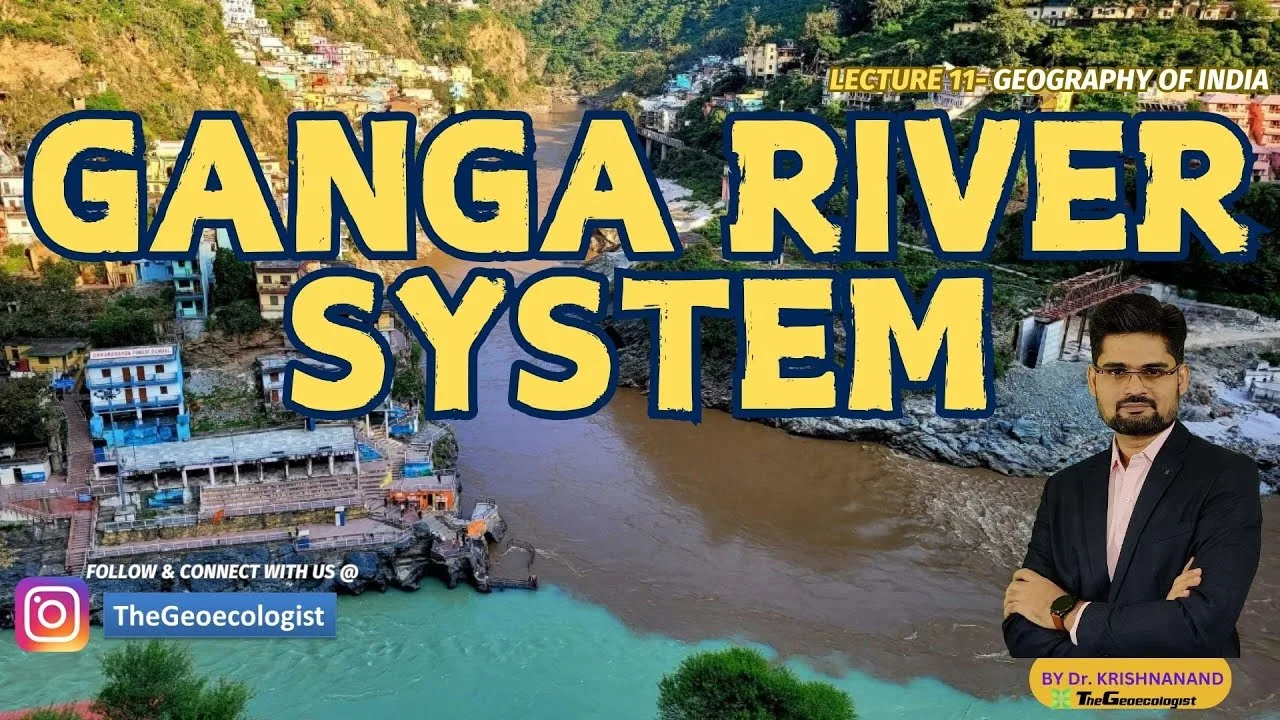
Indian water resources consist primarily of surface water—rivers, lakes, and ponds—and groundwater stored in aquifers. The country receives only about 4 % of global precipitation, yet the spatial distribution is highly uneven. The Himalayan catchments produce dense, perennial flow, while the peninsular rivers, such as the Godavari and Krishna, are largely rain‑fed and seasonal. Groundwater, especially in the Indo‑Gangetic plains, is the main source for irrigation, but its extraction has outpaced recharge in states like Punjab, Haryana, and western Uttar Pradesh, leading to alarming depletion rates.
According to the Water in India article on Wikipedia, the country’s total freshwater availability is about 2,100 cubic kilometers per year, yet the per capita availability is only 400 cubic meters—below the World Bank’s 台 threshold of 1,700 cubic meters for a sustainable water supply. The disparity between the wealthier northern states and the water‑scarce southern regions highlights the need for integrated planning. – a key consideration for Indian water resources.
Key Facts
- Annual precipitation: 1,200–1,500 mm in the north vs. 800–1,200 mm in the south.
- Groundwater extraction: 70 % of total water use.
- River basin: 5 major basins—Indus, Ganga, Brahmaputra, Godavari, Krishna.
2. Causes and Consequences of Water Scarcity
Water scarcity in India is a multifaceted issue, driven by both physical and anthropogenic factors. Climate change is altering rainfall patterns, leading to more frequent droughts and floods. Meanwhile, unregulated extraction, inefficient irrigation methods, and pollution of surface water bodies exacerbate the problem. The NCERT chapter points out that agriculture consumes 84 % of all water use, while industry and domestic sectors account for the rest. – a key consideration for Indian water resources.
In Tamil Nadu, the decline of the traditional tank system—once the backbone of rural irrigation—illustrates how neglect of heritage practices can worsen scarcity. TheGeoecologist’s video highlights desludging of tanks and encroachment as major issues, contributing to lower groundwater recharge.
Statistical Insight
- Punjab’s groundwater level has fallen by 10–12 m over the last decade.
- India’s water stress index has risen from 5.8 in 2004 to 7.3 in 2021.
3. Traditional Water Management Systems
Across the subcontinent, indigenous communities have long employed localized water‑conservation techniques. In Rajasthan, the khadins and ardag tanks collect monsoon runoff. Maharashtra’s iconic bawaris stepwells and rooftop harvesting practices gather rainwater for domestic use. South India’s eris and surangams (tunnel wells) tap shallow aquifers and provide irrigation during dry spells.
TheGeoecologist emphasizes the importance of reviving and adapting these systems. For example, Rajasthan’s jhads or percolation ponds have become national models for groundwater recharge, and their design principles are now incorporated into district‑level water‑management plans.
4. Modern Water Management Strategies
4.1 Dams and Multipurpose Projects
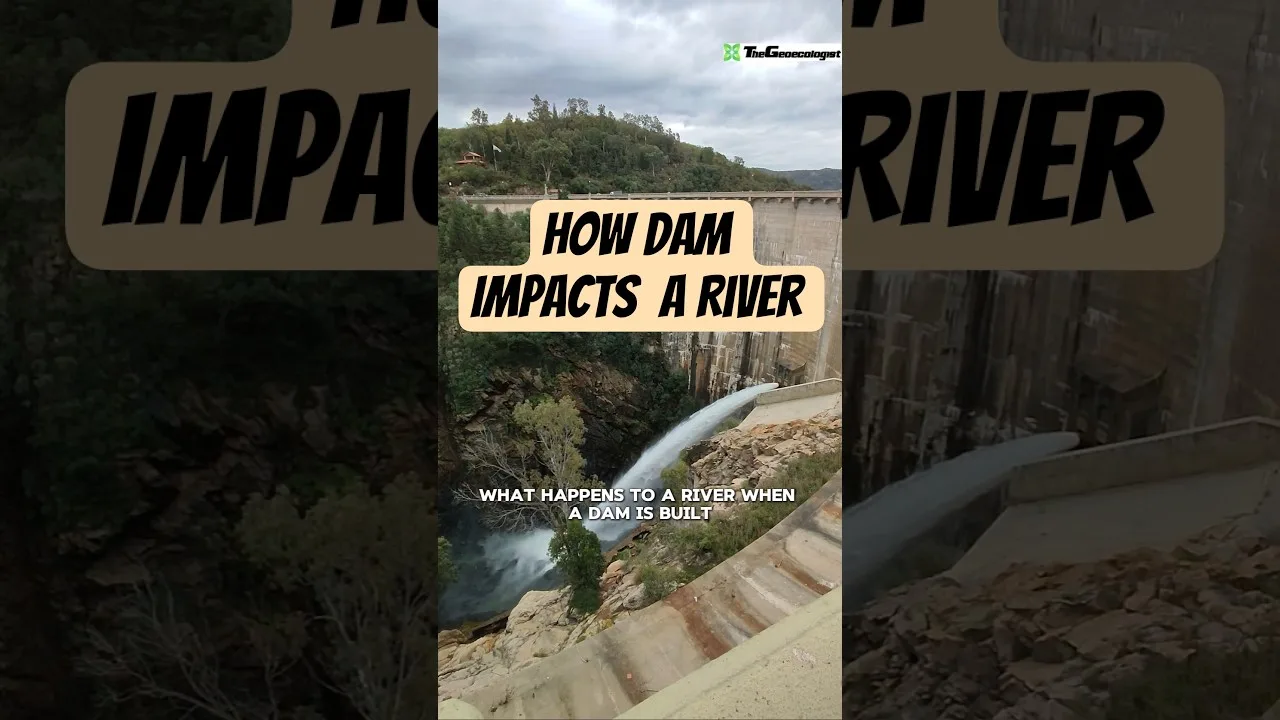
Dams such as the Bhakra Nangal, Hirakud, and Sardar Sarovar provide irrigation, hydropower, and flood control. However, large reservoirs have displaced thousands of people and disrupted riverine ecosystems. The Narmada Bachao Andolan, a mass movement, highlighted these social and environmental costs, calling for more inclusive planning.
4.2 Rainwater Harvesting
Urban areas now mandate rainwater harvesting. Techniques include recharge pits, percolation tanks, andPrinting the collection of rooftop runoff in green belts. Studies indicate that a typical 10 m² roof can capture 1,800–2,200 litres of rainwater annually, enough to meet domestic water needs for several months.
4.3 Watershed Management
Community‑led watershed projects have shown remarkable success. The Sukhomajri watershed in Haryana and the Ralegan Siddhi model in Maharashtra increased groundwater levels by 30–40 % and reduced irrigation costs. These initiatives combine afforestation, check dams, and contour bunding with local participation.
5. Policy Initiatives and Sustainable Practices
India’s National Water Policy (2012) prioritizes equitable access, ecological sustainability, and public participation. The Jal Shakti Abhiyan (2019) focuses on water conservation, rural supply, and integrated water‑resource management. TheGeoecologist links these policies to the United Nations Sustainable Development Goals (SDGs), particularly SDG 6—clean water and sanitation.
Recent schemes such as the Jal Jeevan Mission aim to provide piped water to every rural household hä by 2024. The mission includes components зан water‑harvesting, leak‑reduction, and community water‑management committees.
Exam‑Centric Insights
For CBSE Class 12, focus on definitions (e.g., watershed, groundwater), case studies (Ralegan Siddhi), and diagram‑based questions (rainwater harvesting structures). Competitive exams like UPSC and CUET require linking water issues to current affairs—examining the Jal Jeevan Mission, the impact of large dams, and policy responses.
Mnemonics like the “3 P’s—Population, Pollution, Poor Management” help students quickly recall the main causes of scarcity. The Geoecologist’s short video segments can be used as revision aids before exams.
Conclusion
Effective water management in India demands a blend of policy rigor, community participation, and the revival of traditional practices. Climate change intensifies the urgency of sustainable solutions. By understanding Indian water resources—from their distribution and challenges to modern interventions and policy frameworks—students and professionals alike can contribute to a resilient water future.
For deeper learning, watch TheGeoecologist’s comprehensive video on water resources and enroll in specialized courses at https ascent. Follow @thegeoecologist on Instagram for the latest updates. The knowledge shared here bridges theory and practice, equipping learners to excel in academic and competitive arenas.
Frequently Asked Questions
Indian water resources are divided into surface water—rivers, lakes, ponds—and groundwater stored in aquifers. The country’s major rivers include the Indus, Ganga, Brahmaputra, Godavari, and Krishna.
Climate change alters rainfall patterns, leading to more frequent droughts and floods. This variability reduces the reliability of surface water and stresses groundwater recharge, worsening scarcity.
Traditional systems include Rajasthan’s khadins and jhads, Maharashtra’s bawaris and rooftop harvesting, and South India's eris and surangams, all designed to capture and conserve rainwater and groundwater.