Blog
GEOCONSERVATION | CONSERVE NATURE | RESPECT THE GEOECOLOGY

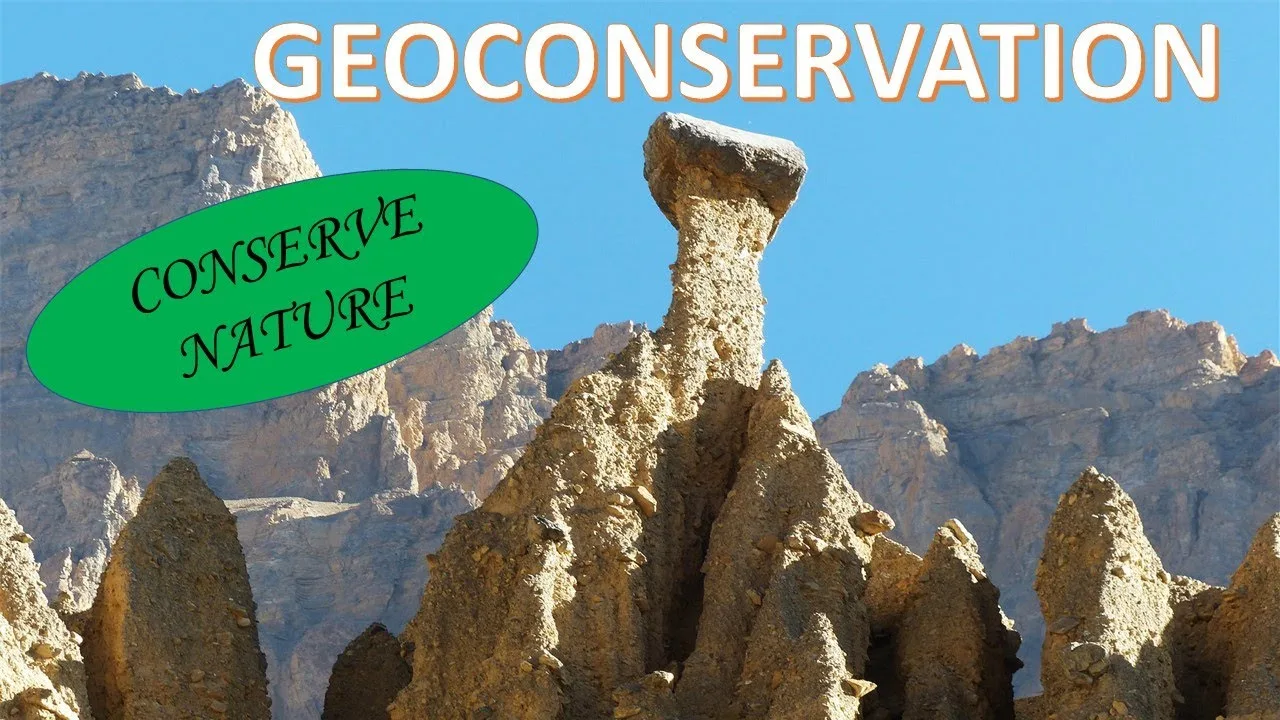
GEOCONSERVATION | CONSERVE NATURE | RESPECT THE GEOECOLOGY
Geoconservation: A Call to Respect Nature and Sustain Geoecology
Nature, in its most profound sense, encompasses the physical universe—the mountains that scrape the sky, the rivers that carve the Earth, the forests that breathe life, and the intricate web of biodiversity that thrives within it. Yet, as human civilization accelerates, the very essence of nature faces unprecedented threats. The growing human footprint—driven by population growth, urbanization, and unchecked consumption—is depleting Earth’s finite resources, destabilizing ecosystems, and eroding the geodiversity that took millennia to form. In this urgent context, geoconservation emerges not just as an environmental imperative, but as a moral obligation to respect the geoecology that sustains us all.
The Delicate Balance of Geoecology
Geoecology—the study of Earth’s physical processes and their interplay with life—reveals a fundamental truth: humanity is not separate from nature, but deeply embedded within it. Our existence depends on clean air, fertile soil, stable climates, and healthy ecosystems. Yet, society often operates under the illusion of detachment, prioritizing short-term growth over long-term resilience. This mindset fuels deforestation, pollution, habitat destruction, and climate change, unraveling the delicate balance of geoecological systems.
Geodiversity—the variety of Earth’s landforms, minerals, soils, and fossils—forms the foundation of this balance. It shapes biodiversity, regulates water cycles, and sustains cultural and economic systems. When we degrade geodiversity through mining, unsustainable agriculture, or urban sprawl, we undermine the stability of life itself.
Why Geoconservation Matters
Geoconservation is the proactive effort to protect Earth’s geological heritage and geodiversity. It recognizes that landscapes, rocks, and soils are not merely “resources” to exploit but irreplaceable archives of planetary history and essential components of functioning ecosystems. From safeguarding UNESCO Global Geoparks to restoring degraded wetlands, geoconservation bridges science, policy, and public action.
However, conservation cannot succeed without a cultural shift. Respecting nature means valuing geoecology in everyday decisions—reducing waste, supporting sustainable land-use policies, and advocating for protected areas. It means understanding that technology alone cannot fix ecological collapse; we must also rethink our relationship with the planet.
The Path Forward: From Awareness to Action
- Education: Foster geo-literacy to help communities understand how geological processes shape their lives.
- Policy: Lobby for laws that prioritize geoconservation in land-use planning and development.
- Community Engagement: Empower local initiatives that protect geodiversity, from river cleanups to fossil preservation.
- Global Cooperation: Address transboundary issues like climate change and ocean acidification through international collaboration.
A Final Plea
Nature is not a commodity—it is the bedrock of existence. As we face the Anthropocene’s challenges, geoconservation offers a path to harmonize human progress with planetary limits. Let us reject apathy and embrace stewardship. Let us conserve nature not out of fear, but out of reverence for its complexity, beauty, and generosity.
Respect the geoecology. Protect geodiversity. Champion geoconservation.
#geoecology #geodiversity #geoconservation
🌍 Follow us on Instagram: @thegeoecologist
Background music: “Scott Buckley – Growing Up [Piano]” (Licensed under CC-BY)
This article is a rallying cry to align human activity with Earth’s ecological boundaries—because without thriving geoecology, there is no thriving future.
To Download E-Books & Study Material Visit The Shop Page