

Blog
How dam Impacts a river #dam #river #thegeoecologist #shorts

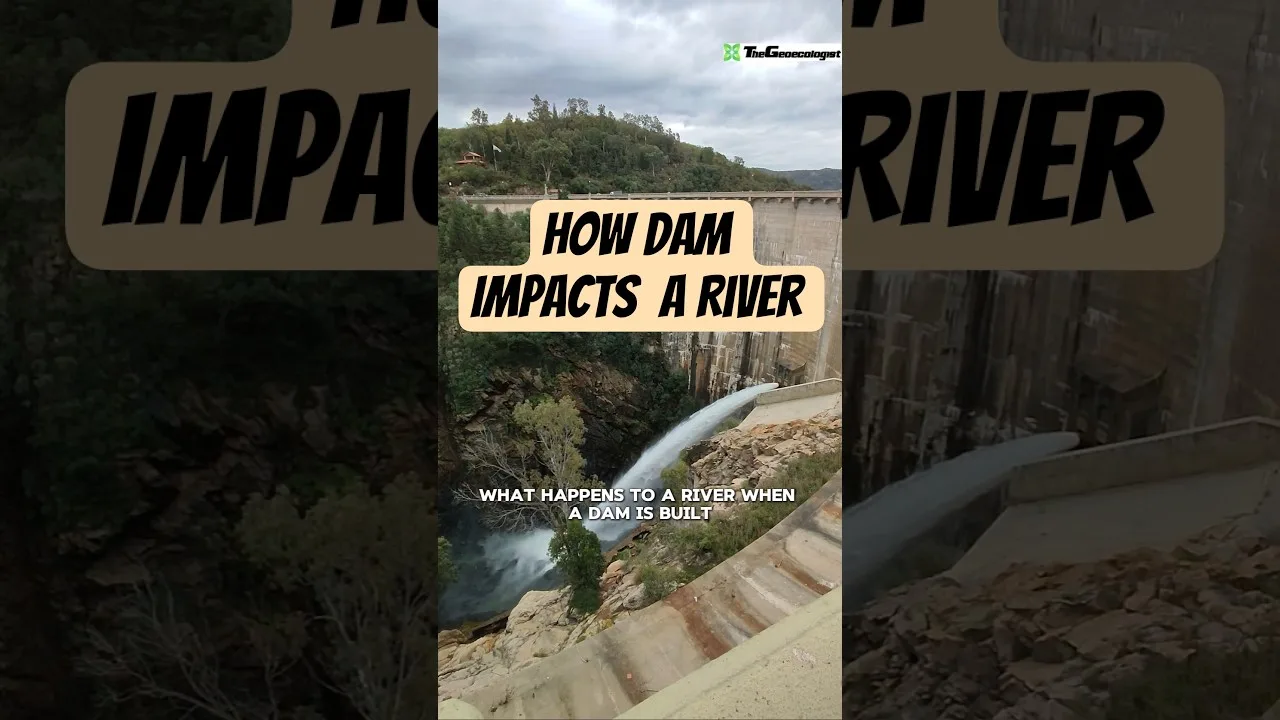
How dam Impacts a river #dam #river #thegeoecologist #shorts
The Hidden Cost of Control: How Dams Impact Our Rivers
Dams bring benefits, but they also transform rivers in ways we often don’t see.
For decades, humanity has viewed rivers as resources to be harnessed. By building massive concrete barriers, we have managed to bend nature to our will, securing the foundations of modern civilization. However, as we look closer at the environmental ledger, it becomes clear that the price of this control is often paid by the river itself.
The Dual Nature of Dams: Progress vs. Preservation
There is no denying the utility of dams. They are engineering marvels that provide critical services:
- Renewable Energy: Hydroelectric power offers a low-carbon alternative to fossil fuels.
- Water Security: Reservoirs ensure a steady supply of drinking water and irrigation for agriculture, shielding us from drought.
- Safety: Flood control systems protect millions of people living in low-lying areas from devastating seasonal surges.
Yet, while these benefits are visible and immediate, the ecological impacts are often slow, subtle, and systemic.
Beyond the Concrete: The Ecological Transformation
A river is more than just a channel of moving water; it is a living system that connects mountains to oceans. When a dam is placed in its path, the river is essentially split into two different worlds.
1. The Sediment Trap
Rivers are the Earth’s conveyor belts, carrying nutrient-rich sediment from the highlands to the coast. Dams act as giant filters, trapping this sediment behind the wall. As a result, downstream floodplains lose their natural fertility, and river deltas—the land where rivers meet the sea—begin to shrink and erode because they are no longer being “replenished” by new silt.
2. Breaking the Biological Chain
For many species, the river is a highway. Migratory fish, such as salmon, rely on traveling upstream to spawn. Even with “fish ladders,” many species find their ancestral routes blocked, leading to population declines and a loss of biodiversity.
3. Altering the Heartbeat of the River
Natural rivers have a “pulse”—seasonal floods that clean the riverbed, trigger fish spawning, and distribute nutrients across the landscape. Dams flatten this pulse. By regulating flow to meet electricity demands, we replace a natural rhythm with a mechanical one, often leaving downstream ecosystems starved of the floods they need to survive.
The Path Forward: Balancing Need and Nature
The challenge we face today is not a simple question of whether dams are “good” or “bad.” Rather, the real question is: How can we balance human needs with the long-term health of river ecosystems?
The future of hydrology lies in Sustainable Water Management. This includes:
- Environmental Flow: Designing dam releases that mimic natural seasonal floods.
- Sediment Bypassing: Implementing engineering solutions to allow silt to move through the dam.
- Strategic Dam Removal: Identifying obsolete dams that can be removed to restore free-flowing rivers and revive dying ecosystems.
Final Thoughts
💧 Rivers are more than water channels. They are the arteries of our planet, connecting landscapes, ecosystems, and people. When we alter a river, we aren’t just changing the flow of water; we are altering the life support system of the surrounding land.
As we move forward, our goal must be to transition from controlling nature to coexisting with it.
dam #river #thegeoecologist #dams #riversystem #hydrology #Geography #environmentalscience #Sustainability #EcoSystem
To Download E-Books & Study Material Visit The Shop Page
