Blog
Can excessive rain cause drought #thegeoecologist #climatechange #drought #shorts

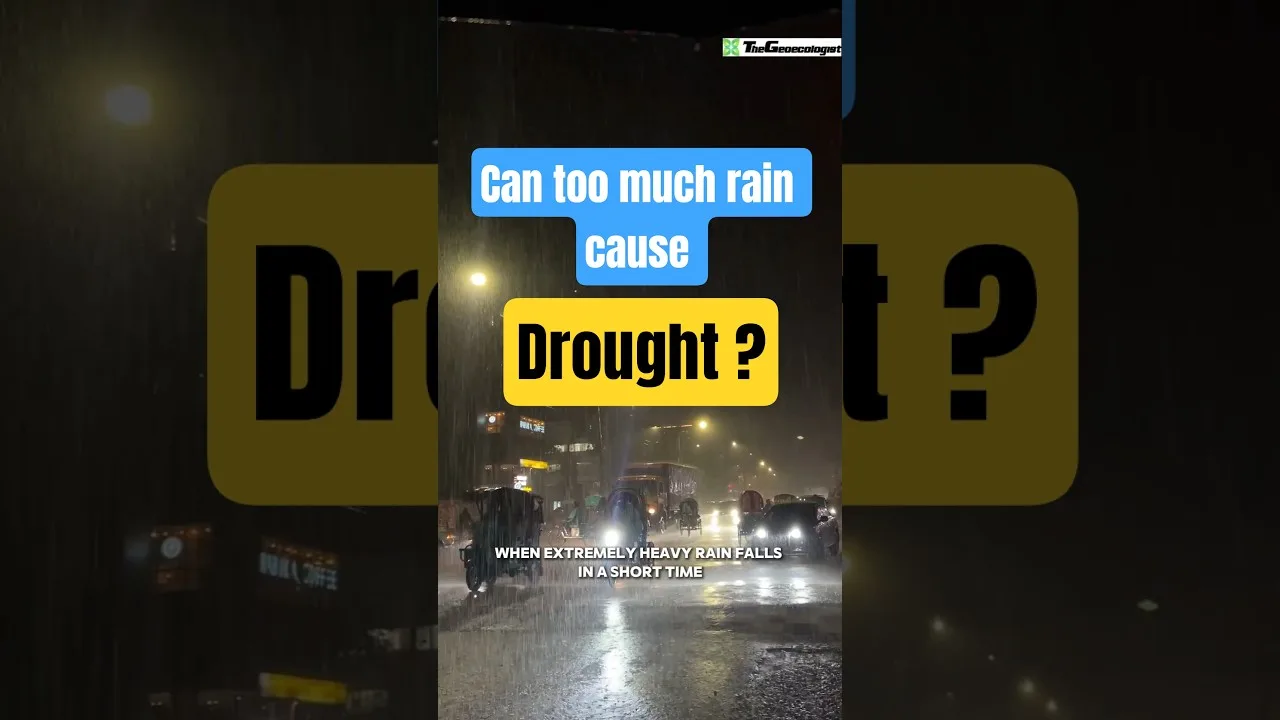
Can excessive rain cause drought #thegeoecologist #climatechange #drought #shorts
The Paradox of Too Much Rain: How Downpours Can Spark Drought (#thegeoecologist #climatechange #drought #shorts)
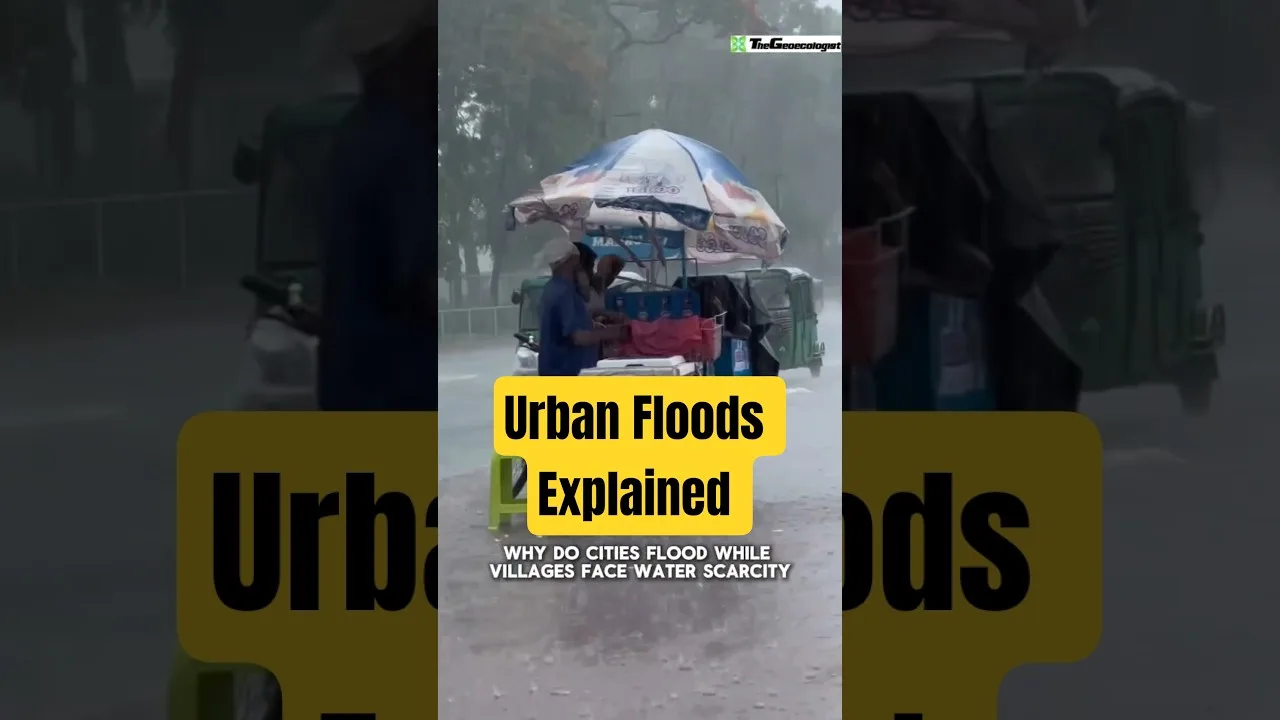
It sounds counterintuitive, almost impossible: excessive rain causing drought. Yet, this dangerous paradox is becoming an unsettling reality in our changing climate. When intense rainfall events – like sudden cloudbursts – deluge a region, the consequences aren’t just flash floods. More critically, they can trigger the very conditions of water scarcity we associate with drought.
Here’s how the mechanics work against us:
Runoff Over Recharge: During extreme downpours, the sheer volume of water overwhelms the land’s infiltration capacity. Soaked soil can’t absorb water fast enough, and vast amounts rush over the surface as runoff. This rapidly fills rivers and streams, causing destructive floods, but does little for the water source that truly matters for long-term supply: groundwater. The crucial recharge of aquifers, the natural underground “water tanks,” is severely limited.
Climate Change Amplifies the Pattern: Climate change is driving a shift towards more extreme and erratic precipitation patterns. Instead of steady, soaking rains spread over weeks, many regions experience intense, concentrated deluges followed by prolonged dry spells. This irregularity prevents the natural water cycle from balancing itself. The land gets a drenching it can’t utilize properly, then long periods with nothing at all.
The Paradox Unfolds: The result is a stark paradox: flood during the rainy season, drought within the same year. Weeks after the devastating floods, the region faces:
- Persistent Water Scarcity: Groundwater levels remain low, reservoirs filled with floodwater may not be accessible or usable quickly, and river flows drop rapidly once the initial surge passes.
- Dry Soils: Surface waters flood and evaporate; soils, especially those compacted by water or suffering from erosion from the runoff, dry out rapidly once the rain stops.
- Agricultural Stress: Crops saturated by floods can be destroyed, and the subsequent dry spell prevents planting or stunts growth, leading to significant crop loss.
- Ecosystem Strain: Natural systems adapted to more stable cycles struggle with the violent swings between inundation and desiccation.
Too much rain at once can sometimes behave like no rain at all. It highlights a cruel truth: in a warming world, the volume of precipitation is less important than its form, timing, and the ability of the landscape to absorb it. Understanding this paradox is crucial for adapting water management strategies, building resilient infrastructure, and coping with the increasingly volatile impacts of climate change. The increasing frequency of extreme events makes this connection between floods and droughts an urgent concern for farmers, cities, and ecosystems alike. (#cloudburst #drought #climatechange #upsc)
To Download E-Books & Study Material Visit The Shop Page