

Blog
Pacific Ring of Fire- Multiple Earthquakes around Pacific #venezuela #earthquake #shorts

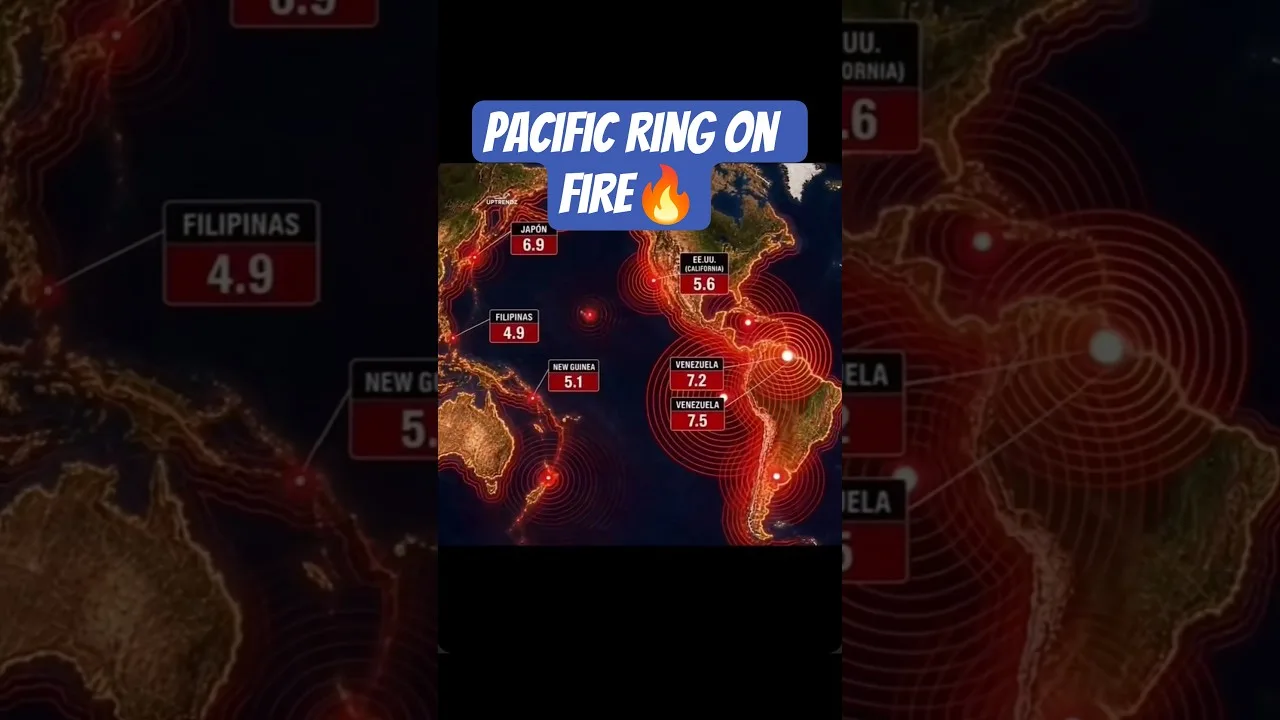
Pacific Ring of Fire- Multiple Earthquakes around Pacific #venezuela #earthquake #shorts
Here is a comprehensive article based on your request. I have structured it to be engaging and informative, suitable for a blog post or a detailed social media caption.
The Ring of Fire: Why the Pacific is Shaking 🌍⚠️
From the coastlines of Japan and Chile to the islands of Indonesia and the shores of North America, the Pacific Ocean is encircled by a horseshoe-shaped zone of intense geological activity. Known as the Pacific Ring of Fire, this region is the epicenter of the world’s most frequent and powerful earthquakes and volcanic eruptions.
But why is this specific area so volatile? And why are we seeing so many seismic events across the Pacific—and even in unexpected areas like Venezuela?
What exactly is the Ring of Fire?
The Ring of Fire is not a single line, but a massive string of subduction zones and fault lines. It spans roughly 40,000 kilometers (25,000 miles) and is home to about 75% of the world’s active volcanoes and 90% of the world’s earthquakes.
Why are so many earthquakes happening here?
The secret lies beneath our feet: Plate Tectonics.
The Earth’s outer shell is broken into several massive tectonic plates. The Pacific Plate is the largest of these, and it is constantly moving. As it moves, it interacts with the smaller plates surrounding it in three primary ways:
- Subduction (The Main Driver): This occurs when an oceanic plate slides underneath a continental plate. As the plate sinks into the Earth’s mantle, it creates immense friction and pressure. When that pressure finally releases, the result is a massive earthquake. This process also melts rock, which rises to the surface to create volcanoes.
- Transform Faults: Sometimes, plates slide horizontally past each other (like the San Andreas Fault in California). They often get “stuck,” building up energy for decades before snapping forward in a sudden, violent jolt.
- Divergent Boundaries: In some areas, plates pull apart, allowing magma to rise and create new crust, further destabilizing the region.
The Global Connection: From the Pacific to Venezuela 🇻🇪
While the Ring of Fire is the most active zone, seismic activity isn’t limited to the Pacific. You may have noticed recent reports of earthquakes in Venezuela.
While Venezuela isn’t part of the Pacific Ring of Fire, it sits on a complex boundary where the Caribbean Plate interacts with the South American Plate. This reminds us that while the Ring of Fire is the “heavy hitter,” the Earth’s crust is a puzzle of shifting pieces. When one major plate moves, it can cause a ripple effect of stress across other fault lines globally.
Why this matters today
As we see an increase in reported seismic activity, it is important to remember that while it may feel like there are more earthquakes, our ability to detect and report them has simply improved. However, the danger remains real. Living in these zones requires strict building codes, early warning systems, and public awareness to save lives.
Summary: Nature’s Power
The Ring of Fire is a vivid reminder that Earth is a living, breathing planet. The same forces that cause devastating earthquakes are also responsible for creating our mountains and shaping the continents we call home.
Want to dive deeper into the mysteries of our planet? 🌏
Follow @TheGeoecologist for more geography and Earth science content! 🌋📖
PacificRingOfFire #Earthquake #Geology #EarthScience #Venezuela #Tectonics #TheGeoecologist #NatureAlert #ScienceExplained
To Download E-Books & Study Material Visit The Shop Page
