Blog
monsoon going to be weak in 2026? #thegeoecologist #monsoon #shorts

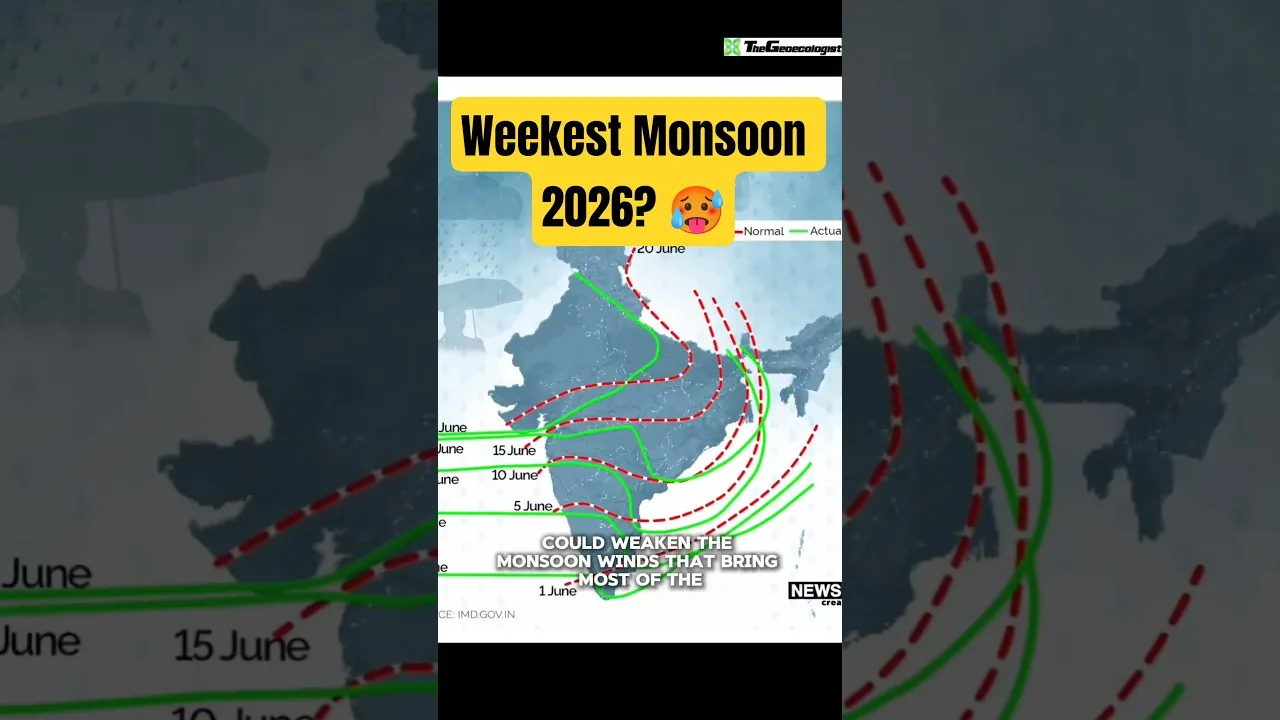
monsoon going to be weak in 2026? #thegeoecologist #monsoon #shorts
The Fading Rains: Is India Heading for a Weak Monsoon in 2026?
For many people in India, the monsoon is not just a seasonal weather story. It is about water in taps, crops in fields, rising food prices, and the struggle to survive another extreme summer. But as global weather patterns continue to shift, a pressing question looms over the subcontinent: Is the monsoon going to be weak in 2026?
The Heartbeat of India
The monsoon is not just rain for India. It is the heartbeat of agriculture, water security, and daily life. India’s monsoon is deeply connected to everyday existence. Farmers wait for it to sow their crops, rivers and reservoirs depend on it for recharge, and millions of families rely on this rainfall for drinking water and their livelihoods.
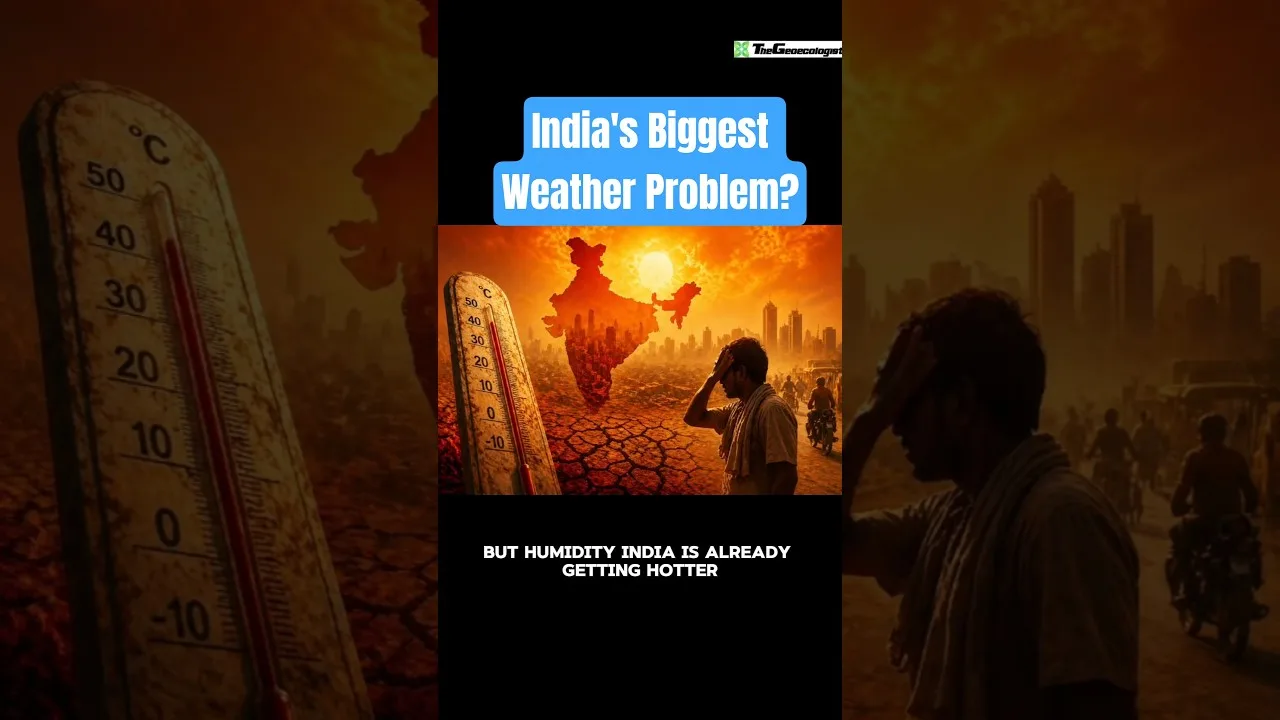
A weak monsoon does not just mean a few dry days; it can slowly turn into a devastating chain reaction. It brings the threat of severe drought, intense heat stress, rapid groundwater decline, and immense economic pressure on both rural and urban populations.
What if the Monsoon Becomes Weaker This Year?
Before we look years into the future, we must address the realities of today. What if the monsoon becomes weaker this year? The consequences would be felt immediately across the country.
Delayed rainfall and rising land temperatures are already increasing concerns about monsoon variability. If this year’s monsoon underperforms, we can expect a sharp spike in food inflation as crop yields plummet. Hydropower generation could drop, and depleted reservoirs would place an unbearable burden on municipal water supplies. Furthermore, a weak monsoon this year sets a dangerous precedent, leaving soils dry and groundwater tables critically low for the following years.
Looking Ahead to 2026
Predicting the exact strength of the monsoon years in advance is a complex scientific challenge. Forecasts depend heavily on global atmospheric phenomena, such as the El Niño and La Niña cycles in the Pacific Ocean, as well as Indian Ocean Dipole conditions.
While meteorologists cannot say with absolute certainty whether 2026 will see a historically weak monsoon, the long-term trajectory influenced by climate change is highly concerning. Global warming is actively reshaping the monsoon. It is making rainfall patterns much more unpredictable and erratic.
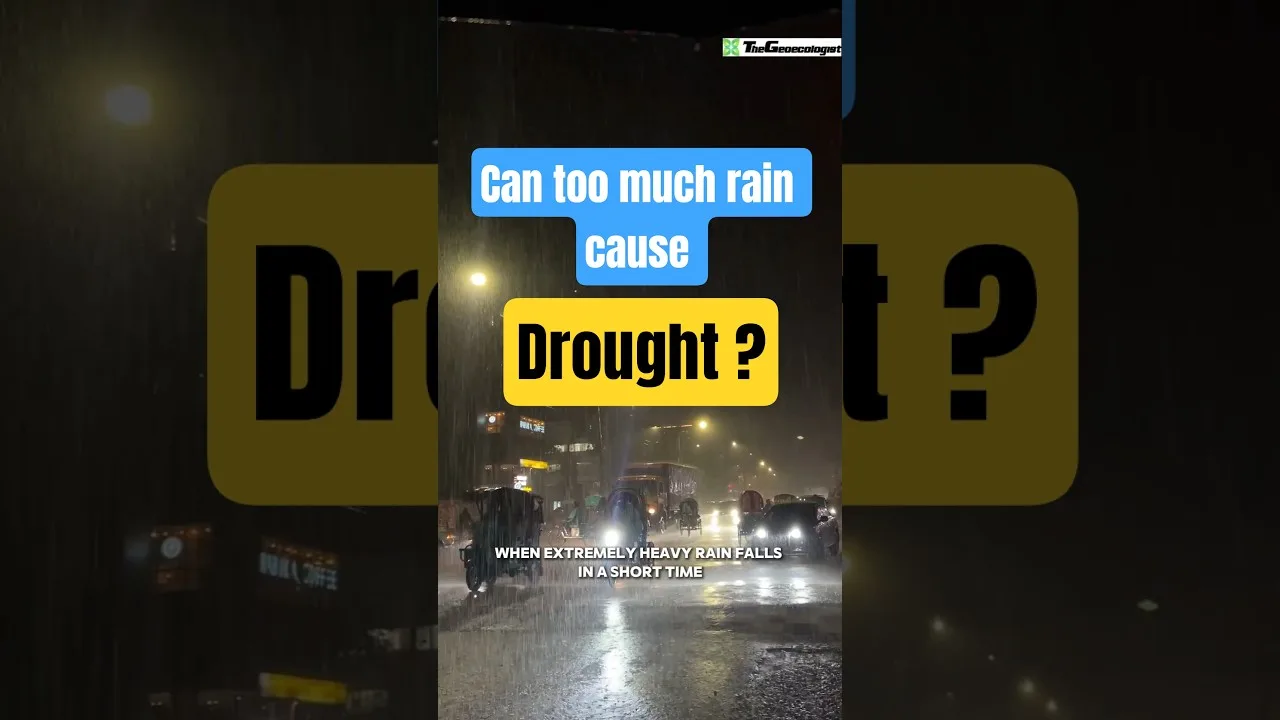
Instead of steady, soaking rains that replenish the earth, we are moving toward an era of extremes. Climate change dictates a scenario where some regions receive catastrophic, flood-inducing downpours, while others just a few hundred miles away face agonizing dry spells for weeks on end. The overall trend suggests an increase in “monsoon volatility” rather than just a simple decrease in total rainfall—which, in many ways, is even more dangerous for farmers and water management.
The Bottom Line
Whether 2026 brings a mildly weak monsoon or a highly volatile one, the writing is on the wall. The changing ocean conditions and rising land temperatures are altering a system that has remained relatively stable for thousands of years. India must urgently adapt by investing in water conservation, drought-resistant crops, and climate-resilient infrastructure.
The monsoon is a lifeline, and as our climate shifts, protecting our water security is no longer just an environmental issue—it is the ultimate test of survival.
thegeoecologist #monsoon #shorts #Monsoon #India #ClimateChange #Geography #WeakMonsoon
To Download E-Books & Study Material Visit The Shop Page