Blog
Urban Floods Explained #thegeoecologist #climatechange #urbanflood #shorts

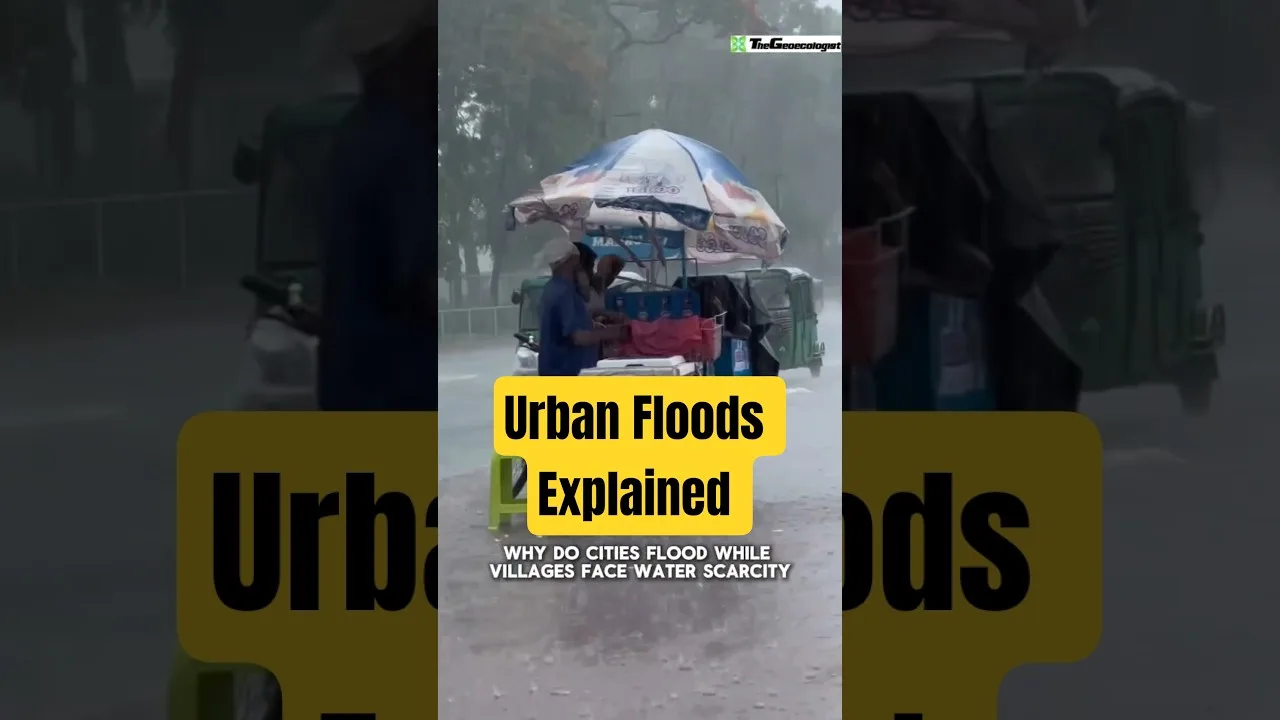
Urban Floods Explained #thegeoecologist #climatechange #urbanflood #shorts
Urban Floods Explained: Why Cities Flood Even When Rivers Don’t Overflow 🌧️
Urban floods are a growing crisis plaguing cities worldwide, leaving residents baffled when their neighborhoods flood despite nearby rivers remaining within their banks. This phenomenon isn’t accidental—it’s a direct consequence of how cities are built and managed. Here’s a breakdown of why urban floods occur and what can be done:
💧 The Core Problem:
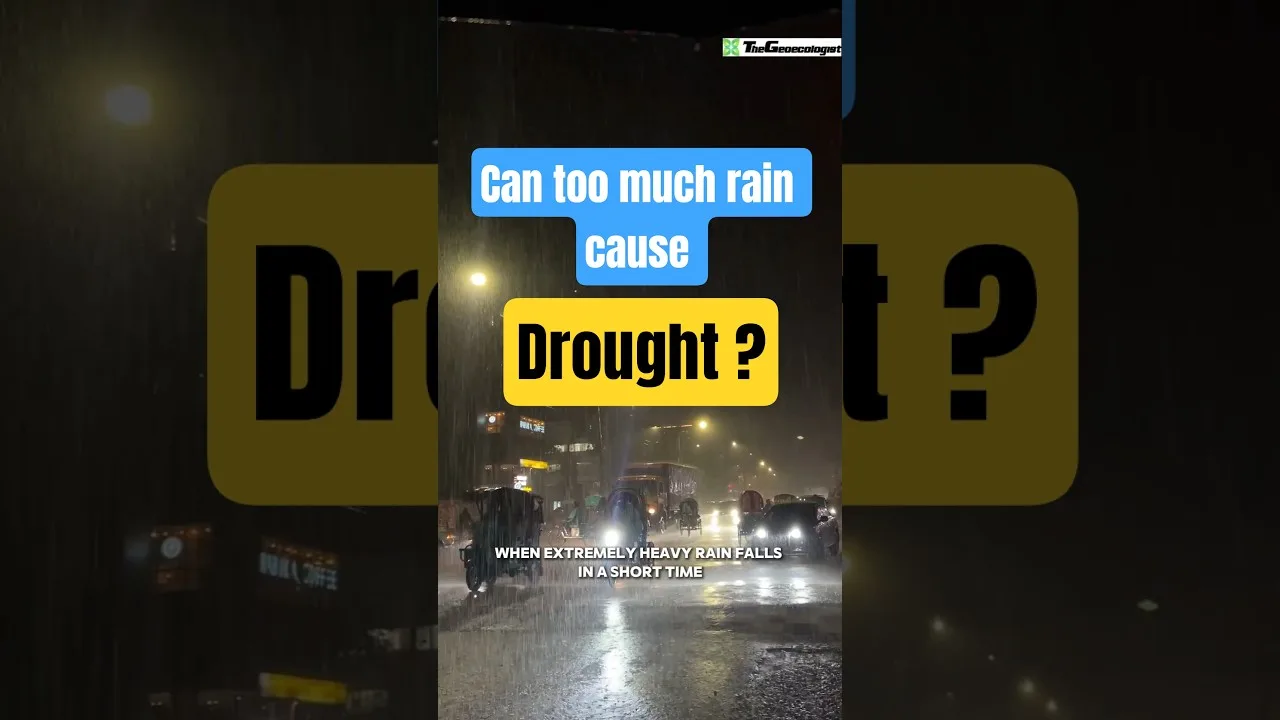
Heavy rainfall doesn’t always overflow rivers to cause floods. Instead, it transforms cities into flood traps due to one critical factor: impaired water absorption.
When natural landscapes (soil, vegetation, wetlands) are replaced by concrete, asphalt, and buildings, rainwater can no longer seep into the ground. Instead, it surges across surfaces at alarming speeds, overwhelming drainage systems and turning streets into rivers. In just hours, saturated infrastructure and blocked drains can escalate localized waterlogging into destructive flash floods.
🔍 Major Causes:
Encroachment on Natural Defenses:
Wetlands and floodplains act as nature’s sponges, absorbing excess rainwater. Their destruction for urban expansion removes crucial buffers, forcing water onto streets.Inadequate Drainage:
Outdated or undersized drainage systems can’t handle sudden downpours, especially as extreme rainfall intensifies with climate change.Unplanned Urbanization:
Haphazard construction ignores topography and hydrology—building on floodplains, sealing soil surfaces, and neglecting stormwater management.Climate Change Amplification:
Rising temperatures trigger more intense, shorter-duration rainfall events, overwhelming traditional infrastructure.Blocked Drains:
Waste accumulation (plastic, debris) clogs drains, turning infrastructure liabilities into flood accelerators.
🇮🇳 Hotspot Cities:
In India, Mumbai, Chennai, Bengaluru, Gurugram, and Delhi face recurrent floods:
- Mumbai: Coastal encroachment and choked drains turn roads into canals during monsoons.
- Chennai: Paved floodplains and vanishing wetlands worsen inundation.
- Bengaluru: “Concrete jungle” growth sinks the “City of Lakes,” with stormwater drains collapsing under pressure.
- Delhi/Gurugram: Poor waste management and inadequate stormwater systems exacerbate flooding.
🌱 Sustainable Solutions:
- Restore Wetlands & Green Spaces: Recreate natural buffers to absorb water (e.g., Chennai’s restoration efforts).
- Revamp Drainage: Invest in scalable, climate-resilient infrastructure with automated flood gates.
- Sponge City Concept: Permeable pavements, rain gardens, and urban forests mimic natural infiltration.
- Strict Waste Management: Ban plastic and enforce drain-cleaning regimes.
- Climate-Responsive Planning: Mandate permeable surfaces and protect floodplains via zoning laws.
💡 The Bottom Line:
Urban floods are man-made disasters masked as natural calamities. Fixing them requires a shift from gray concrete to green infrastructure, embracing nature’s wisdom to coexist with water. As climate change intensifies, cities must adapt—or drown.
UrbanFloods #ClimateChange #Geography #DisasterManagement #TheGeoEcologist
By understanding and addressing these root causes, cities can turn the tide on urban flooding—one permeable sidewalk, one restored wetland, at a time. 🚧💧
To Download E-Books & Study Material Visit The Shop Page