Blog
India’s biggest weather problem #india #weather #climate #shorts

India’s biggest weather problem #india #weather #climate #shorts
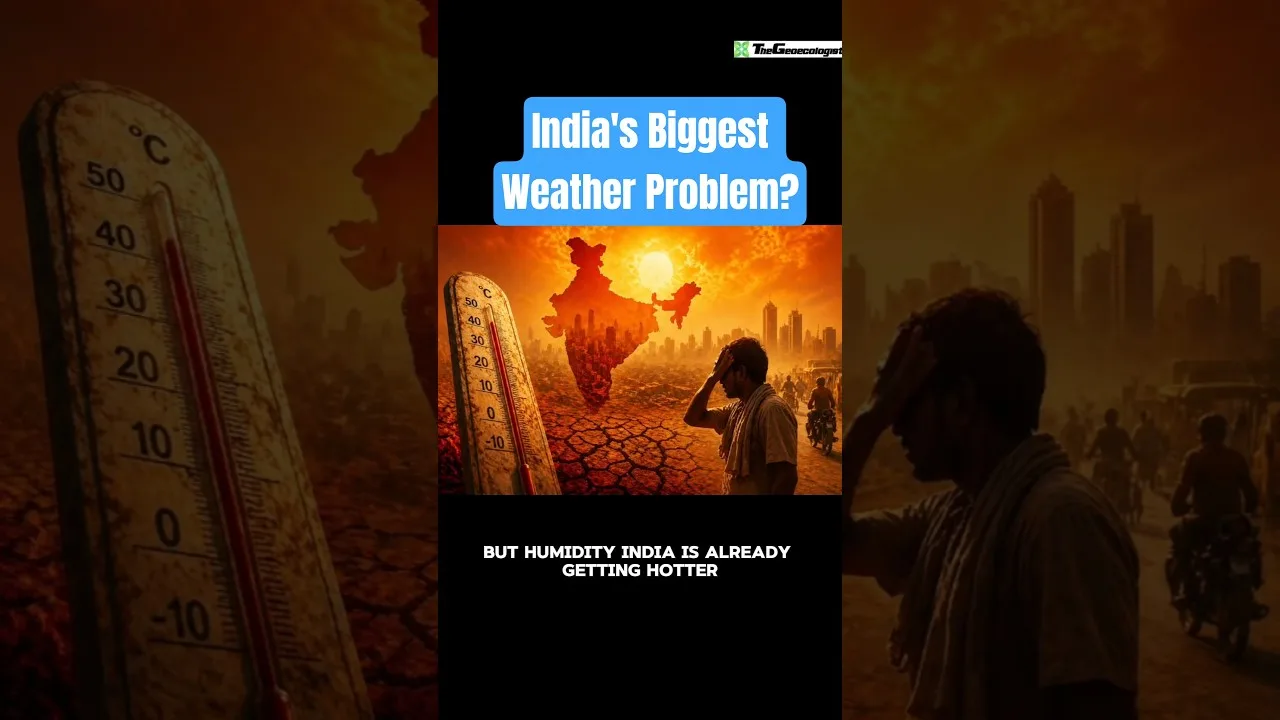
India’s Hidden Heat Hazard: Why Humidity is the Real Culprit 🌡️💧
While India is synonymous with scorching summers, its most dangerous weather problem isn’t just the heat—it’s the relentless, moisture-laden air. A temperature of 35°C might seem bearable in a dry climate, but when humidity soars above 70%, the human body’s natural cooling system breaks down. This silent threat amplifies heat risks exponentially, making even moderate temperatures feel life-threatening.
The Science of Sweat Failure
The human body regulates temperature primarily through sweating. As sweat evaporates off the skin, it cools the body. High humidity cripples this process. When the air is already saturated with moisture, sweat can’t evaporate efficiently. Instead of cooling, it clings to the skin, trapping heat and forcing the body to work harder. The result? A dangerous spiral:
- Heat Stress & Fatigue: The core temperature skyrockets, causing exhaustion, dizziness, and difficulty concentrating. Productivity plummets.
- Dehydration: The body sweats profusely but gains little cooling, leading to rapid fluid loss and electrolyte imbalance.
- Health Risks: Heat exhaustion and heatstroke become real dangers. Pre-existing conditions like cardiovascular diseases are severely aggravated. Mortality risks surge, especially among vulnerable populations.
Climate Change: Humidity’s Heavy Hand
Rising global temperatures aren’t just pushing heatwave records higher; they’re also increasing atmospheric moisture levels. Over coastal India (home to megacities like Mumbai, Chennai, Kolkata) and regions dominated by the intense monsoon, humidity is climbing steadily. This creates a deadly synergy:
- Wetter Heatwaves: Heatwaves now frequently occur during or shortly after humid monsoon seasons, compounding risks.
- Extended Danger Zones: Higher baseline humidity means even “moderate” temperatures become hazardous for longer periods.
- Urban Hotspots: Cities trap heat and moisture, forming “heat islands” where humidity-induced heat stress is most severe, impacting millions.
Beyond the Thermometer
The real challenge isn’t the number on the thermometer; it’s the body’s inability to escape the heat. A 45°C day in Rajasthan’s arid desert might feel less oppressive than a 35°C day in humid Bengal or coastal Kerala because the dry air allows sweat to evaporate. Humidity turns heatwaves from uncomfortable into critical health emergencies that strain infrastructure, economies, and healthcare systems.
The Way Forward
Addressing India’s humidity crisis requires:
- Humidity-Heat Index Awareness: Public warnings must incorporate humidity-adjusted indices (like the Wet-Bulb Globe Temperature) alongside temperature.
- Urban Cooling: Green spaces, reflective surfaces, and improved ventilation to mitigate humidity traps in cities.
- Climate Action: Cutting emissions to curb the overall rise in temperatures and humidity levels at the source.
- Vulnerable Protection: Strengthening healthcare access, cooling centers, and water access for the elderly, outdoor workers, and low-income communities.
The air in India isn’t just hot; it’s heavy. Understanding and combating the hidden menace of humidity is crucial for building resilience against the intensifying impacts of climate change. #india #weather #climate #shorts #climatechange #humidity #heatstress #indianweather 🌧️ #monsoon
To Download E-Books & Study Material Visit The Shop Page