
Blog
why India doesn’t have volcanoes #volcano #indiangeography #shorts

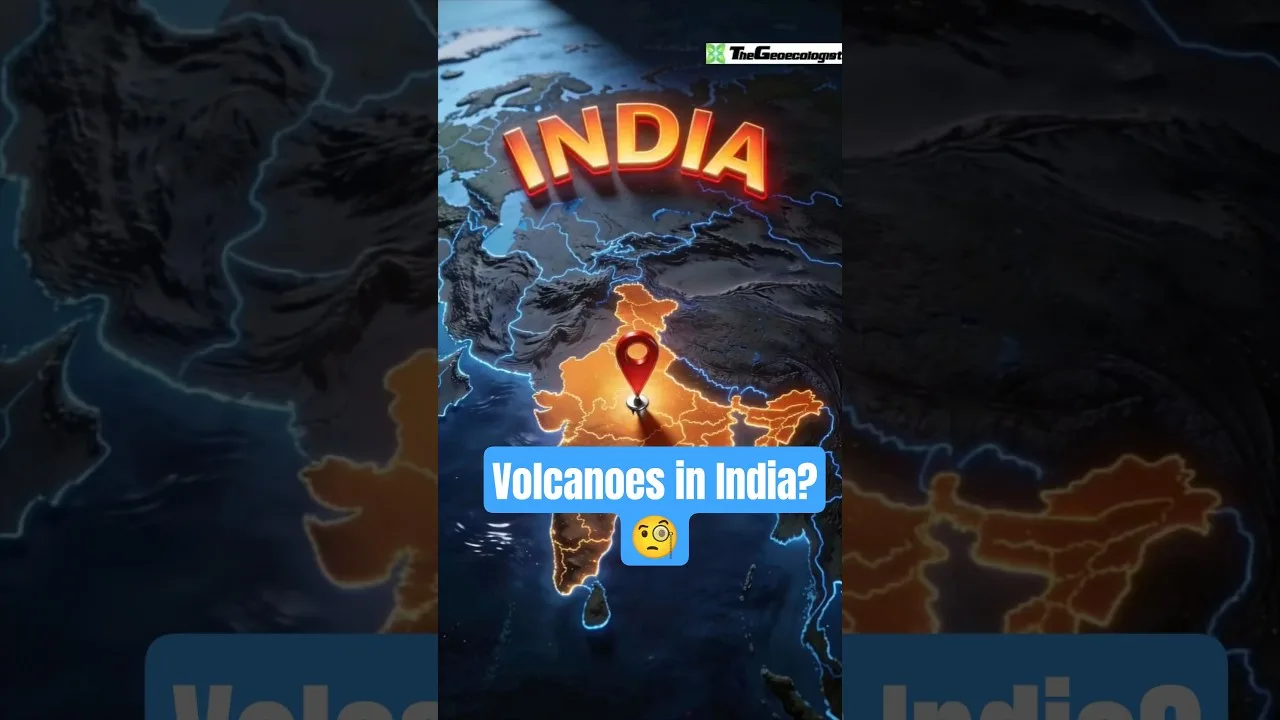
why India doesn’t have volcanoes #volcano #indiangeography #shorts
🌋 Why India Doesn’t Have Volcanoes Like Japan or Indonesia? 🇮🇳
Have you ever stopped to wonder why countries like Japan and Indonesia are dotted with hundreds of active volcanoes, while India remains virtually volcanoes-free? The answer lies deep beneath the Earth’s surface—literally—in the dynamic world of plate tectonics.
🔥 The Pacific Ring of Fire: Volcano Hotspot
Japan and Indonesia sit directly on the Pacific Ring of Fire, a horseshoe-shaped zone stretching 40,000 km around the Pacific Ocean. This region is a hotspot for volcanic and seismic activity because it marks where tectonic plates collide. Specifically, the Pacific Plate is forced beneath (subducts) other plates, generating intense heat and magma that fuels explosive eruptions. Japan’s 110+ active volcanoes and Indonesia’s 130+ active peaks are classic examples of this phenomenon. 🌋
🌏 India’s Tectonic Destiny: No Subduction Here
India, however, occupies a vastly different geological position. It rests firmly in the center of the Indian Plate, which is one of Earth’s major tectonic plates. Unlike Japan or Indonesia, India is far from active subduction zones. Instead, its unique story involves a monumental collision:
When the Indian Plate slammed into the Eurasian Plate millions of years ago, it created the Himalayan Mountains, not volcanoes. The immense pressure crunched and folded the Earth’s crust upward, forming the world’s highest peaks. This convergent boundary is “convergent” but not “destructive” enough for volcanism—since the continental Indian Plate was too buoyant to subduct deeply.
🏔️ India’s Singular Volcanic Surprise
While India lacks widespread volcanism, it does have one active volcano: Barren Island in the Andaman Sea. This exception exists because the island sits near the Indo-Australian Plate’s boundary, where minor subduction occurs. Yet, Barren Island remains isolated and poses no widespread threat—proof of India’s volcanic rarity.
🧭 Geography Reveals Earth’s Grand Design
India’s geography teaches us a powerful lesson: our planet’s surface is shaped by plate movements, not random forces. Volcanoes arise where plates collide and one sinks, while mountains form when continental plates crumple. India’s “volcano-free” status isn’t a gap—it’s a testament to its unique journey across the globe.
Next time you see the Himalayas or a map of the Ring of Fire, remember: Geology is Earth’s most epic saga—and every landscape has a story.
IndiaGeography #VolcanoFacts #TectonicPlates #RingOfFire #Himalayas #EarthScience #GeographyFacts #ShortsExplainer
To Download E-Books & Study Material Visit The Shop Page