Blog
Glaciers are Disappearing Fast #glaciers #climatechange #viralvideo #shorts

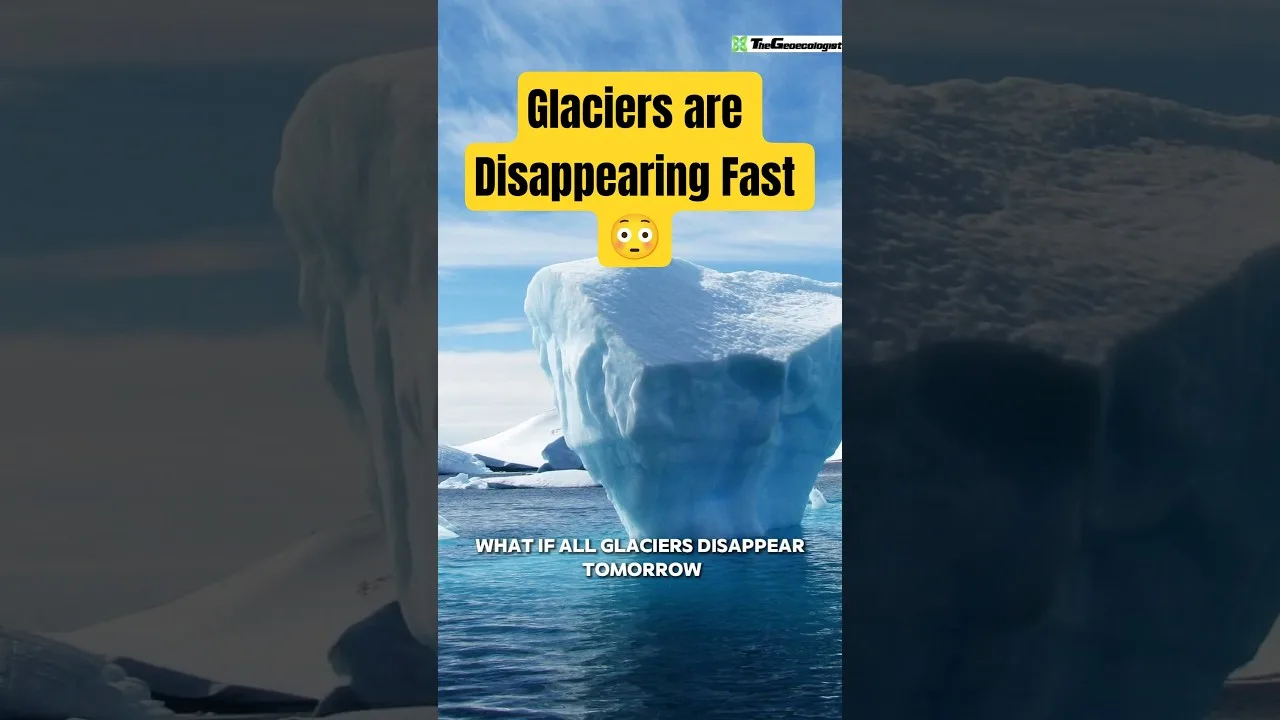
Glaciers are Disappearing Fast #glaciers #climatechange #viralvideo #shorts
What Happens When Glaciers Disappear? 🧐 #Glaciers #ClimateChange #ViralVideo #Shorts
It’s not just distant mountain ice vanishing. The rapid disappearance of glaciers isn’t a remote spectacle; it’s a global code red flashing warnings about our planet’s stability, water security, and future. Glaciers, Earth’s magnificent natural water towers, are melting at an unprecedented rate. Their retreat is a stark reality documented in viral footage and shared relentlessly via shorts, demanding we look beyond the shimmering blue water and ask: What happens when they’re truly gone?
The Lifeline: More Than Just Ice
Imagine vast frozen reservoirs holding centuries of accumulated snowfall. These glaciers are critical, acting as the planet’s plumbing system. They store vast quantities of freshwater during cold seasons, then slowly release it through rivers fed by meltwater. From the mighty Indus and Ganges in the Himalayas, nourishing billions in South Asia, to the rivers flowing through the Andes sustaining communities in Peru and Chile, and the Rhine and Danube supporting life in Europe – glaciers are the silent, icy heart of continental water systems. They ensure rivers flow year-round, buffering us against drought and feeding farms, cities, and hydroelectric power plants.
The Unraveling: Retreat and Rippling Consequences
The evidence is undeniable and accelerating: #Glaciers are retreating globally. This isn’t gradual; it’s a rapid, often alarming, melt. The consequences are already rippling outwards:
- Rivers Running Dry: As glaciers shrink, the crucial meltwater tap weakens. Rivers that once flowed reliably, especially during critical dry seasons, become erratic or shrink significantly. This increases water stress dramatically, threatening agriculture (and thus food security), drinking water supplies for cities, and industrial processes, particularly in arid regions downstream.
- Climate Extremes Intensify: Glaciers act as natural regulators, releasing meltwater gradually. Their loss removes this buffer, making rivers more susceptible to extreme fluctuations – devastating floods during peak melt or sudden, severe droughts when melt is insufficient. This amplifies the danger of climate extremes, impacting ecosystems and human settlements alike.
- Rising Seas, Falling Land: While not directly adding the bulk of sea-level rise (that’s thermal expansion and land ice), melting glaciers do contribute. More critically, their disappearance disrupts regional stability. As glaciers lose mass, the land beneath them can actually rise (isostatic rebound), but globally, the meltwater contributes to the relentless rise of seas, posing an existential threat to coastal cities and communities worldwide.
- Ecosystem Collapse: Glaciers feed high-altitude ecosystems. Their disappearance starves alpine lakes, wetlands, and downstream rivers of cold, nutrient-rich water. Unique habitats vanish, and the species that depend on them – from specialized algae to fish and the animals that prey on them – face extinction.
The Geography of Crisis
As a #TheGeoecologist, it’s clear this crisis transcends borders. The cryosphere – Earth’s frozen realms – is changing now, and its impacts are reaching every corner of the globe. Geography reveals the deep interconnections: a vanishing glacier in the Andes isn’t just a Peruvian problem; it affects the Amazon basin’s hydrology, Pacific Ocean currents, and global weather patterns. Similarly, Himalayan glacier melt impacts South Asian monsoon patterns and the water security of billions across the Indian subcontinent and Southeast Asia.
This is Not Future Fiction
Forget waiting for distant consequences. The destabilization is happening now. Reduced glacial melt is already straining water resources in places like Bolivia and California. Changes in albedo (reflectivity) due to darker ice exposed by melt accelerate local warming. Coastal communities from Miami to Jakarta are already battling rising tides exacerbated by all sources of meltwater.
Losing Stability: The Ultimate Cost
If glaciers vanish entirely, the world doesn’t just lose an iconic landscape. We lose the fundamental stability they provide. We lose the reliable, steady flow of water that has sustained civilizations for millennia. We lose a critical buffer against climate extremes. We lose rich biodiversity. We enter a world of heightened water conflicts, widespread food insecurity, increased climate-related disasters, and unprecedented coastal upheaval.
The viral videos and shorts showing glacier collapse or dramatic meltwater surges aren’t just sensational; they are urgent dispatches from the front lines of #ClimateChange. They show the #Glaciers disappearing fast, and they ask us to confront the terrifying answer: When the water towers run dry, stability itself melts away.
Glaciers #GlobalWarming #ClimateChange #TheGeoecologist
To Download E-Books & Study Material Visit The Shop Page