


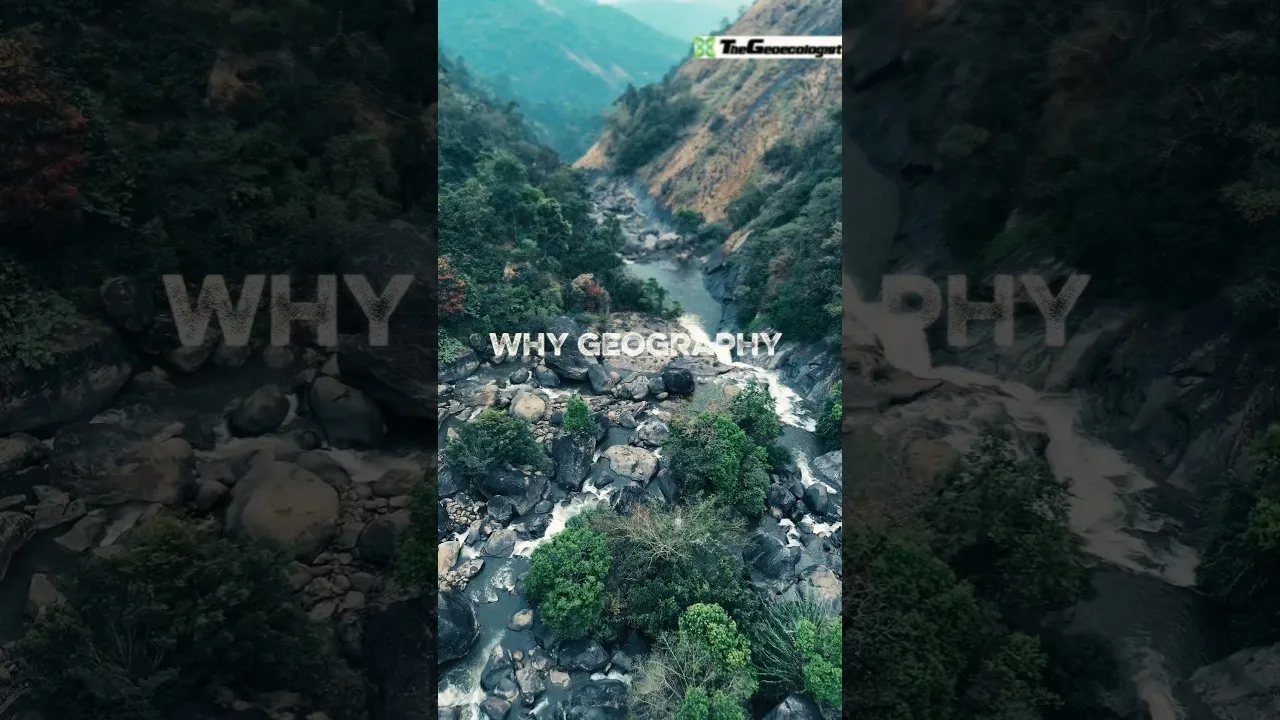
Geography learning is important #geographyoptional #geography #shorts
Why Geography Learning is Essential: Beyond Borders for UPSC and Life
geographyoptional #geography #shorts #upsc #earth
In an age dominated by technology and instant information, why is geography still fundamentally important? The answer lies in its unique ability to connect us to the world in ways no other subject can. For UPSC aspirants choosing #geographyoptional, it’s a strategic advantage, but its value extends far beyond competitive exams, shaping informed global citizens and addressing critical challenges like climate change.
1. Understanding Our Planet: The Big Picture
Geography isn’t just memorizing capitals or mountain ranges. It’s the science of place. It explores the intricate web of interactions between human societies and the physical environment (#earth). How does climate influence agriculture? Where are the world’s population hotspots? How do rivers shape civilizations and politics? This holistic view fosters essential environmental stewardship and a profound appreciation for Earth’s complexity.
2. Navigating Our World: Context is Crucial
In a globalized world, geography provides the essential context for understanding:
- Current Affairs: Conflicts, migration patterns, and economic partnerships are deeply rooted in geographical factors like resources, terrain, borders, and climate zones. You can’t grasp the news without it.
- Spatial Challenges: Urbanization pressures, managing water scarcity, mitigating natural disasters, and planning sustainable infrastructure all demand geographical literacy. Geography equips us to think spatially and solve real-world problems.
- Cultural Understanding: Maps reveal cultural landscapes – how human societies adapt to, modify, and live within their environments, fostering empathy and global awareness.
3. The Edge for UPSC Aspirants: Why #geographyoptional is Powerful
For UPSC contenders, geography stands out:
- High Scoring & Predictable: Well-defined syllabus, logical structure, and scope for structured answers make geography a popular and effective #upsc optional subject.
- Interdisciplinary Nature: Seamlessly links with General Studies (Environment, Ecology, Agriculture, Infrastructure, Internal Security), making holistic preparation easier.
- Visual & Conceptual Strength: Maps, diagrams, and conceptual understanding aid retention and answer presentation, crucial for tackling questions on #earth systems and human geography.
- Direct Relevance: Geography knowledge is vital for answering questions on climate change, resource distribution, regional cooperation (e.g., SAARC, BIMSTEC), and internal security dynamics.
4. Beyond the Exam: Life-Long Skills
Studying geography hones invaluable skills:
- Critical Thinking: Analyzing spatial data, interpreting maps, and understanding complex interactions builds analytical muscles.
- Problem-Solving: Identifying geographical constraints and opportunities is key to planning, development, and policy-making.
- Digital Literacy: Masters Geographic Information Systems (GIS) and remote sensing – increasingly vital skills across sectors from urban planning to disaster management.
- Global Perspective: Cultivates a worldview, recognizing interdependence and the impact of localized actions on global systems.
Conclusion
Geography is the ultimate bridge between the physical world and human society. It’s not merely a subject to be studied; it’s a lens through which we understand our past, navigate our present, and plan our future. For UPSC aspirants, #geographyoptional is a potent tool for success. But for everyone, understanding geography is fundamental to making informed decisions, appreciating our planet’s fragility and resilience, and effectively engaging with the complexities of our #earth. It’s knowledge that truly connects us to the world. Start exploring today!
To Download E-Books & Study Material Visit The Shop Page