Blog
Solar Analemma: The Sun’s Stunning Figure‑Eight Dance Revealed


Table of Contents
- What Is a Solar Analemma?
- How the Sun’s Path Creates a Solar Analemma
- Earth’s Tilt: The Vertical Component of the Solar Analemma
- Orbital Eccentricity: The Horizontal Component of the Solar Analemma
- Combined Effect: The Full Solar Analemma Picture
- Ancient Observations of the Solar Analemma
- Capturing the Solar Analemma Yourself
- Technical Tips for a Clear Solar Analemma
- Modern Viral Examples of the Solar Analemma
- Solar Analemma on Other Planets
- Scientific Significance of the Solar Analemma
- Why the Solar Analemma Matters Today
- Join the Skywatching Community
- Solar Analemma in Ancient Sundials
- Start Your Own Solar Analemma Project
What Is a Solar Analemma?
The solar analemma is the captivating figure‑eight pattern the Sun traces across the sky when observed from the same point at the same clock time each day for a full year. This motion is not random—it is a precise consequence of Earth’s tilt and orbital shape. For a detailed scientific background, see the solar analemma Wikipedia page.
-
The solar analemma explains seasonal daylight changes.
- It is visible from any fixed location with proper timing.
- Ancient cultures used its shape to design sundials.
- Modern technology lets hobbyists capture it in stunning time‑lapse videos.
- The solar analemma is a key indicator of Earth’s axial tilt and orbital eccentricity.
How the Sun’s Path Creates a Solar Analemma
The solar analemma forms because two fundamental aspects of Earth’s motion combine: the axial tilt of the planet and the elliptical shape of its orbit. The axial tilt, about 23.5°, causes the Sun’s apparent latitude to shift north and south through the seasons, creating the vertical arm of the figure‑eight. The ellipticity of Earth’s orbit introduces a small east‑west wobble that adds the horizontal dimension, completing the solar analemma.
Earth’s Tilt: The Vertical Component of the Solar Analemma
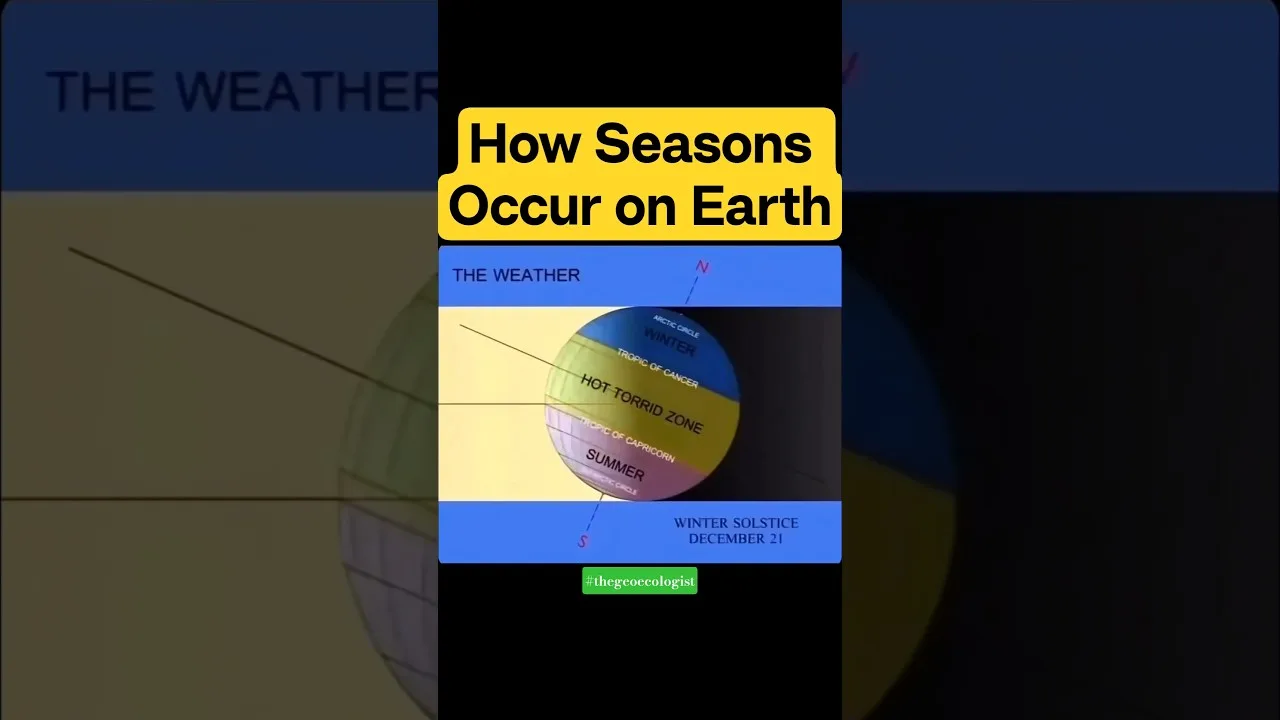
The axial tilt of Earth, about 23.5°, is a key driver of the solar analemma. As the planet rolls on its inclined axis, the Sun’s midday altitude varies from the summer solstice high point to the winter solstice low point. This seasonal change traces the vertical line of the solar analemma’s figure‑eight shape.
Orbital Eccentricity: The Horizontal Component of the Solar Analemma
The ellipticity of Earth’s orbit also shapes the solar analemma. Because Earth moves faster when it is closer to the Sun near perihelion in early January and slower near aphelion in early July, the Sun’s apparent longitude drifts slightly east‑west. This shift adds the horizontal curve to the figure‑eight, completing the solar analemma’s distinctive pattern.
Combined Effect: The Full Solar Analemma Picture
Together, these factors produce the solar analemma. The tilt gives the north‑south swing, while the orbital speed variation gives the east‑west wobble. When plotted over a year, the Sun’s position at the same clock time each day traces a graceful figure‑eight, a living illustration of the solar analemma.
Ancient Observations of the Solar Analemma
Ancient astronomers, from the Maya to the Egyptians, noted the solar analemma pattern even if they did not see the full figure‑eight. They used the predictable shifts in the Sun’s path to mark solstices and equinoxes, indirectly tracking the solar analemma’s shape. The design of early sundials even incorporated the figure‑eight to calibrate time, showing how the solar analemma has long influenced human culture.
Capturing the Solar Analemma Yourself
If you want to capture the solar analemma yourself, start by photographing the Sun at the same time each day. Use a fixed tripod and a camera set to a long exposure or a smartphone with a time‑lapse app. The key is consistency: the same position, same time, and the same camera settings will reveal the solar analemma when the images are overlaid.
Technical Tips for a Clear Solar Analemma
Use a fixed tripod and a camera set to a long exposure or a smartphone with a time‑lapse app. Keep the camera’s white balance static and avoid changing the aperture or ISO. After you have collected at least 30 days of images, use software like Adobe Lightroom or the free app Snapseed to align the images. Aligning the images reveals the solar analemma in a single centaines of overlapping Sun positions.
Modern Viral Examples of the Solar Analemma
Recently a viral YouTube shorts clip showed a striking solar analemma time‑lapse that captivated millions. The video compressed a full year of Sun positions into a few seconds, letting viewers witness the solar analemma’s figure‑eight dance in a breath‑taking montage. Such viral content has sparked a new wave competent of enthusiasts eager to share their own solar analemma projects.
Solar Analemma on Other Planets
Other planets with tilted axes, such as Saturn, would produce their own solar analemma if we could observe them. The shape would differ because each planet’s orbital eccentricity and axial tilt vary. For instance, Saturn’s larger orbital period and higher tilt would create a broader, more exaggerated figure‑eight if captured from a spacecraft.
Scientific Significance of the Solar Analemma
Studying the solar analemma helps refine models of Earth’s orbit and climate. By measuring the exact shape of the solar analemma, scientists can detect subtle changes in Earth’s axial tilt and orbital eccentricity over centuries. These measurements inform climate models and help predict future climate shifts.
Why the Solar Analemma Matters Today
The solar analemma is a living illustration of our planet’s motion. It reminds hubs that even our seemingly constant Sun is part of a dynamic dance. By observing the solar analemma, we connect directly with the mechanics of the solar system.
Join the Skywatching Community
Join the community of skywatchers who share their solar analemma images online. Platforms like Instagram and Reddit host thousands of user‑generated solar analemma posts, each adding a new perspective to the collective understanding of the solar analemma.
Solar Analemma in Ancient Sundials
The solar analemma also appears in ancient sundials, which used the figure‑eight to calibrate time. By marking the Sun’s path on a gnomon, ancient engineers could account for seasonal variations, an early practical application of the solar analemma’s geometry.
Start Your Own Solar Analemma Project
If you’re intrigued by the solar analemma, start your own series today and watch the sky dance. With a simple camera setup and a year of patience, you can capture the solar analemma’s elegant figure‑eight and contribute to a growing global archive of celestial motion.
Frequently Asked Questions

The solar analemma is caused by the combination of Earth’s 23.5° axial tilt and the elliptical shape of its orbit, which together produce a figure‑eight pattern when the Sun is observed at the same time each day for a full year.
Capturing a solar analemma typically requires at least a full year of photographs taken at the same clock time each day. The more days you include, the clearer the figure‑eight will appear.
Yes, the solar analemma can be observed from any fixed location on Earth, provided the photographer maintains a consistent camera position and time of day for each shot.