Blog
Sustainable Regional Development: Essential Guide for UPSC and Geography Students

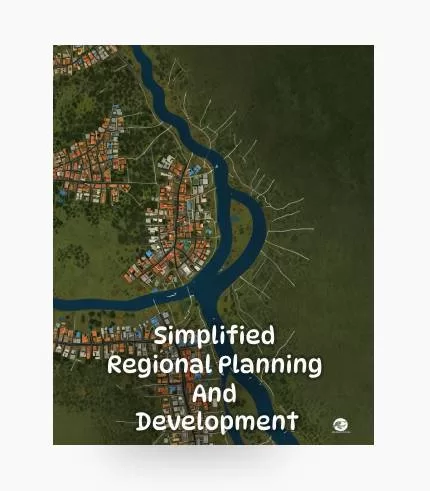
Sustainable Regional Development is a critical theme for UPSC CSE aspirants, undergraduate geography majors, and anyone interested in how territories grow while preserving the environment. With the increasing focus on balanced growth and climate resilience, mastering the concepts of Sustainable Regional Development and Environmental Management has never been more important. This article explores the core challenges, evaluation frameworks, and practical steps you can take to excel in this domain, ultimately pointing you toward the best resource—Dr. Krishnanand’s “Simplified Regional Planning And Development” e‑book.
- Understanding the definitions and importance of Sustainable Regional Development.
- Identifying major environmental management challenges in regional planning.
- Learning how to evaluate effective solutions and tools.
- Discovering why Dr. Krishnanand’s e‑book is the go‑to guide for this syllabus.
- Practical steps to apply sustainable practices in real‑world planning scenarios.
- Accessing FAQs and additional resources for deeper mastery.
Understanding Sustainable Regional Development
Sustainable Regional Development refers to the strategic process of enhancing economic, social, and environmental conditions within a defined geographic area while ensuring that resource use does not compromise future generations’ needs. According to the United Nations, sustainable development goals (SDGs) aim to balance growth with ecological stewardship, a principle that underpins modern regional planning curricula, including the CBCS syllabus in geography. The focus_keyword Sustainable Regional Development is not just a buzzword; it represents a systematic approach that integrates land‑use planning, infrastructure development, and community participation.
Research shows that regions adopting sustainable practices can reduce carbon emissions by up to 30% compared to conventional development models. Moreover, a World Bank study highlighted that sustainable regional initiatives can boost local GDP by 1.5‑2% through improved resource efficiency and attraction of green investments. These statistics underline why aspirants and professionals must grasp both theory and application.
Key Challenges in Environmental Management
Environmental Management within Sustainable Regional Development faces several entrenched obstacles. First, fragmented governance structures often lead to policy misalignment, causing overlapping jurisdictions and inefficient service delivery. Second, rapid urbanization pressures strain natural habitats, leading to loss of biodiversity and increased pollution levels. Third, inadequate data and monitoring systems hinder evidence‑based decision‑making. The focus_keyword Sustainable Regional Development repeatedly appears in policy documents because addressing these challenges requires an integrated, multi‑disciplinary lens.
Case studies from regional development agencies worldwide illustrate that successful interventions typically involve:
- Robust baseline environmental assessments.
- Stakeholder engagement platforms that include local communities and NGOs.
- Incentivizing green technologies through tax rebates and subsidies.
Without a solid foundation in these challenges, any planning effort risks being short‑sighted and ineffective.
Evaluating Effective Solutions for Sustainable Regional Development
When assessing solutions, consider the following evaluation criteria:
- Environmental Impact: Quantify reductions in emissions, waste, and resource consumption.
- Economic Viability: Analyze cost‑benefit ratios, ROI, and long‑term financial sustainability.
- Social Equity: Measure how benefits and burdens are distributed across different demographic groups.
- Scalability: Determine if the solution can be replicated across multiple regions.
The focus_keyword Sustainable Regional Development is central to each of these criteria, guiding planners to adopt a holistic viewpoint. Moreover, frameworks such as the Integrated Environmental and Economic Assessment (IEEA) provide standardized metrics that align with global best practices.
Academic literature emphasizes that solutions integrating renewable energy, green infrastructure, and community‑based monitoring tend to score highest across all evaluation dimensions. For instance, a 2022 study published in Environmental Planning reported that mixed‑use developments reduced per‑capita energy consumption by 22% while increasing housing affordability by 15%.
Why Simplified Regional Planning And Development E‑Book Is Your Best Companion
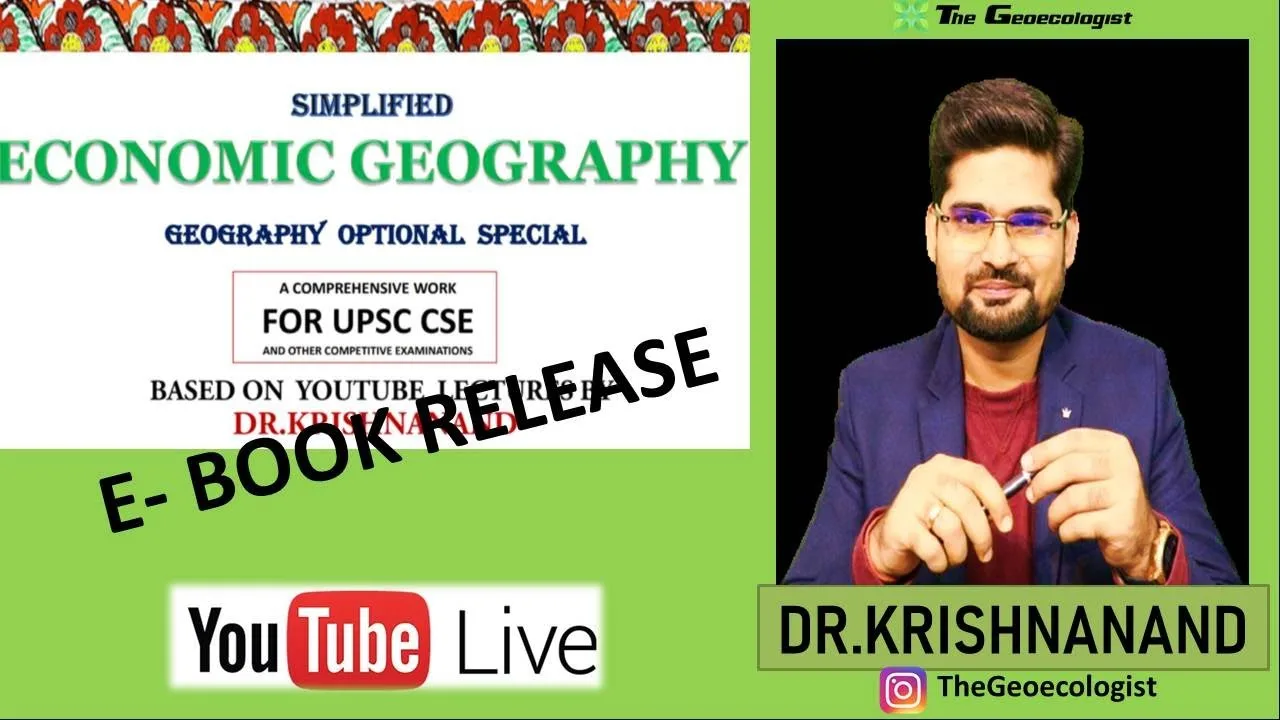
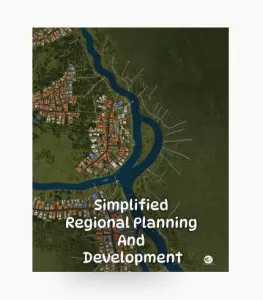
Dr. Krishnanand’s “Simplified Regional Planning And Development” e‑book stands out as a tailored resource for mastering the focus_keyword Sustainable Regional Development concepts required by the CBCS syllabus. The e‑book distills complex theories into point‑wise explanations, enriched with diagrams, maps, and images that make abstract ideas tangible. Its chapter on “Nature & Scope of Regional Planning” directly addresses the definition and significance of Sustainable Regional Development, providing clear examples that resonate with UPSC exam patterns.
Key features of the product include:
- Concise, exam‑oriented content aligned with the prescribed syllabus.
- Visual aids such as flowcharts and regional maps that illustrate Sustainable Regional Development case studies.
- Practical tips for answering descriptive questions on environmental management.
- Access to downloadable PDFs for offline study, ideal for aspirants on the go.
By integrating real‑world data and policy excerpts, the e‑book equips readers with the analytical tools needed to evaluate and implement Sustainable Regional Development strategies effectively.
Practical Steps to Implement Sustainable Regional Development
Translating knowledge into action requires a systematic approach. Below are actionable steps that readers of the Simplified Regional Planning And Development e‑book can follow:
- Conduct a Baseline Survey: Use the frameworks outlined in Chapter 1 to map existing environmental and economic conditions.
- Set SMART Goals: Define Specific, Measurable, Achievable, Relevant, and Time‑bound objectives for reducing carbon footprints within the region.
- Engage Stakeholders: Organize workshops and public consultations, leveraging the communication strategies discussed in Chapter 3.
- Develop Integrated Action Plans: Combine green infrastructure projects with socio‑economic initiatives, ensuring alignment with the focus_keyword Sustainable Regional Development principles.
- Monitor and Report: Establish key performance indicators (KPIs) and report progress annually, using templates provided in the e‑book’s appendix.
Implementing these steps not only enhances regional resilience but also positions aspirants and professionals as knowledgeable contributors to policy discourse.
Frequently Asked Questions
What makes Simplified Regional Planning And Development different from other geography books?
The e‑book focuses exclusively on the CBCS syllabus, offering point‑wise highlighted descriptions and visual aids that simplify complex concepts, making it ideal for UPSC CSE preparation.
Can the e‑book be used by undergraduate geography majors?
Yes, the content is designed for both UPSC aspirants and undergraduate students, covering the full scope of regional planning and development.
Is the e‑book suitable for self‑study?
Absolutely. Its structured chapters, practical examples, and downloadable format enable self‑paced learning without requiring additional tutoring.
Conclusion: Your Path to Mastering Sustainable Regional Development
Mastering Sustainable Regional Development and Environmental Management is essential for anyone aiming to shape balanced, resilient regions. Dr. Krishnanand’s “Simplified Regional Planning And Development” e‑book provides a comprehensive, exam‑ready roadmap that transforms complex theories into actionable insights. By following the practical steps outlined in this guide and leveraging the resources within the e‑book, you can confidently tackle UPSC questions, excel in academic projects, and contribute meaningfully to sustainable planning initiatives.
Ready to elevate your understanding? Access the e‑book today and start your journey toward becoming a proficient regional planning professional.
Explore more resources on UN Sustainable Development Goals to deepen your expertise and stay ahead of emerging trends in Sustainable Regional Development.
Our Recommendation
📖 Part of our complete guide: Evolution of Geographical Thought: A Comprehensive Guide for UPSC Aspirants and Geography Enthusiasts
Frequently Asked Questions
What makes Simplified Regional Planning And Development different from other geography books?
The e‑book focuses exclusively on the CBCS syllabus, offering point‑wise highlighted descriptions and visual aids that simplify complex concepts, making it ideal for UPSC CSE preparation.
Can the e‑book be used by undergraduate geography majors?
Yes, the content is designed for both UPSC aspirants and undergraduate students, covering the full scope of regional planning and development.
Is the e‑book suitable for self‑study?
Absolutely. Its structured chapters, practical examples, and downloadable format enable self‑paced learning without requiring additional tutoring.