Blog
Geomorphology Books: The Ultimate Guide to Choosing the Best Resource for UPSC CSE and Geography Students

Updated: October 26, 2026
Updated Comparison of Top Geomorphology Resources for UPSC 2025
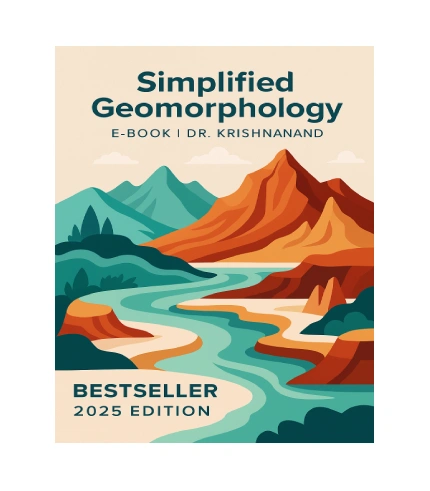
The 2025 edition of Simplified Geomorphology by Dr. Krishnanand remains a bestseller, but the competitive landscape has shifted with several new releases and revised editions that UPSC aspirants should evaluate. Recent titles such as Geomorphology for Civil Services (2nd ed., 2024) by R. K. Sharma, Physical Geography: A Modern Approach (2025) by S. K. Singh, and the open‑access Geomorphology Essentials (2025) from the National Institute of Geography provide alternative pedagogical styles—some emphasize case‑study driven explanations, others integrate GIS‑based visualisations that align with the current UPSC trend of map‑interpretation questions.
When comparing resources, focus on three criteria: syllabus coverage, question‑bank integration, and digital accessibility. The Krishnanand e‑book excels in concise chapter summaries and a 1,200‑question practice set that mirrors the 2023‑24 UPSC pattern, while Sharma’s volume adds 30 percent more illustrative diagrams and a dedicated chapter on coastal geomorphology, a topic that appeared in the 2024 mains. Singh’s textbook incorporates recent research on climate‑driven landscape change, useful for essay‑type answers, and the open‑access guide offers interactive 3‑D models that can be embedded in personal notes.
For a balanced preparation strategy, many top‑rankers now adopt a hybrid approach: use the Krishnanand e‑book for rapid revision and mock tests, supplement with Sharma’s diagrams for conceptual clarity, and reference Singh’s recent case studies for answer enrichment. Digital platforms such as Kindle, Google Play Books, and the publisher’s own app allow offline reading, annotation, and cross‑device sync—features that have become decisive for aspirants managing tight study schedules.
Additional FAQs
Which geomorphology book is most aligned with the latest UPSC 2025 syllabus and question pattern?
The 2025 edition of Simplified Geomorphology by Dr. Krishnanand is specifically updated to reflect the 2023‑24 UPSC question trends, includes a 1,200‑question practice bank, and offers concise chapter summaries that match the current syllabus weighting.
Are there any new e‑book releases or digital supplements for geomorphology that UPSC aspirants should consider in 2025?
Yes, besides the Krishnanand e‑book, R. K. Sharma’s Geomorphology for Civil Services (2nd ed., 2024) and S. K. Singh’s Physical Geography: A Modern Approach (2025) are available as Kindle/Google Play editions with interactive diagrams, while the open‑access Geomorphology Essentials (2025) provides free 3‑D model embeds for enhanced visual learning.
Updated: October 9, 2026
Evaluating Geomorphology Books for UPSC CSE: A Practical Checklist
Choosing the right geomorphology book for UPSC CSE goes beyond simply picking a bestseller; it requires a systematic checklist that aligns the book’s coverage, pedagogy, and format with the exam’s syllabus and your study style.
First, verify syllabus mapping. The UPSC geography optional and GS papers emphasize landform processes, tectonic geomorphology, fluvial and coastal dynamics, and applied aspects like hazard management. A suitable text should list each chapter against these topics, ideally providing a mapping table or index that lets you confirm coverage at a glance.
Second, assess depth versus breadth. Standard reference works such as “Geomorphology” by Savindra Singh offer exhaustive detail, which is valuable for optional papers but can overwhelm GS aspirants. Conversely, concise guides like Dr. Krishnanand’s Simplified Geomorphology (2025 Edition) distill core concepts into exam‑oriented summaries, making them ideal for rapid revision and answer writing practice.
Third, evaluate pedagogical aids. Look for solved previous‑year questions, model answers, diagram banks, and self‑assessment MCQs. Books that integrate these tools reduce the need for supplementary material and enable active recall. The 2025 e‑book edition includes interactive hyperlinks to video explanations and downloadable PDF worksheets, a feature absent in many print‑only titles.
Fourth, consider format and accessibility. Digital editions allow keyword search, annotation, and offline reading on multiple devices—critical during the final months of preparation. Ensure the e‑book is DRM‑free or compatible with your preferred reader, and check for regular updates that reflect the latest UPSC notification changes.
Finally, cross‑check reviews from recent toppers and coaching institutes. Their feedback on question relevance, error frequency, and time‑saving potential provides real‑world validation that a publisher’s marketing cannot. By applying this five‑point checklist—syllabus mapping, depth balance, pedagogical aids, format flexibility, and peer endorsement—you can confidently select a geomorphology resource that maximizes score efficiency.
Additional FAQs
Which geomorphology book is most recommended for UPSC CSE 2024?
For GS papers, Dr. Krishnanand’s Simplified Geomorphology (2025 Edition) is widely praised for its concise, exam‑focused coverage and integrated practice questions. For the Geography optional, aspirants often pair it with Savindra Singh’s Geomorphology for deeper theoretical depth.
Is the Simplified Geomorphology (2025 Edition) e‑book enough for the Geography optional paper?
The e‑book covers the core syllabus and provides solved previous‑year questions, but optional candidates usually supplement it with a comprehensive reference like Singh’s Geomorphology for advanced topics, case studies, and detailed diagrams.
Updated: September 24, 2026
How to Evaluate Geomorphology Books for UPSC CSE 2025 and Beyond
Choosing the right geomorphology resource goes beyond checking the publication year or author reputation. For UPSC CSE aspirants and geography students, the book must align with the latest syllabus weighting, integrate recent case studies, and offer practice questions that mirror the exam’s analytical style. Start by mapping each chapter to the official UPSC geography syllabus topics — landforms, processes, applied geomorphology, and environmental implications — and verify that the book provides concise theoretical explanations paired with diagrammatic illustrations. Next, assess the depth of contemporary examples: the 2025 edition should reference recent glacial retreat data, river basin management projects in India, and coastal erosion mitigation strategies, because examiners increasingly test application of concepts to current events. A strong candidate book also includes a dedicated “Previous Years’ Questions” section with detailed solutions, enabling you to gauge the level of reasoning required. Pedagogical aids such as summary tables, flowcharts of geomorphic processes, and glossaries of technical terms accelerate revision cycles. Digital features matter too: an e‑book with searchable text, hyperlinked cross‑references, and offline annotation capability fits the modern study workflow. Finally, consider the author’s academic credentials and teaching experience; Dr. Krishnanand’s background in university‑level geomorphology and his track record of guiding UPSC toppers add credibility. By systematically scoring each title on syllabus coverage, currency of examples, practice material, usability, and author authority, you can confidently select a geomorphology book that maximizes study efficiency and exam performance.
Additional FAQs
Which geomorphology book best matches the UPSC CSE 2025 syllabus updates?
The 2025 edition of Simplified Geomorphology by Dr. Krishnanand is explicitly aligned with the latest UPSC geography syllabus, incorporating recent case studies, updated diagrams, and a dedicated previous‑years‑questions section.
Are there any free online supplements that complement the Simplified Geomorphology e‑book?
Yes, the publisher provides a companion website with downloadable PDFs of chapter summaries, interactive quizzes, and video explanations of complex landform processes, all accessible with the e‑book purchase.
Updated: September 14, 2026
How the 2025 Edition Integrates Recent Geomorphological Developments for UPSC Aspirants
The 2025 edition of Simplified Geomorphology goes beyond traditional textbook coverage by embedding the most recent geomorphological events that have shaped India’s landscape over the past few years. For instance, the book details the 2023 Kedarnath flash‑flood aftermath, the changing course of the Brahmaputra due to accelerated bank erosion, and the surge in landslide incidents along the Western Ghats triggered by anomalous monsoon patterns. By linking these real‑world examples to core concepts such as slope stability, fluvial dynamics, and mass wasting, the text helps aspirants visualize theoretical processes in action, a skill that is increasingly valued in both the Prelims and Mains examinations.
Dr. Krishnanand has updated every chapter with fresh data sets, satellite imagery, and GIS‑derived maps that reflect the latest Survey of India and ISRO observations. The section on glacial geomorphology now includes a comparative analysis of the Gangotri glacier’s retreat rates from 2010 to 2024, supported by time‑series satellite photographs and quantitative melt‑rate calculations. Similarly, the coastal geomorphology chapter incorporates shoreline change maps derived from LiDAR surveys after the 2022 cyclone season, offering students a concrete basis for discussing sea‑level rise impacts and mitigation strategies. These updates ensure that the content is not only academically rigorous but also directly relevant to the evolving UPSC syllabus that emphasizes contemporary case studies.
For UPSC candidates, the practical advantage of this updated approach is twofold. First, the inclusion of recent, verifiable examples enriches answer writing, allowing candidates to cite specific events and data points that demonstrate depth of knowledge. Second, the e‑book format facilitates quick cross‑referencing: hyperlinked glossary terms, interactive diagrams, and downloadable worksheet exercises enable active revision and self‑assessment. As a result, aspirants can move beyond rote memorization to develop an analytical mindset that links geomorphological theory with observable environmental change—a combination that consistently scores well in the geography optional and general studies papers.
Additional FAQs
Is the 2025 edition of Simplified Geomorphology suitable for both UPSC Prelims and Mains preparation?
Yes, the edition is designed to cover factual recall needed for Prelims while providing analytical depth, case studies, and answer‑writing aids essential for Mains geography optional and general studies papers.
Does the e‑book include practice questions or self‑assessment tools?
The e‑book features downloadable worksheets, interactive diagrams, and hyperlinked glossary terms that allow aspirants to test understanding and revise actively after each chapter.
Updated: September 8, 2026
Digital and Interactive Learning: E‑books, AR, and GIS Integration in Modern Geomorphology Study
Traditional geomorphology textbooks have long been the backbone of UPSC Civil Services Examination (CSE) and geography curricula, but the digital era has introduced a new dimension to how students engage with the subject. Modern e‑books such as the 2025 edition of *Simplified Geomorphology* now combine searchable PDFs with embedded multimedia, allowing learners to click on river profiles, landslide maps, or glacial landforms for instant visual explanations. This interactive approach is especially valuable for UPSC aspirants who must juggle vast syllabi and limited revision time.
Augmented reality (AR) and virtual reality (VR) tools are increasingly embedded in digital geomorphology resources. By scanning printed diagrams or using dedicated apps, students can overlay three‑dimensional terrain models onto their desks, rotate a tectonic plate, or walk through a simulated fluvial landscape. These experiences deepen spatial understanding—a critical skill for answering map‑based questions in the geography optional and for interpreting satellite imagery in the general studies paper.
Geographic Information System (GIS) integration is another game‑changer. Contemporary e‑books often link directly to GIS layers, enabling learners to analyze slope stability, erosion patterns, or drainage networks without leaving the textbook. Hands‑on exercises like “Identify the dominant geomorphological process using the provided DEM” not only reinforce theory but also align with the UPSC emphasis on data interpretation and analytical reasoning.
For budget‑conscious students, many publishers now offer tiered access: a basic PDF for free download and a premium version unlocked with interactive features. Open‑source platforms such as the Global Earth Observation System of Systems (GEOSS) provide complementary datasets that can be cross‑referenced with textbook chapters, fostering a blended learning ecosystem.
In practice, the optimal strategy combines the reliability of a well‑structured e‑book with supplementary digital tools. Start with the core text for conceptual clarity, then layer AR/VR visualizations for spatial intuition, and finally use GIS datasets for quantitative analysis. This multi‑modal approach not only enhances retention but also prepares aspirants for the increasingly tech‑oriented questions appearing in recent UPSC exams.
Additional FAQs
What are the best free geomorphology e‑books for UPSC CSE and geography students in 2025?
Several reputable publishers offer free PDF versions of core geomorphology texts, including the open‑access edition of *Simplified Geomorphology* on the author’s website and the Indian Geological Survey’s “Geomorphology for Undergraduates” PDF. These files contain the essential theory and practice questions, and many include links to complementary GIS datasets and AR resources for enhanced learning without any cost.
How does GIS integration in geomorphology books help UPSC aspirants prepare for exam questions?
GIS integration allows students to work directly with slope maps, drainage patterns, and elevation models, turning abstract concepts into concrete, analyzable data. This hands‑on experience improves speed in interpreting map‑based questions, supports answer writing with precise technical terminology, and aligns with the UPSC’s growing emphasis on data‑driven reasoning and environmental scenario analysis.
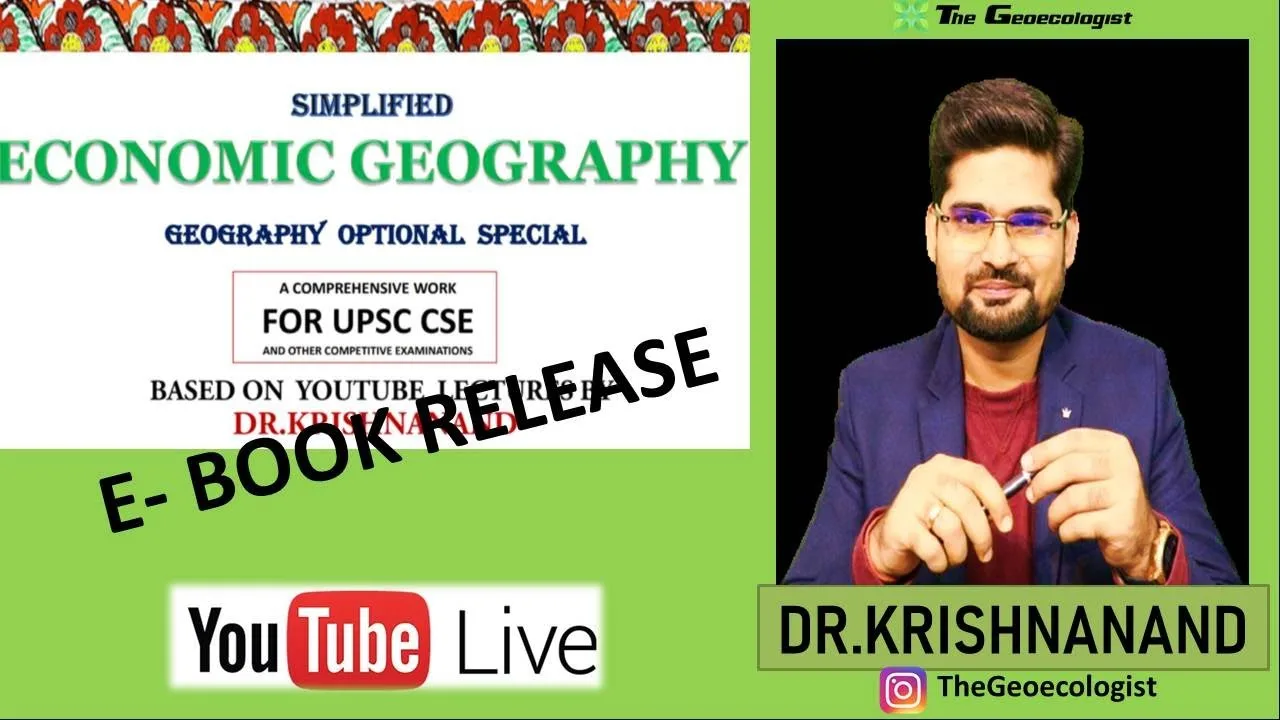
When it comes to mastering geomorphology, selecting the right study material can make or break your preparation. Whether you’re an UPSC CSE aspirant tackling the challenging geography optional, an undergraduate navigating CBCS coursework, or a geography enthusiast eager to understand Earth’s dynamic landscapes, finding comprehensive geomorphology books that simplify complex concepts is essential. The 2025 edition of “Simplified Geomorphology” by Dr. Krishnanand has emerged as a leading resource in this category, offering a structured approach to learning Earth’s surface processes and landforms. This guide will help you understand what to look for in quality geomorphology study materials and why this particular book has become a bestseller among competitive exam candidates.
Key Takeaways
- Look for geomorphology books aligned with the latest UPSC CBCS syllabus for comprehensive coverage
- The best resources combine theoretical concepts with visual aids like diagrams and maps
- Point-wise presentation helps in quick revision before examinations
- Dr. Krishnanand’s “Simplified Geomorphology” covers all major theories from continental drift to plate tectonics
- Choose books that cater specifically to Indian competitive exam requirements
Understanding the Challenge of Learning Geomorphology
Geomorphology, the scientific study of Earth’s landforms and the processes that create them, presents unique challenges for students. The subject requires understanding abstract geological concepts, memorizing intricate theories, and connecting theoretical knowledge with real-world landform observations. For UPSC CSE aspirants, geomorphology forms a crucial component of both the preliminary and mains examinations, often accounting for significant portions of the geography optional paper. The difficulty lies not just in comprehending concepts like isostasy, orogenesis, and epeirogenesis, but in presenting these ideas coherently during the examination.
Many students struggle with geomorphology because they rely on generic textbooks that either oversimplify concepts or overwhelm with excessive technical detail. The ideal geomorphology books should strike a balance—explaining concepts clearly while maintaining academic rigor. They must also address the specific requirements of Indian competitive examinations, where answer writing demands precise terminology, diagrammatic representations, and the ability to critically evaluate geological theories. This is precisely where specialized resources like Dr. Krishnanand’s work fill a critical gap in the market.
What to Look for in the Best Geomorphology Books
Selecting the right geomorphology books requires careful evaluation of several key factors. First and foremost, ensure the book follows the latest prescribed syllabus. The UPSC has adopted the Choice Based Credit System (CBCS) curriculum, and your study material must align with this framework to cover all examination-relevant topics. Books that incorporate the most recent syllabus updates, like the 2025 edition adjustments, ensure you aren’t missing any new requirements or wasting time on obsolete content.
Secondly, examine the pedagogical approach. The best geomorphology resources use point-wise presentations that facilitate quick learning and easy revision. Look for books that include comprehensive diagrams, maps, and illustrative images—visual learning is particularly effective for understanding spatial concepts like plate boundaries, mountain formation processes, and landform evolution. Third, consider the depth of coverage for fundamental theories. Essential topics include the internal structure of Earth, isostasy theories, continental drift, plate tectonics, and earth movements. A quality textbook should dedicate substantial chapters to each of these areas, providing both foundational knowledge and advanced insights.
The writing style matters significantly. Complex geological concepts should be explained in accessible language without diluting academic accuracy. Books written by subject experts with teaching experience—particularly those familiar with competitive examination patterns—tend to strike this balance effectively. Additionally, check for supplementary features like chapter-wise page ranges, which help in planning study schedules, and cross-referencing capabilities that connect related concepts across chapters.
Why Simplified Geomorphology Stands Out Among Available Resources
The “Simplified Geomorphology (2025 Edition)” by Dr. Krishnanand has established itself as a benchmark in geography study materials. This e-book addresses the specific needs of UPSC CSE aspirants, undergraduates, and geography enthusiasts through its meticulously structured content. Unlike generic textbooks, this resource understands that examination success requires more than theoretical knowledge—it demands the ability to articulate concepts clearly, support arguments with relevant examples, and present information in a structured, examination-friendly format.
The book’s point-wise highlighted descriptions make it exceptionally useful for revision. When preparing for competitive examinations, students often face time constraints during the final review phase. Having concepts organized in discrete, scannable points allows for rapid revision of entire topics within limited timeframes. The inclusion of diagrams, maps, and images throughout the text enhances comprehension and provides ready-made illustrative material for answer writing. According to experienced educators, answers supported by well-labeled diagrams consistently score higher in geography optional papers, making this feature particularly valuable.
Being an e-book, “Simplified Geomorphology” offers accessibility advantages. Students can study on various devices, search specific terms instantly, and carry their entire geomorphology library without physical bulk. The 2025 edition incorporates the latest CBCS syllabus updates, ensuring complete alignment with current examination requirements. This currency of content is crucial—syllabus changes can render older editions incomplete or introduce topics not covered in previous versions.
Chapter-by-Chapter Breakdown of the 2025 Edition
The book is organized into comprehensive chapters that systematically build geological knowledge. Chapter 1 covers the Internal Structure of the Earth (pages 6-24), taking students on a journey from the crust to the core. Understanding Earth’s layered composition is fundamental to comprehending all subsequent topics, as internal processes drive the external landform evolution we observe today. This chapter establishes the physical foundation upon which all geomorphological theories rest.
Chapter 2 explores Theories of Isostasy (pages 25-42), unraveling the concept of Earth’s crustal balance. Isostasy explains how mountain ranges maintain their elevation despite erosion and how continents remain afloat on denser underlying layers. This topic frequently appears in UPSC examinations, and the book’s clear explanations help students master the Airy and Pratt hypotheses of compensation. Chapter 3 examines the Continental Drift Theory (pages 43-62), tracing Alfred Wegener’s groundbreaking hypothesis and the evidence supporting ancient supercontinents. This chapter connects directly to modern plate tectonic understanding, making it essential for comprehensive exam preparation.
Chapter 4 delves into Plate Tectonics Theory (pages 63-84), arguably the most important concept in modern geomorphology. The dynamic interactions between lithospheric plates explain earthquakes, volcanic activity, mountain building, and ocean formation. Dr. Krishnanand’s treatment of this topic covers plate boundaries, movement mechanisms, and resulting landforms comprehensively. Chapter 5 addresses Geosynclines (pages 85-99), exploring these elongated depressions that eventually transform into mountain ranges through orogenic processes. Chapter 6 completes the core content with Earth Movements (pages 100+), covering both orogenesis—the forces that create mountains—and epeirogenesis—vertical movements affecting entire continents.
Who Should Read This Geomorphology Book?
The “Simplified Geomorphology” e-book serves three primary audiences effectively. UPSC CSE aspirants, whether appearing for prelims, mains with geography optional, or both, will find this resource invaluable for systematic preparation. The book covers theoretical concepts required for objective questions while providing the depth necessary for detailed mains answers. Its structure aligns perfectly with the examination’s expectations, presenting information in a format that translates directly into examination-ready knowledge.
Undergraduate geography students following CBCS curricula will benefit from the book’s comprehensive coverage of prescribed topics. The clear explanations and organized structure make complex concepts accessible, while the depth ensures academic requirements are fully met. University examinations often test similar topics to competitive exams, so students using this book gain dual preparation advantages. Geography enthusiasts beyond formal academic settings also constitute a significant readership. The book’s engaging style and visual content make technical geomorphology approachable for anyone curious about Earth’s geological processes.
The e-book format particularly suits serious students who need to study across multiple locations or devices. Having the complete geomorphology content searchable and portable eliminates the burden of carrying heavy textbooks while ensuring all material remains instantly accessible during study sessions.
How to Use This Book for Effective Exam Preparation
Maximizing the benefits of this geomorphology resource requires strategic study approaches. Begin by reading chapters sequentially to build conceptual foundation—the book is structured to develop understanding progressively, with later chapters building upon earlier concepts. After completing initial reading, use the point-wise highlighted sections for rapid revision, testing your recall of each concept before moving forward. The chapter-wise page ranges (such as Chapter 1 on pages 6-24) help in time allocation during preparation planning.
Integrate diagram practice with theoretical study. When the book presents a concept like plate boundaries or isostatic adjustment, sketch the diagram from memory after reading the explanation. This active recall technique reinforces learning and prepares you for the diagrammatic components essential in geography examination answers. The maps and images included in the book serve as reference points for creating your own accurate representations.
For UPSC CSE preparation specifically, complement this book with previous year question analysis. Identify which geomorphology topics appear frequently in examinations and ensure thorough mastery of those areas. The book’s alignment with CBCS syllabus ensures coverage of all standard topics, but focused revision on high-frequency areas maximizes preparation efficiency. Regular revision cycles using the point-wise summaries help maintain retention over extended preparation periods.
Frequently Asked Questions About Geomorphology Study Resources
Is “Simplified Geomorphology” sufficient for UPSC CSE geography optional preparation?
Yes, the book provides comprehensive coverage of all major geomorphology topics required for UPSC CSE preparation. Combined with map work and physical geography components, it forms a solid foundation for the geography optional paper. However, supplementary reading of academic references and regular answer writing practice remain essential for examination success.
What makes this 2025 edition different from previous versions?
The 2025 edition incorporates the latest CBCS syllabus updates, ensuring content aligns with current academic requirements. This currency is particularly important for UPSC aspirants, as examination patterns and syllabi evolve over time. The updated content reflects current understanding of geomorphological processes while maintaining the accessible presentation style.
Can undergraduate students use this book alongside their university curriculum?
Absolutely. The book’s coverage matches standard undergraduate geomorphology curricula, making it suitable for complementary study alongside university textbooks. The structured presentation and visual aids support classroom learning while the depth prepares students for both semester examinations and competitive career examinations.
How does the e-book format benefit geography students?
The digital format offers searchability, portability, and accessibility. Students can instantly locate specific terms or concepts, study across multiple devices, and carry complete study materials without physical bulk. The e-book is available through geographyebooks.com, ensuring reliable access for purchasers.
Our Recommendation
Frequently Asked Questions
Is Simplified Geomorphology sufficient for UPSC CSE geography optional preparation?
Yes, the book provides comprehensive coverage of all major geomorphology topics required for UPSC CSE preparation. Combined with map work and physical geography components, it forms a solid foundation for the geography optional paper.
What makes the 2025 edition different from previous versions?
The 2025 edition incorporates the latest CBCS syllabus updates, ensuring content aligns with current academic requirements. This currency is particularly important for UPSC aspirants as examination patterns evolve.
Can undergraduate students use this book alongside their university curriculum?
Absolutely. The book's coverage matches standard undergraduate geomorphology curricula, making it suitable for complementary study alongside university textbooks while preparing for semester examinations.
How does the e-book format benefit geography students?
The digital format offers searchability, portability, and accessibility. Students can instantly locate specific terms, study across multiple devices, and carry complete study materials without physical bulk.