Blog
Sohar Port India Trade: Oman’s Strategic Gateway for Energy

Table of Contents
- Sohar Port India Trade: A New Era of Strategic Connectivity
- The Geography of Strategic Advantage
- Enhancing Energy Security for India
- Economic Implications for Indian Businesses
- Geopolitics and the Indian Ocean Rim
- Overcoming Logistics Challenges
- The Role of the Sohar Freezone
- Future Outlook: Towards a Comprehensive Economic Partnership
- Conclusion: A Win-Win Synergy
Sohar Port India Trade: A New Era of Strategic Connectivity
Sohar Port India trade relations are entering a transformative phase as the Sultanate of Oman actively pitches its premier industrial hub to Indian enterprises. Located strategically on the Gulf of Oman coast, Sohar Port is not merely a docking facility but a critical geopolitical asset designed to streamline the flow of goods, energy, and services between South Asia and the Middle East. By offering a secure, efficient, and technologically advanced maritime gateway, Oman aims to integrate India more deeply into its economic vision, ensuring that trade routes remain resilient against regional volatility.
- Strategic Location: Situated outside the Strait of Hormuz, reducing geopolitical risk.
- Energy Security: Enhanced access for Indian refineries and petrochemical industries.
- Logistics Diversification: A viable alternative to traditional Gulf routes.
- Economic Integration: Alignment with India’s ‘Act East’ and ‘West Asia’ diplomatic strategies.
- Industrial Synergy: Opportunities for Indian firms in manufacturing and logistics.
The Geography of Strategic Advantage
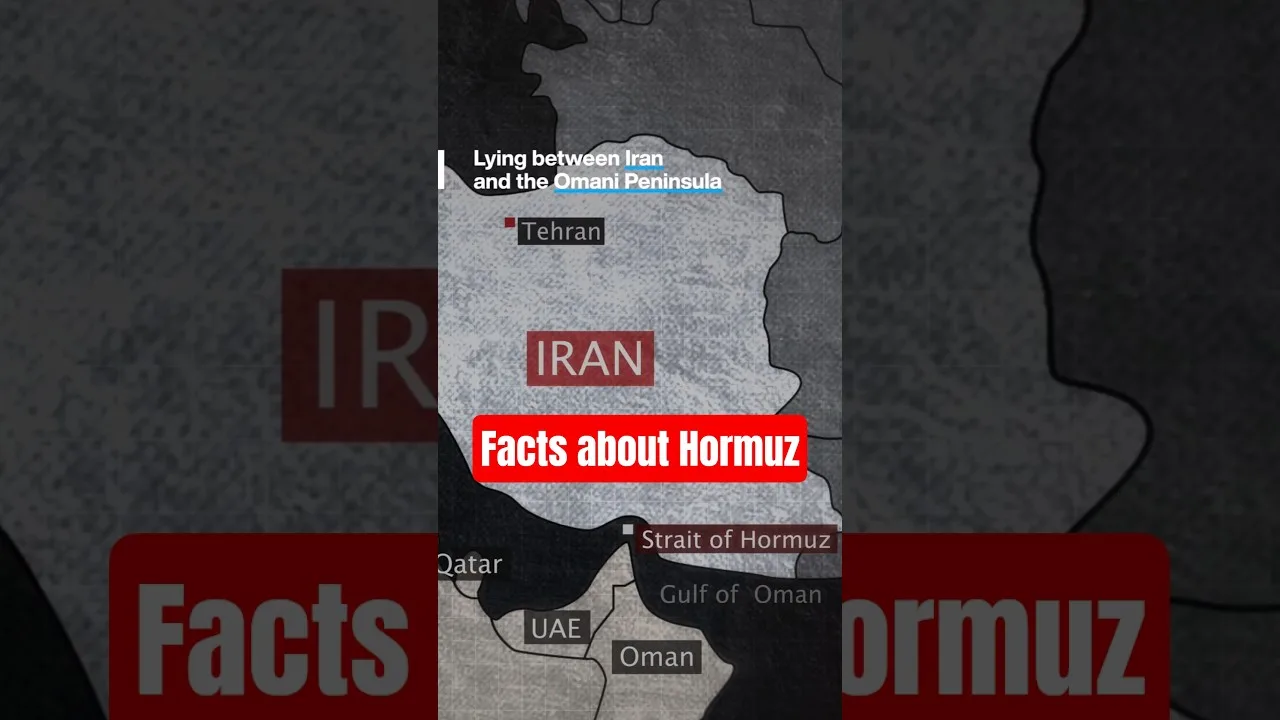
To understand why Sohar Port India trade initiatives are gaining momentum, one must first examine the geography of the region. Most maritime traffic entering the Persian Gulf must pass through the Strait of Hormuz, a narrow waterway that is frequently a flashpoint for geopolitical tension. Any disruption in this choke point can lead to global oil price spikes and supply chain collapses.
Sohar Port, however, is located on the Batinah coast of Oman, placing it outside the immediate bottleneck of the Strait of Hormuz. For Indian businesses, this means a significant reduction in risk. By utilizing this port, India can diversify its logistics pathways, ensuring that energy imports and commercial exports are not held hostage by regional conflicts. This geographic hedge is a cornerstone of the Sohar industrial city development, making it an attractive proposition for the Indian government and private sector alike.
Enhancing Energy Security for India
Energy security remains a top priority for New Delhi. As India continues its trajectory toward becoming a global economic superpower, its demand for crude oil and liquefied natural gas (LNG) continues to rise. The push for Sohar Port India trade is heavily driven by the need for a stable energy corridor. Oman has long been a reliable partner, and by leveraging Sohar, India can establish more efficient pipelines and shipping lanes that bypass volatile zones.
The port’s capacity to handle large-scale tankers and its proximity to deep-water channels make it ideal for the transport of hydrocarbons. Furthermore, the integration of Sohar Port with India’s energy grid through strategic partnerships could allow for the stockpiling of reserves in Oman, providing a buffer against sudden market shocks. This symbiotic relationship strengthens the bilateral ties between Muscat and New Delhi, moving beyond simple buyer-seller dynamics toward a strategic energy alliance.
Economic Implications for Indian Businesses
Beyond energy, the potential for Sohar Port India trade extends into the realm of diversified manufacturing and logistics. The Oman Vision 2040 aims to transform the Sultanate into a global logistics hub, and India is a primary target for this expansion. Indian companies in the textile, pharmaceutical, and automotive sectors can use Sohar as a ‘re-export’ hub. By setting up manufacturing units in the Sohar Freezone, Indian firms can gain duty-free access to markets in the GCC, Africa, and Europe.
This model allows Indian entrepreneurs to leverage Oman’s strategic position to reduce transit times and shipping costs. The efficiency of Sohar Port India trade routes means that goods can reach East African markets faster than they would via traditional routes from the western coast of India. This creates a competitive advantage for Indian exports, potentially increasing the trade volume in non-oil sectors.
Geopolitics and the Indian Ocean Rim
The promotion of Sohar Port India trade is not happening in a vacuum. It is part of a larger geopolitical shift in the Indian Ocean Region (IOR). With the increasing influence of other global powers in the region, India is keen on securing ‘string of pearls’ alternatives—strategic access points that ensure the freedom of navigation and secure sea lines of communication (SLOCs). According to reports from Reuters, the strengthening of Oman-India ties reflects a broader trend of India seeking stable partners in the Arab world to balance regional power dynamics.
Oman has historically maintained a policy of neutrality and friendship with all neighbors, making it a trusted mediator and partner. By deepening the Sohar Port India trade connection, India secures a friendly foothold in the Arabian Peninsula, which is essential for the security of the Western Indian Ocean. This alignment is crucial for the Indian Navy and commercial shipping fleets that rely on the stability of the Gulf of Oman.
Overcoming Logistics Challenges
While the advantages are clear, maximizing Sohar Port India trade requires overcoming certain infrastructural and regulatory hurdles. To truly optimize this corridor, both nations must work toward harmonizing customs procedures and investing in digital logistics. The implementation of blockchain-based tracking and automated customs clearance at Sohar Port would further reduce the ‘turnaround time’ for Indian vessels.
Moreover, the development of a dedicated shipping line between major Indian ports (like Mundra or JNPT) and Sohar would stabilize freight rates and provide predictability for traders. As the Sohar Port India trade volume grows, the demand for integrated cold-chain logistics will also increase, opening doors for Indian agri-tech companies to export perishable goods to the Gulf region with minimal wastage.
The Role of the Sohar Freezone
A critical component of the Sohar Port India trade strategy is the Sohar Freezone. This area offers generous incentives, including 100% foreign ownership and exemption from corporate tax for specified periods. For Indian SMEs, this is an entry point into the Middle Eastern market without the burden of heavy initial taxation. The synergy between the port and the freezone creates a seamless ecosystem where raw materials can be imported, processed, and exported with maximum efficiency.
When we analyze the Sohar Port India trade framework, it becomes evident that the focus is on value addition. Instead of just shipping raw materials, India is being encouraged to invest in high-value manufacturing within Oman. This not only benefits the Omani economy through job creation but also allows Indian companies to brand their products as ‘made in the GCC,’ easing entry into restrictive markets.
Future Outlook: Towards a Comprehensive Economic Partnership
Looking ahead, the trajectory of Sohar Port India trade is likely to be codified through a Comprehensive Economic Partnership Agreement (CEPA). Such an agreement would lower tariffs and provide a legal framework for long-term investments. The integration of the India-Middle East-Europe Economic Corridor (IMEC) could further amplify the importance of Sohar, potentially linking it to a broader network of rail and ship routes that connect Mumbai to Piraeus.
The strategic pitch by Oman is timely. As the world moves toward a multipolar order, the reliance on single-point transit routes is a liability. The Sohar Port India trade axis provides a necessary alternative, ensuring that the economic arteries of India remain open regardless of the political climate in the Strait of Hormuz. By investing in this partnership, India is not just buying oil or selling textiles; it is investing in its own strategic autonomy.
Conclusion: A Win-Win Synergy
In conclusion, the promotion of Sohar Port India trade is a masterstroke of economic diplomacy. For Oman, it brings in much-needed Indian investment and expertise, helping it diversify away from oil dependency. For India, it provides a secure gateway to the Gulf, enhanced energy security, and a strategic platform for global trade expansion. The geography of Sohar, combined with the economic ambitions of both nations, creates a powerful synergy that will likely define the maritime trade patterns of the Indian Ocean for decades to come.
As we monitor the evolution of Sohar Port India trade, it is clear that the focus will shift from mere transit to deep industrial integration. The world is watching as these two ancient trading partners rewrite their maritime history for the 21st century. For students of geopolitics and professionals in international trade, the development of this corridor serves as a primary example of how geography dictates destiny and how strategic infrastructure can reshape global economics.
Frequently Asked Questions

Sohar Port is critical because it is located outside the Strait of Hormuz, allowing India to diversify its trade routes and reduce the risk of shipping disruptions during regional conflicts.
It provides a stable and secure maritime gateway for the import of crude oil and LNG, reducing reliance on the narrow and volatile Strait of Hormuz.
The Sohar Freezone offers 100% foreign ownership, tax exemptions, and a strategic location for re-exporting Indian goods to the GCC, Africa, and Europe.