Blog
BRICS de-dollarisation: Can BRICS Really Challenge the Dollar? Explained

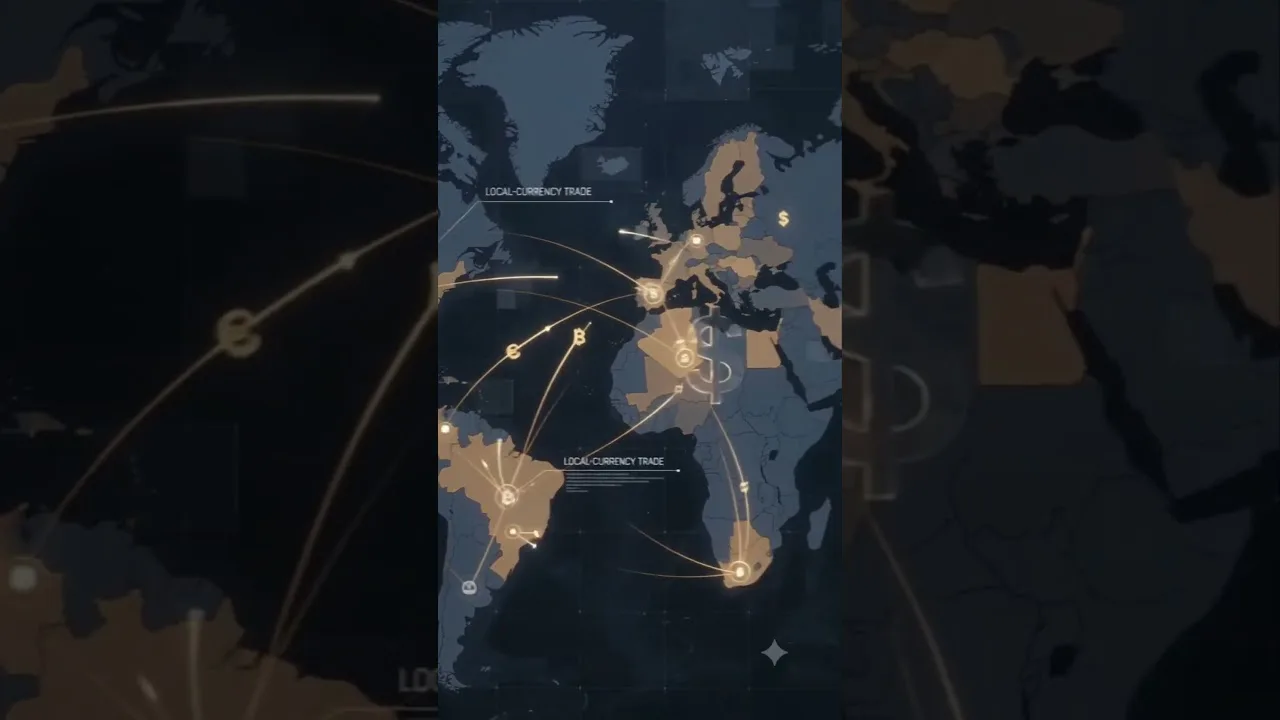
Table of Contents
- Understanding BRICS and its objectives
- The rise of the BRICS bloc
- What is de-dollarisation?
- Motivations behind de-dollarisation
- Mechanisms: Local-currency trade and alternative payment systems
- Examples of local-currency agreements
- The BRICS Pay initiative
- Challenges to replacing the dollar
- Network effects and incumbent advantages
- Financial market depth and trust
- Recent developments (2022-2024)
- BRICS expansion and new members
- Pilot projects in oil and commodities
- Outlook: Can BRICS really challenge the dollar?
- Scenarios for 2030
BRICS de-dollarisation has become a central theme in global economic discussions as the bloc seeks to reduce reliance on the US dollar for international trade and finance.
- BRICS de-dollarisation aims to shift trade settlements from the dollar to local currencies.
- The bloc is developing alternative payment systems such as BRICS Pay.
- Local-currency trade agreements have already been signed among members.
- Despite progress, the dollar’s deep liquidity and network effects remain formidable obstacles.
- Geopolitical shifts and sanctions are accelerating the push for a multipolar monetary system.
Understanding BRICS and its objectives
The acronym BRICS stands for Brazil, Russia, India, China, and South Africa, representing major emerging economies that together account for roughly 42% of the world’s population and about 23% of global GDP. Since its formal inception in 2009, the group has pursued coordinated positions on global governance, development finance, and trade reform. A core motivation behind the alliance is to create a platform where member states can exert greater influence over international financial institutions that have historically been dominated by Western powers. – a key consideration for BRICS de-dollarisation.
The rise of the BRICS bloc
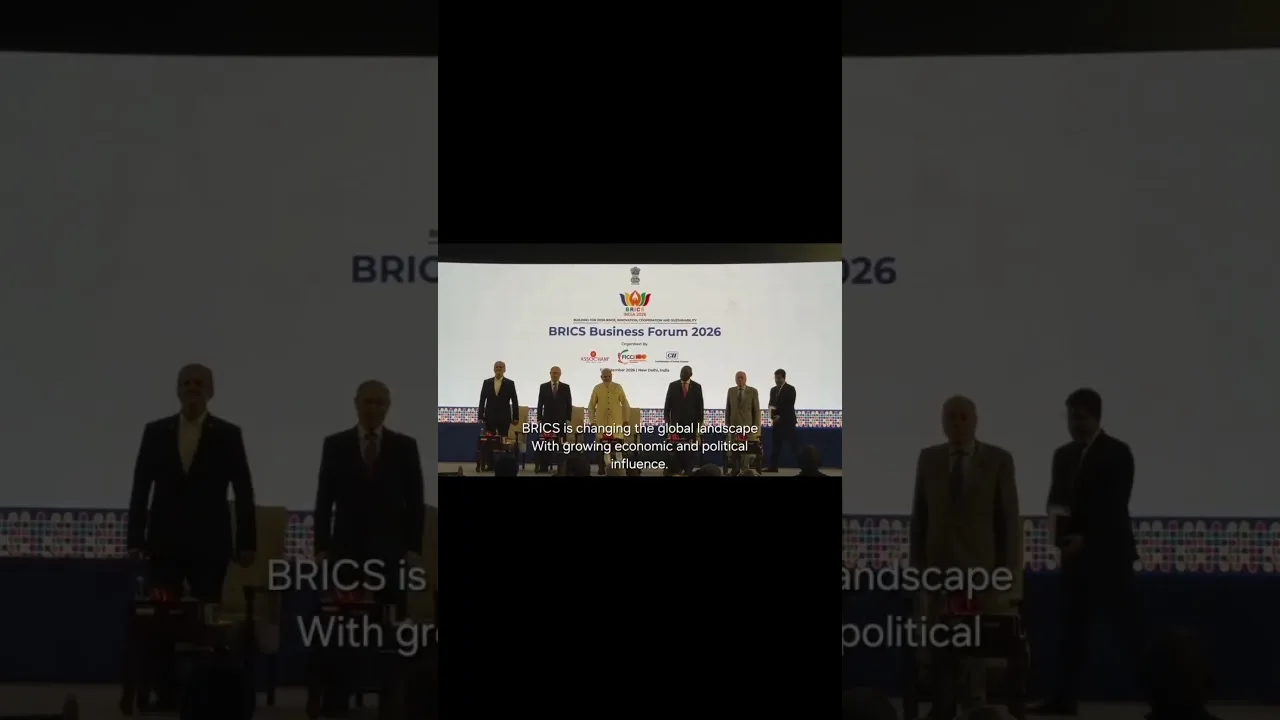
Over the past decade, BRICS has expanded its agenda beyond symbolic summits to concrete initiatives. The New Development Bank (NDB), established in 2015, has approved over USD 30 billion in infrastructure and sustainable development projects across member countries. In 2023, the bloc announced the addition of six new members—Argentina, Egypt, Ethiopia, Iran, Saudi Arabia, and the United Arab Emirates—effective January 2024, further amplifying its economic weight. This enlargement strengthens the bloc’s capacity to promote BRICS de-dollarisation as a collective strategy rather than a series of bilateral efforts.
What is de-dollarisation?
De-dollarisation refers to the process by which countries reduce their dependence on the US dollar for pricing, invoicing, and settling international transactions. The dollar’s dominance stems from the Bretton Woods agreement of 1944, the petrodollar system established in the 1970s, and the depth and liquidity of US Treasury markets. As of 2024, approximately 58% of global foreign exchange reserves are held in dollars, and about 60% of international trade is invoiced in the currency, according to the International Monetary Fund (IMF). – a key consideration for BRICS de-dollarisation.
Motivations behind de-dollarisation
Several factors drive the push for BRICS de-dollarisation. First, geopolitical tensions—particularly sanctions imposed on Russia following its 2022 invasion of Ukraine—have highlighted the vulnerability of dollar‑based systems to unilateral restrictions. Second, emerging economies seek to lower transaction costs and exchange‑rate risk associated with converting to dollars for every cross‑border deal. Third, there is a strategic desire to enhance monetary sovereignty and reduce the “exorbitant privilege” that the United States enjoys from issuing the world’s primary reserve currency.
Mechanisms: Local-currency trade and alternative payment systems
To achieve BRICS de-dollarisation, members are pursuing two complementary tracks: invoicing trade in local currencies and building payment infrastructures that bypass traditional dollar‑clearing channels.
Examples of local-currency agreements
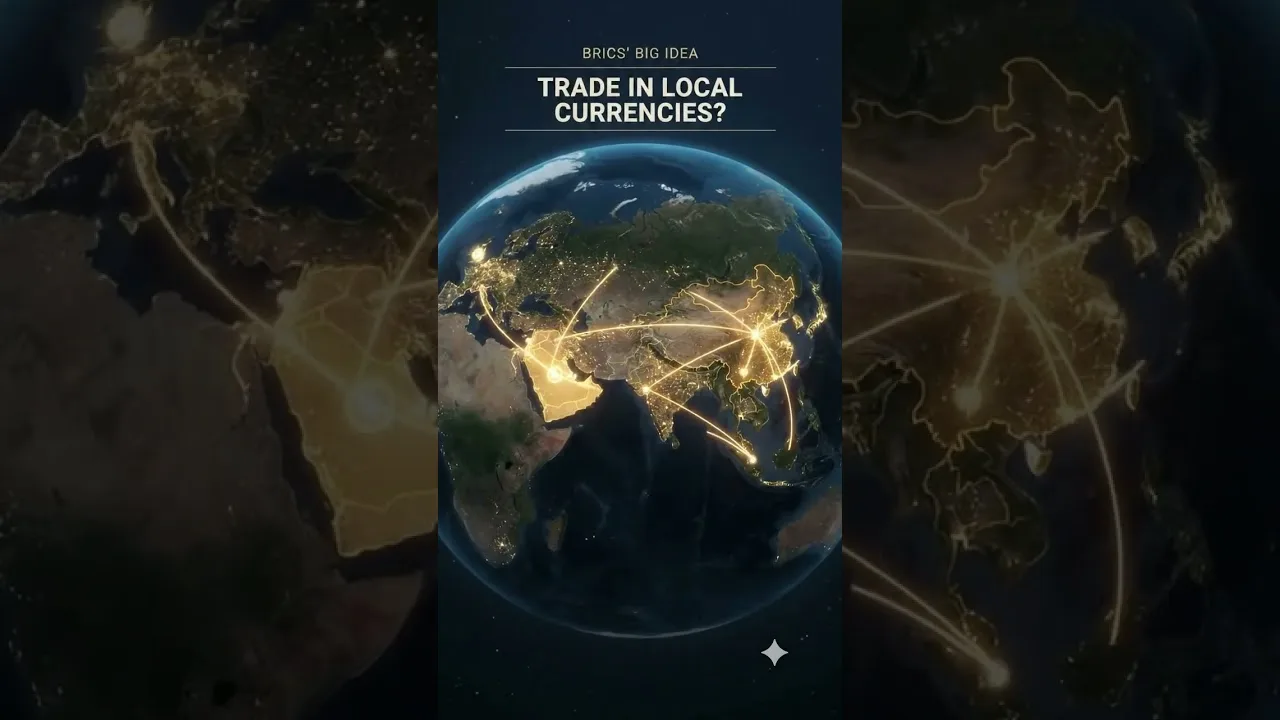
Bilateral currency swap lines have become a cornerstone of the bloc’s approach. In 2021, China and Brazil renewed a USD 30 billion swap agreement allowing direct yuan‑real transactions. India and the UAE signed a memorandum in 2022 to settle crude oil purchases in rupees, circumventing dollar intermediation. Russia and China have increased the share of yuan‑denominated trade from under 10% in 2020 to nearly 25% in 2023, according to data from the People’s Bank of China. These arrangements reduce the need for dollar conversion and foster deeper financial integration among member states. – a key consideration for BRICS de-dollarisation.
The BRICS Pay initiative
In addition to swap lines, the bloc is developing a multilateral payment platform dubbed BRICS Pay. Announced at the 2022 summit, the system aims to link national payment networks—such as India’s UPI, China’s CIPS, and Russia’s SPFS—into a unified interface for cross‑border settlements. Pilot tests conducted in 2023 processed over USD 1.2 billion in transactions using a basket of member currencies. While still in its infancy, BRICS Pay represents a concrete step toward reducing reliance on the SWIFT network, which predominantly handles dollar‑denominated messages.
Challenges to replacing the dollar
Despite these advances, the prospect of fully displacing the dollar remains distant. The greenback’s incumbent advantages are rooted in network effects, market depth, and institutional trust.
Network effects and incumbent advantages
The dollar benefits from a self‑reinforcing cycle: more parties use BRICS de-dollarisation for invoicing, which increases liquidity, which in turn attracts more users. This dynamic creates high switching costs for any alternative currency. A 2022 study by the Bank for International Settlements estimated that replicating the dollar’s transaction volume would require an alternative currency to capture at least 40% of global trade invoicing—a threshold far beyond current BRICS shares.
Financial market depth and trust
US Treasury securities constitute the world’s largest and most liquid safe‑haven asset, with over USD 24 trillion outstanding as of end‑2023. No single BRICS member, nor the bloc collectively, offers a comparable depth of risk‑free assets. Moreover, the dollar’s credibility is bolstered by the Federal Reserve’s transparent policy framework and the United States’ strong rule‑of‑law reputation. In contrast, concerns about capital controls, convertibility, and political stability in some BRICS economies limit the willingness of global investors to hold large reserves in their currencies.
Recent developments (2022-2024)
The pace of BRICS de-dollarisation has quickened amid shifting geopolitics.
BRICS expansion and new members
The 2023 Johannesburg summit’s decision to invite six new members was framed as a move to enhance the bloc’s representativeness and economic clout. The inclusion of major oil producers such as Saudi Arabia and the United Arab Emirates opens avenues for pricing crude in non‑dollar currencies. Early talks in 2024 between Saudi Aramco and Indian refiners explored settling a portion of oil purchases in rupees, a development widely covered by BBC News as a potential milestone for BRICS de-dollarisation.
Pilot projects in oil and commodities
Beyond oil, the bloc has launched pilot projects for settling metals and agricultural trades in local currencies. In mid‑2023, a consortium of Chinese and Brazilian traders completed a soybean shipment invoiced entirely in yuan and real, bypassing dollar conversion. Similarly, Russian diamond exporters began accepting rupees for a share of their output in late 2023. These pilots, while modest in volume, demonstrate the feasibility of de‑dollarised commodity chains and provide valuable data for scaling up.
Outlook: Can BRICS really challenge the dollar?
The question of whether BRICS de-dollarisation can meaningfully challenge the dollar’s dominance hinges on two variables: the speed of institutional innovation and the willingness of non‑member economies to adopt alternative arrangements.
Scenarios for 2030
In a conservative scenario, where swap lines and bilateral agreements grow modestly, the dollar’s share of global invoicing might decline from 60% to around 55% by 2030, with the euro and yuan gaining incremental ground. In an aggressive scenario—characterized by the successful rollout of BRICS Pay, widespread adoption of local‑currency oil contracts, and the creation of a BRICS‑denominated bond market—the dollar’s share could fall below 50%, ushering in a more multipolar currency landscape. However, even under the optimistic case, the dollar would likely remain a major reserve currency due to its entrenched role in global finance.
Ultimately, BRICS de-dollarisation is less about outright replacement and more about creating viable alternatives that reduce systemic vulnerability to dollar‑centric shocks. For policymakers, investors, and students of international relations, monitoring the bloc’s progress offers critical insights into the evolving architecture of global money.
Frequently Asked Questions
BRICS de-dollarisation refers to the efforts by the BRICS nations to reduce reliance on the US dollar for international trade and finance by using local currencies and creating alternative payment systems.
Local-currency trade allows countries to settle invoices directly in their own currencies, avoiding the need to convert to and from the US dollar, thereby decreasing dollar demand in cross-border transactions.
Replacing the dollar entirely is unlikely in the near term due to its deep liquidity, network effects, and trust; however, BRICS initiatives can gradually diminish its share and promote a more multipolar monetary system.