Blog
Indian Ocean Geopolitics: Who Controls the Seas?

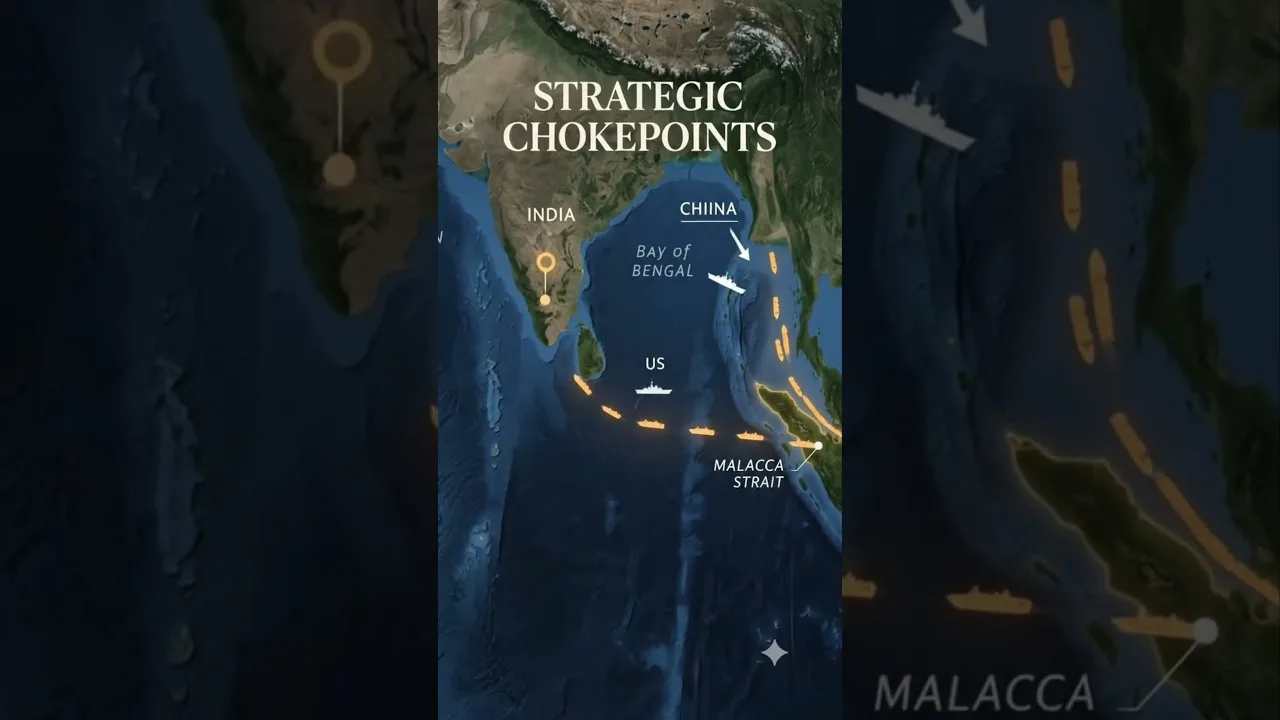
Table of Contents
- Introduction to Indian Ocean Geopolitics
- The Economic Importance of the Indian Ocean Region
- Critical Maritime Chokepoints
- India vs. China: The Great Maritime Rivalry
- India's Strategy for Maritime Dominance
- The Role of Global Powers and the United States
- The Emergence of Middle Powers
- Security Challenges in the Indian Ocean
- Climate Change and Maritime Security
- Conclusion: The Future of the Indian Ocean
Introduction to Indian Ocean Geopolitics
Indian Ocean geopolitics is currently the most critical driver of global maritime security and international trade stability. As the world’s third-largest ocean, the Indian Ocean serves as the primary artery connecting the industrial hubs of East Asia with the energy-rich Middle East and the consumer markets of Europe and Africa. Understanding the complexities of Indian Ocean geopolitics requires an analysis of naval supremacy, economic choke points, and the shifting balance of power between established and emerging superpowers.
- Strategic Chokepoints: Control over the Strait of Malacca, Hormuz, and Bab-el-Mandeb dictates global energy security.
- India’s Role: As a central littoral state, India views the region through the lens of ‘SAGAR’ (Security and Growth for All in the Region).
- China’s Ambition: The ‘String of Pearls’ strategy aims to secure Chinese maritime interests through various port investments.
- Global Trade: Over 80% of the world’s seaborne oil trade passes through these waters.
The landscape of Indian Ocean geopolitics is not a static map of borders, but a fluid arena of influence. For decades, the region was seen as a secondary theater, but the rise of the Indo-Pacific era has moved the center of gravity from the Atlantic to these warm waters. Today, every major naval power—from the United States to China—is vying for a seat at the table to ensure their economic and military interests remain unhindered.
The Economic Importance of the Indian Ocean Region

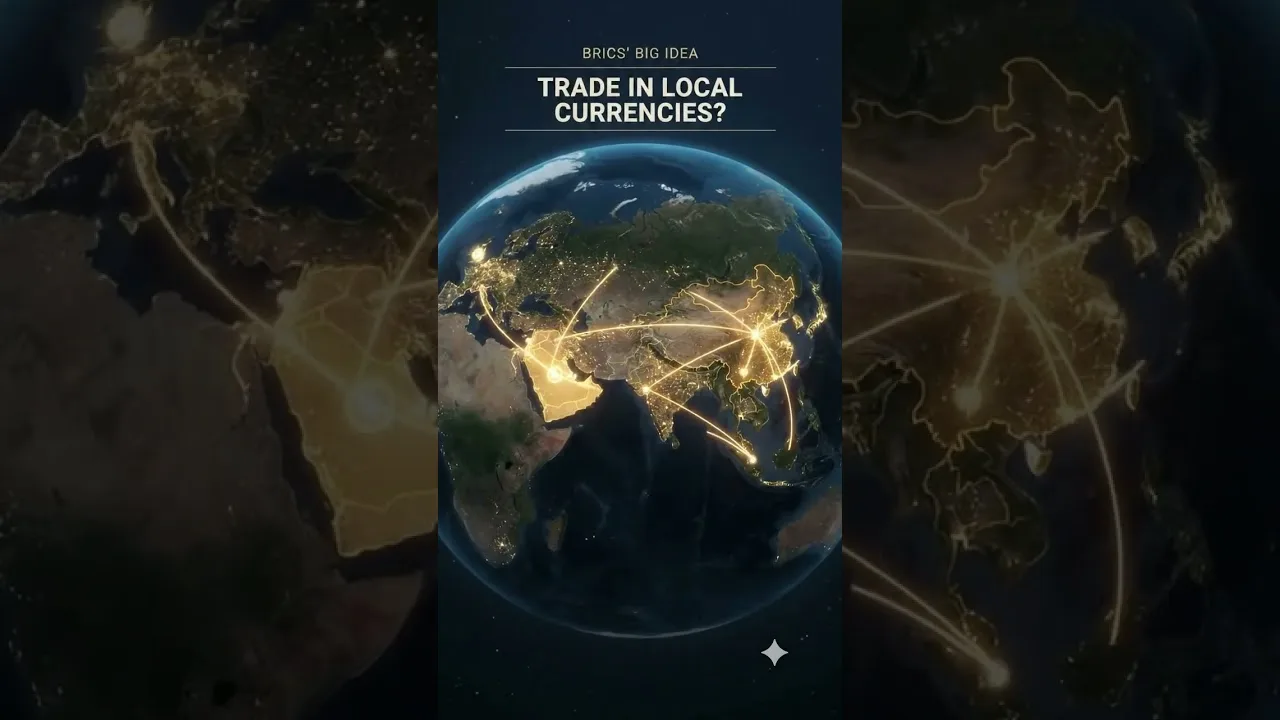
To grasp why Indian Ocean geopolitics is so intensely contested, one must look at the sheer volume of commerce. The Indian Ocean is the lifeline of the global economy. It facilitates the movement of crude oil, liquefied natural gas (LNG), and manufactured goods that sustain modern civilization. The reliance on these maritime routes means that any disruption can trigger a global economic crisis.
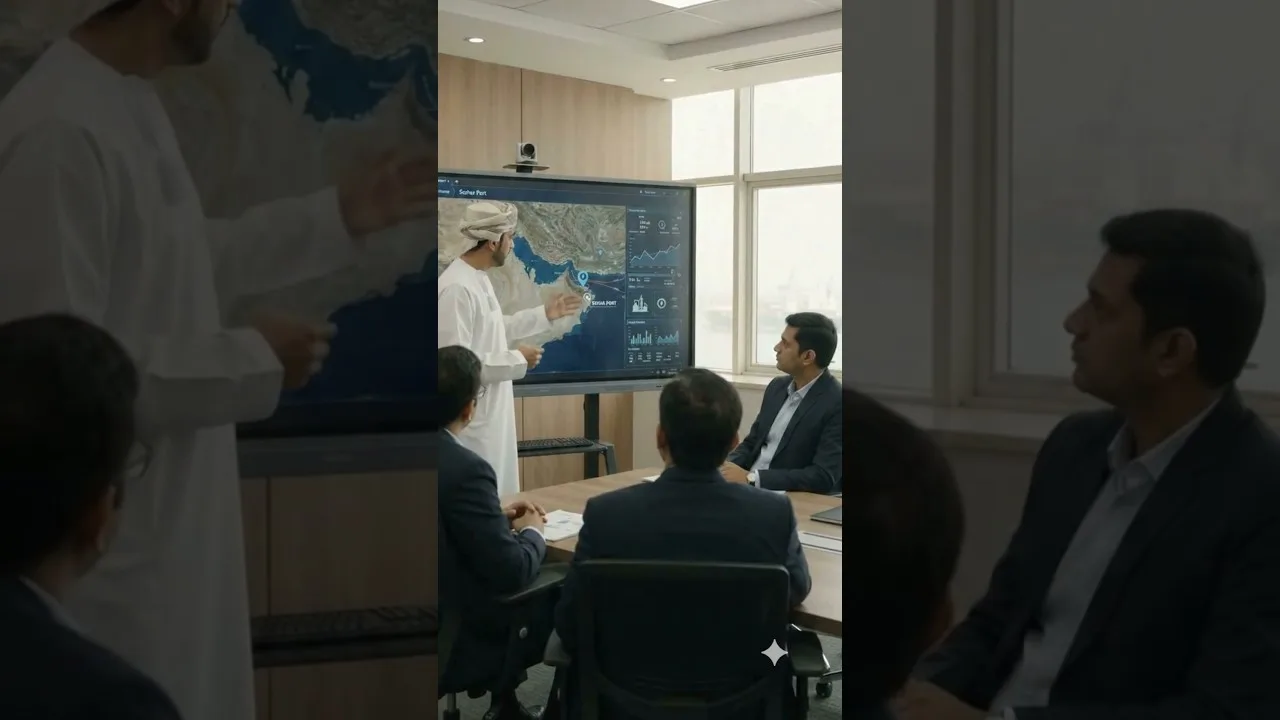
The maritime Silk Road, a component of China’s Belt and Road Initiative, seeks to integrate these trade routes more tightly with Chinese economic interests. This expansionism is a primary driver of modern Indian Ocean geopolitics. When a nation invests in a deep-water port in a distant country, it is not merely performing an economic service; it is establishing a potential logistical node for naval operations.
Critical Maritime Chokepoints
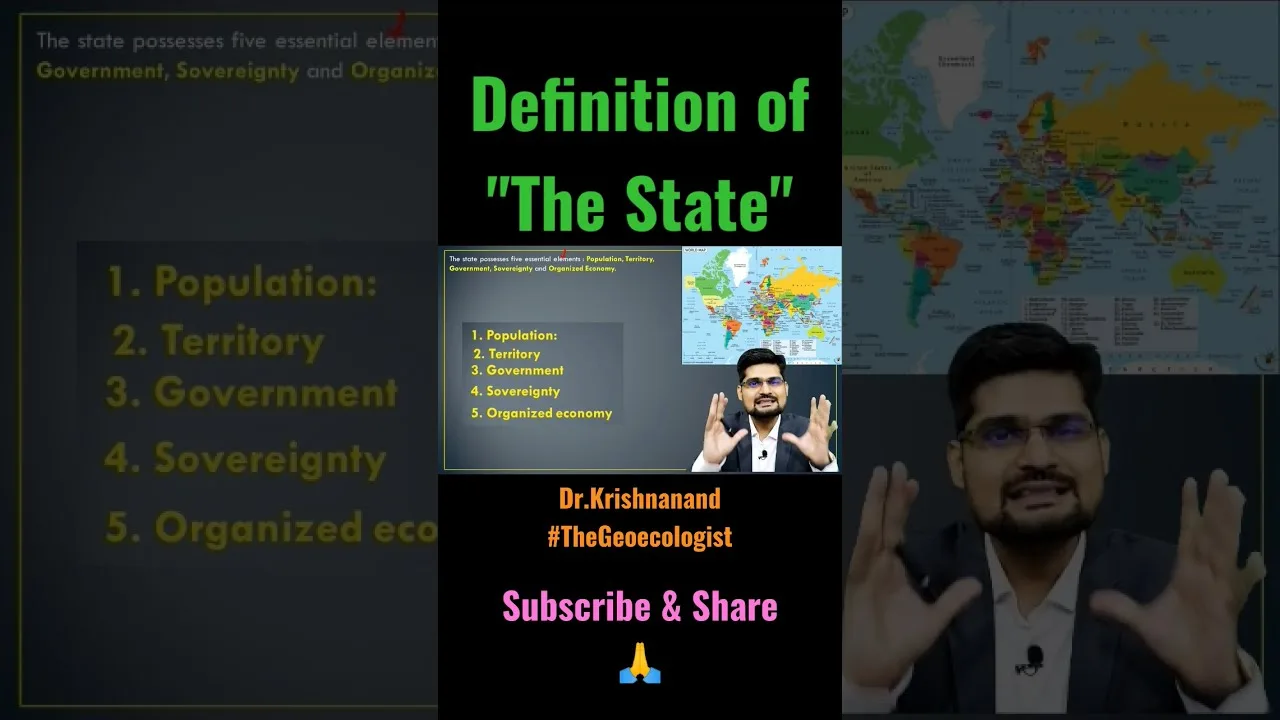
In the study of Indian Ocean geopolitics, certain geographical features act as ‘chokepoints’—narrow channels that can be easily blockaded to paralyze international trade. These include:
- The Strait of Malacca: The gateway between the Indian and Pacific Oceans.
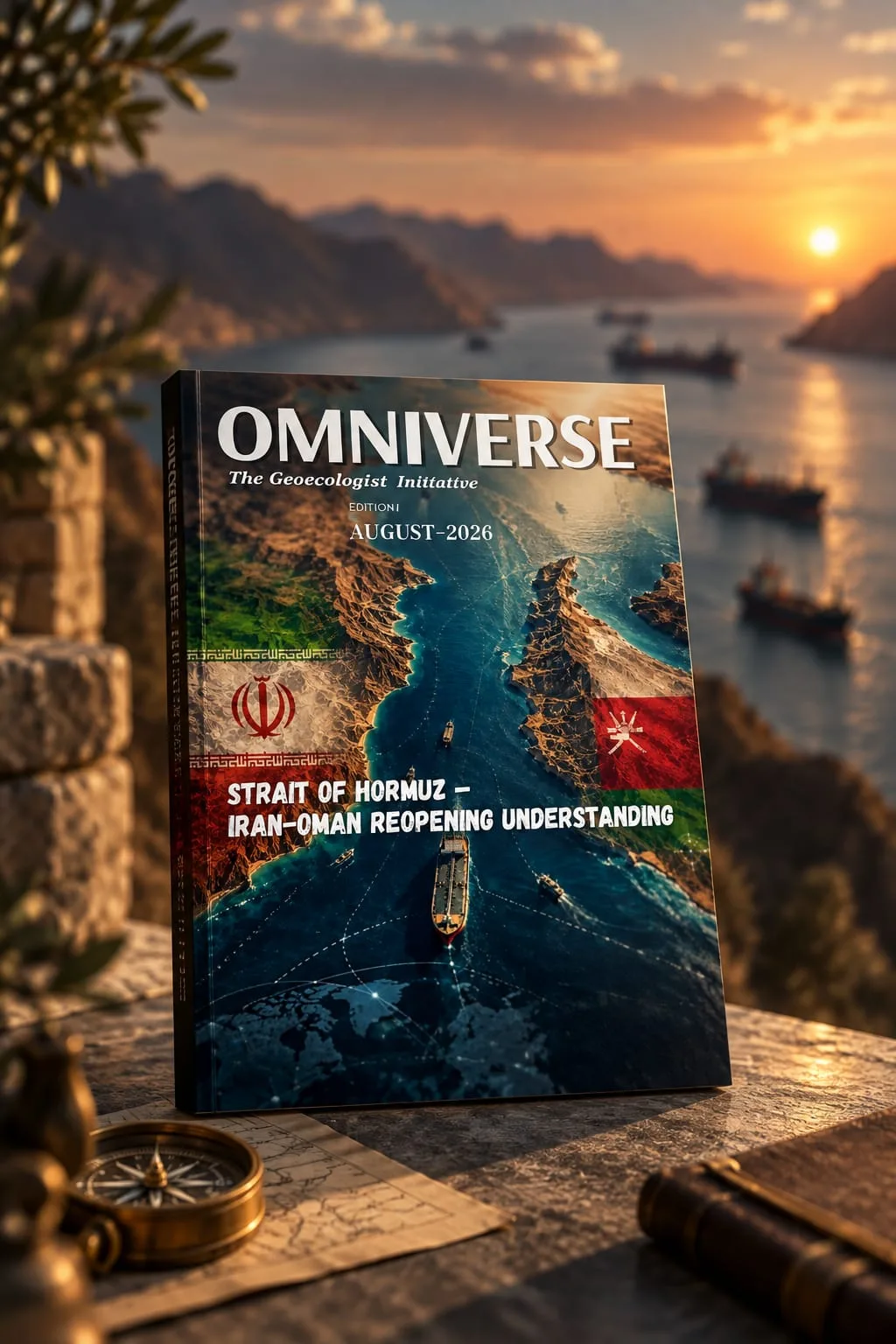
- The Strait of Hormuz: The most vital corridor for global oil supplies.
- Bab-el-Mandeb: The entrance to the Red Sea, connecting the Indian Ocean to the Mediterranean via the Suez Canal.
Control over these points is the ultimate prize in the game of Indian Ocean geopolitics. If a single power can dominate these passages, they effectively hold a veto over the energy security of their rivals.
India vs. China: The Great Maritime Rivalry
The most significant bilateral tension within Indian Ocean geopolitics is the competition between India and China. India considers itself the natural leader of the region, a view supported by its vast coastline and central geographic position. Through its ‘Act East’ policy, India aims to strengthen ties with ASEAN nations and maintain a rules-based order.
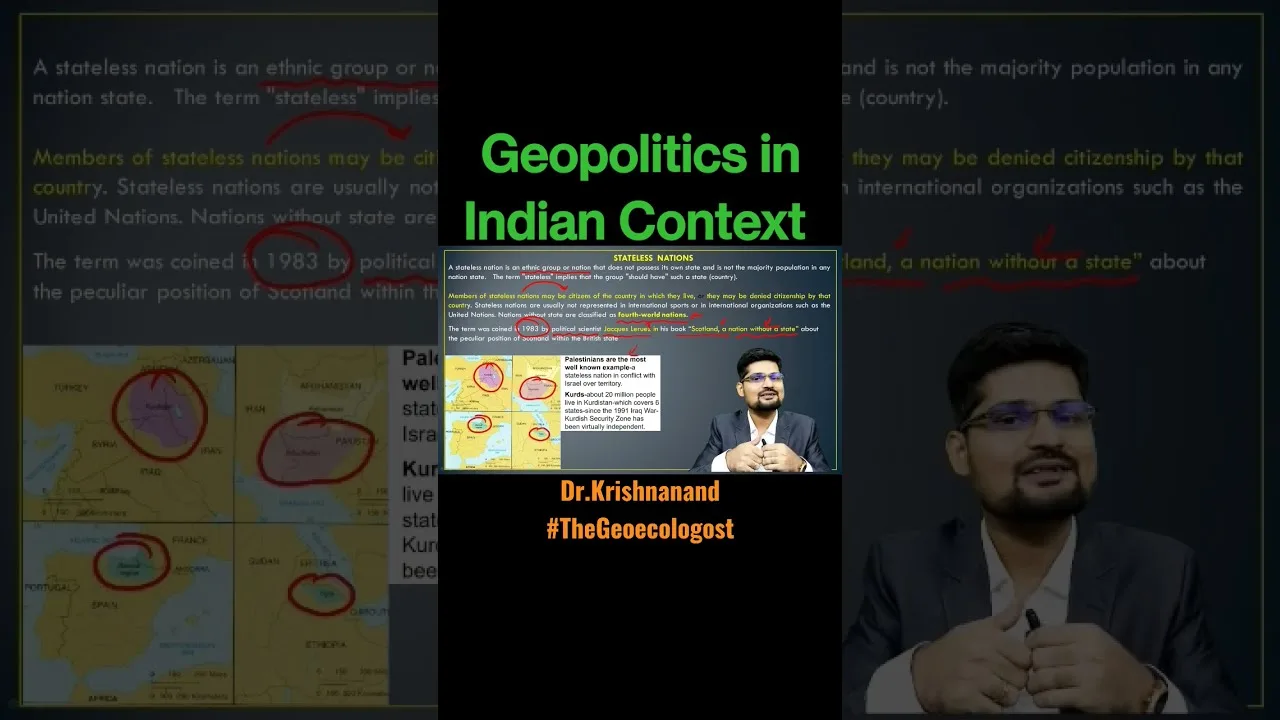
Conversely, China’s approach has been characterized by rapid infrastructure development and the establishment of a presence in locations such as Gwadar in Pakistan, Hambantota in Sri Lanka, and Djibouti in Africa. This phenomenon, often referred to as the ‘String of Pearls,’ is viewed by New Delhi as an attempt at encirclement. Consequently, Indian Ocean geopolitics has become a zero-sum game in the eyes of many strategic analysts.
India’s Strategy for Maritime Dominance
India has responded to these challenges by modernizing its navy and expanding its network of military bases and logistics hubs. By engaging in collaborative exercises with the ‘Quad’—comprising India, the US, Japan, and Australia—India seeks to balance the growing influence of China. This multilateralism is a cornerstone of contemporary Indian Ocean geopolitics, ensuring that no single hegemon can dictate terms to the littoral states.
The Role of Global Powers and the United States
While the India-China rivalry takes center stage, Indian Ocean geopolitics cannot be understood without acknowledging the presence of the United States and other global actors. The US Navy maintains a significant presence in the region to ensure ‘Freedom of Navigation,’ a principle essential for the uninterrupted flow of global trade.
The United States views the Indian Ocean as a vital component of the broader Indo-Pacific strategy. By maintaining a presence in places like Diego Garcia, the US ensures it can project power across both the Atlantic and Pacific spheres. This makes Indian Ocean geopolitics a theater where the interests of the West and the East frequently collide.
The Emergence of Middle Powers
Beyond the superpowers, ‘middle powers’ like Japan, France, and Australia are increasingly active. These nations recognize that the stability of the Indian Ocean is synonymous with their own economic survival. Their involvement adds layers of complexity to Indian Ocean geopolitics, creating a multipolar environment where diplomacy and alliance-building are as important as naval tonnage.
Security Challenges in the Indian Ocean
Beyond state-on-state rivalry, Indian Ocean geopolitics is complicated by non-traditional security threats. Piracy, particularly off the coast of Somalia, has historically threatened merchant shipping, though international naval cooperation has significantly mitigated this risk. However, new threats are emerging.
Maritime terrorism, illegal, unreported, and unregulated (IUU) fishing, and even the potential for environmental catastrophes caused by oil spills are all critical issues. Furthermore, the rise of cyber warfare targeting maritime logistics infrastructure represents a new frontier in Indian Ocean geopolitics. Protecting the digital and physical sanctity of these routes is a massive undertaking for all regional stakeholders.
Climate Change and Maritime Security
We must also consider the impact of climate change on Indian Ocean geopolitics. Rising sea levels threaten low-lying island nations, potentially creating massive refugee crises and territorial disputes. As the ocean warms and weather patterns shift, the very geography that defines these strategic routes may change, forcing a re-evaluation of long-term naval and economic strategies.
Conclusion: The Future of the Indian Ocean
In conclusion, Indian Ocean geopolitics is a complex, multi-layered struggle for influence, security, and economic prosperity. The interplay between India’s regional stewardship, China’s expansionist ambitions, and the strategic interests of global powers like the US ensures that this region will remain the center of geopolitical attention for decades to come.
As we move further into the 21st century, the ability to navigate the intricacies of Indian Ocean geopolitics will determine which nations lead the global economy and which ones find themselves sidelined. For students of geography and international relations, monitoring these maritime shifts is not just an academic exercise—it is a necessity to understand the future of our world.
For more in-depth analysis on global affairs and maritime security, stay tuned to Reuters and other authoritative news agencies. Understanding the geography behind today’s geopolitics is the first step to mastering the complexities of our interconnected world.
Frequently Asked Questions
The Indian Ocean is vital because it connects major economic zones in Asia, Africa, and the Middle East, containing critical energy routes and maritime chokepoints like the Strait of Malacca.
The 'String of Pearls' refers to the network of Chinese military and commercial facilities established in various strategic locations around the Indian Ocean to increase China's influence.
India utilizes its central geography, modernizes its navy, strengthens ties with the Quad (US, Japan, Australia), and implements the SAGAR initiative to maintain regional stability.