Blog
Anthropogeography Ratzel: Foundations of Human Geography

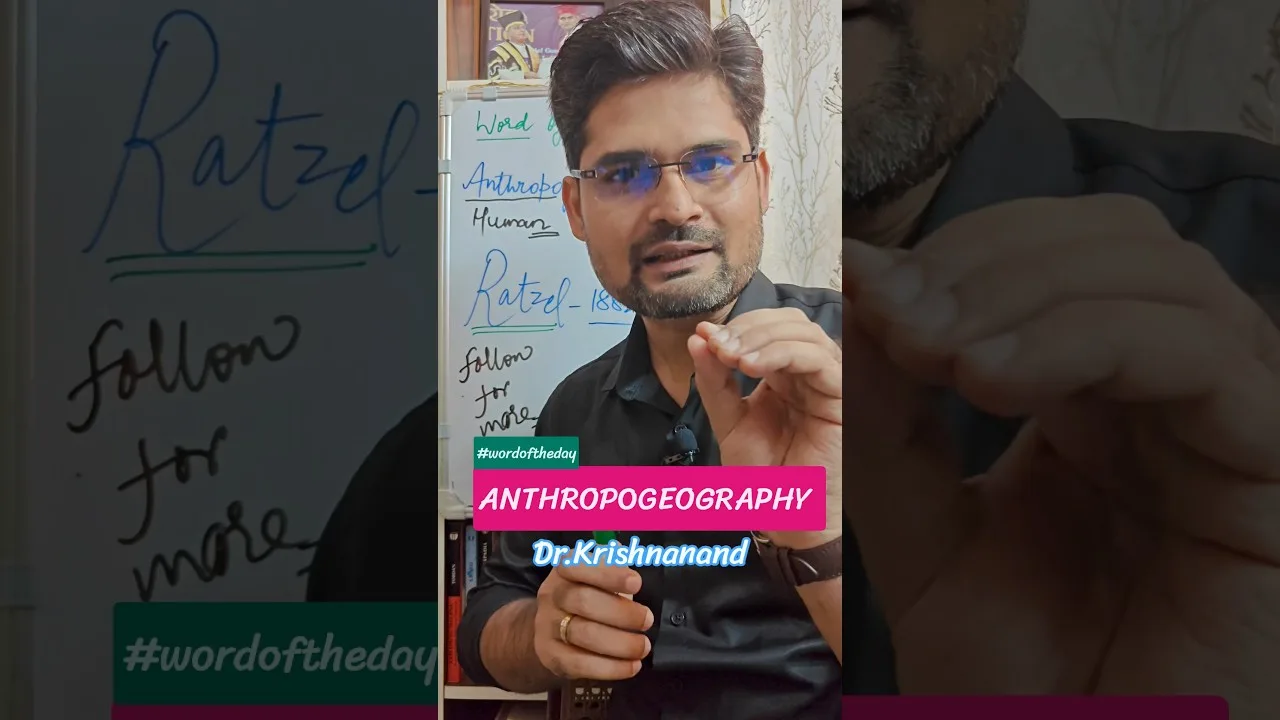
Table of Contents
- Anthropogeography Ratzel: Historical Background
- Friedrich Ratzel and His Contributions
- Anthropogeography Ratzel and Its Core Components
- Population, Migration, Settlement, and Environment
- Impact of Anthropogeography Ratzel on Human Geography
- From Theory to Practice: Applications in Modern Research
- Legacy and Reception: Who Attended Ratzel's Lectures?
- American Geographers and the Spread of Ideas
- Modern Applications and Digital Tools
- GIS, Remote Sensing, and Anthropogeography Ratzel
- Comparative Perspectives: Anthropogeography vs. Other Theories
- Human Geography and Environmental Determinism
- Conclusion: Why Anthropogeography Ratzel Matters Today
Anthropogeography Ratzel: Historical Background
Anthropogeography Ratzel is a pioneering concept that introduced the systematic study of human‑environment interactions, laying the groundwork for modern human geography. In the late 19th century, the German geographer Friedrich Ratzel published his seminal work *Anthropogeographie* in two volumes (1882 and 1891). This monumental effort marked the birth of a new sub‑discipline that examined how populations occupy, migrate, settle, and adapt to their surroundings.
- Anthropogeography Ratzel introduced the spatial analysis of population and settlement patterns.
- Anthropogeography Ratzel emphasized the interplay between environment and human societies.
- Anthropogeography Ratzel laid the foundation for contemporary human geography research methods.
- Anthropogeography Ratzel influenced subsequent geographers, including Ellen Churchill Semple.
Friedrich Ratzel and His Contributions
Friedrich Ratzel, often referred to as the father of anthropogeography, was a German geographer whose interdisciplinary approach combined anthropology, ecology, and geography. His work *Anthropogeographie* is widely cited as the cornerstone of the field. Ratzel’s insights into the spatial relationships between humans and their environments have been integrated into modern curricula, especially in courses related to UGC NET Geography and other academic examinations.
Anthropogeography Ratzel and Its Core Components
The core of Anthropogeography Ratzel revolves around four interconnected pillars: population, migration, settlement, and environment. Each pillar explores how human groups interact with the physical world, creating distinct spatial patterns that can be mapped, measured, and analyzed.
Population, Migration, Settlement, and Environment
Population dynamics, migration patterns, settlement forms, and environmental interactions are central to Anthropogeography Ratzel. Ratzel argued that geography could not be studied in isolation from cultural and biological factors. He introduced concepts such as “life space” and “expansion of states,” which are still referenced in contemporary studies of human geography and are frequently discussed in UGC NET Geography optional syllabi.
Impact of Anthropogeography Ratzel on Human Geography
The impact of Anthropogeography Ratzel on the discipline of Human geography cannot be overstated. By emphasizing the spatial dimension of human activities, Ratzel’s framework provided a robust methodological toolkit for scholars worldwide. His influence can be seen in the development of regional studies, urban geography, and even in the modern application of GIS and remote sensing technologies.
From Theory to Practice: Applications in Modern Research
Modern researchers continue to employ Anthropogeography Ratzel as a lens for analyzing contemporary issues such as climate migration, urban sprawl, and resource distribution. The integration of GIS, remote sensing, and big data analytics has amplified the relevance of Ratzel’s early observations, allowing geographers to generate predictive models that inform policy making.
Legacy and Reception: Who Attended Ratzel’s Lectures?
Among those who attended Ratzel’s lectures was the renowned American geographer Ellen Churchill Semple, whose work reflected the spirit of Anthropogeography Ratzel. Semple later became a prominent figure in American geography, promoting environmental determinism and contributing to the spread of Ratzel’s ideas across the Atlantic. Her teachings and publications helped embed Anthropogeography Ratzel into the curricula of American universities, a legacy that endures in today’s geography optional for UPSC and other competitive exams.
American Geographers and the Spread of Ideas
Other American scholars, such as Isaiah Bowman and Carl Sauer, also drew inspiration from Anthropogeography Ratzel, adapting its principles to study the settlement patterns of the United States and the cultural landscapes of the New World. Their work further cemented the place of Anthropogeography Ratzel in the broader canon of human geography.
Modern Applications and Digital Tools
Today, scholars continue to reference Anthropogeography Ratzel when analyzing spatial relationships between societies and their environments. Digital tools like GIS enable researchers to overlay demographic data with environmental variables, creating a vivid picture of how human geography evolves over time. These tools are often highlighted in study guides for UGC NET Geography and other geography-related examinations.
GIS, Remote Sensing, and Anthropogeography Ratzel
Geographic Information Systems (GIS) and remote sensing provide unprecedented resolution for mapping the components outlined by Anthropogeography Ratzel. By integrating satellite imagery with census data, researchers can assess how migration and settlement patterns shift in response to climate change, urbanization, and policy interventions.
Comparative Perspectives: Anthropogeography vs. Other Theories
While many schools of thought exist within human geography, Anthropogeography Ratzel occupies a unique niche. Unlike environmental determinism, which posits that the environment strictly controls human behavior, Anthropogeography Ratzel emphasizes a reciprocal relationship where humans both adapt to and modify their surroundings.
Human Geography and Environmental Determinism
This nuanced stance has made Anthropogeography Ratzel a valuable framework for contemporary debates on sustainability and human impact. It encourages geographers to consider both agency and structure when interpreting spatial patterns, a perspective that aligns well with modern interdisciplinary research approaches.
Conclusion: Why Anthropogeography Ratzel Matters Today
Today, scholars continue to reference Anthropogeography Ratzel when analyzing spatial relationships between societies and their environments. Its enduring relevance lies in its holistic view of human‑environment interactions, which remains essential for addressing current global challenges such as climate change, resource scarcity, and urbanization. Whether you are a student preparing for UGC NET Geography, a researcher exploring new spatial methodologies, or a professional engaged in urban planning, understanding Anthropogeography Ratzel provides a solid foundation for interpreting the complex tapestry of human geography.
Frequently Asked Questions
The term Anthropogeography Ratzel was coined by German geographer <a href='https://en.wikipedia.org/wiki/Friedrich_Ratzel' rel='dofollow' target='_blank'>Friedrich Ratzel</a> in his seminal work *Anthropogeographie* (1882‑1891).
The two volumes of *Anthropogeographie* were published in 1882 and 1891, establishing the foundation of Anthropogeography Ratzel as a distinct sub‑discipline.
One famous American geographer who attended Ratzel's lectures was Ellen Churchill Semple, a leading advocate of Anthropogeography Ratzel, who later shaped American geographic thought.