Blog
Heat Waves India: Devastating Ecosystem Collapse and Climate Crisis

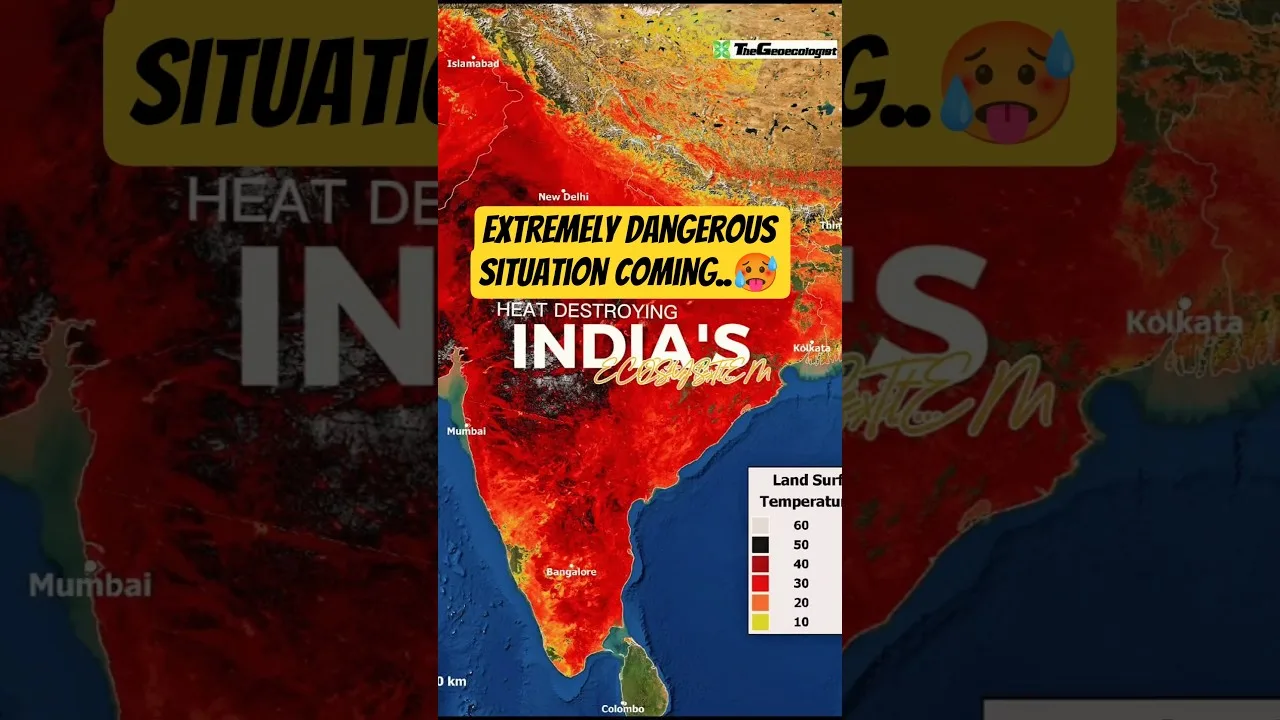
Table of Contents
- Why Heat Waves India Are Surging: Compound Climate Drivers
- Anthropogenic Climate Change: The Primary Engine
- El Niño-Southern Oscillation: The Natural Amplifier
- Urban Heat Islands: Cities as Furnaces
- Declining Soil Moisture and Land Degradation
- Ecological Collapse in Action: Measured Impacts Across Biomes
- Forest Ecosystems: Die-offs, Fires, and Carbon Loss
- Agricultural Systems: Crop Failures and Food Insecurity
- Water Bodies: Shrinking Rivers, Lakes, and Wetlands
- Human Health: The Silent Killer
- The Ripple Effect: Socioeconomic Cascades and Climate Migration
- Adaptation and Mitigation: Pathways to Resilience
- Heat Action Plans: Scaling Local Success
- Nature-Based Solutions: Restoring Ecological Buffers
- Climate-Smart Agriculture: Securing Food Systems
- Urban Cooling: Redesigning Cities for Heat
- Global Context and International Commitments
- Conclusion: The Window for Action Is Closing
Heat waves India are no longer seasonal anomalies but escalating climate emergencies reshaping the subcontinent’s ecological fabric. From the scorching plains of Rajasthan to the humid coasts of Kerala, unprecedented temperature spikes are triggering cascading ecosystem failures that threaten biodiversity, agriculture, water security, and millions of human lives. The India Meteorological Department (IMD) defines a heat wave when maximum temperatures reach 40°C in plains and 30°C in hilly regions, with departures of 4.5°C to 6.4°C above normal. In 2024, India recorded its hottest year since 1901, with over 500 heat wave days across the country — a staggering increase from the 1981-2010 average of 150 days annually.
- Heat waves India have increased 2.5x in frequency and duration since 1990, with 2024 marking the hottest year on record.
- Ecosystem collapse is accelerating: forests, wetlands, and agricultural systems face irreversible degradation.
- Climate change, El Niño, urban heat islands, and land-use changes are compounding drivers.
- Economic losses exceed $30 billion annually from agricultural damage alone.
- Urgent adaptation and mitigation strategies are critical to prevent irreversible tipping points.
Why Heat Waves India Are Surging: Compound Climate Drivers
Anthropogenic Climate Change: The Primary Engine
The Intergovernmental Panel on Climate Change (IPCC) Sixth Assessment Report confirms that human-induced greenhouse gas emissions have raised global temperatures by 1.1°C above pre-industrial levels. For heat waves India, this translates to a 30-fold increase in the probability of extreme heat events. Carbon dioxide concentrations surpassed 420 ppm in 2023 — the highest in 2 million years. Industrial emissions, deforestation, and unsustainable land use trap outgoing longwave radiation, creating a positive feedback loop that intensifies and prolongs heat spells across the Indo-Gangetic Plain and peninsular India.
El Niño-Southern Oscillation: The Natural Amplifier
The 2023-2024 El Niño event — one of the five strongest on record — significantly amplified heat waves India by suppressing monsoon rainfall and altering atmospheric circulation. According to the World Meteorological Organization, El Niño typically reduces Indian summer monsoon rainfall by 5-15%, creating prolonged dry spells that allow solar radiation to heat parched soils unchecked. The transition to La Niña in late 2024 may bring temporary relief, but the underlying warming trend ensures heat waves India will continue intensifying regardless of ENSO phase.
Urban Heat Islands: Cities as Furnaces
Metropolitan regions like Delhi, Mumbai, Kolkata, and Chennai experience temperatures 3-7°C higher than surrounding rural areas due to the urban heat island (UHI) effect. Concrete, asphalt, and steel absorb daytime heat and release it slowly at night, preventing nocturnal cooling. A 2023 study by the Indian Institute of Technology Delhi found that Delhi’s UHI intensity has increased by 1.5°C since 2000 due to rapid urbanization, loss of green cover, and increased vehicular emissions. This disproportionately affects low-income communities in informal settlements lacking access to cooling infrastructure.
Declining Soil Moisture and Land Degradation
Deforestation, groundwater overexploitation, and conversion of natural landscapes to intensive agriculture have reduced India’s soil moisture reservoir. The Central Ground Water Board reports that 1,186 of 7,089 assessment units are “over-exploited,” with water tables declining >1 meter annually in Punjab, Haryana, and Rajasthan. Dry soils cannot cool through evapotranspiration, creating a land-atmosphere feedback that intensifies heat waves India. The Indian Space Research Organisation (ISRO) estimates 29.3% of India’s land area is undergoing desertification, further reducing ecosystem resilience.
Ecological Collapse in Action: Measured Impacts Across Biomes

Forest Ecosystems: Die-offs, Fires, and Carbon Loss
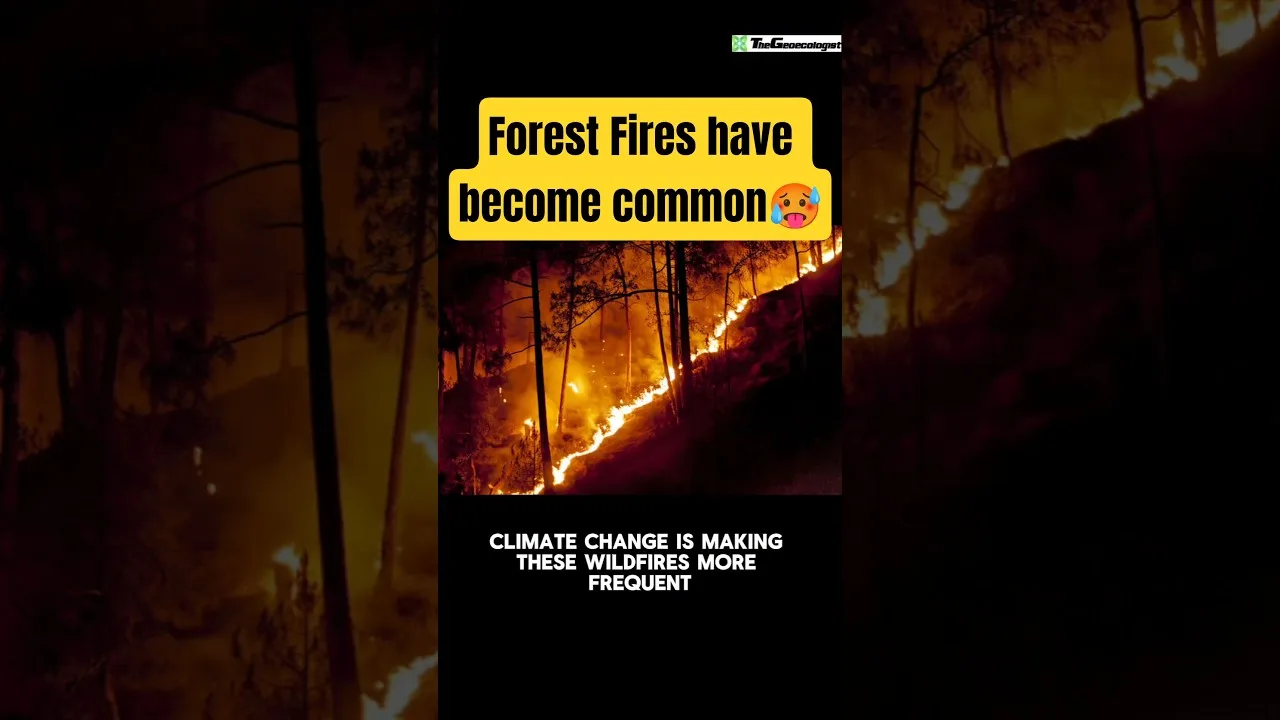
India’s forests — covering 21.7% of land area per the 2021 India State of Forest Report — are experiencing unprecedented stress. The 2024 forest fire season saw 345,989 fire alerts from NASA’s VIIRS satellite, a 40% increase over the 2012-2023 average. In Kerala’s Western Ghats — a UNESCO biodiversity hotspot — prolonged drought and heat triggered mass mortality of endemic tree species like Vateria indica and Dipterocarpus indicus. The Wildlife Institute of India documented 23% decline in herbivore populations in central Indian tiger reserves during 2023-24 heat waves India, disrupting predator-prey dynamics and increasing human-wildlife conflict.
Agricultural Systems: Crop Failures and Food Insecurity
Heat waves India during the critical wheat reproductive stage (March-April) caused yield losses of 15-25% in Punjab, Haryana, and Uttar Pradesh in 2022 and 2023. The Indian Council of Agricultural Research (ICAR) estimates thermal stress reduces wheat yields by 6% per 1°C rise above 30°C during grain filling. Rice — India’s staple for 65% of the population — faces similar threats during flowering. A 2023 study in Nature Food projected that without adaptation, heat waves India could reduce national wheat production by 8-12% and rice by 5-8% by 2050, threatening food security for 1.4 billion people. Farmer suicides linked to crop failure rose 18% in Maharashtra and Karnataka during 2023 heat waves India, per National Crime Records Bureau data.
Water Bodies: Shrinking Rivers, Lakes, and Wetlands
Major river systems — Ganga, Brahmaputra, Godavari, Krishna — experienced 30-50% below-normal flows during peak 2024 heat waves India. The Central Water Commission reported 91 major reservoirs at 23% capacity in May 2024, the lowest in a decade. Wetlands like Chilika Lake (Odisha) and Keoladeo National Park (Rajasthan) — critical for migratory birds — shrank by 15-20% surface area. Groundwater-dependent ecosystems in the Thar Desert and Deccan Plateau face irreversible aquifer depletion. The Composite Water Management Index by NITI Aayog warns 21 major cities could run out of groundwater by 2030, exacerbated by heat waves India increasing irrigation demand.
Human Health: The Silent Killer
Heat waves India claim more lives annually than any other natural hazard. The National Disaster Management Authority recorded 24,000+ heat-related deaths between 1992-2023, but experts estimate actual mortality is 5-10x higher due to underreporting. The 2015 heat wave killed 2,500+ people in Andhra Pradesh and Telangana alone. Vulnerable groups — outdoor workers, elderly, children, pregnant women, and those with comorbidities — face disproportionate risk. A 2024 Lancet Countdown report found India lost 191 billion potential labor hours to heat exposure in 2023, a 54% increase from 1990-1999, costing 5.4% of GDP.
The Ripple Effect: Socioeconomic Cascades and Climate Migration
Ecosystem collapse from heat waves India cascades into economic and social destabilization. The Reserve Bank of India’s 2024 Climate Risk Report estimates annual GDP losses of 2.5-4.5% by 2030 from heat-induced productivity declines, agricultural losses, and infrastructure damage. The World Bank projects 40 million internal climate migrants in India by 2050 — primarily from heat-stressed regions of the Indo-Gangetic Plain and coastal zones. Distress migration from Bundelkhand, Marathwada, and Vidarbha to urban peripheries creates informal settlements with inadequate cooling, sanitation, and healthcare — amplifying vulnerability to future heat waves India.
Energy demand for cooling surges 15-20% during heat waves India, straining grids and increasing coal dependence — creating a vicious emissions cycle. In May 2024, India’s peak power demand hit a record 250 GW, with coal meeting 75% of generation. The International Energy Agency warns India’s cooling energy demand could grow 8x by 2050 without passive design and efficiency interventions.
Adaptation and Mitigation: Pathways to Resilience
Heat Action Plans: Scaling Local Success
Ahmedabad’s pioneering Heat Action Plan (2013) — South Asia’s first — reduced heat mortality by 30-40% through early warning systems, cool roofs, public awareness, and healthcare preparedness. As of 2024, 23 states and 130+ cities have adopted similar plans, but implementation remains uneven. The National Disaster Management Authority’s 2024 guidelines mandate city-level heat vulnerability mapping, but only 37% of Tier-2 cities have completed assessments. Scaling heat action plans with dedicated funding, community participation, and real-time monitoring is essential for heat waves India resilience.
Nature-Based Solutions: Restoring Ecological Buffers
Restoring forests, wetlands, and urban green corridors provides multi-benefit cooling. The Green India Mission targets 5 million hectares of afforestation, but achievement stands at 1.8 million hectares (2023). Urban forests like Delhi’s Aravalli Biodiversity Park demonstrate 2-3°C cooling within 500m radius. Wetland rejuvenation in Chennai’s Pallikaranai Marsh reduced local temperatures by 1.5°C. Agroforestry — integrating trees into farmland — can lower field temperatures by 2-4°C while sequestering carbon. India’s 2023 Long-Term Low-Carbon Development Strategy emphasizes nature-based solutions, but financing gaps persist.
Climate-Smart Agriculture: Securing Food Systems
ICAR has developed 1,752 climate-resilient crop varieties, including heat-tolerant wheat (HD 3385, DBW 187) and rice (CR Dhan 801, DRR Dhan 45). Scaling these through seed systems, combined with micro-irrigation (drip/sprinkler), conservation agriculture, and weather-index insurance, can buffer farmers against heat waves India. The Pradhan Mantri Fasal Bima Yojana covers 30% of farmers; expanding coverage with heat-specific triggers is critical. Digital advisories via Meghdoot and Kisan Suvidha apps reach 15 million farmers — expanding hyperlocal heat forecasts could prevent planting during lethal windows.
Urban Cooling: Redesigning Cities for Heat
Cool roofs (high-albedo coatings), green roofs, permeable pavements, and urban forestry can reduce neighborhood temperatures by 2-5°C. Hyderabad’s cool roof policy (2023) targets 10 million sq ft by 2025. The India Cooling Action Plan (2019) aims to reduce cooling demand by 25% by 2038 through passive design, efficiency standards, and low-GWP refrigerants. District cooling systems — centralized chilled water networks — offer 40-50% energy savings over individual ACs and are being piloted in GIFT City (Gujarat) and Amaravati (Andhra Pradesh). Mandating cool roofs in building codes and incentivizing green infrastructure are no-regret investments.
Global Context and International Commitments
Heat waves India are not isolated — they reflect a planetary pattern. The 2023-2024 global heat streak saw 12 consecutive months of record temperatures, with heat waves across North America, Europe, China, and Brazil. India’s updated Nationally Determined Contribution (2022) commits to 45% emissions intensity reduction by 2030 and net-zero by 2070. The International Solar Alliance — co-founded by India and France — has mobilized $15 billion for solar deployment across 120 countries. However, the UNEP Emissions Gap Report 2023 warns current policies lead to 2.5-2.9°C warming — far exceeding the 1.5°C threshold beyond which heat waves India become unsurvivable for large populations without continuous mechanical cooling.
Conclusion: The Window for Action Is Closing
Heat waves India represent the sharp edge of the climate crisis — visible, measurable, and deadly. The ecological collapse unfolding across forests, farms, rivers, and cities is not a future scenario; it is today’s reality for 1.4 billion people. Every fraction of a degree of avoided warming prevents thousands of heat deaths, saves billions in economic losses, and preserves irreplaceable biodiversity. The solutions exist: heat action plans, nature-based cooling, climate-smart agriculture, urban redesign, and rapid decarbonization. What remains is political will, financial mobilization, and societal commitment at scale. India’s choices in this decade will determine whether heat waves India become a manageable challenge or an existential catastrophe. The thermometer is rising. The time to act is now.
For authoritative climate data and heat wave monitoring, visit the India Meteorological Department and the Intergovernmental Panel on Climate Change. For global temperature records and analysis, see NOAA National Centers for Environmental Information.
Frequently Asked Questions
India recorded over 500 heat wave days in 2024, the highest since records began in 1901, compared to a 1981-2010 average of 150 days annually.
The main drivers are anthropogenic climate change, El Niño events, urban heat island effects, and declining soil moisture from land degradation and groundwater depletion.
Heat waves cause estimated economic losses exceeding $30 billion annually from agricultural damage alone, with total GDP impacts projected at 2.5-4.5% by 2030.