Blog
India Forest Fires: The Rising Climate Crisis Explained

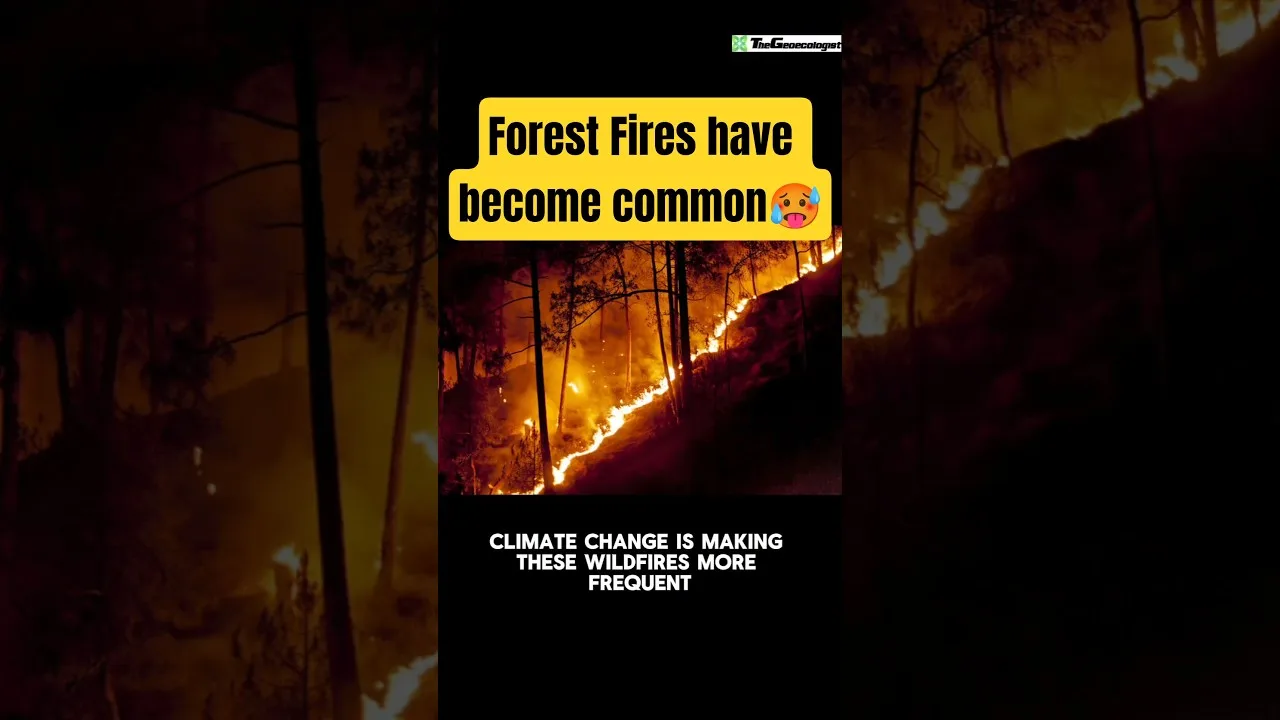
Table of Contents
- Understanding the Escalation of India Forest Fires
- The Primary Drivers of India Forest Fires
- 1. Climate Change and Extreme Heatwaves
- 2. Deforestation and Land Degradation
- 3. Human Negligence and Anthropogenic Factors
- Regional Analysis: From the Himalayas to Central India
- The Himalayan Crisis
- Central Indian Firestorms
- The Socio-Economic and Environmental Consequences
- Biodiversity Collapse and Habitat Loss
- Air Quality and Public Health Emergencies
- The Carbon Feedback Loop
- Strategic Solutions and Mitigation Strategies
- Advanced Early Warning Systems
- Reforestation and Fire-Resistant Landscapes
- Community-Led Forest Management
- Conclusion: A Call to Action
Understanding the Escalation of India Forest Fires
India forest fires have transitioned from manageable seasonal occurrences to a persistent, year-round national emergency that threatens the very fabric of the country’s ecology. As global temperatures continue to climb, these blazes are becoming more frequent, intense, and difficult to extinguish. What were once localized incidents in the dry deciduous forests of Central India have now evolved into widespread disasters that span from the high-altitude Himalayan ranges to the dense tropical belts of the South. The convergence of extreme heatwaves, erratic monsoon patterns, and human-induced landscape changes has created a perfect storm for these catastrophic events.
- Climate Change Linkage: Rising temperatures are drying out forest floors, creating massive amounts of fuel.
- Ecological Impact: Massive loss of biodiversity, including endangered species like the Bengal Tiger.
- Carbon Feedback Loop: Fires release stored carbon, which further accelerates global warming.
- Human Health Risks: Severe air pollution and respiratory issues for millions living near affected zones.
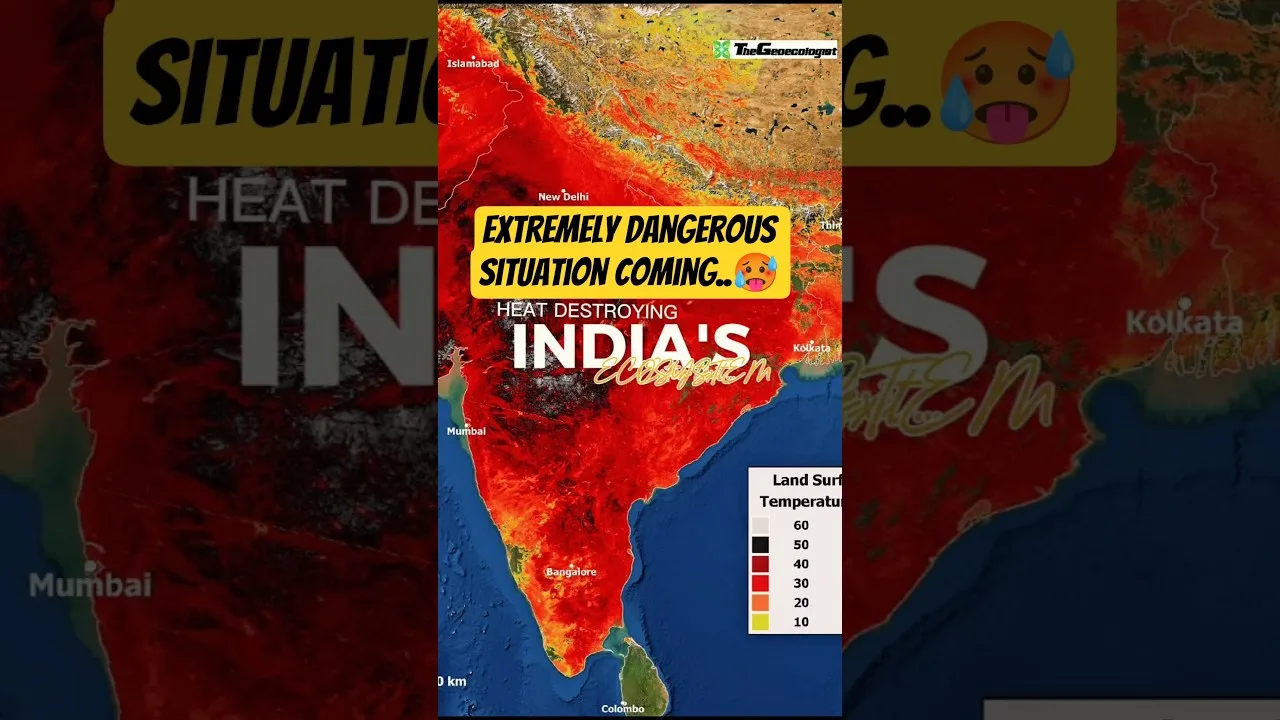
To understand why India forest fires are increasing, we must look at the intersection of meteorology and human activity. The Indian subcontinent is currently experiencing some of the most intense heatwaves on record. According to reports by the Climate Change in India studies, the shifting precipitation patterns mean that forests remain dry for much longer periods than they did in previous decades. This prolonged desiccation turns lush vegetation into highly flammable biomass.
The Primary Drivers of India Forest Fires

1. Climate Change and Extreme Heatwaves
The most significant driver of modern India forest fires is the anthropogenic warming of the atmosphere. As the planet warms, the frequency of “mega-heatwaves” increases. These heatwaves strip moisture from the soil and leaf litter, turning the forest floor into a tinderbox. When the humidity drops below critical levels, even a small spark can lead to an uncontrollable inferno. This phenomenon is particularly evident in the Himalayan foothills, where shifting weather patterns are disrupting the traditional seasonal cycles.
2. Deforestation and Land Degradation
Human encroachment into forest territories for agriculture, mining, and infrastructure development has fragmented many of India’s natural landscapes. This fragmentation creates “edge effects,” where the borders of forests are more exposed to sunlight and wind, leading to faster drying. Furthermore, the practice of clearing land through controlled burns often escapes control, contributing significantly to the total number of India forest fires recorded annually. The loss of canopy cover means that the forest floor is no longer shaded, further accelerating the drying process.
3. Human Negligence and Anthropogenic Factors
While climate change provides the conditions, human activity often provides the spark. Whether it is discarded cigarette butts, campfires left unattended, or intentional clearing of forest land for grazing, human negligence plays a massive role. In many regions, the accumulation of dry debris and deadwood—often a result of poor forest management—provides the necessary fuel for these fires to spread rapidly across vast distances.
Regional Analysis: From the Himalayas to Central India
The impact of India forest fires is not uniform across the country; different geographical zones face unique challenges.
The Himalayan Crisis
In the northern reaches, the situation is particularly dire. The Himalayan ecosystem is incredibly fragile. Glacial melt, driven by global warming, alters the local hydrology, making certain areas more prone to drought. When fires break out in these high-altitude zones, they destroy old-growth forests that take centuries to recover. These fires also contribute to soil erosion, which leads to devastating landslides during the monsoon season. The ecological sensitivity of this region makes the management of India forest fires in the north a matter of international environmental concern.
Central Indian Firestorms
Central India, home to vast stretches of deciduous forests, faces a different set of challenges. The dry seasons here are becoming longer and more intense. The combination of degraded forest quality and high temperatures creates massive firestorms that can jump across rivers and valleys. These fires are often fueled by the heavy accumulation of leaf litter, which, when ignited, creates an intense heat that is difficult for ground crews to combat.
The Socio-Economic and Environmental Consequences
The repercussions of India forest fires extend far beyond the loss of trees. We are witnessing a multi-dimensional crisis that affects the economy, health, and biodiversity.
Biodiversity Collapse and Habitat Loss
India is one of the world’s most biodiverse nations, housing iconic species such as the Royal Bengal Tiger, the Asian Elephant, and various rare primates. India forest fires destroy the habitats these animals rely on for food, shelter, and breeding. When a forest burns, the loss of vegetation leads to a collapse of the food chain, often resulting in increased human-wildlife conflict as animals migrate toward human settlements in search of sustenance.
Air Quality and Public Health Emergencies
The smoke generated by India forest fires contains high concentrations of particulate matter (PM2.5), carbon monoxide, and other toxic gases. This smoke can travel hundreds of kilometers, choking cities and causing severe respiratory distress in vulnerable populations, including children and the elderly. The seasonal spikes in air pollution in northern India are increasingly linked to the burning of both forest biomass and agricultural residue, creating a dual threat to public health.
The Carbon Feedback Loop
Perhaps the most insidious effect of India forest fires is their role in the global climate feedback loop. Forests act as massive carbon sinks, absorbing CO2 from the atmosphere. When these forests burn, they release decades of stored carbon back into the air in a matter of days. This sudden release of greenhouse gases accelerates global warming, which in turn leads to more heatwaves and more India forest fires. It is a vicious cycle that requires immediate intervention to break.
Strategic Solutions and Mitigation Strategies
Addressing the crisis of India forest fires requires a multi-pronged approach involving technology, policy, and community engagement.
Advanced Early Warning Systems
One of the most effective ways to combat India forest fires is through early detection. Utilizing satellite imagery from agencies like the Indian Space Research Organisation (ISRO) allows authorities to monitor thermal anomalies in real-time. When combined with ground-based sensor networks and AI-driven predictive modeling, these systems can alert forest departments to potential fire outbreaks before they become uncontrollable.
Reforestation and Fire-Resistant Landscapes
Simply planting trees is not enough; we must plant the right trees. Reforestation efforts should focus on diverse, native species that are more resilient to heat and fire. Creating “green firebreaks”—strips of vegetation that are less flammable—can also help slow the spread of India forest fires through sensitive areas. Integrated forest management that includes the removal of excess dry fuel can significantly reduce the intensity of blazes.
Community-Led Forest Management
The people living closest to the forests are the first responders. Empowering tribal and local communities through education and training in sustainable forest management is crucial. When local populations have a stake in the health of their forests, they are more likely to engage in early detection and participate in conservation efforts. Community-led fire management programs have proven successful in many parts of the world and could be a cornerstone in managing India forest fires.
Conclusion: A Call to Action
The escalation of India forest fires is a stark warning from nature. It is a symptom of a planet out of balance and a nation facing an unprecedented ecological challenge. We can no longer treat these fires as mere seasonal inconveniences; they are a national emergency that demands urgent, coordinated action. From implementing stricter climate policies to investing in cutting-edge firefighting technology and community resilience, the time to act is now. Every acre of forest saved is a victory for biodiversity, a breath of fresh air for our citizens, and a step toward a more stable climate for future generations.
Frequently Asked Questions
The increase is primarily driven by climate change, which causes prolonged heatwaves and drier forest conditions, making vegetation highly flammable.
Forest fires release massive amounts of particulate matter (PM2.5) and toxic gases, which can travel long distances and cause severe respiratory issues for humans.
Solutions include using satellite technology for early detection, reforestation with fire-resistant species, and empowering local communities in forest management.